 Get a quote
Resources
What materials are suitable for welding robots?
Welding robots, as high-tech equipment, have replaced traditional manual welding methods and become an indispensable part of modern industrial production. Welding robots are suitable for welding various metal materials, including but not limited to the following:

1. Carbon Steel: Including low-carbon steel, medium-carbon steel, and high-carbon steel, widely used in construction, automobile manufacturing, shipbuilding, and other fields.

2. Stainless Steel: Used in fields requiring high corrosion resistance, oxidation resistance, and hygiene standards, such as chemical equipment, food machinery, and kitchen equipment.

3. Aluminum Alloy: Primarily used in aerospace, automotive lightweighting, and electrical appliance housings, where lightweight and high strength are required.

4. Copper and Copper Alloys: Such as pure copper, brass, and bronze, suitable for manufacturing wires and cables, electrical components, and refrigeration equipment.

5. Titanium Alloy: Widely used in aerospace, medical devices, and sporting goods due to its high strength, light weight, and resistance to high-temperature corrosion.

6. Magnesium Alloy: Primarily used for lightweight structural components, such as laptop casings, mobile phone casings, and automotive parts.

7. Composite Materials: In some cases, welding robots can also be used for hybrid welding of composite materials and metals, such as welding composite materials to aluminum alloys in aircraft manufacturing.

By setting appropriate process parameters and selecting suitable welding methods (such as MIG/MAG, TIG, Laser, Resistance, etc.), welding robots can perform effective automated welding operations on the above-mentioned materials. Furthermore, the programming and control technology of welding robots can handle welding requirements of different thicknesses, shapes, and joint types.
Related
Keep
reading.
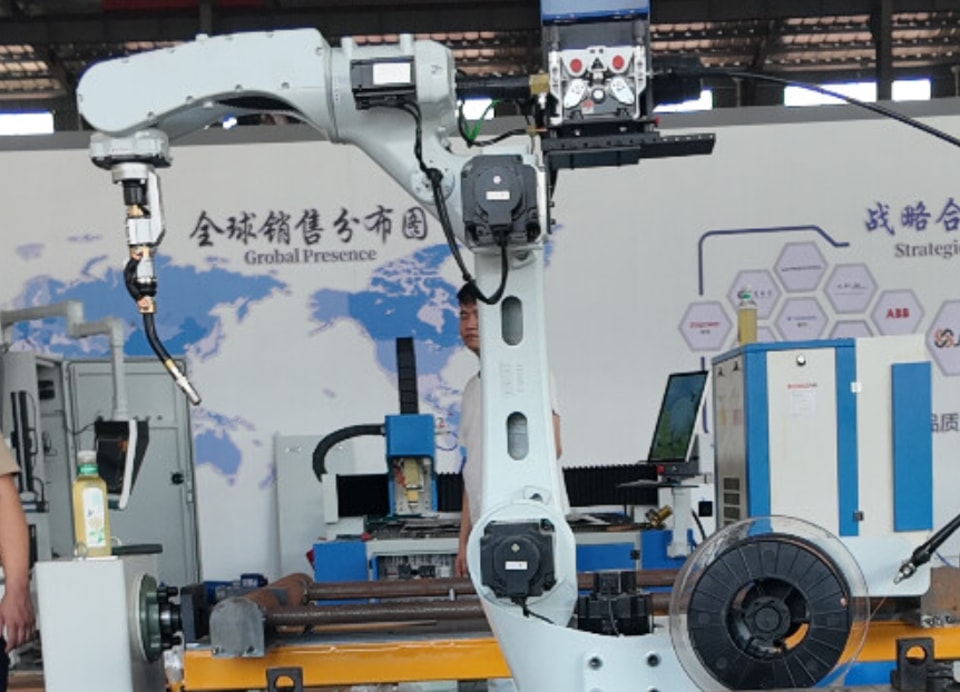 Comparison of Laser Welding Results and Application Scenarios Across Different Materials
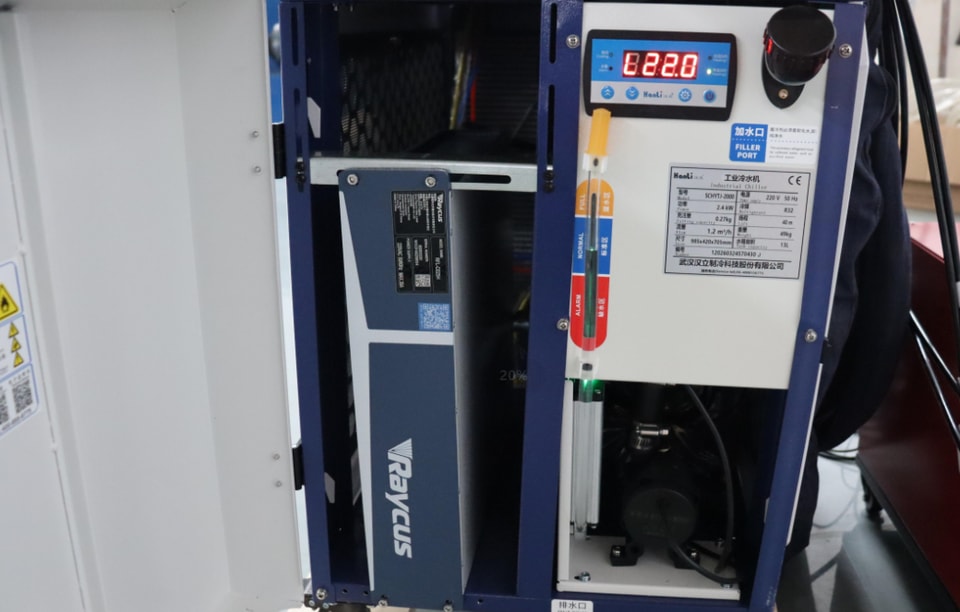 How to Choose Between Air-Cooled and Water-Cooled Laser Welding Systems
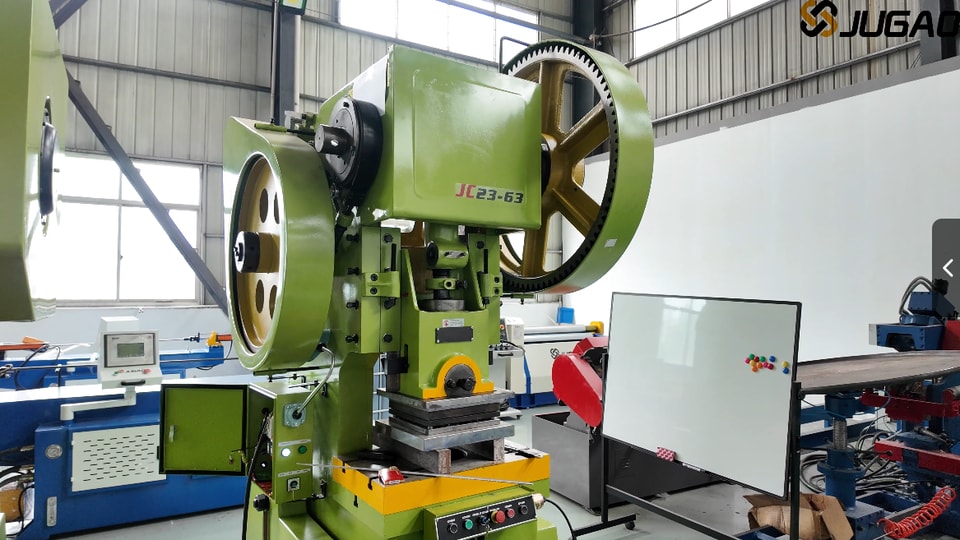 Understanding Punching Machines: Principles, Types, and Selection
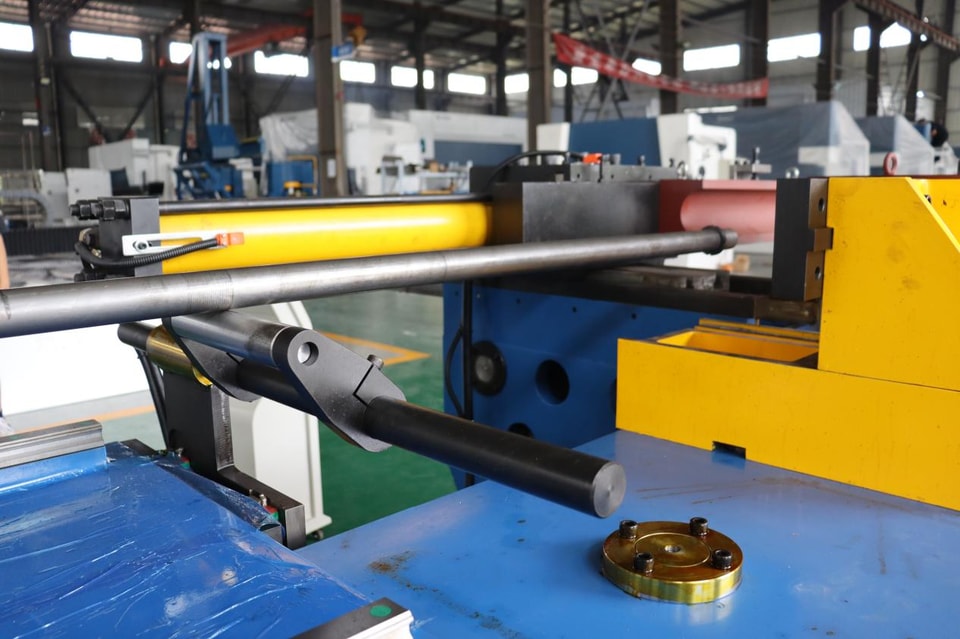 How can one effectively follow the installation guidelines for a pipe-bending machine?
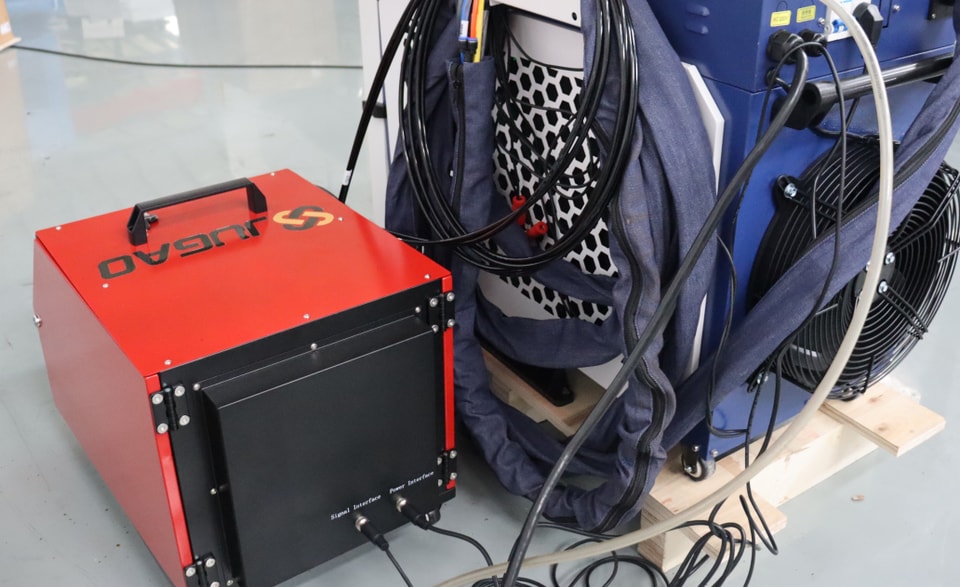 For which types of products is an automatic wire-feeding laser welding machine suitable?
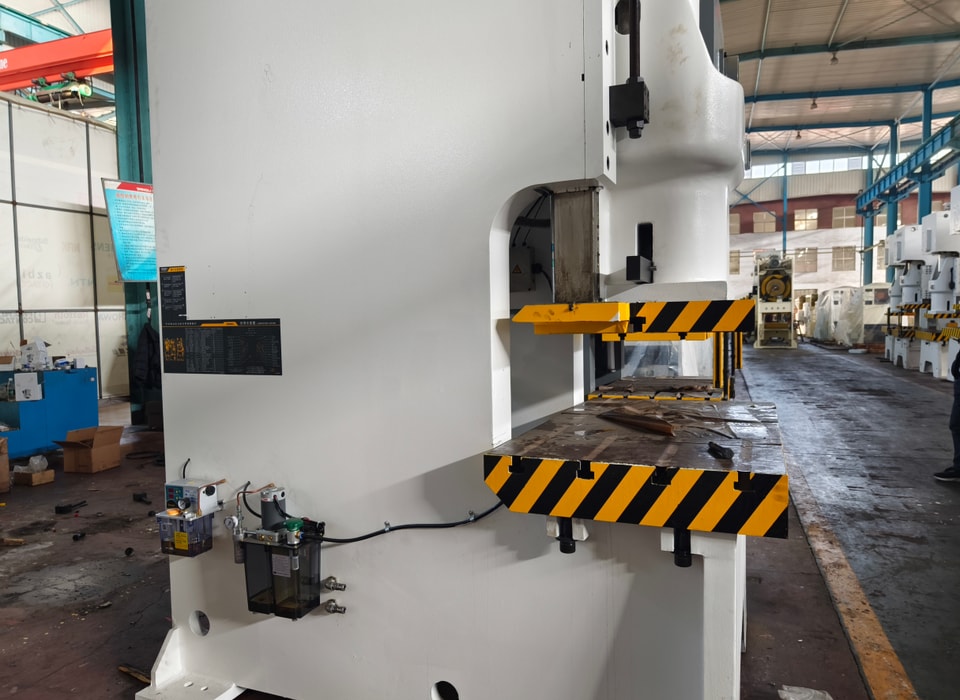 What Are the Latest Punching Machine Trends and Technological Breakthroughs?
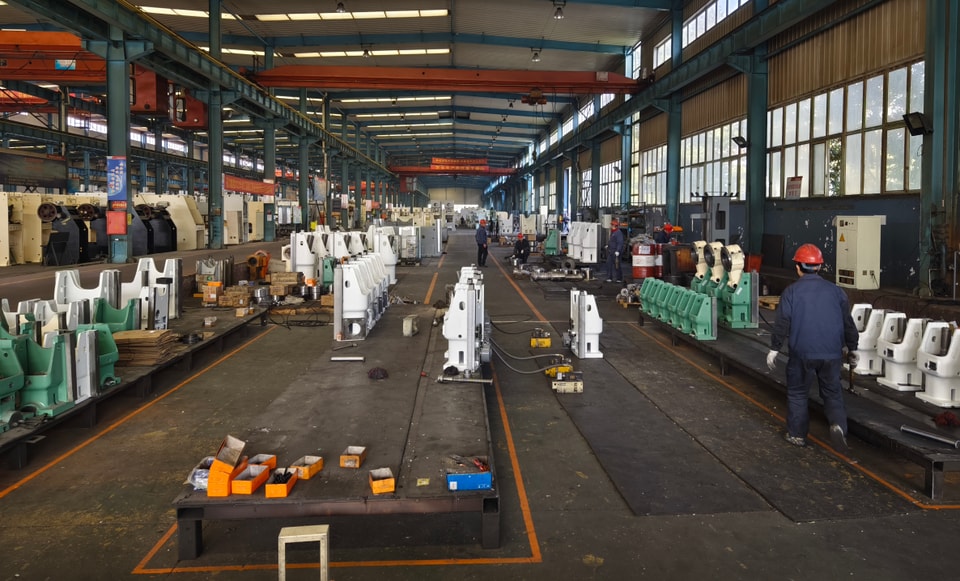 What Triggers Punching Machine Noise and How Can You Quieten It?
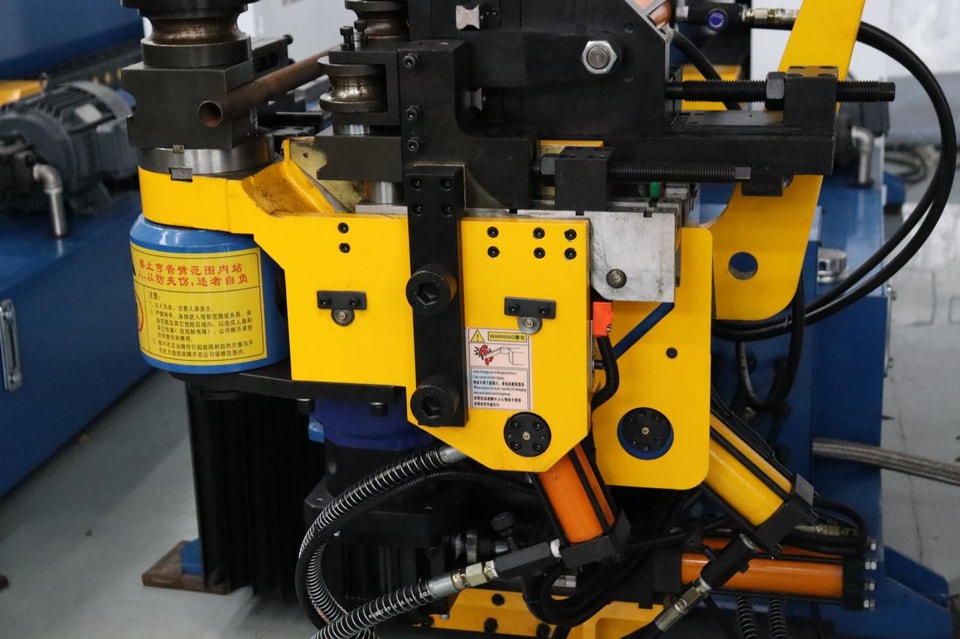 What factors influence the replacement cycle of wear parts in a pipe-bending machine?
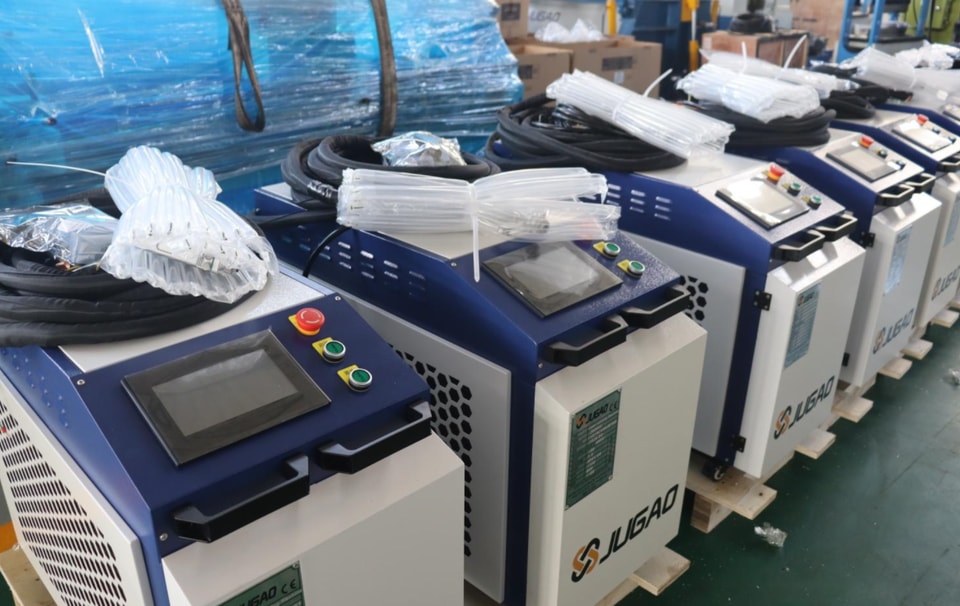 Beyond price, what key parameters should you consider when purchasing welding equipment?
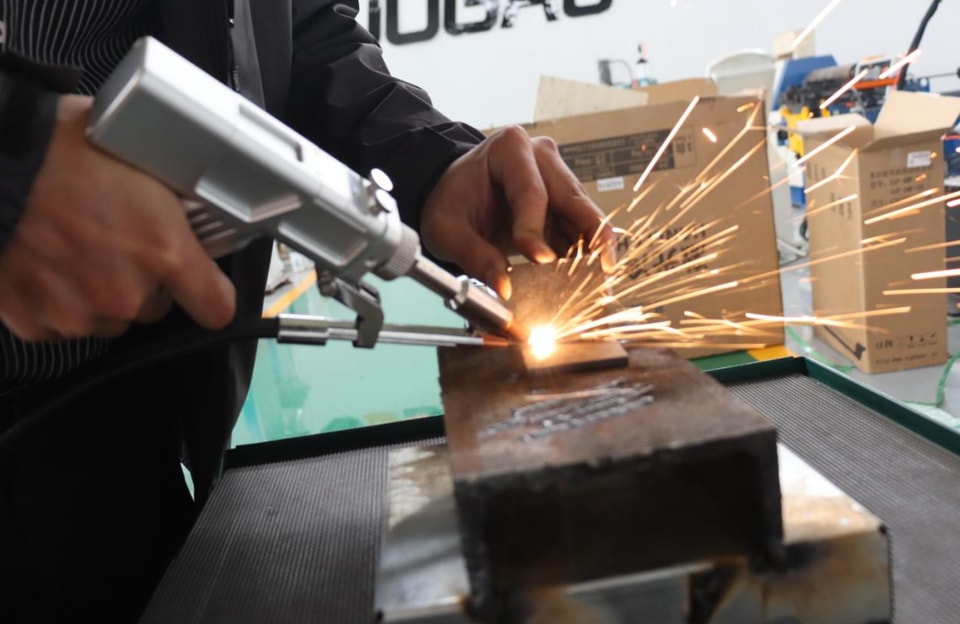 4 Common Methods for Inspecting Weld Quality
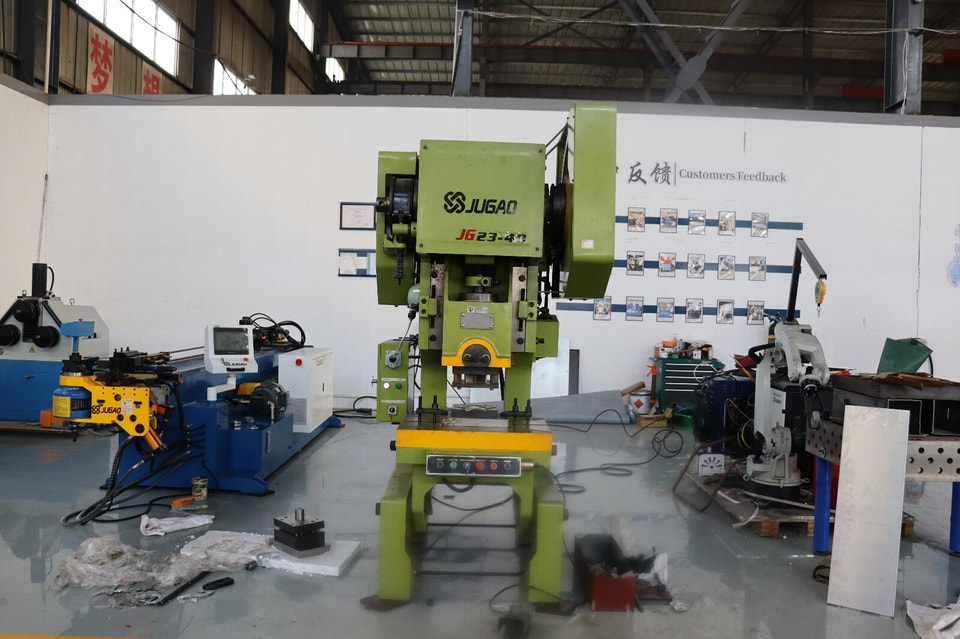 Selecting the Top Punching Machines for Small Workshops & Heavy Industry
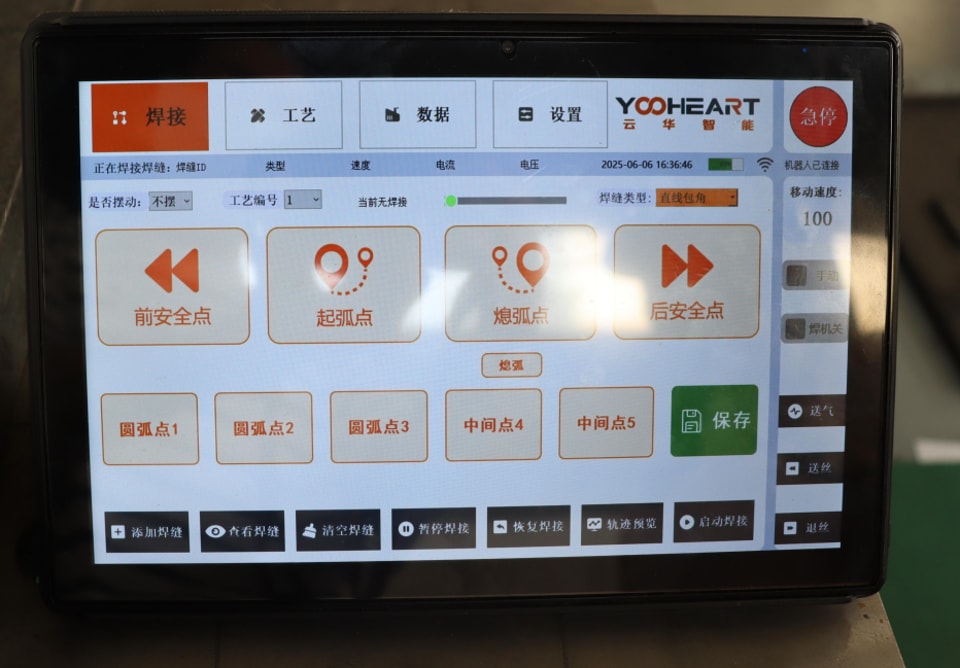 How do you set the welding path for a robotic laser welding machine? Can it perform precise welding on complex workpieces?
Engineering review
Send a drawing.
Get an engineer.
Standard selections answered within 4 hours. Parts outside the rules get a written process review within 24 hours.
- Part drawing: DXF, DWG, STEP or PDF
- Material and thickness
- Longest bend or cut length
- Yearly volume
Write to info@ntjugao.com or message the factory on WhatsApp +86 132 2211 1178.
Drawings (DXF, DWG, STEP, PDF): attach them to an email to info@ntjugao.com, quoting your name.