 Get a quote
Resources
What factors should be considered when selecting a torsion bending machine?
Torsion bending machines and CNC bending machines differ in their processing range and process capabilities. Therefore, manufacturers must carefully consider multiple factors when selecting a torsion bending machine. Careful consideration should be given to the machine's intended application, the potential deflection, the workpiece's bend radius, and other relevant requirements. As the decision-maker, you have an unwavering responsibility to fully understand the machine's performance, processing range, processing capacity, and accuracy. An inappropriate selection can not only increase production costs but also prevent the press brake from achieving its full potential and even hindering return on investment. Therefore, the following aspects should be considered when making a purchasing decision.
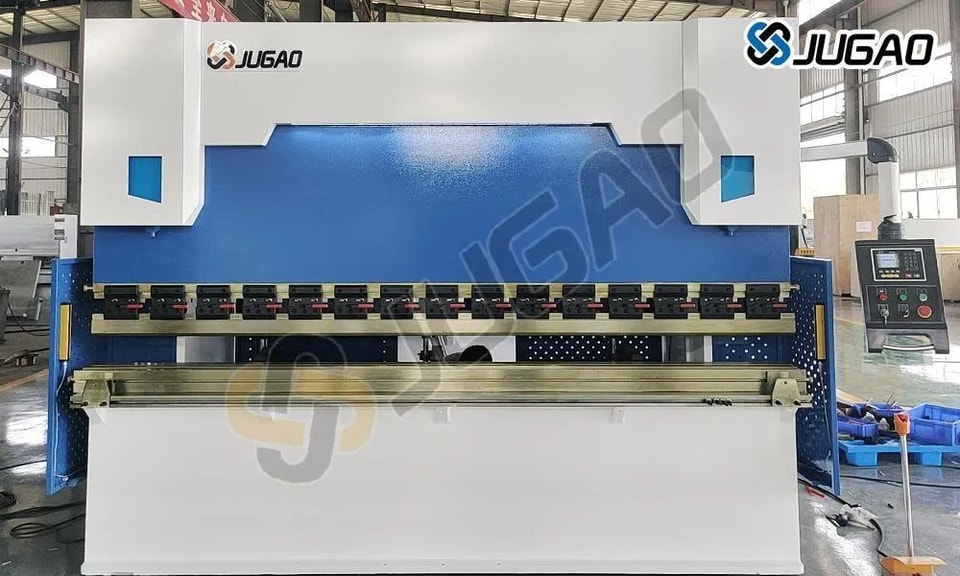
1. Workpiece Characteristics
Pay special attention to the specific requirements of the part being processed. The key is to select a machine that can complete the processing task with a shorter worktable and lower tonnage. Careful consideration should be given to the material grade, maximum processing thickness, and length. For example, if the products you process are primarily mild steel with a thickness of less than 3 mm and a maximum length of less than 2500 mm, there is no need to select a machine with a free bending force exceeding 80 tons. If extensive die forming is required, equipment with a tonnage of 150 tons or more should be considered. If primarily bending 6mm thick materials and performing free-bending of mild steel within a 2500mm range, a 100-ton press brake is recommended. If some parts require die bending correction, a larger press brake is required. Furthermore, if the majority of workpieces to be bent are 1250mm or shorter, the required equipment tonnage can be reduced by nearly half, significantly saving procurement costs. Therefore, workpiece length is a key factor in determining the specifications and selection of new equipment.
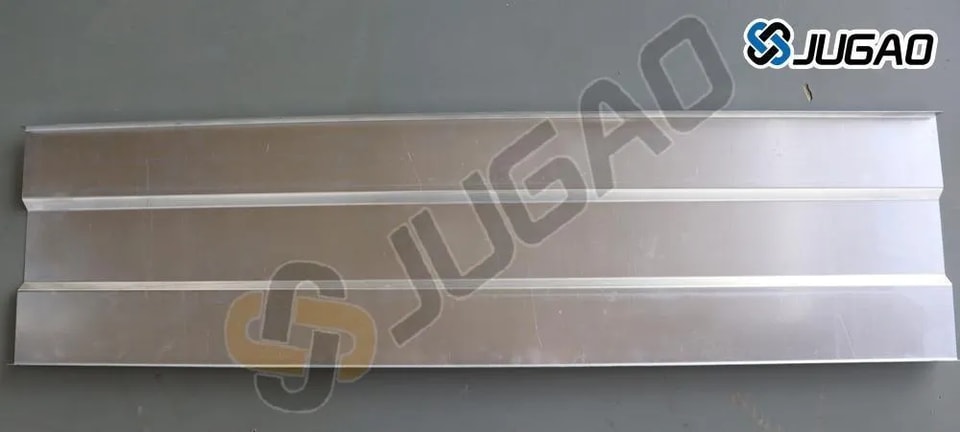
2. Bending Deformation
During bending operations, especially when processing long workpieces, the longer the workpiece, the more significant the bending deformation. Under the same load, the platen and slide deflection of a 2500mm press brake can be four times that of a 1250mm press brake. This means that shorter press brakes make it easier to adjust shims, making it easier to produce qualified parts and reducing setup time. Currently, CNC press brakes have incorporated hydraulic deflection compensation into their production designs, effectively reducing manual adjustments and improving bending accuracy and production efficiency. This function is controlled by the CNC system. Hydraulic oil enters the compensation cylinder through the magnetic servo valve, pushing the worktable upward. As the bending force increases, the compensation force also increases synchronously, thereby effectively offsetting the deformation of the equipment. In addition, the material of the workpiece is also a factor that cannot be ignored. Compared with mild steel, stainless steel generally requires an increase in processing load of approximately 50%, while the load required for soft aluminum can be reduced by approximately 50%. Press brake manufacturers usually provide standardized bending force parameter tables, which include the bending force required for different thicknesses and materials per 1000 mm length, providing users with a reliable basis for selection.

Related
Keep
reading.
 Comparison of Laser Welding Results and Application Scenarios Across Different Materials
 How to Choose Between Air-Cooled and Water-Cooled Laser Welding Systems
 Understanding Punching Machines: Principles, Types, and Selection
 How can one effectively follow the installation guidelines for a pipe-bending machine?
 For which types of products is an automatic wire-feeding laser welding machine suitable?
 What Are the Latest Punching Machine Trends and Technological Breakthroughs?
 What Triggers Punching Machine Noise and How Can You Quieten It?
 What factors influence the replacement cycle of wear parts in a pipe-bending machine?
 Beyond price, what key parameters should you consider when purchasing welding equipment?
 4 Common Methods for Inspecting Weld Quality
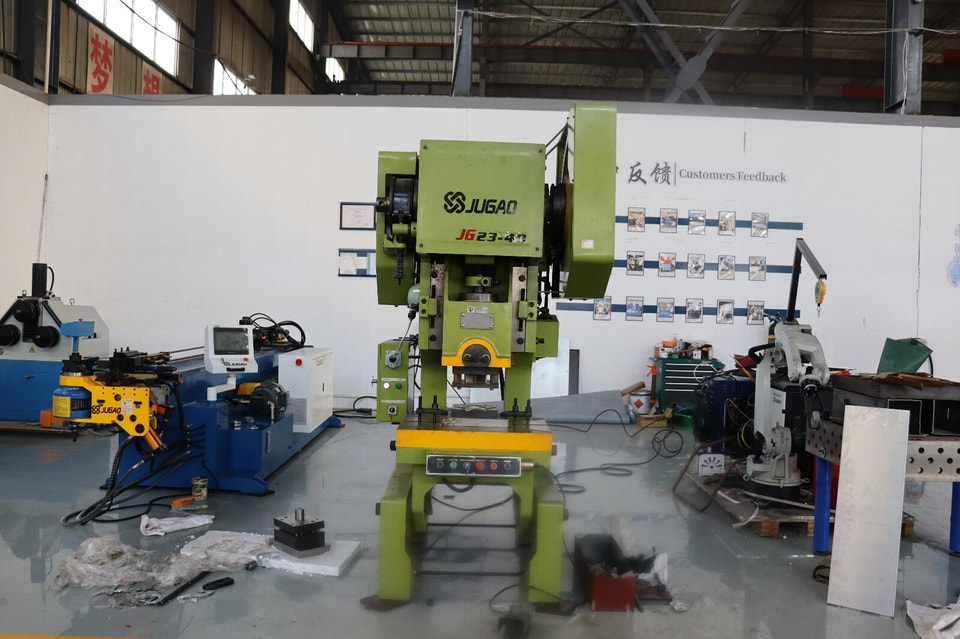 Selecting the Top Punching Machines for Small Workshops & Heavy Industry
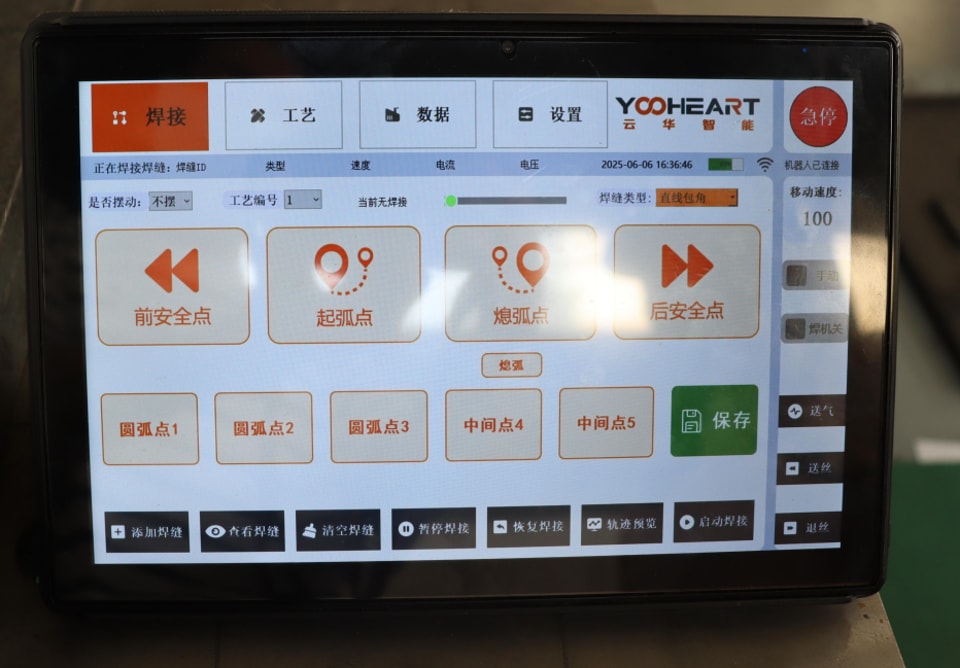 How do you set the welding path for a robotic laser welding machine? Can it perform precise welding on complex workpieces?
Engineering review
Send a drawing.
Get an engineer.
Standard selections answered within 4 hours. Parts outside the rules get a written process review within 24 hours.
- Part drawing: DXF, DWG, STEP or PDF
- Material and thickness
- Longest bend or cut length
- Yearly volume
Write to info@ntjugao.com or message the factory on WhatsApp +86 132 2211 1178.
Drawings (DXF, DWG, STEP, PDF): attach them to an email to info@ntjugao.com, quoting your name.