
Welding Positioner Operation Tutorial
2026-04-20

A welding positioner is a widely used device in the welding industry, helping operators complete welding tasks more efficiently and accurately. Whether you are a beginner or an experienced operator, mastering the basic operation of a welding positioner is crucial. This tutorial will provide a detailed introduction to operating a welding positioner, helping you quickly get started and become proficient in using this equipment.
Welding Positioner Operation Tutorial
I. Understanding the Basic Structure and Functions of a Welding Positioner
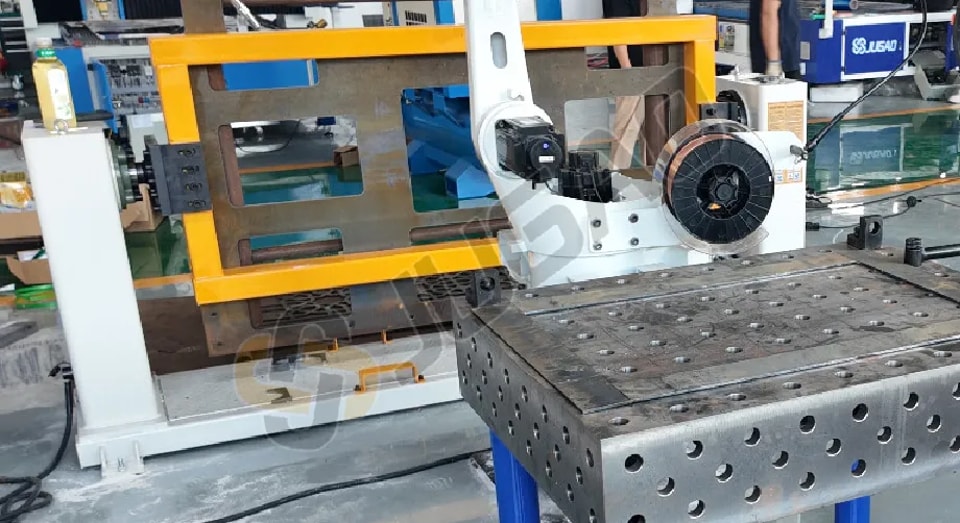
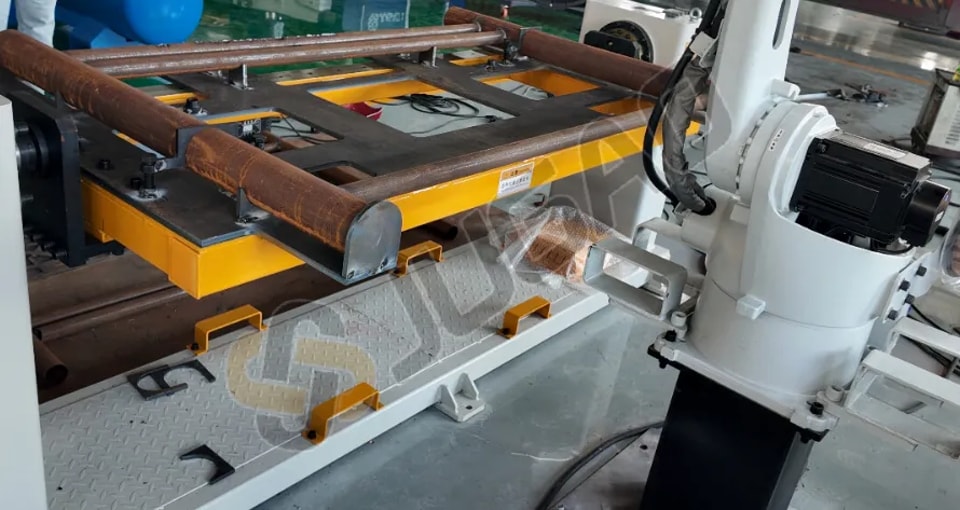
Before starting operation, it is essential to have a clear understanding of the basic structure and functions of a welding positioner. A welding positioner mainly consists of the following parts:
Worktable: Used to place the workpiece to be welded. The worktable can typically be adjusted in multiple directions, including rotation and tilt, to meet the needs of different welding positions.
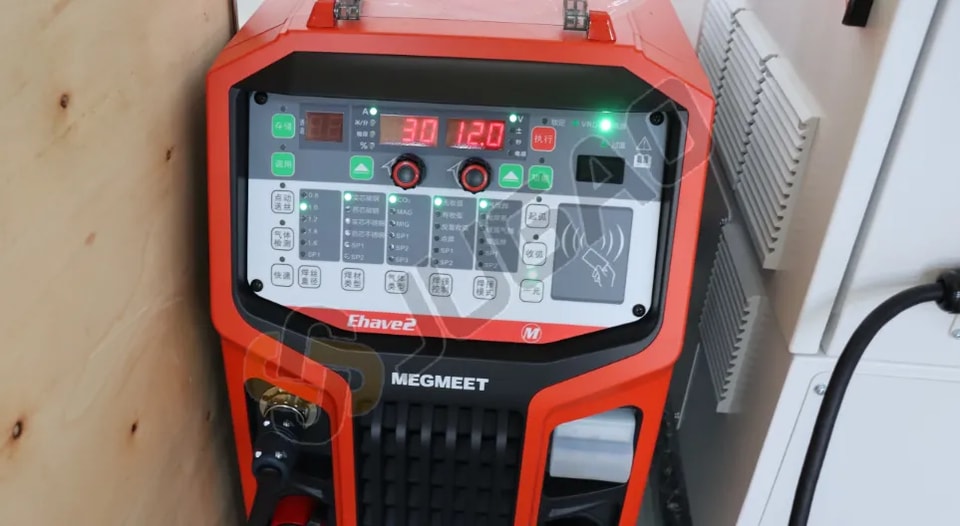
Drive System: Includes a motor and transmission device, used to drive the movement of the worktable. The drive system can usually be accurately controlled through a control panel. Control Panel: This is the core component for operating the welding positioner. The control panel allows you to set parameters such as the worktable's movement speed and angle, and to start or stop the equipment.
Safety Devices: To ensure safe operation, welding positioners are typically equipped with safety devices such as emergency stop buttons and safety railings.
II. Pre-Operation Preparations
Adequate preparation before operating the welding positioner is crucial. This not only ensures the equipment's proper functioning but also prevents unnecessary accidents.
Equipment Inspection: Before starting the equipment, a comprehensive inspection of the welding positioner is necessary. This includes checking that all components are securely installed, that the motor and transmission are functioning correctly, and that the indicator lights on the control panel are working properly. If any problems are found, they should be repaired or adjusted promptly.
Clean the Work Area: Ensure the work area is clean and free of obstructions. This not only prevents accidents during operation but also improves work efficiency. Wearing Protective Equipment: High temperatures and sparks are generated during welding; therefore, operators must wear protective gloves, safety glasses, and work clothes to ensure their safety.
Welding Positioner
III. Basic Operating Procedures of the Welding Positioner
(I) Equipment Start-up
Connecting the Power Supply: Plug the power cord of the welding positioner into a suitable power outlet and ensure the power voltage meets the equipment's requirements.
Starting the Equipment: Turn on the power switch on the control panel. The equipment will perform a self-test. During the self-test, the indicator lights on the control panel will flash, indicating that the equipment is checking the status of each component. After the self-test is complete, the equipment will enter standby mode, at which point operation can begin.
(II) Workpiece Installation
Placing the Workpiece: Place the workpiece to be welded stably on the worktable, ensuring accurate positioning for subsequent welding operations. If the workpiece is irregularly shaped or heavy, clamps or supports can be used to fix it to the worktable to prevent movement during welding. Adjusting the workpiece position: Adjust the angle and position of the worktable using the operation buttons on the control panel to place the welding area of the workpiece in the optimal welding position. During the adjustment process, a rough adjustment can be performed first to roughly adjust the workpiece to a suitable position, and then a fine adjustment can be made to ensure the accuracy of the welding area.
(III) Equipment Operation
Setting parameters: According to the requirements of the welding process, set the movement speed, rotation angle, and other parameters of the worktable on the control panel. Different welding tasks may require different parameter settings, so adjustments need to be made according to the actual situation during operation.
Starting operation: After setting the parameters, press the start button on the control panel, and the worktable will start moving according to the preset parameters. During equipment operation, the operator needs to closely observe the movement status of the worktable to ensure that it runs smoothly and without abnormalities. If any abnormality is found in the equipment operation, the emergency stop button should be pressed immediately to stop the equipment operation and check the cause of the equipment failure.
(IV) Stopping the equipment
Stopping operation: When the welding task is completed, press the stop button on the control panel, and the worktable will stop moving. After the equipment stops operating, it needs to be inspected to ensure it is in a safe condition.
Shutting down the equipment: After completing the welding task, turn off the power switch on the control panel to disconnect the power supply to the equipment. Before turning off the power, it is recommended to adjust the worktable to its initial position so that you can quickly start operating next time.
IV. Precautions during operation
Safety first: Safety is always the most important thing during the entire operation of the welding positioner. Operators must strictly follow the operating procedures, use the equipment correctly, and always pay attention to their own safety.
Avoid overloading: Welding positioners are designed with certain load limits. Operators should avoid exceeding the rated load of the equipment during use to prevent damage to the equipment or affecting the welding quality.
Regular maintenance: To ensure the normal operation and service life of the welding positioner, regular maintenance and upkeep are required. This includes cleaning the equipment, checking the wear and tear of various parts, and replacing damaged parts.
V. Common Problems and Solutions
Unstable Equipment Operation: If the worktable is found to be running unevenly during operation, it may be due to insecure installation or uneven load on the worktable. In this case, check the installation to ensure it is secure; also check if the workpieces on the worktable are placed stably, and readjust the workpiece positions if necessary.
Unresponsive Control Panel: If the buttons on the control panel are not functioning properly, it may be due to poor power contact or a malfunction of the control panel. First, check if the power plug is properly inserted and if the power voltage is normal; if the power supply is not the problem, the control panel may be faulty and requires professional repair.
Inaccurate Welding Position: If the welding position is inaccurate, it may be due to inaccurate adjustment of the worktable or decreased equipment precision. During operation, carefully adjust the position of the worktable to ensure the welding area is in the optimal position; also, regularly maintain and calibrate the equipment to ensure its precision.
In conclusion, this concludes the introductory tutorial for operating a welding positioner. Through the above content, you should now have a clear understanding of the basic operation of a welding positioner. In actual operation, as long as you strictly follow the operating procedures and pay attention to safety and equipment maintenance, you will definitely be able to master the operating skills of the welding positioner and improve the efficiency and quality of welding work.
Contact Us