 Get a quote
Resources
Welding Defects in Laser Welding Machines
During the laser welding process, improper selection of welding materials, welding environment, and welding process can easily lead to welding defects. These defects not only affect the aesthetics of the welded parts but also their usability. So, how do defects occur during laser welding?

1. Welding Cracks:
Welding hot cracks refer to cracks that occur when the weld and heat-affected zone metal cool to a high-temperature region near the solidus line during the welding process. They are generally classified as high-temperature cracks and low-temperature cracks. In laser welding, due to the relatively small heat input of the laser, the small amount of welding deformation, and the relatively small stress generated, high-temperature cracks generally do not occur. However, due to differences in materials and improper selection of process parameters, high-temperature cracks can sometimes occur. Cracks that occur in high-strength steel and low-alloy steel during welding at temperatures below the Ms point or below 300℃ are called low-temperature cracks.
2. Defects in Weld Appearance:
In laser welding, the appearance shape of the weld is crucial for improving the quality of structural components and parts. Therefore, controlling the shape of the weld is essential during the laser welding process. Common surface defects in laser welding include: weld buildup, undercut, weld concavity and depression, weld interruption or uneven thickness, uneven weld surface, porosity, and weld beads.
Laser welding machines are green and energy-efficient welding equipment, offering advantages over traditional welding machines such as faster welding speed, smaller heat-affected zone, and smoother weld surfaces. However, improper use can still lead to welding defects. This reminds us that following welding procedures and proper operation are crucial for achieving good welding results when using laser welding machines.
Related
Keep
reading.
 Comparison of Laser Welding Results and Application Scenarios Across Different Materials
 How to Choose Between Air-Cooled and Water-Cooled Laser Welding Systems
 Understanding Punching Machines: Principles, Types, and Selection
 How can one effectively follow the installation guidelines for a pipe-bending machine?
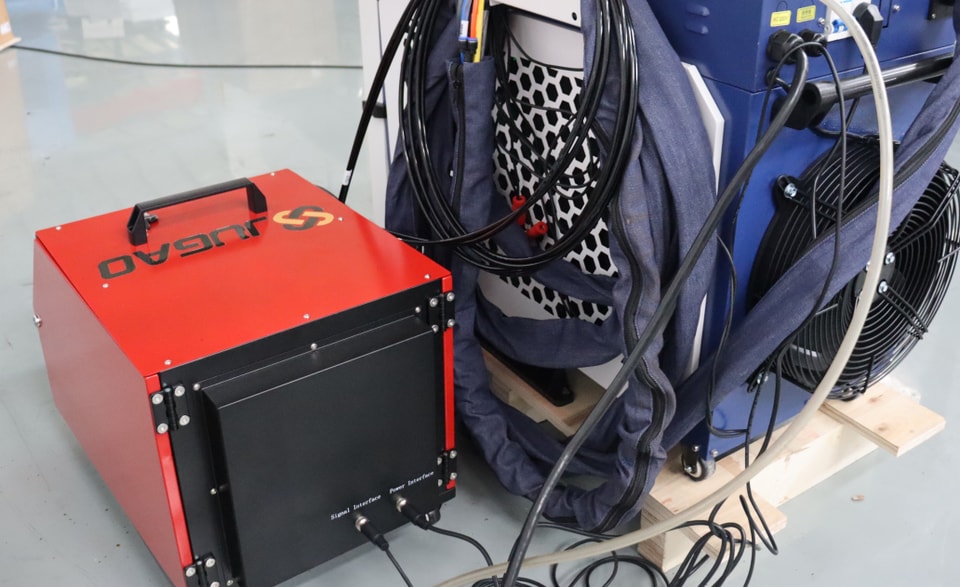 For which types of products is an automatic wire-feeding laser welding machine suitable?
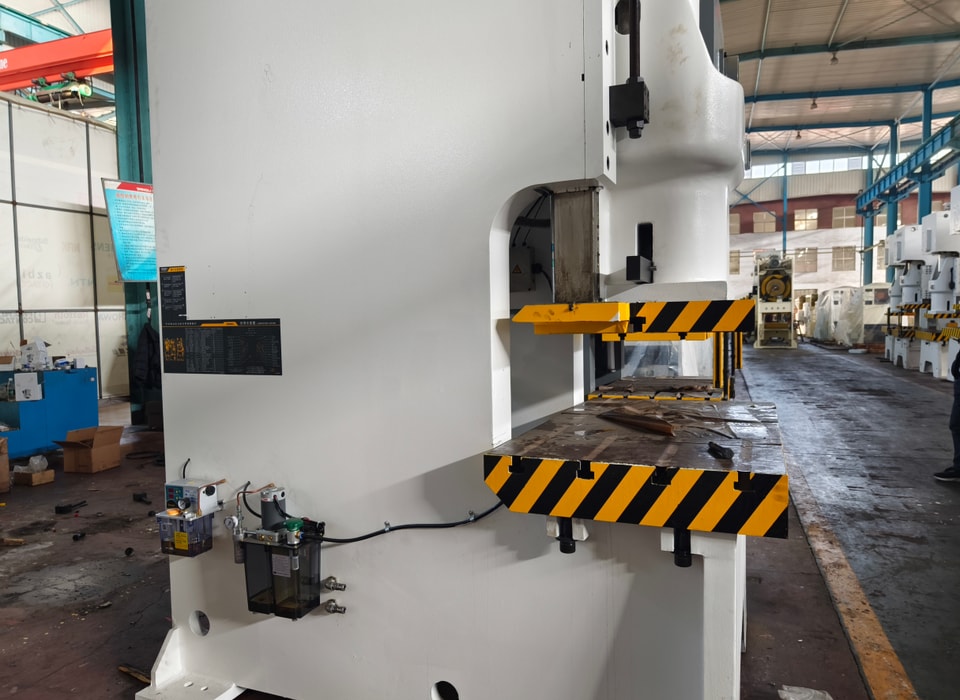 What Are the Latest Punching Machine Trends and Technological Breakthroughs?
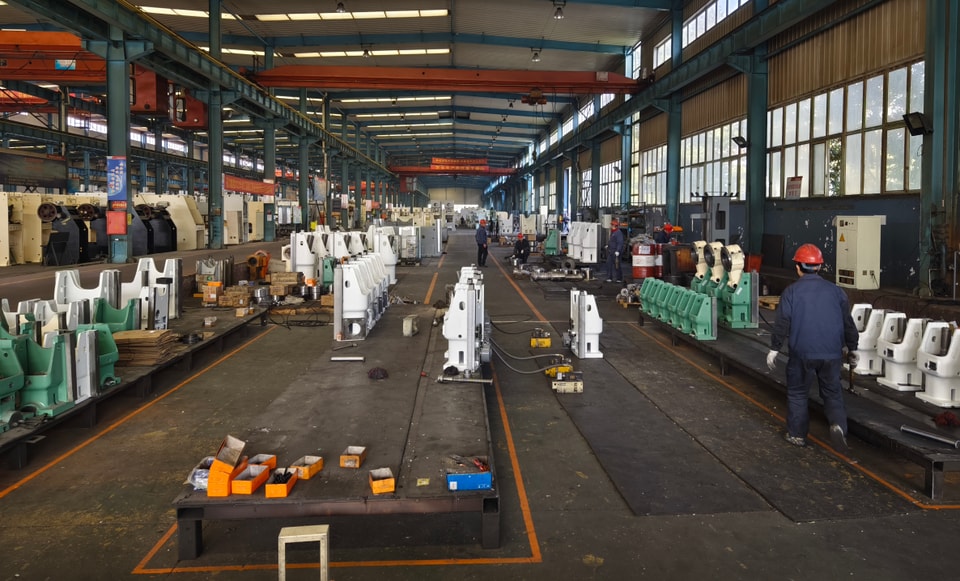 What Triggers Punching Machine Noise and How Can You Quieten It?
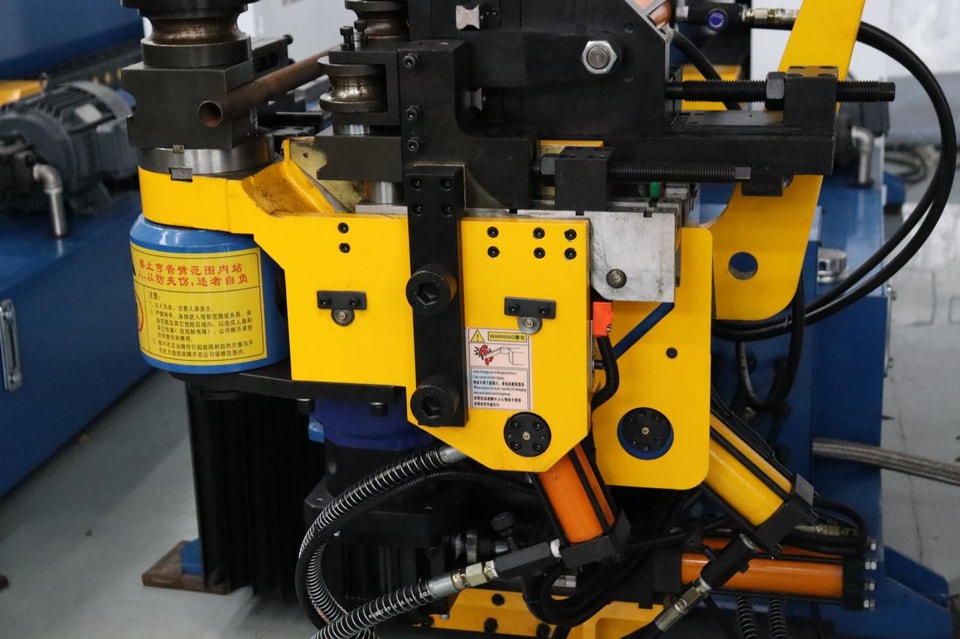 What factors influence the replacement cycle of wear parts in a pipe-bending machine?
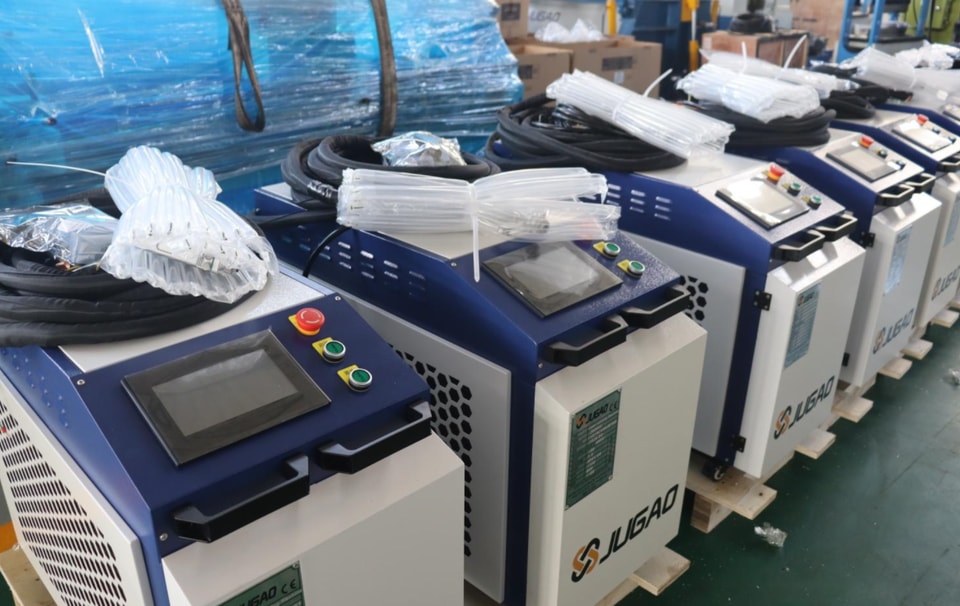 Beyond price, what key parameters should you consider when purchasing welding equipment?
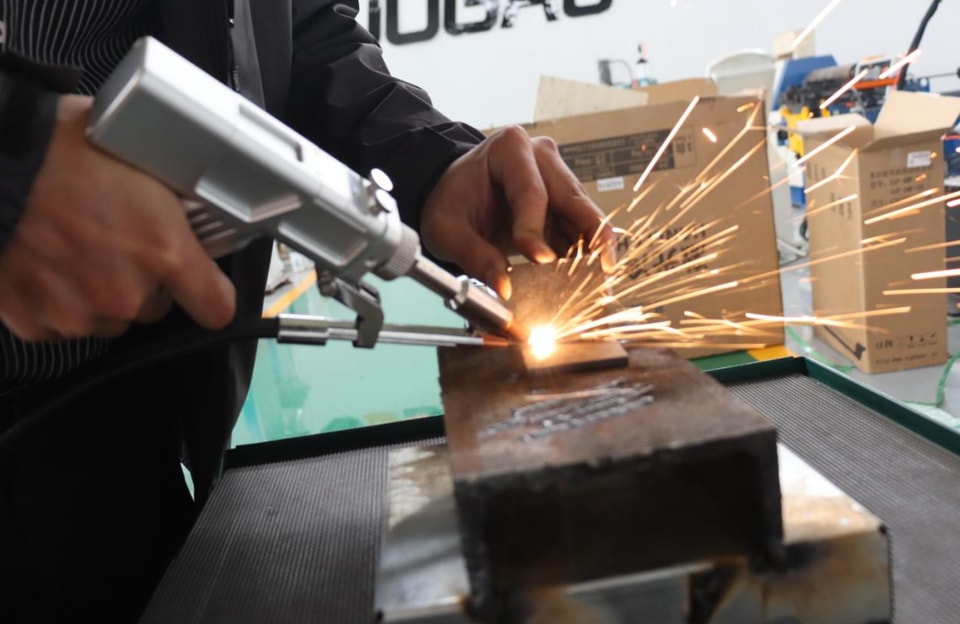 4 Common Methods for Inspecting Weld Quality
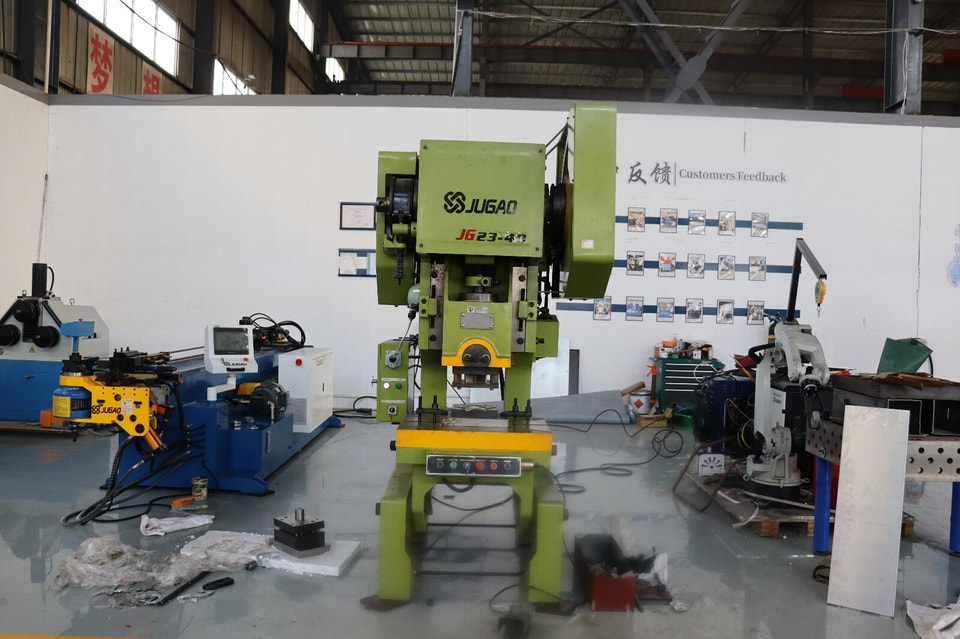 Selecting the Top Punching Machines for Small Workshops & Heavy Industry
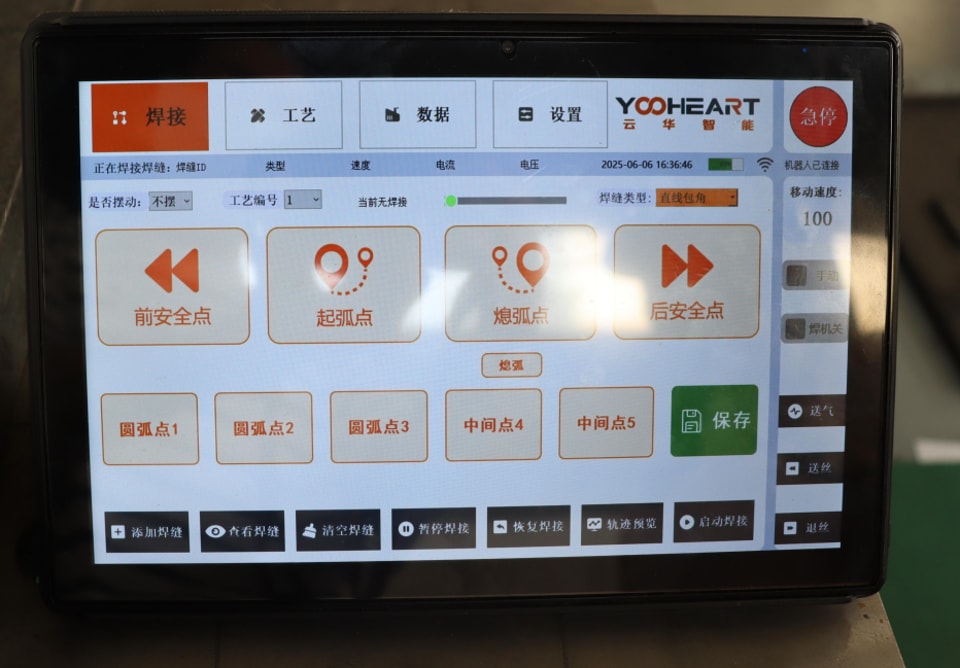 How do you set the welding path for a robotic laser welding machine? Can it perform precise welding on complex workpieces?
Engineering review
Send a drawing.
Get an engineer.
Standard selections answered within 4 hours. Parts outside the rules get a written process review within 24 hours.
- Part drawing: DXF, DWG, STEP or PDF
- Material and thickness
- Longest bend or cut length
- Yearly volume
Write to info@ntjugao.com or message the factory on WhatsApp +86 132 2211 1178.
Drawings (DXF, DWG, STEP, PDF): attach them to an email to info@ntjugao.com, quoting your name.