 Get a quote
Resources
Repairing and maintaining a pipe bending machine are completely different things.
Having spent a lot of time in the workshop, I've noticed a common phenomenon: many owners equate "repair it when it breaks down" with maintenance. They neglect the equipment until it breaks down completely, then frantically call for repairs.
In fact, repair and maintenance are two entirely different concepts. Confusing them can at least halve the lifespan of your equipment.
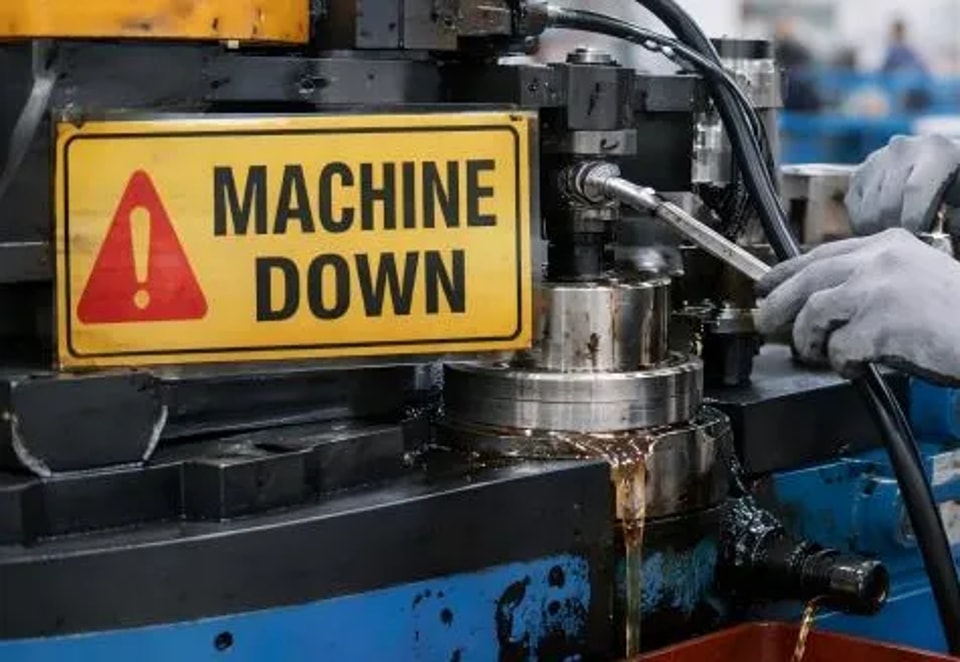
Maintenance is like "preventing disease," while repair is like "addressing an emergency."
Maintenance refers to the proactive tasks you perform while the equipment is still running normally. For example, applying grease to the guide rails weekly, cleaning the electrical cabinet monthly, changing the hydraulic oil filter quarterly, and calibrating the angle sensor annually. These tasks aren't urgent, but neglecting them will inevitably lead to problems sooner or later.
Repair, on the other hand, is what you do when the equipment is already broken. For example, replacing the seal on a leaking hydraulic cylinder, rewinding the coil of a burnt-out motor, or replacing the bearing on a stuck bending arm. At this point, production has already stopped, and the situation is critical.
A simple analogy: Maintenance is like brushing your teeth daily and having regular checkups; doing so prevents toothaches. Repair is like having a severe toothache that forces you to get it pulled—painful, expensive, and disruptive to work.
Why do so many people only repair but not maintain?
Simply put, it boils down to three words: laziness, cost-saving, and procrastination.
"Too much work today, I'll put in the gas tomorrow"—and the guide rail wears out. "The filter is still usable, I'll replace it next month"—and impurities jam the valve. "It's not too loud, let me run it a bit longer"—and the bearing breaks.
In the end, it's about saving small amounts of money now and spending a lot later. Replacing a set of guide rails costs over 20,000 yuan, while a can of grease only costs a few dozen yuan.

The difference between maintenance and repair can be explained in a few words:
In terms of timing, maintenance is performed according to plan when the equipment is functioning normally, while repair is initiated after a malfunction. In terms of who can perform it, maintenance can be done by operators and team leaders, while repair requires specialized technicians. In terms of cost, maintenance costs a small amount (oil, filters, labor), while repair costs a large amount (parts, labor, and production losses due to downtime). In terms of purpose, maintenance aims to prevent malfunctions and extend lifespan, while repair aims to restore function and handle emergency repairs. In terms of state, maintenance is proactive and deliberate, while repair is urgent and reactive.
Maintenance saves you money proactively, while repairs burn through your wallet passively. Treat your pipe bending machine well, and it won't break down halfway through your journey so often. Spending a few minutes each day before turning it on to check, wipe, and listen to it is a hundred times less troublesome than having to repair it after it breaks down.
Related
Keep
reading.
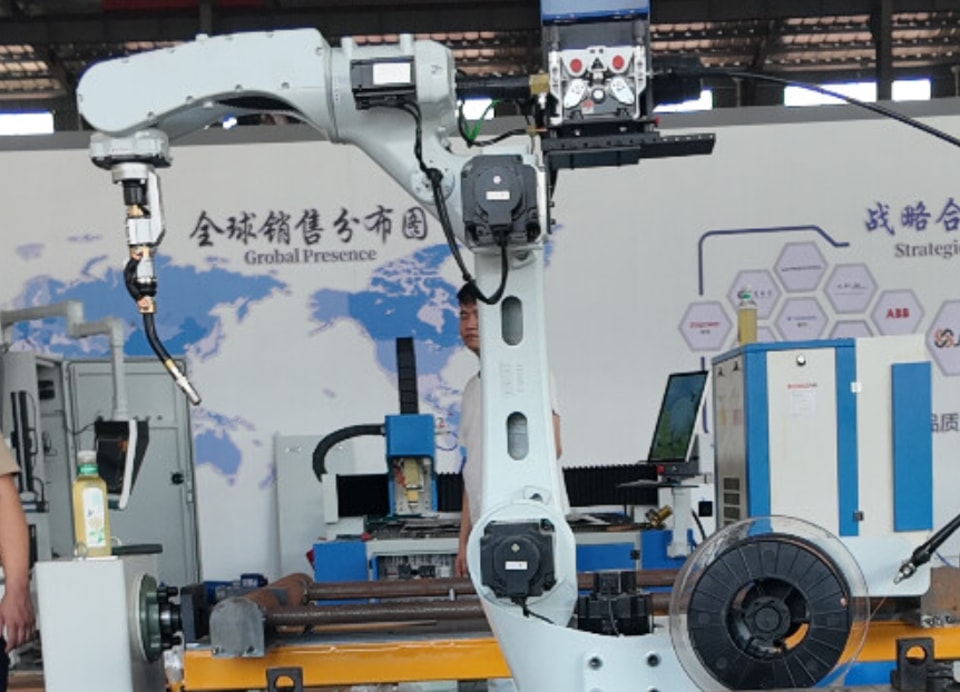 Comparison of Laser Welding Results and Application Scenarios Across Different Materials
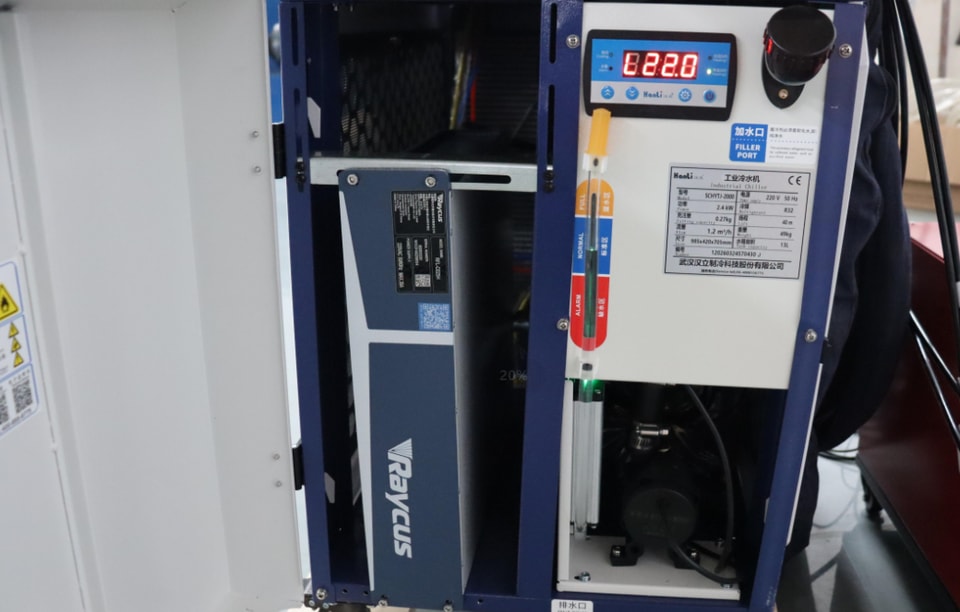 How to Choose Between Air-Cooled and Water-Cooled Laser Welding Systems
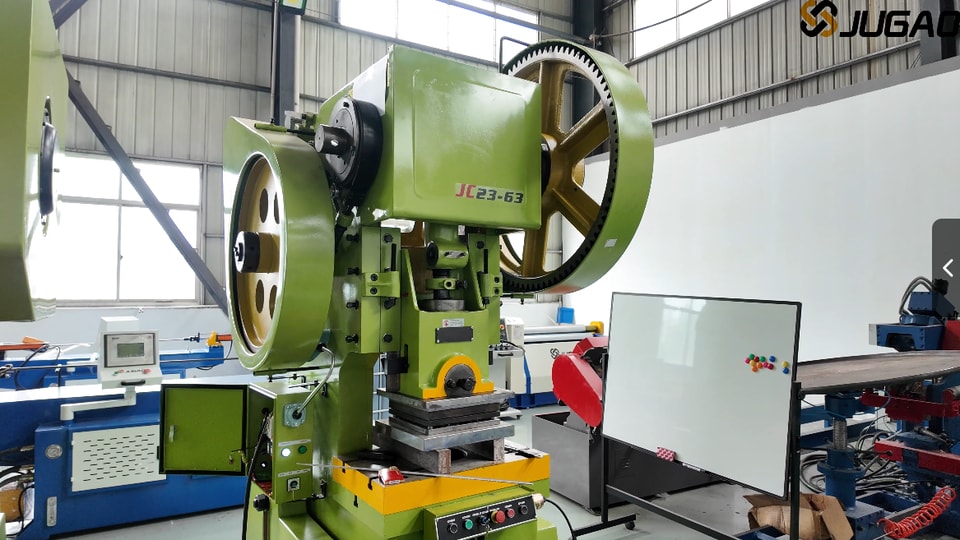 Understanding Punching Machines: Principles, Types, and Selection
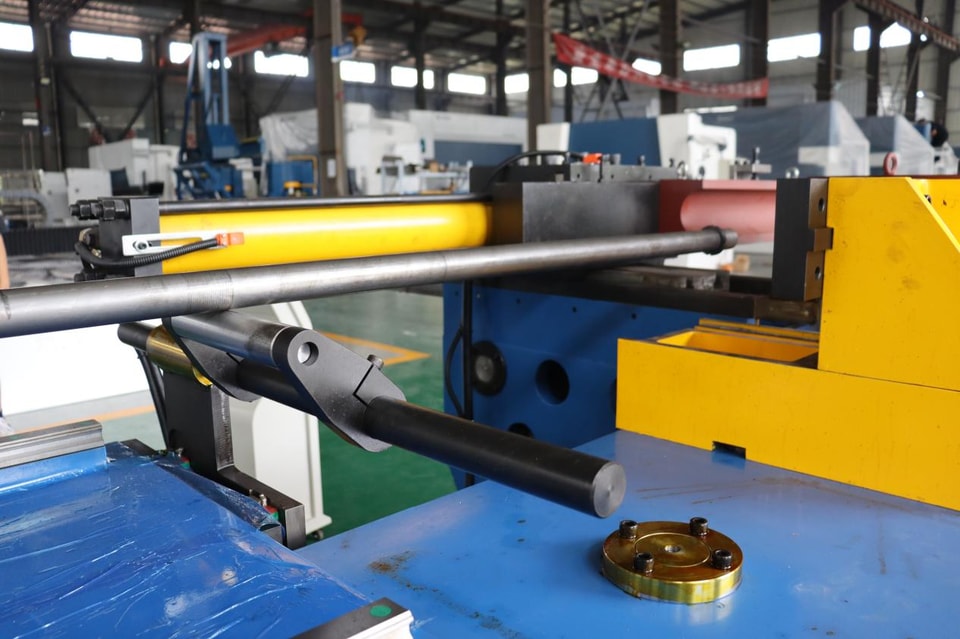 How can one effectively follow the installation guidelines for a pipe-bending machine?
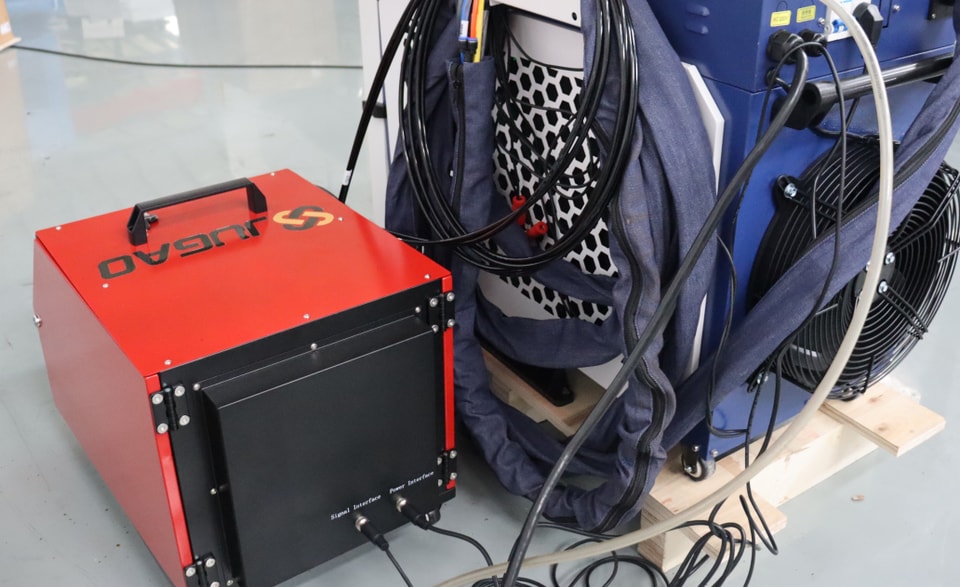 For which types of products is an automatic wire-feeding laser welding machine suitable?
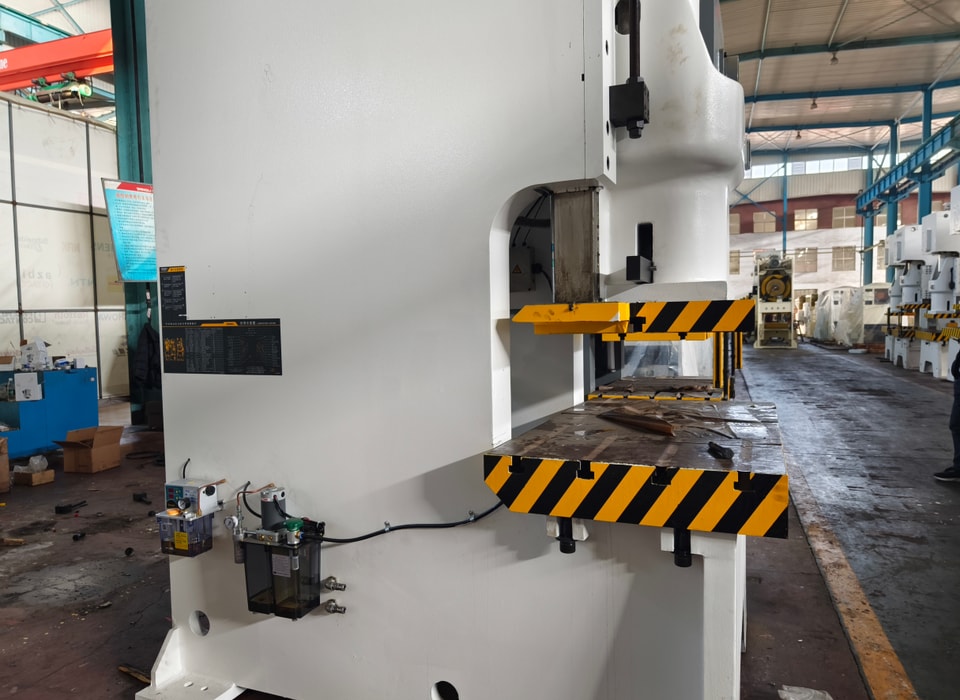 What Are the Latest Punching Machine Trends and Technological Breakthroughs?
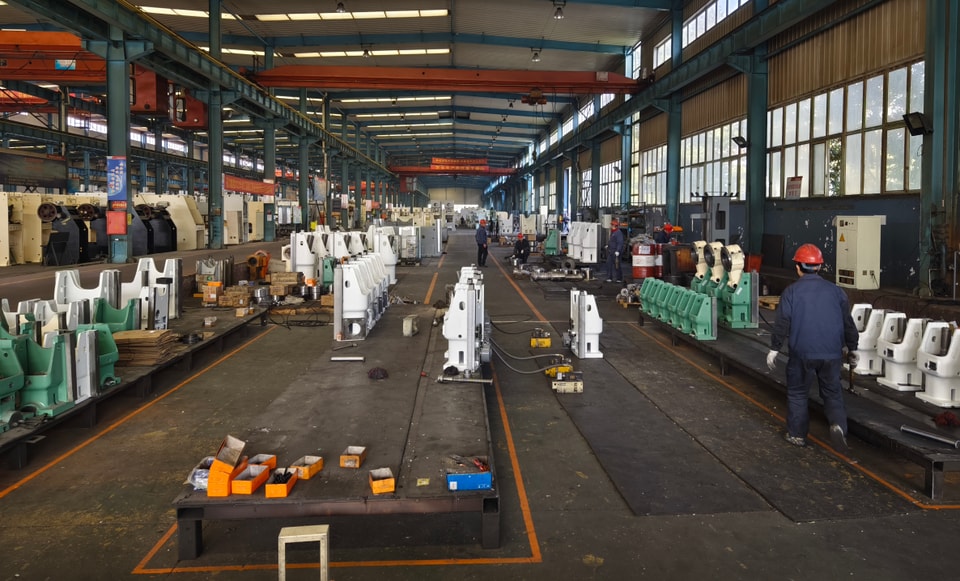 What Triggers Punching Machine Noise and How Can You Quieten It?
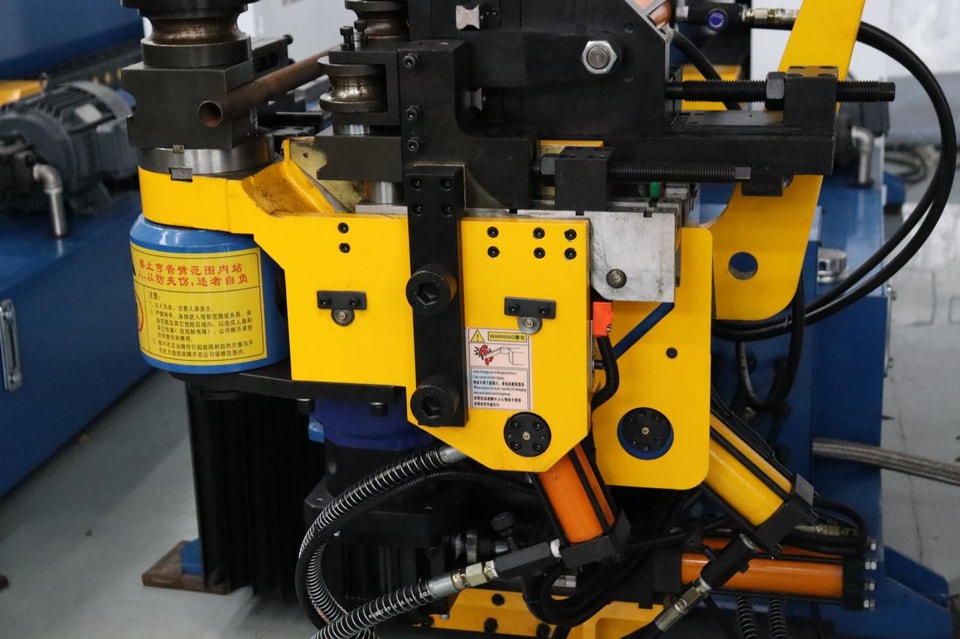 What factors influence the replacement cycle of wear parts in a pipe-bending machine?
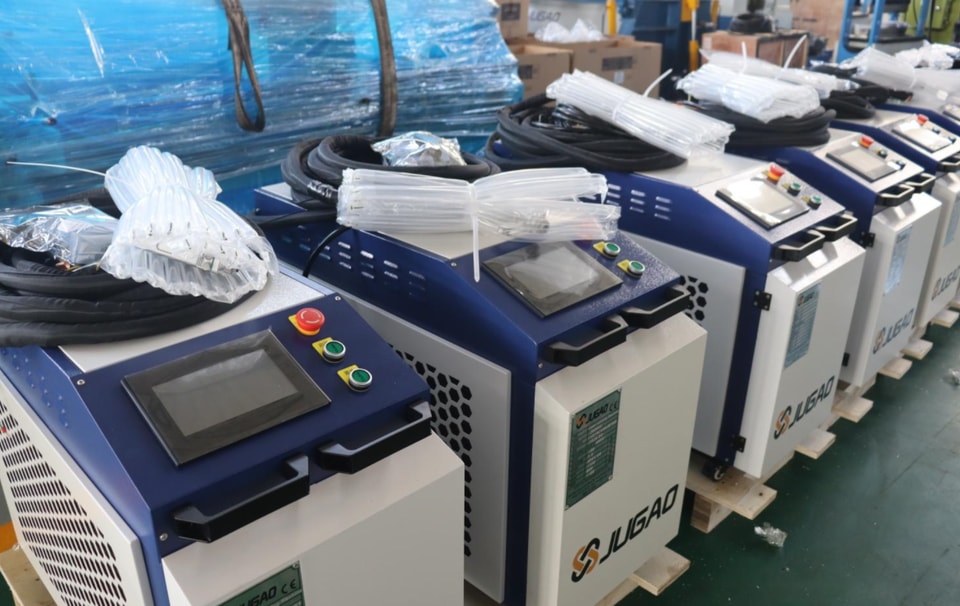 Beyond price, what key parameters should you consider when purchasing welding equipment?
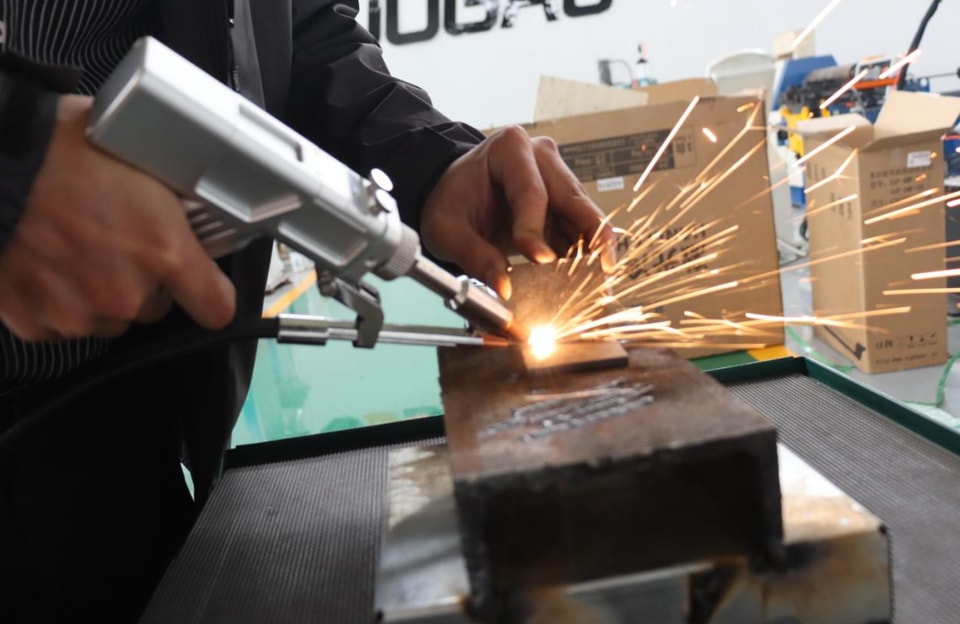 4 Common Methods for Inspecting Weld Quality
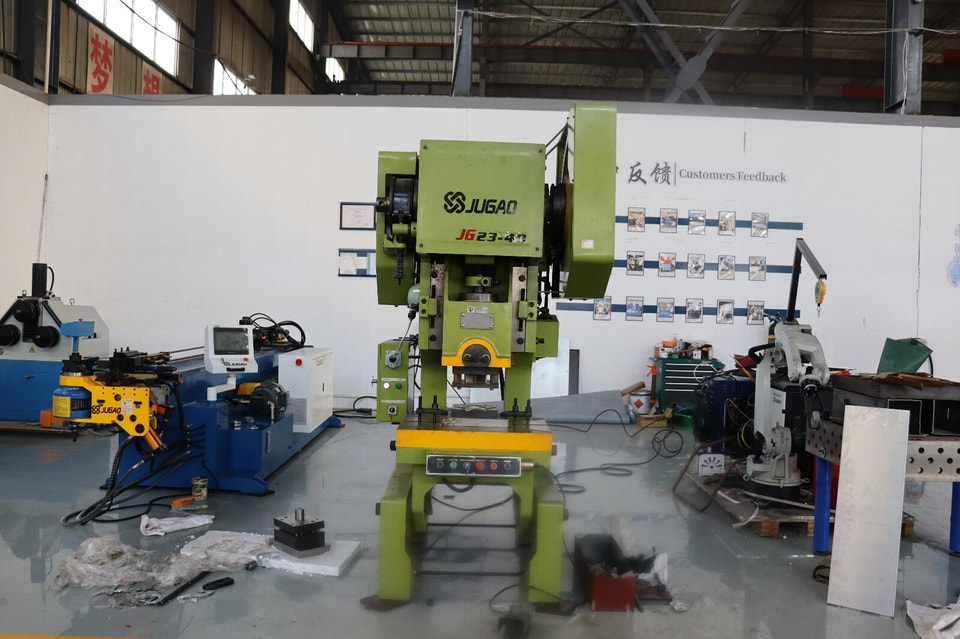 Selecting the Top Punching Machines for Small Workshops & Heavy Industry
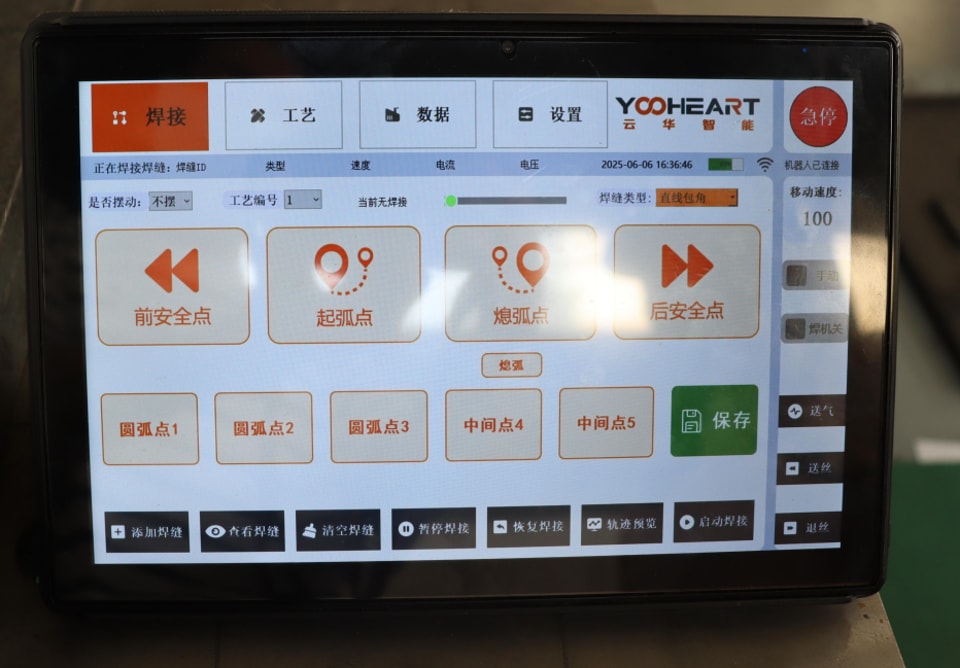 How do you set the welding path for a robotic laser welding machine? Can it perform precise welding on complex workpieces?
Engineering review
Send a drawing.
Get an engineer.
Standard selections answered within 4 hours. Parts outside the rules get a written process review within 24 hours.
- Part drawing: DXF, DWG, STEP or PDF
- Material and thickness
- Longest bend or cut length
- Yearly volume
Write to info@ntjugao.com or message the factory on WhatsApp +86 132 2211 1178.
Drawings (DXF, DWG, STEP, PDF): attach them to an email to info@ntjugao.com, quoting your name.