
Quick Solutions to Wear Problems of Press Brake Ball Screws
2026-04-24

Table of Contents
• Understanding Wear of Press Brake Ball Screws
○ Common Signs of Ball Screw Wear in Press Brakes
• Quick Fixes for Press Brake Ball Screw Wear
○ Step 1: Check the Ball Screw Status
○ Step 2: Measure Backlash and Clearance
○ Step 3: Clean the Ball Screw Components
○ Step 4: Perform Standard Lubrication
○ Step 5: Adjust or Replace the Ball Nut
○ Step 6: Recalibrate the Backgauge System
• Preventive Maintenance for Press Brake Ball Screws
○ Regular Inspection
○ Standardized Lubrication Plan
○ Contamination Protection
○ Machine Load Monitoring
• Frequently Asked Questions
○ How to Judge Whether a Press Brake Ball Screw Needs Replacement
○ Is It Feasible to Keep Using a Worn Press Brake Ball Screw
○ Recommended Maintenance Frequency for Press Brake Ball Screws
• Conclusion
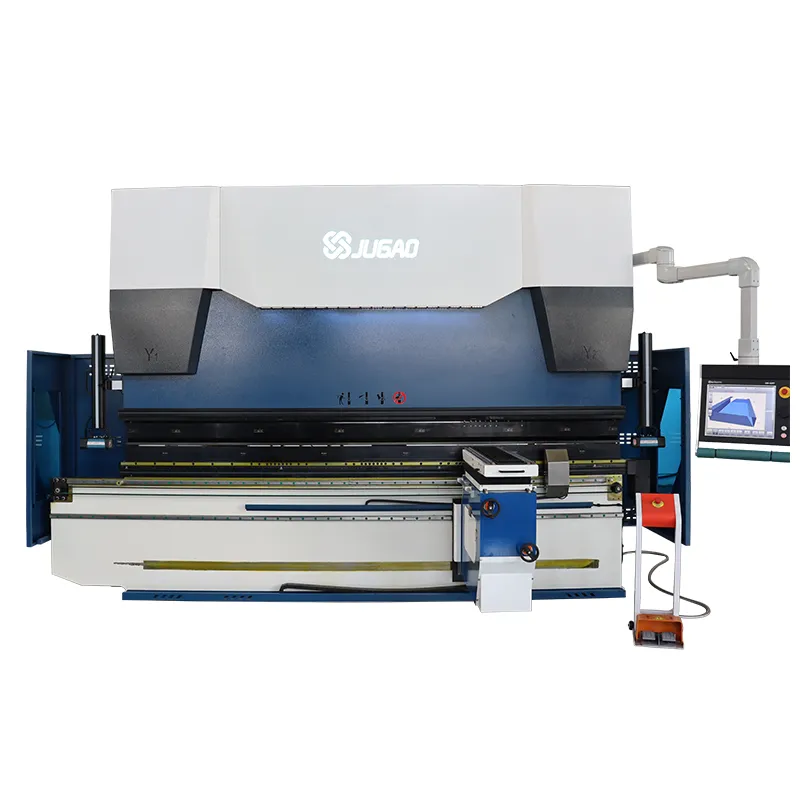
The ball screw is a core component of the press brake, which undertakes the key tasks of precise positioning of the backgauge and stable operation of the equipment. When problems such as reduced machining accuracy, abnormal operation sound, and unstable positioning occur in the press brake, the wear of the ball screw is often the main cause. This guide will detail the rapid identification and repair methods of ball screw wear, helping to restore the equipment’s operation accuracy and maintain efficient working status of the press brake.
Understanding Wear of Press Brake Ball Screws
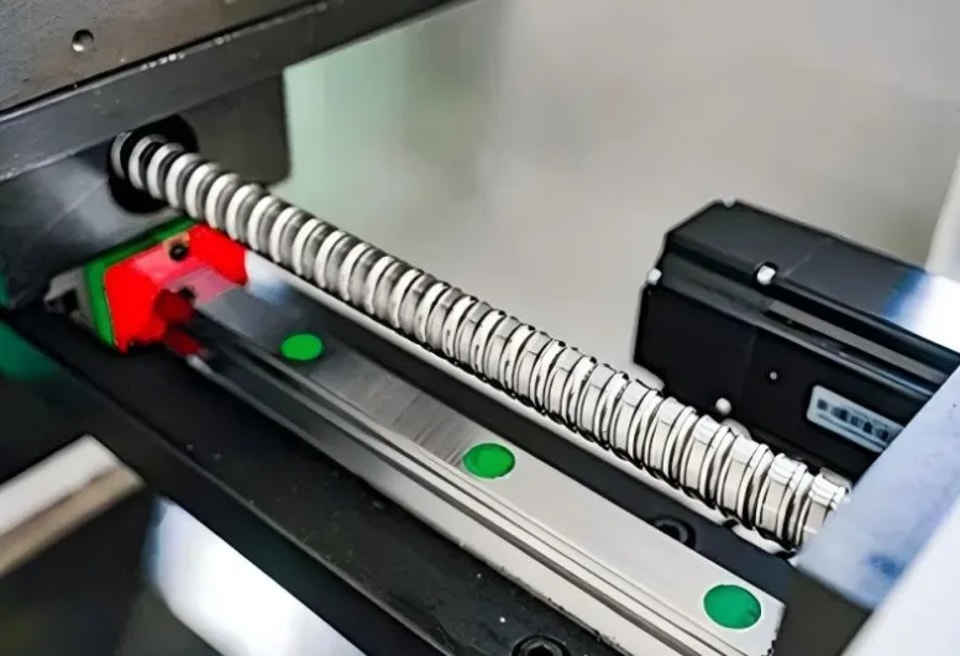
The ball screw in the press brake backgauge system is responsible for converting rotary motion into accurate linear displacement. In the long-term operation process, factors such as continuous use, non-standard lubrication, and external contamination will accelerate the wear of the ball screw. Once wear occurs, it will directly affect the positioning accuracy, repeated operation stability of the equipment, and ultimately reduce the bending quality of processed parts.
Common Signs of Ball Screw Wear in Press Brakes
1. Decline in Positioning Accuracy
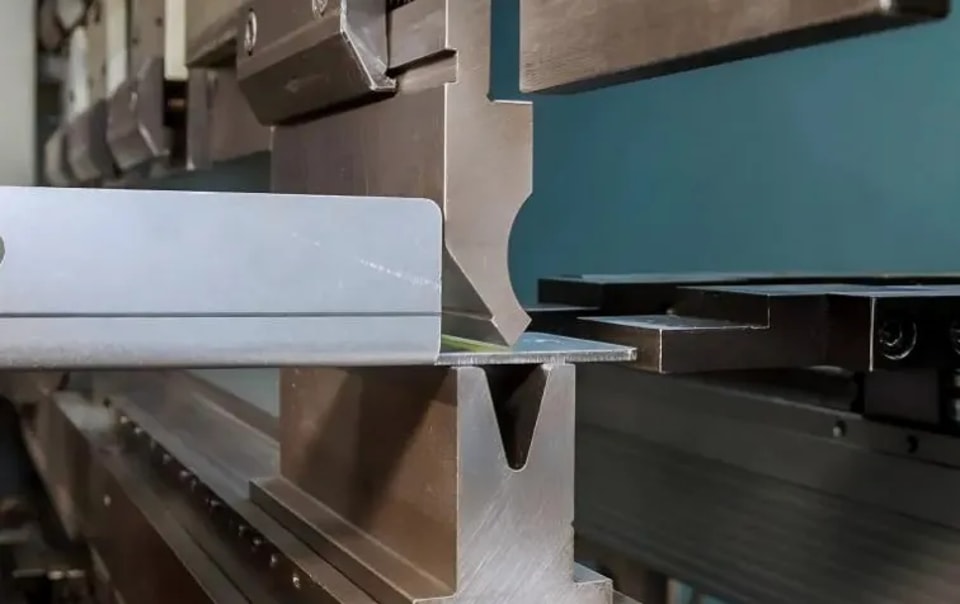
If the backgauge cannot stay at the same position stably, it usually means the ball screw is worn. This problem will lead to inconsistent bending angles of parts and obvious differences in product specifications.
2. Abnormal Sound During Operation
Grinding, clicking and other unusual sounds are typical early warning signals, which are mostly caused by internal damage of the ball screw or insufficient lubrication.
3. Increased Backlash and Looseness
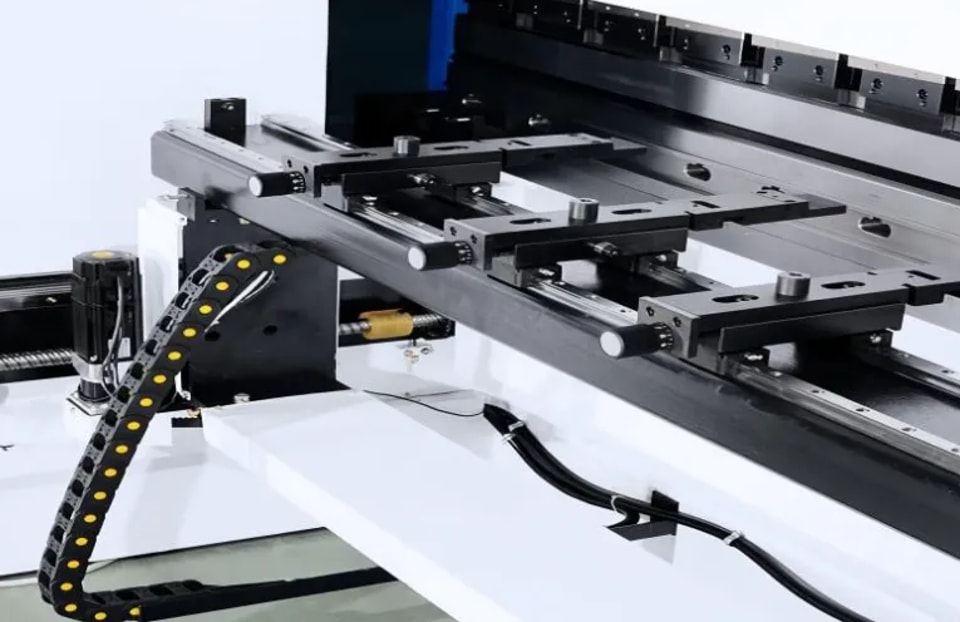
Excessive axial movement or obvious looseness in the backgauge system is a direct manifestation of the wear of the ball screw or ball nut.
4. Unstable or Stagnant Movement
The worn ball screw will cause the backgauge to move unevenly or pause during operation, resulting in unstable equipment operation.
Quick Fixes for Press Brake Ball Screw Wear
Step 1: Check the Ball Screw Status
First, conduct a visual inspection of the press brake ball screw, focusing on checking surface scratches, pitting corrosion, discoloration and other wear traces. Rotate the screw manually to feel the smoothness of operation. If there is obvious resistance or unsmooth movement, targeted maintenance is needed immediately.
Step 2: Measure Backlash and Clearance
Use a dial indicator to detect the backlash of the backgauge system. Excessive backlash indicates internal wear of the ball nut. When the measured data exceeds the tolerance range specified by the manufacturer, adjustment or replacement operations must be carried out.
Step 3: Clean the Ball Screw Components
Contamination is one of the main culprits causing ball screw wear. Use a clean cloth and professional cleaning agent to remove dust, metal debris and other impurities from the ball screw, and check the integrity of the protective cover to avoid secondary contamination.
Step 4: Perform Standard Lubrication
Standardized lubrication is the key to prolonging the service life of the press brake ball screw. Apply the lubricant recommended by the manufacturer evenly on the screw surface, and strictly follow the specified lubrication interval to avoid premature wear caused by lack of lubrication.
Step 5: Adjust or Replace the Ball Nut
For moderate wear, the backlash can be reduced by adjusting the preload of the ball nut. If the wear degree is serious, the most effective way is to replace the ball nut or the complete ball screw assembly.
Step 6: Recalibrate the Backgauge System
After completing the repair or replacement work, recalibrate the backgauge system. Test multiple positioning points and verify the repeated positioning accuracy to ensure the equipment’s operation accuracy is fully restored.
Preventive Maintenance for Press Brake Ball Screws
Regular Inspection
Check the press brake ball screw regularly for wear, contamination and lubrication abnormalities. Early detection of hidden dangers can effectively avoid equipment downtime and additional maintenance costs.
Standardized Lubrication Plan
Formulate a fixed lubrication plan according to the equipment usage frequency. For equipment with high operation frequency, the lubrication frequency should be increased appropriately.
Contamination Protection
Keep the protective covers and sealing parts of the ball screw in good condition, block the invasion of dust and debris, and greatly reduce the wear speed of components.
Machine Load Monitoring
Avoid overloading the press brake. Excessive working load will accelerate the wear of the ball screw and shorten its service life.
Frequently Asked Questions
How to Judge Whether a Press Brake Ball Screw Needs Replacement
If the problems of excessive backlash, continuous abnormal sound and significant loss of positioning accuracy still cannot be improved after adjustment and lubrication, it is recommended to replace the ball screw directly.
Is It Feasible to Keep Using a Worn Press Brake Ball Screw
It is not recommended to continue using it. Persistent use will aggravate component damage, reduce product processing quality, and even lead to complete failure of the backgauge system.
Recommended Maintenance Frequency for Press Brake Ball Screws
The maintenance frequency varies with the usage situation. Normally, regular inspection and lubrication should be carried out every week or after the equipment runs for a specified number of hours.
Conclusion
Rapidly solving the wear problem of the press brake ball screw is crucial to maintaining the processing accuracy and production efficiency of the equipment. By checking the component status, controlling backlash, cleaning and lubricating parts, and replacing worn components in time, the working performance of the press brake can be effectively restored.
Adhering to proactive preventive maintenance can not only prolong the service life of the equipment, but also ensure the stability of bending processing quality. If you need professional technical support or supporting replacement parts, you can contact our team at any time, and we will help you keep the press brake in optimal operating condition.
Contact Us