 Get a quote
Resources
Pipe Bending Machine Preventive Maintenance -These 5 Core Components Cannot Be Ignored!
High-precision pipe bending relies on systematic preventive maintenance. To ensure stable equipment output and avoid sudden downtime, please pay close attention to the periodic inspection and maintenance of the following components:
1. Bending Dies (Pipe Bending Dies, Clamping Dies, Press Dies, Mandrels)
Wear of the die surface, micro-cracks, or uneven clamping force are the root causes of bending wrinkles, slippage, and abnormal springback. Clean the mating surfaces each time you change the die, check the mandrel position and lubrication condition, and regularly measure the die cavity dimensional deviation.

2. Hydraulic System
This is the heart of the bending power. Regularly check the hydraulic oil level, oil cleanliness, and water content, tighten pipe joints, and verify the system pressure setting. Hydraulic oil emulsification or contamination will directly lead to insufficient bending force and creeping motion.
3. Mandrel and Guide Rail Lubrication System
Insufficient lubrication can cause mandrel scoring, scratches on the inner wall of thin-walled tubes, and even mandrel breakage. Always use the recommended high-temperature resistant, anti-wear grease, and ensure that the automatic lubrication device is dispensing oil normally and that the oil lines are not blocked.

4. Electrical and Sensor Unit
Loose encoders, erroneous limit switch signals, and abnormal PLC inputs are common causes of angle deviation and inaccurate feeding. Regularly tighten sensor brackets, clean photoelectric heads, and back up parameter programs to prevent signal drift.

5. Transmission and Mechanical Rotation Components
Spindle bearing clearance, chain tension, gearbox noise, and bending arm rotation accuracy directly affect the consistency of the bending angle. During inspection, use a dial indicator to measure spindle runout and change the reducer lubricating oil periodically.

Establishing component life tracking tables and periodic inspection checklists to eliminate potential problems before they fail is the true way to reduce costs and increase efficiency.
Related
Keep
reading.
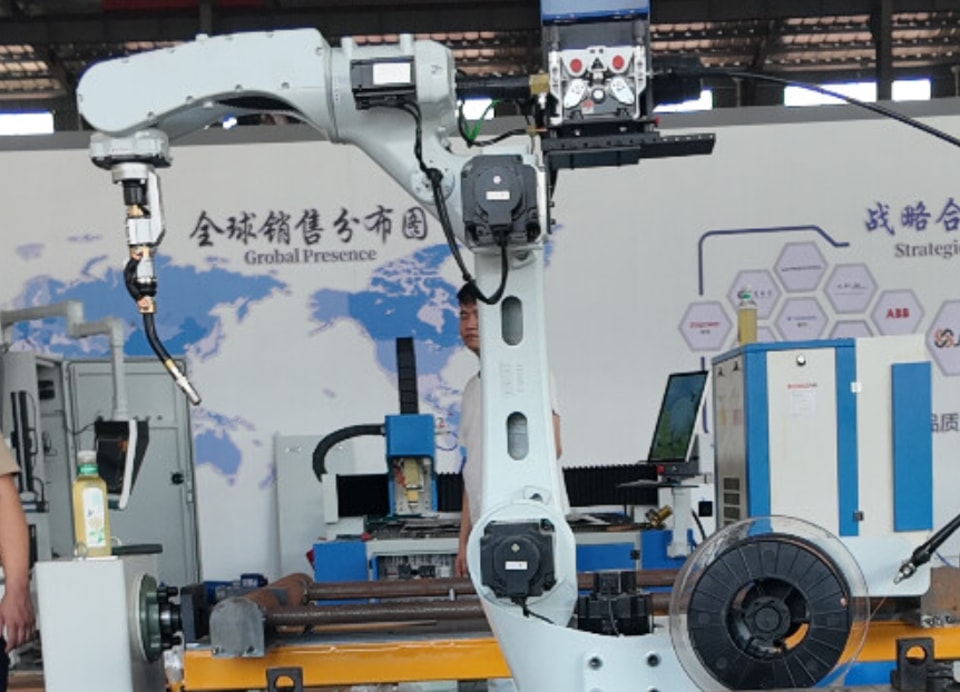 Comparison of Laser Welding Results and Application Scenarios Across Different Materials
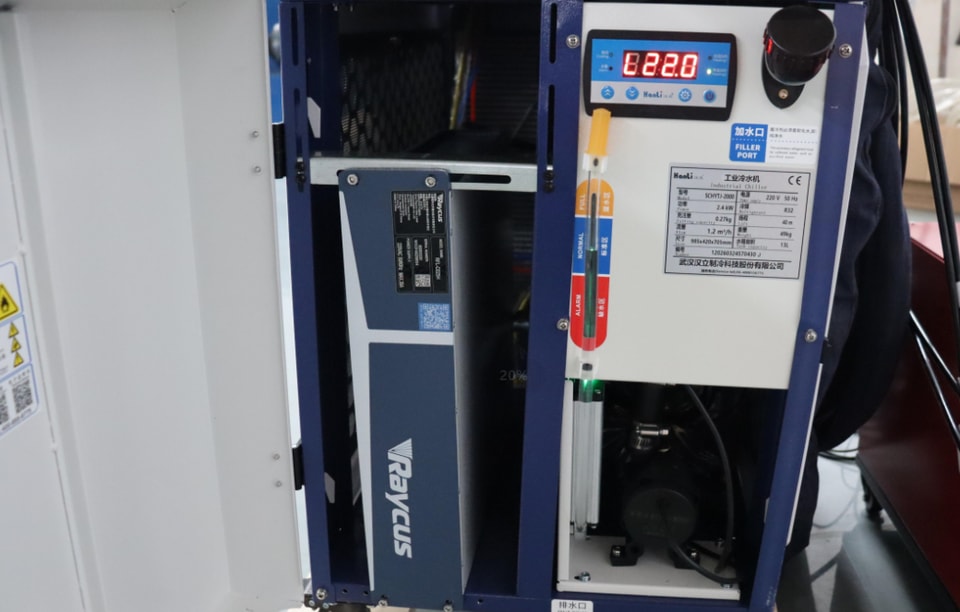 How to Choose Between Air-Cooled and Water-Cooled Laser Welding Systems
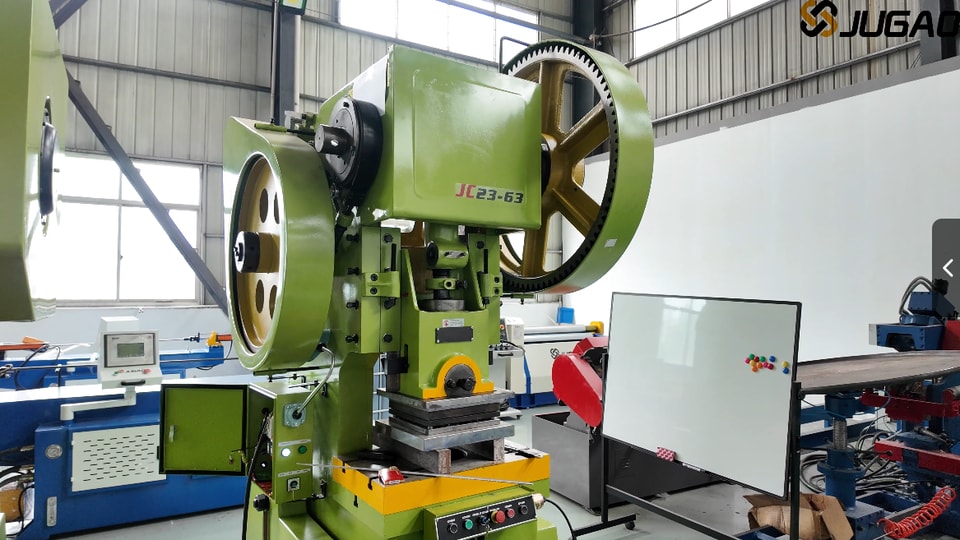 Understanding Punching Machines: Principles, Types, and Selection
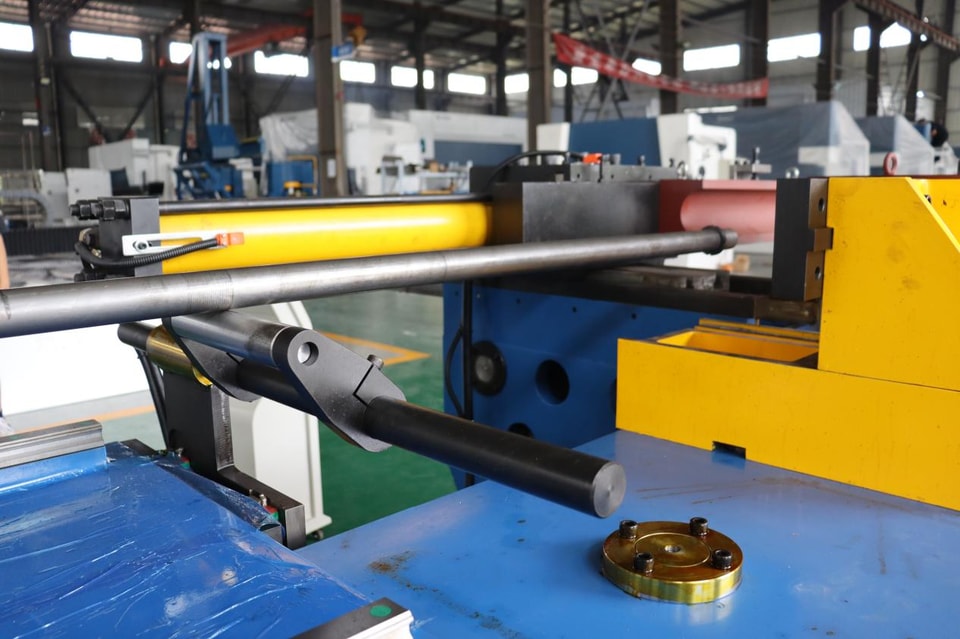 How can one effectively follow the installation guidelines for a pipe-bending machine?
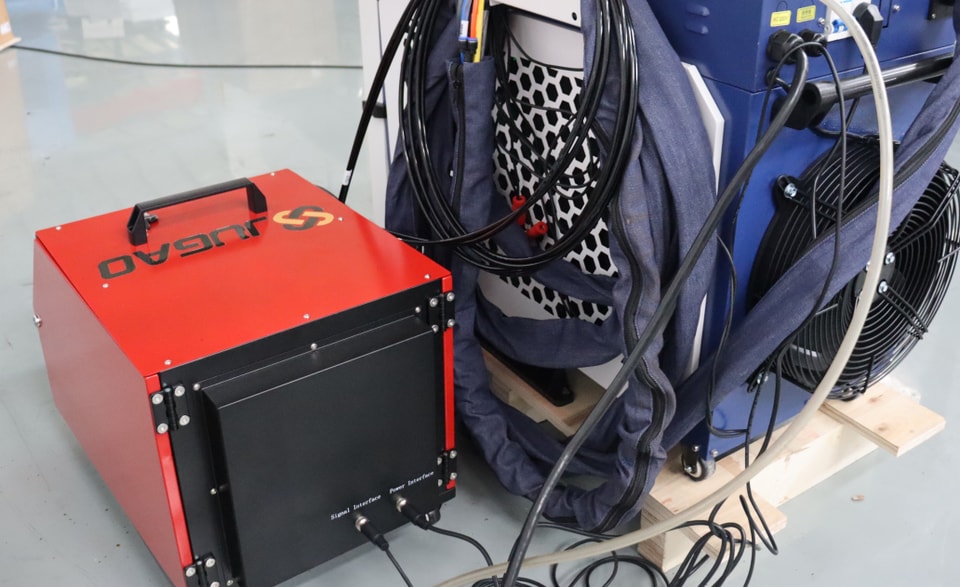 For which types of products is an automatic wire-feeding laser welding machine suitable?
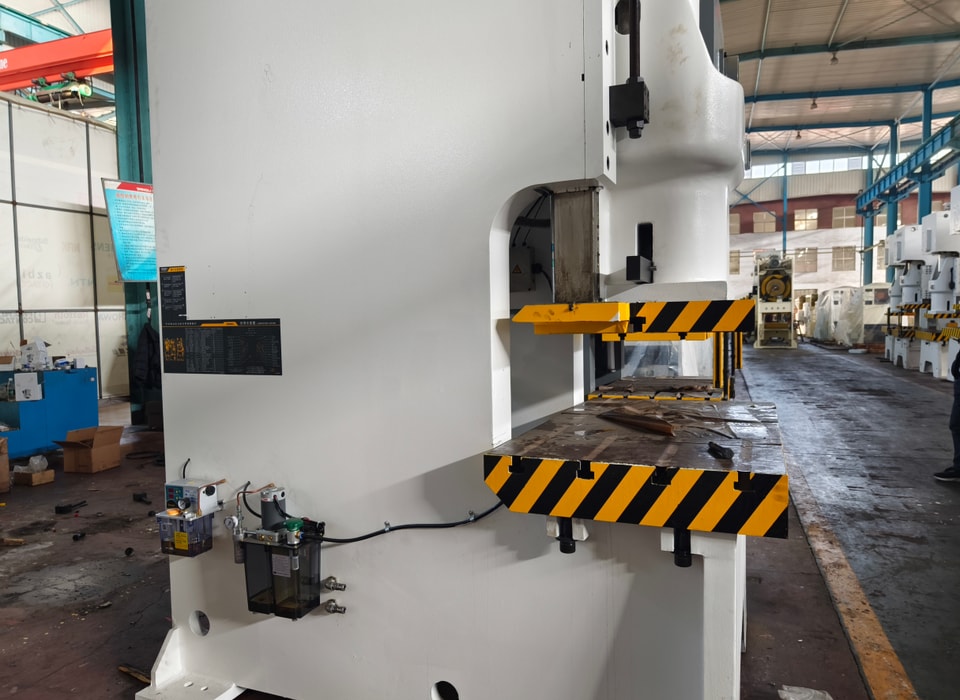 What Are the Latest Punching Machine Trends and Technological Breakthroughs?
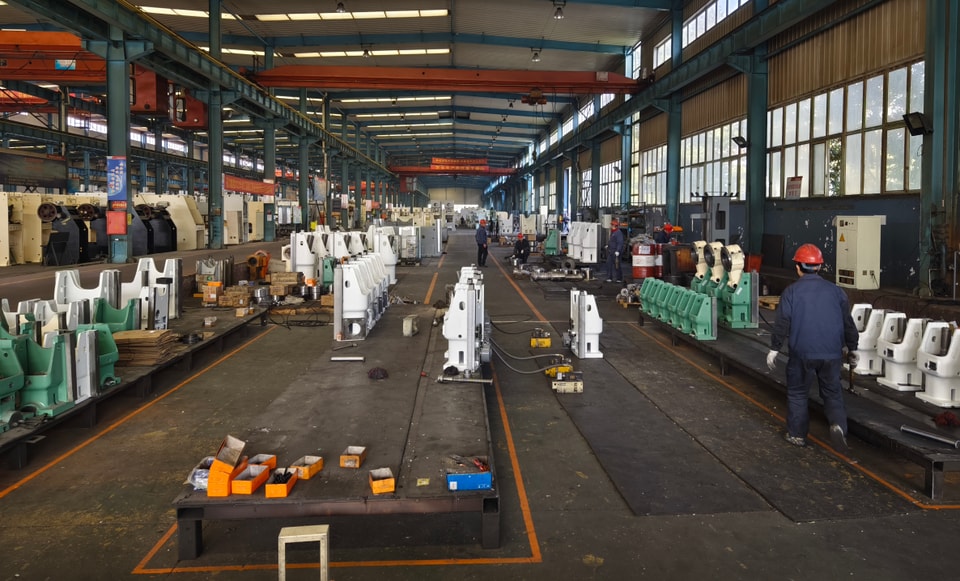 What Triggers Punching Machine Noise and How Can You Quieten It?
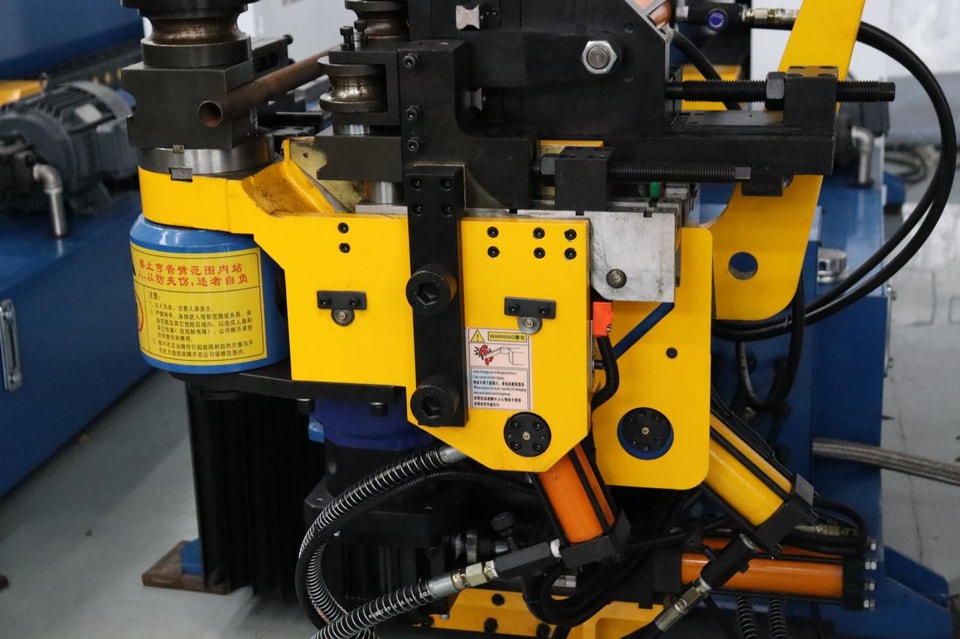 What factors influence the replacement cycle of wear parts in a pipe-bending machine?
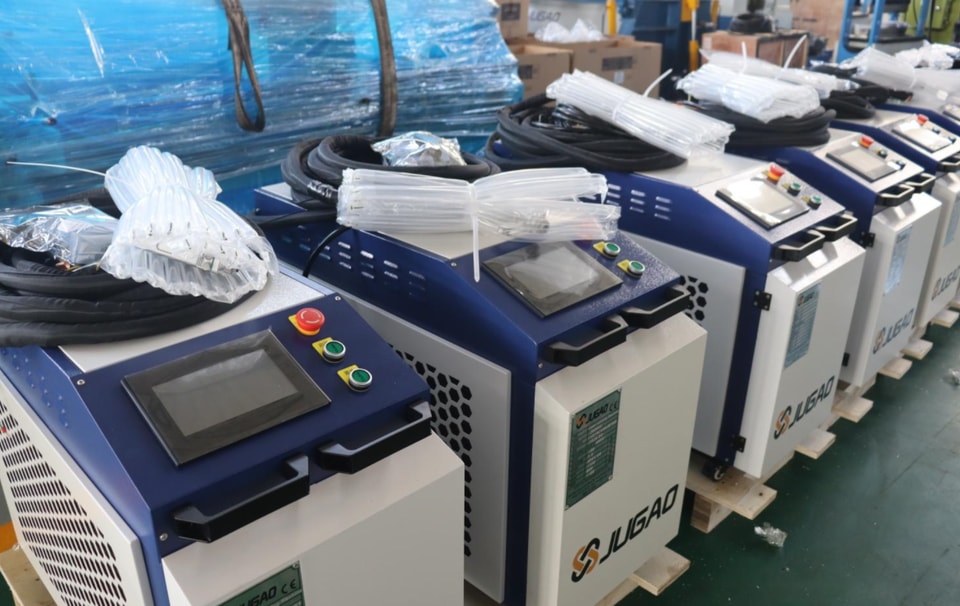 Beyond price, what key parameters should you consider when purchasing welding equipment?
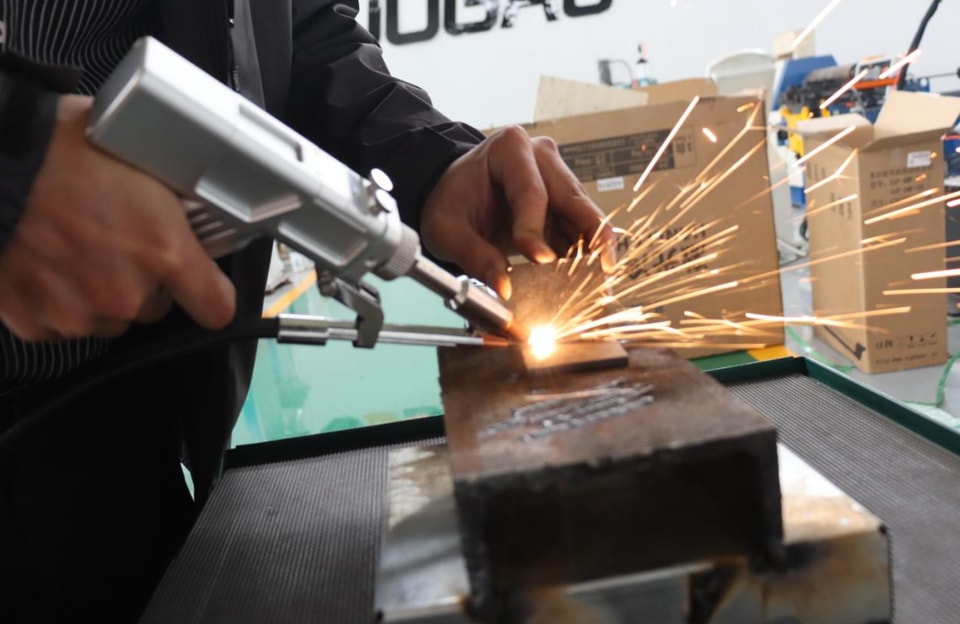 4 Common Methods for Inspecting Weld Quality
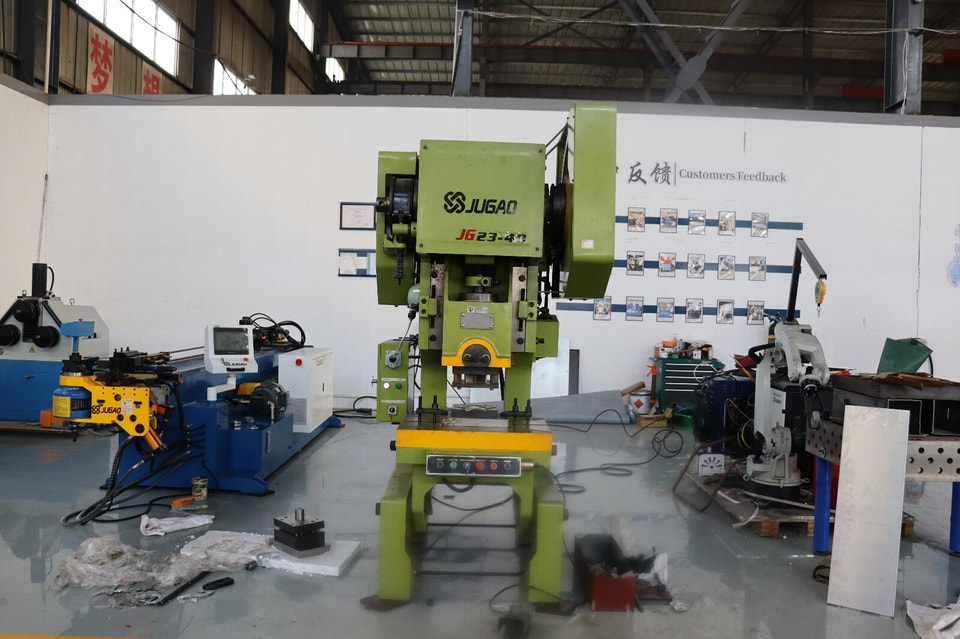 Selecting the Top Punching Machines for Small Workshops & Heavy Industry
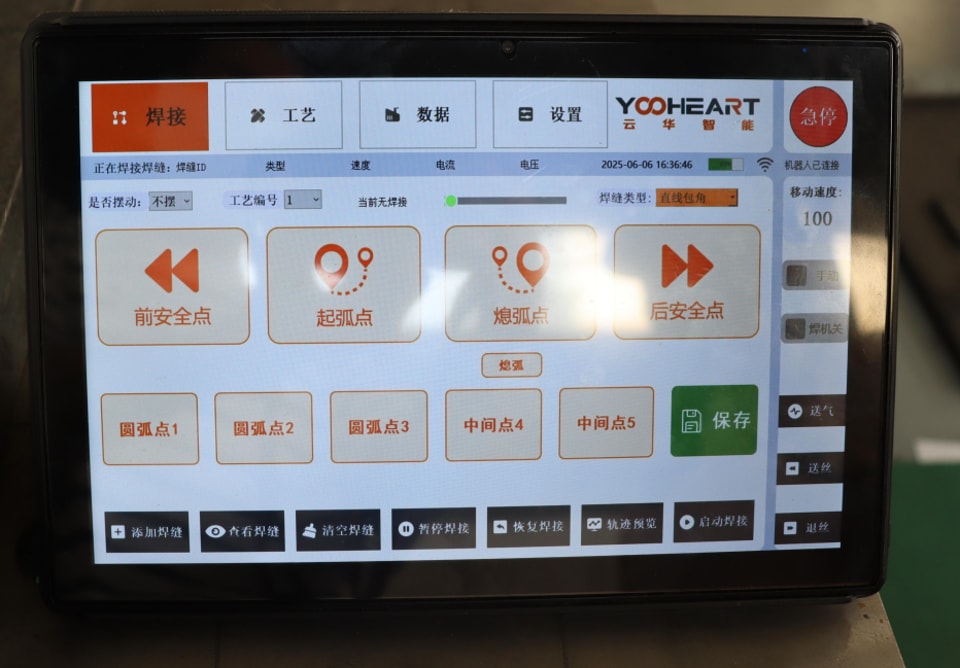 How do you set the welding path for a robotic laser welding machine? Can it perform precise welding on complex workpieces?
Engineering review
Send a drawing.
Get an engineer.
Standard selections answered within 4 hours. Parts outside the rules get a written process review within 24 hours.
- Part drawing: DXF, DWG, STEP or PDF
- Material and thickness
- Longest bend or cut length
- Yearly volume
Write to info@ntjugao.com or message the factory on WhatsApp +86 132 2211 1178.
Drawings (DXF, DWG, STEP, PDF): attach them to an email to info@ntjugao.com, quoting your name.