 Get a quote
Resources
Operator Self-Inspection-The First Line of Defense for Pipe Bending Machine Safety
Safety accidents involving pipe bending machines often stem from overlooked minor anomalies. Operator self-inspections every shift are not merely a formality, but rather a means to intercept risks before startup. The following self-inspection actions can directly improve the inherent safety of the machine:
Verify Safety Device Functionality
Press the emergency stop button before starting to test the light curtain and interlock door switch—ensure that hydraulic and spindle motion are immediately cut off when any safety circuit is triggered. This is the last line of defense against entanglement.

Inspect High-Pressure Lines and Connectors
Visually inspect hydraulic hoses for bulges, cracks, or oil leaks. Check hose clamps for looseness. High-pressure oil jets can cause severe puncture injuries; early detection of leaks eliminates the risk of jetting.
Confirm Die and Mandrel Locking
Check the torque of the clamping screws on the die, bending die, and mandrel holder to prevent loosening. During high-speed bending, flying die parts or broken mandrels are typical examples of fatal mechanical energy release.

Clean the Work Area and Ensure Foot Pedals are Anti-Slip
Remove chips, material scraps, and oil stains around the worktable. Ensure the foot switch is securely fixed and operates smoothly. Slipping or accidental pedal activation often leads to pinching or collisions.
No-load test and angle verification
Before starting the first piece, run it at low speed and listen carefully for any abnormal noises from the oil pump, motor, and chain. Observe the smoothness of the bending arm returning to zero. Abnormal vibration and zero-return deviation indicate loose internal components or brake failure.
The essence of self-inspection is to transform operators from "users" to "on-site safety guardians." Establishing and recording a 10-minute pre-shift self-inspection checklist makes safety a traceable habit.
Related
Keep
reading.
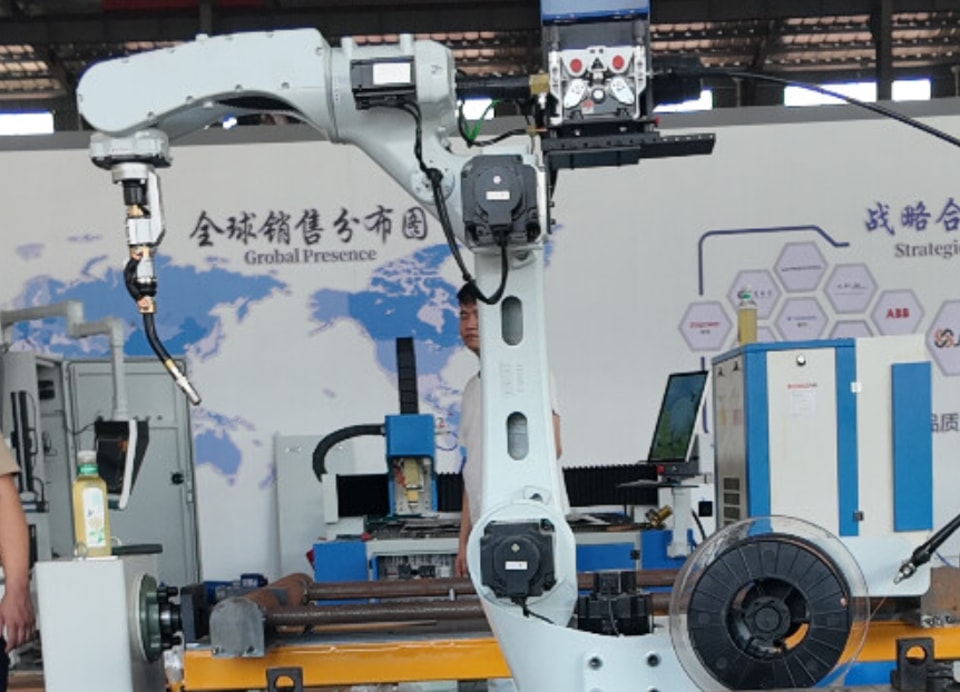 Comparison of Laser Welding Results and Application Scenarios Across Different Materials
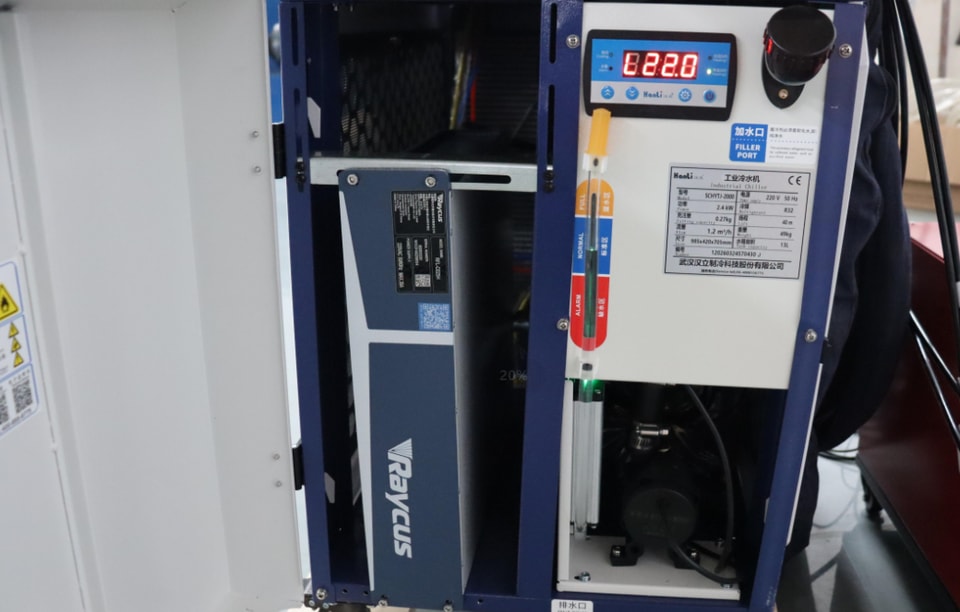 How to Choose Between Air-Cooled and Water-Cooled Laser Welding Systems
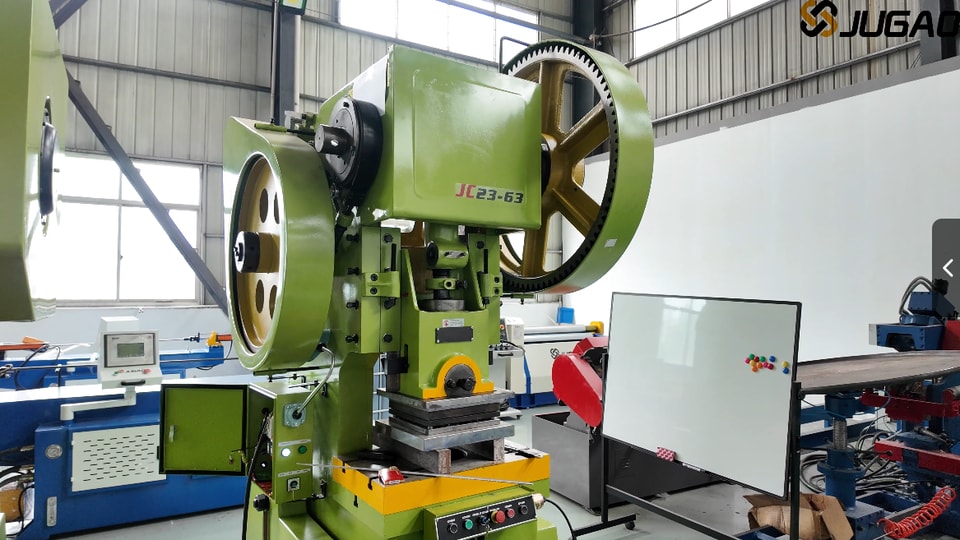 Understanding Punching Machines: Principles, Types, and Selection
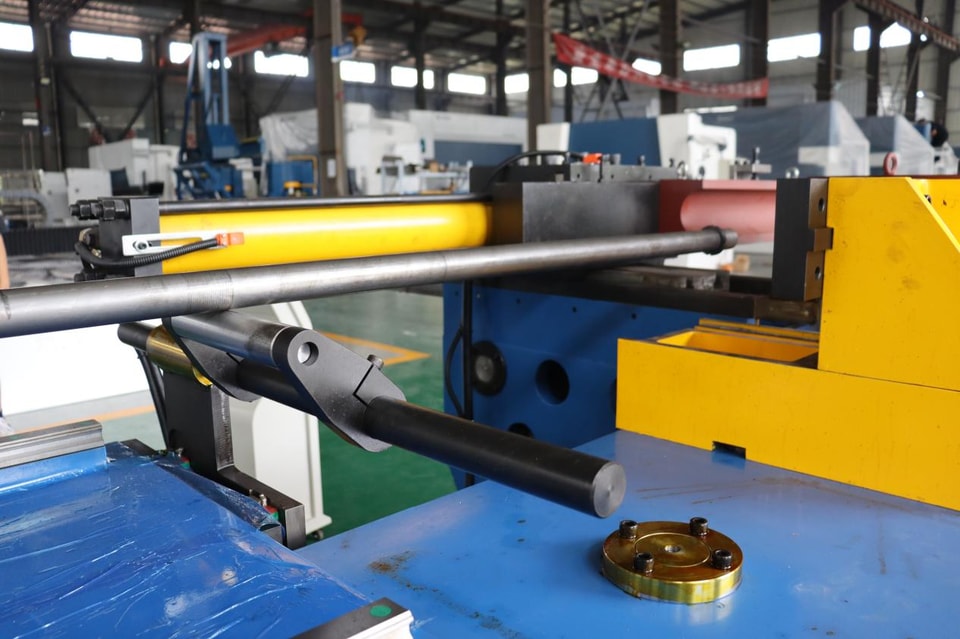 How can one effectively follow the installation guidelines for a pipe-bending machine?
 For which types of products is an automatic wire-feeding laser welding machine suitable?
 What Are the Latest Punching Machine Trends and Technological Breakthroughs?
 What Triggers Punching Machine Noise and How Can You Quieten It?
 What factors influence the replacement cycle of wear parts in a pipe-bending machine?
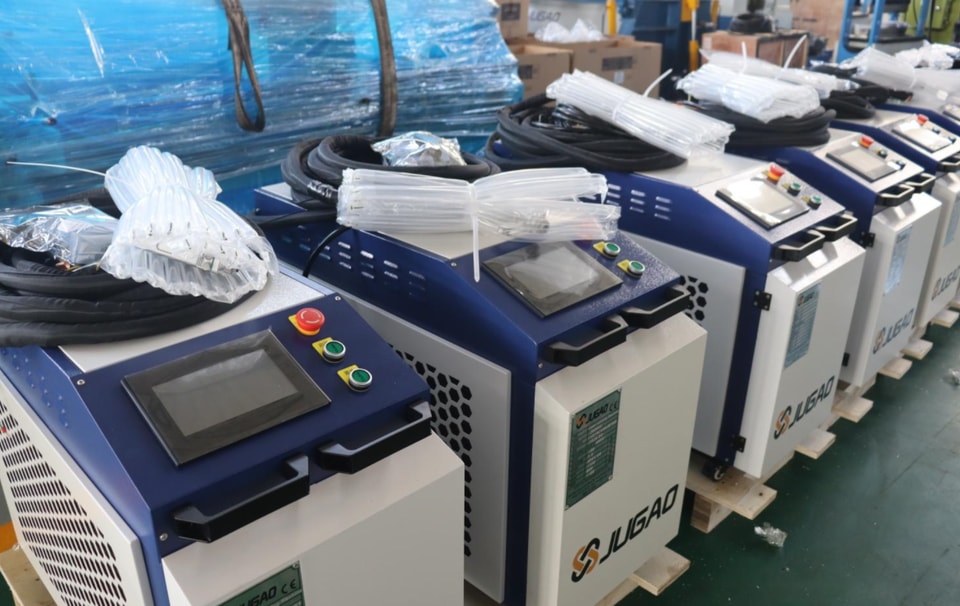 Beyond price, what key parameters should you consider when purchasing welding equipment?
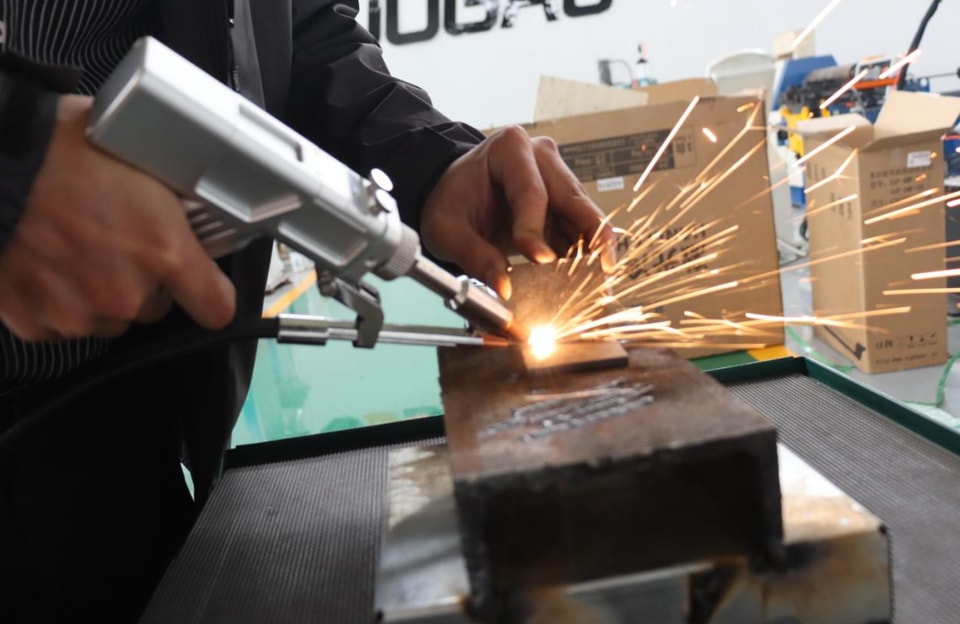 4 Common Methods for Inspecting Weld Quality
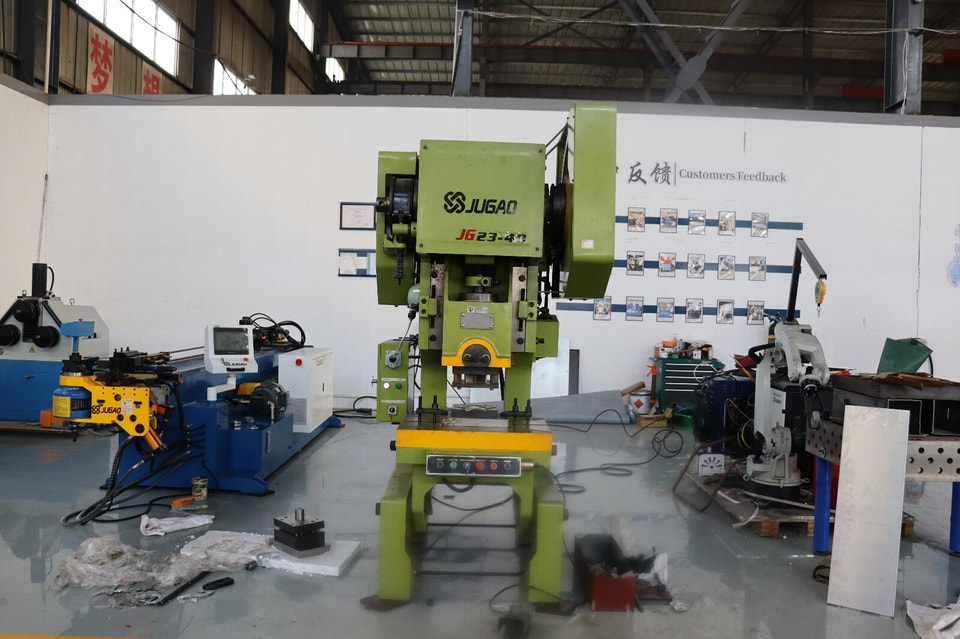 Selecting the Top Punching Machines for Small Workshops & Heavy Industry
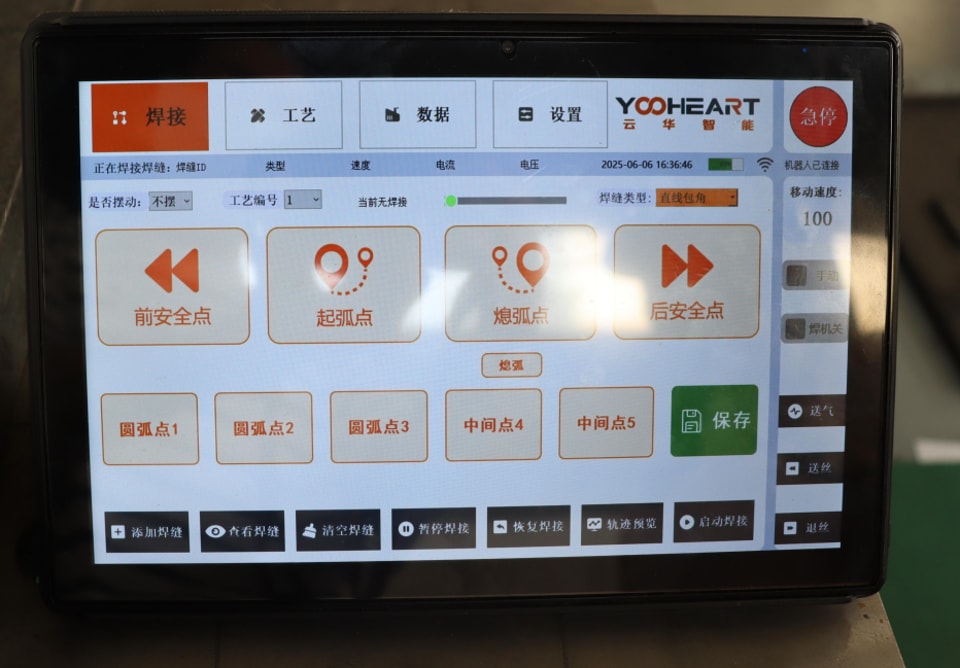 How do you set the welding path for a robotic laser welding machine? Can it perform precise welding on complex workpieces?
Engineering review
Send a drawing.
Get an engineer.
Standard selections answered within 4 hours. Parts outside the rules get a written process review within 24 hours.
- Part drawing: DXF, DWG, STEP or PDF
- Material and thickness
- Longest bend or cut length
- Yearly volume
Write to info@ntjugao.com or message the factory on WhatsApp +86 132 2211 1178.
Drawings (DXF, DWG, STEP, PDF): attach them to an email to info@ntjugao.com, quoting your name.