
Laser Cutting Machines in the Electronics Industry: Is It a Worthwhile Investment?
2026-06-02

Table of Contents
• Roles of Laser Cutters in Electronic Manufacturing
• Ultra-high Precision for Miniature Electronic Parts
• Non-contact Cutting to Protect Material Properties
• Fast Processing Speed and Stable Repeatability
• Core Application Fields of Laser Cutters in the Electronics Sector
• PCB Sample Making & Flexible Circuit Board Cutting
• Metal Casings and Micro Shell Component Machining
• Part Marking, Engraving and Labeling Solutions
• Frequently Asked Questions
• Common processable materials for electronics laser cutting
• Laser cutting vs die cutting in electronic production
• Risk of damage to heat-sensitive raw materials
• Precision level of laser equipment for microelectronic parts
• Conclusion
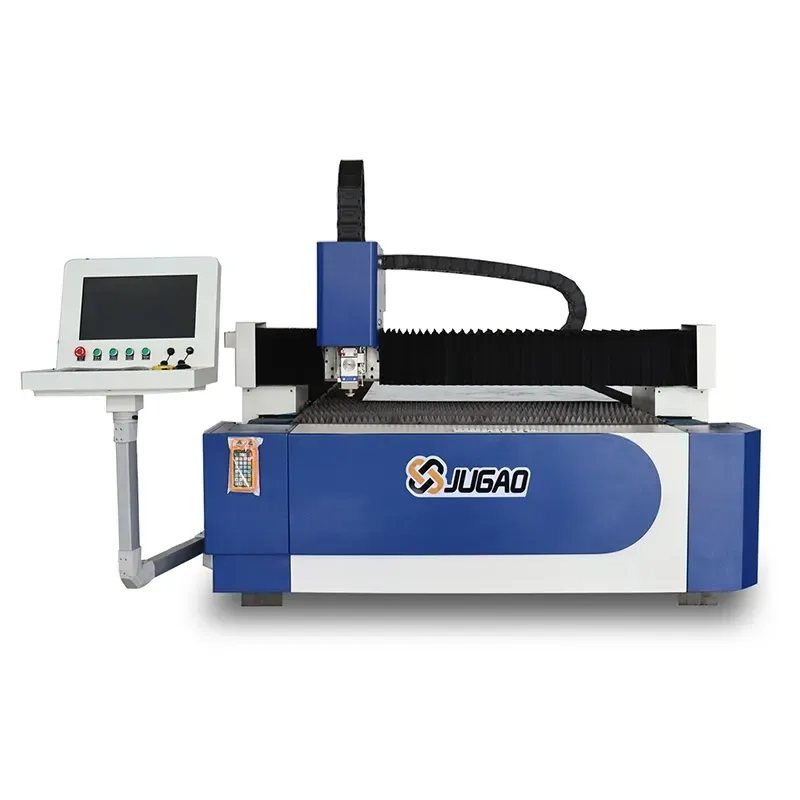
Laser cutting equipment has gradually become indispensable core machinery for the electronics manufacturing industry, thanks to its outstanding accuracy, fast processing speed and flexible production capability. Many manufacturers wonder whether investing in such equipment can bring real value to their production lines. This article deeply analyzes the core strengths, typical application scenarios and industry significance of laser cutting technology in modern electronic manufacturing. Whether you are engaged in printed circuit board production, sensor part processing or customized equipment shell fabrication, this guide will help you objectively judge whether laser cutting technology is suitable for your production layout.
Roles of Laser Cutters in Electronic Manufacturing
Ultra-high Precision for Miniature Electronic Parts
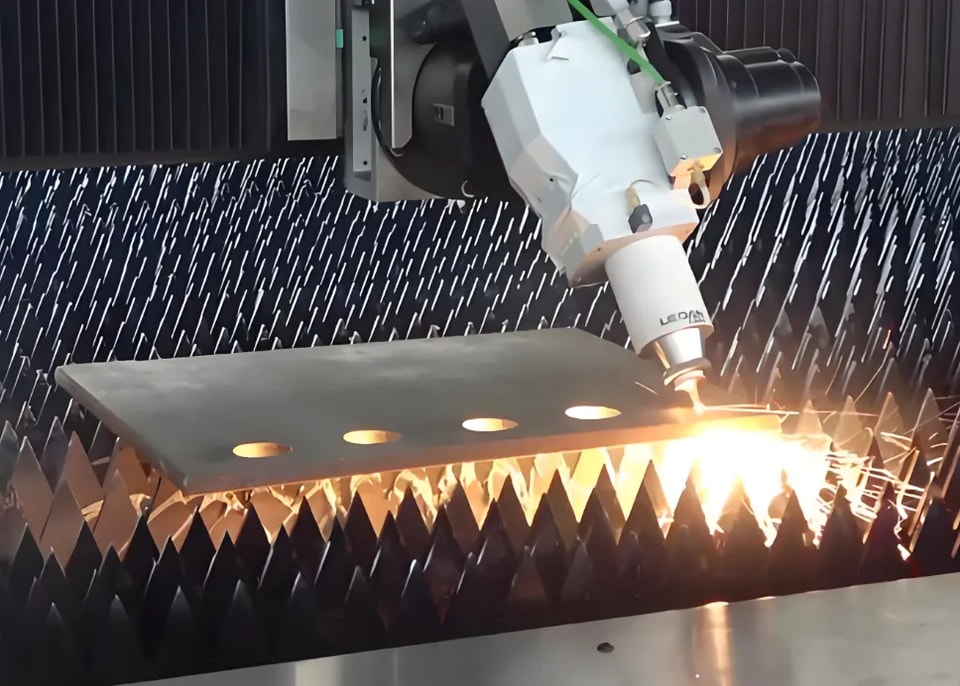
In electronic product manufacturing, even tiny dimensional errors may directly lead to component failure. Laser cutting equipment achieves micron-level machining accuracy with zero mechanical extrusion force on workpieces. It performs excellently in manufacturing complex contours, tiny aperture structures and fine hollowed-out details, especially perfectly fitting the processing demands of circuit boards and sensor precision parts.
Non-contact Cutting to Protect Material Properties
Laser cutting adopts a non-contact processing mode, which will not cause mechanical extrusion or structural damage to fragile electronic raw materials. When processing PET film, copper foil and ultra-thin stainless steel, the original physical and chemical properties of materials can be well maintained, without deformation, warping or surface contamination.
Fast Processing Speed and Stable Repeatability
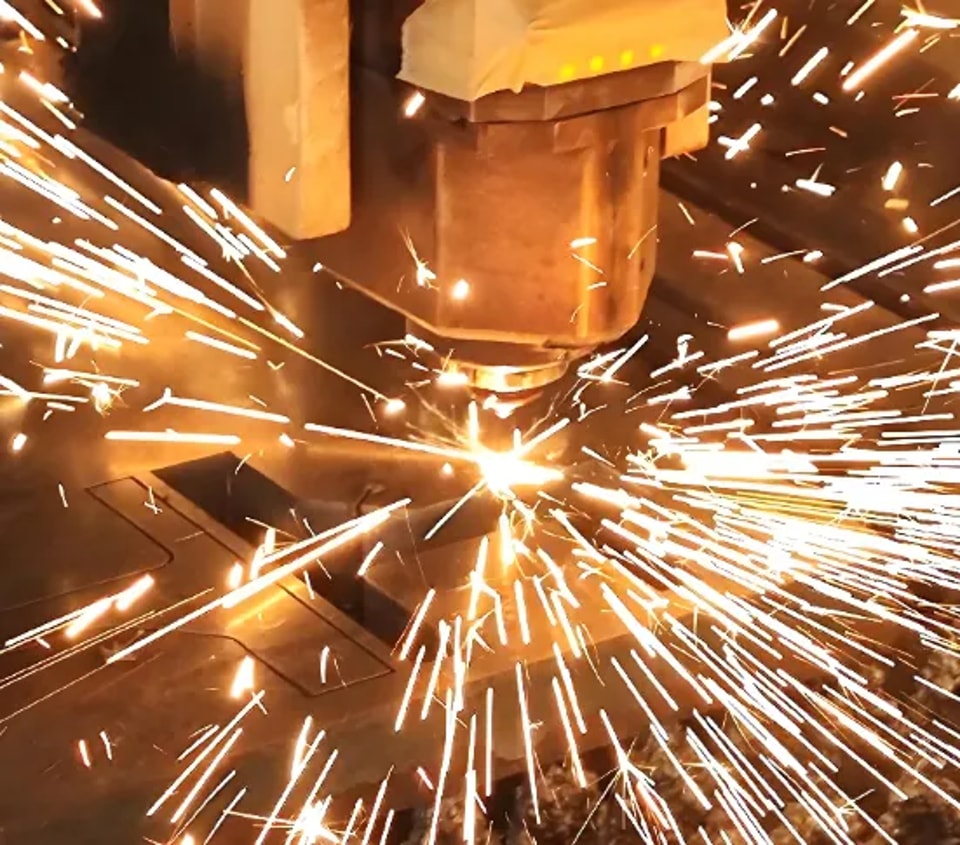
For large-batch electronic mass production, operational speed and consistent product quality are key indicators. Laser cutting systems support full automatic operation with little manual intervention. When matched with CAD/CAM design software and vision positioning systems, it can greatly boost overall production efficiency and ensure stable quality of batch products.
Core Application Fields of Laser Cutters in the Electronics Sector
PCB Sample Making & Flexible Circuit Board Cutting
Rapid Design Iteration Without Custom Molds
Traditional PCB production processes are time-consuming and costly, relying heavily on customized tooling, which slows down the whole product research and development cycle. With laser cutting, design drawings can be directly converted into physical prototypes instantly. It enables R&D departments and start-up enterprises to complete product testing, revision and iterative upgrading efficiently with guaranteed precision.
Precision Cutting for Flexible Base Materials
Laser technology is well-adapted to flexible printed circuits (FPC) and polyimide film processing, featuring high accuracy and low thermal influence. It can stably produce fine circuit traces, micro holes and special-shaped structures on ultra-thin flexible substrates, avoiding tearing and deformation problems that easily occur in mechanical stamping and die cutting processes.
Metal Casings and Micro Shell Component Machining
Smooth Cutting for Metal Shielding Frames
Ultra-thin metal sheets widely used in electromagnetic shielding shells, equipment outer casings and precision component brackets can be perfectly processed by laser cutters. The cutting edge is smooth and burr-free, which can be directly assembled without secondary polishing and trimming, saving plenty of production time.
Customized Shapes and Reserved Ports
Electronic product customers often put forward personalized demands for reserved interfaces, heat dissipation holes and special-shaped structural openings. Laser cutting can easily meet various customized processing needs without delaying the original production schedule.
Part Marking, Engraving and Labeling Solutions
Durable High-contrast Laser Marking
Laser equipment can permanently carve part numbers, QR codes, brand logos and other identification information on electronic components with high definition. This function effectively improves product traceability, facilitates production quality management, and strengthens anti-counterfeiting effects in the whole manufacturing chain.
Frequently Asked Questions
What materials can laser cutting machines handle in electronics production?
It is applicable to PET, polyimide, FR4 circuit board substrate, stainless steel, aluminum alloy, copper material, ceramic and other mainstream raw materials, covering the processing demands of circuit boards, equipment casings and flexible electronic parts.
Is laser cutting more advantageous than die cutting for electronic products?
Laser cutting boasts stronger production flexibility, smoother cutting edges and no mold opening cost. It is more cost-effective and efficient for small-batch production or products with frequent design updates.
Will laser cutting damage heat-sensitive materials?
With reasonable laser model selection and parameter debugging, damage can be completely avoided. UV lasers and fiber lasers are widely used in the electronics industry for their low thermal impact, which can well protect heat-sensitive raw materials.
How high is the machining precision of laser cutters for microelectronics?
The precision can reach several microns, fully meeting the strict processing standards of micro sensors, precision connectors and other high-end microelectronic components.
Conclusion
To sum up, investing in laser cutting machines is absolutely worthwhile for electronics manufacturers. It integrates ultra-high precision, fast production speed and multi-material compatibility, which is hard to match by traditional processing methods. Whether for prototype research and development, mass production expansion or personalized customized component processing, laser cutting can effectively improve product quality and production efficiency.
If you plan to upgrade your electronic production line with advanced laser technology, the JUGAO professional team is always ready to serve you. Feel free to contact us for professional industry advice and personalized equipment selection recommendations tailored to your actual production demands.
Contact Us