

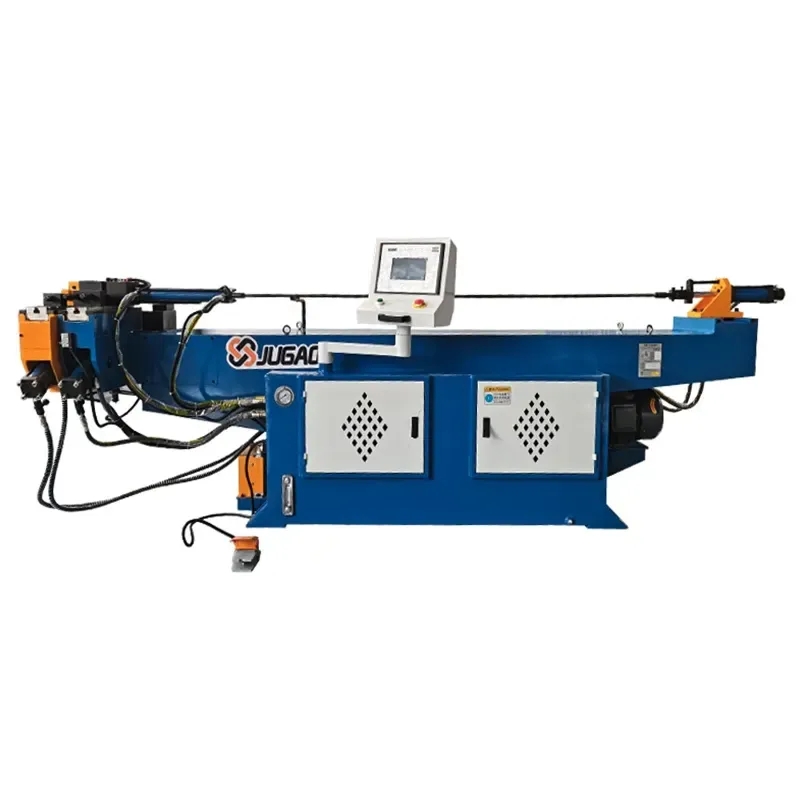
If pipe damage isn't detected early, production shutdowns can happen in the blink of an eye.
2026-05-18

For hydraulic equipment like pipe bending machines and pipe folding machines, pipes are like blood vessels. A burst hose can cause anything from minor oil leaks and shutdowns to serious issues like oil spraying and fires. It's better to proactively detect problems than to wait for them to break down before repairing them.
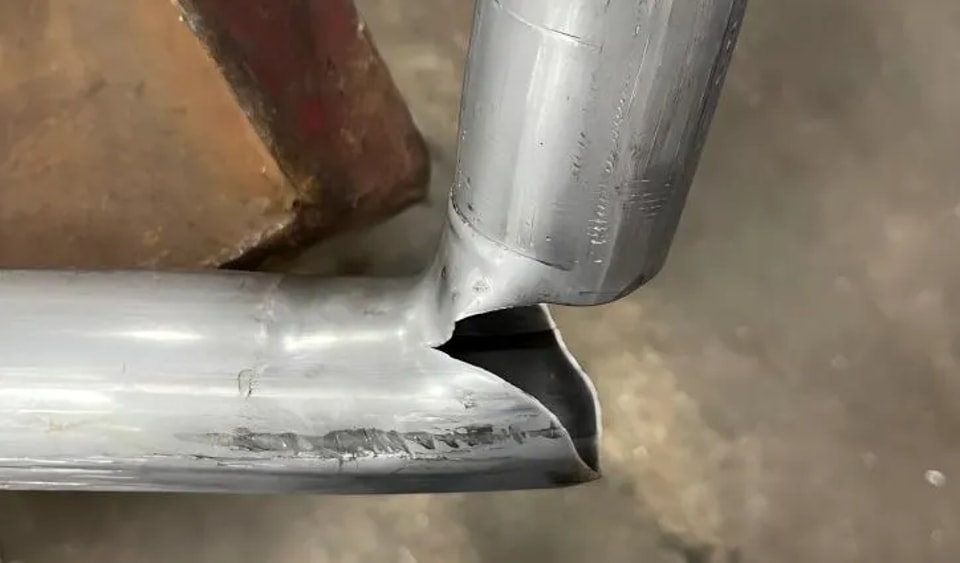
I. Routine Inspection: Watch for These Three Signs
**Look:** Are there bulges, cracks, or rust on the hose wall? Is there sludge at the joints?
**Listen:** Is there a hissing sound or hydraulic oil jetting sound?
**Feel (After shutdown):** Is the hose abnormally hardened or locally overheating?
II. Dynamic Pressure Leak Detection: Don't Wait for a Large Leak to Found
While the equipment is running, spray a leak detector (soapy water) on the joints and suspected points. Bubbling indicates a leak. Minor leaks can be easily detected using a UV leak detector lamp with a fluorescent tracer.
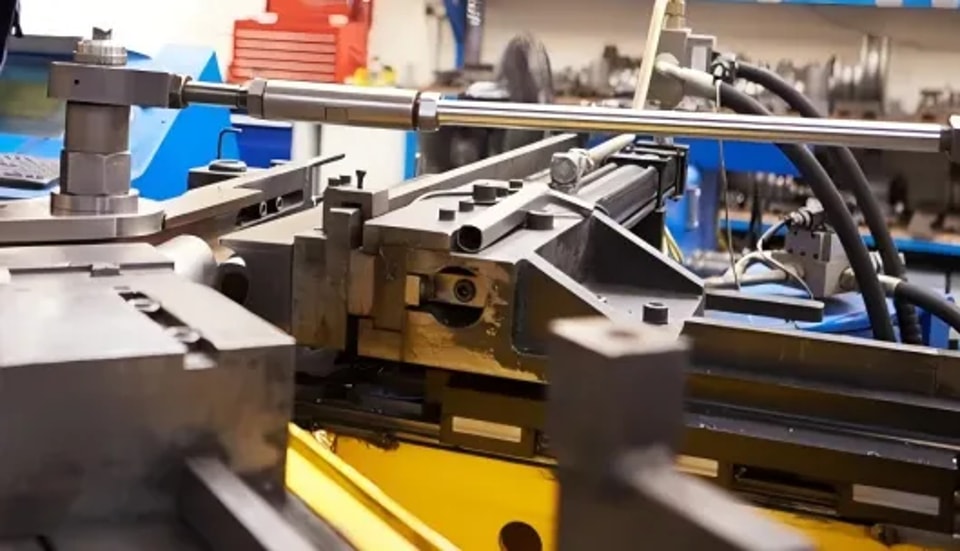
III. Pressure Drop Test to Determine Internal Leaks
Close the equipment outlet, pressurize to the rated pressure, and then close the shut-off valve. If the pressure gauge drops more than the specified value within 5 minutes, it indicates an internal leak (cylinder seal or valve body leakage).
IV. Preventative Replacement: Don't Wait for a Burst
High-pressure hoses should be proactively replaced every 2-3 years, even if they appear fine. Rubber ages and can burst at any time.
If the rigid pipe wall is noticeably thinned, dented, or the joint threads are damaged, replace it immediately.
If the outer layer crack of the flexible hose extends beyond the braided layer, or the steel wire at the joint is broken, stop production immediately and replace it.
V. Spare Parts Inventory: Don't Let a Single Pipe Hose Hinder Production
Establish a minimum inventory of commonly used high-pressure hoses, joints, and O-rings. A single hose costs tens of dollars; a day's downtime due to a shortage can result in losses of thousands or even tens of thousands of dollars.
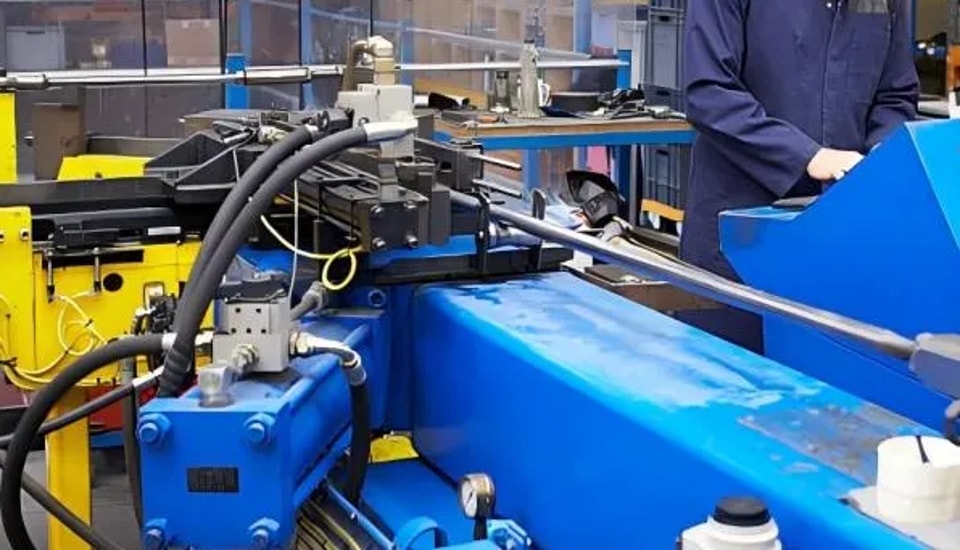
VI. Installation Standards: There are specific requirements for hose replacement.
The bending radius should not be too small (hose ≥ 6-8 times outer diameter).
Avoid twisting; align the joint before tightening.
Use a double wrench to prevent the hose from rotating.
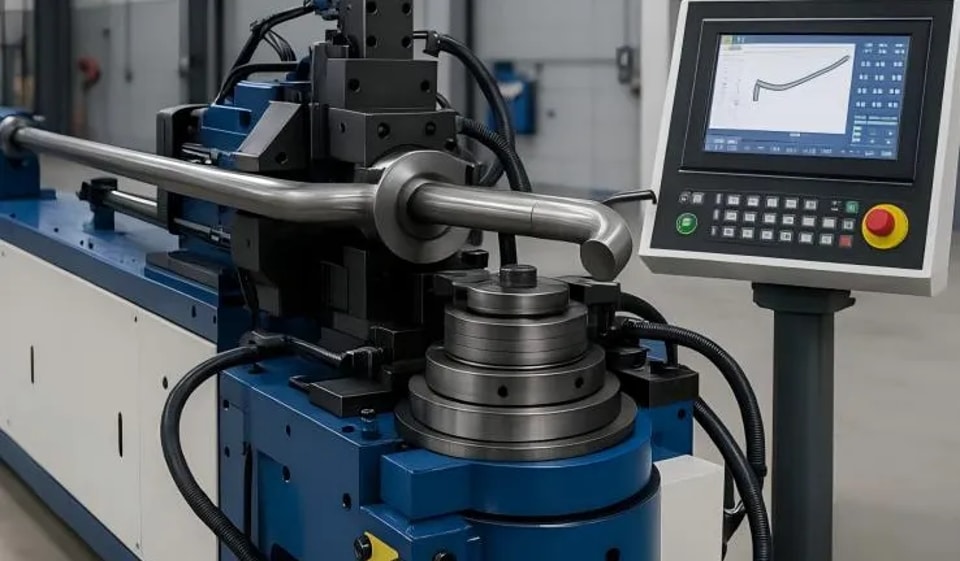
Nine out of ten pipe failures are preventable. Spend two minutes each day checking the pipes, conduct leak tests monthly, and keep commonly used fittings on hand. A small investment can ensure uninterrupted production.
Contact Us