 Get a quote
Resources
How to solve the pressure gauge problem of the pipe bending machine?
The pressure gauge is the "eye" of the pipe bending machine's hydraulic system. When the reading is inaccurate, the pointer vibrates, or there is no response, it means that the equipment has sent out a "distress signal." If not handled in time, it will directly affect the pipe bending accuracy and may even lead to equipment damage.
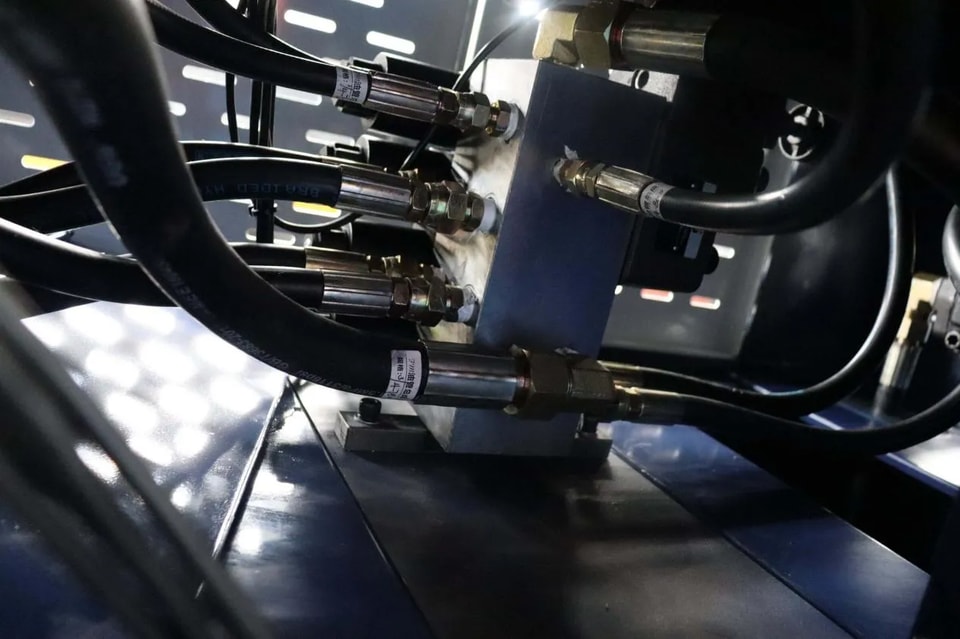
Common Fault Phenomena and Solutions
Phenomenon 1: Pointer vibrates violently
Causes: Air in the system, pipe leaks, blocked damping orifice, or unstable hydraulic pump operation.
Solutions: Purge air through the vent valve and tighten connections; clean the damping orifice and replace the hydraulic oil and filter; check the wear condition of the hydraulic pump.
Phenomenon 2: No pressure/Pointer does not move
Causes: Low oil level, pump damage or motor reversal; stuck relief valve spool; blocked connecting pipes or damaged pressure gauge.
Solutions: Add hydraulic oil; check the circuit and pump status; disassemble the relief valve and clean it with kerosene; check pipe patency, test with a standard gauge, replace if damaged.
Phenomenon 3: Inaccurate readings/Large errors
Causes: Pressure gauge has reached the end of its service life; pressure regulator malfunction; dirt in the pipes; contaminated hydraulic oil.
Solutions: Calibrate using a comparison method or replace with a new gauge; clean or replace the pressure regulator; clean the pipes and replace the hydraulic oil.
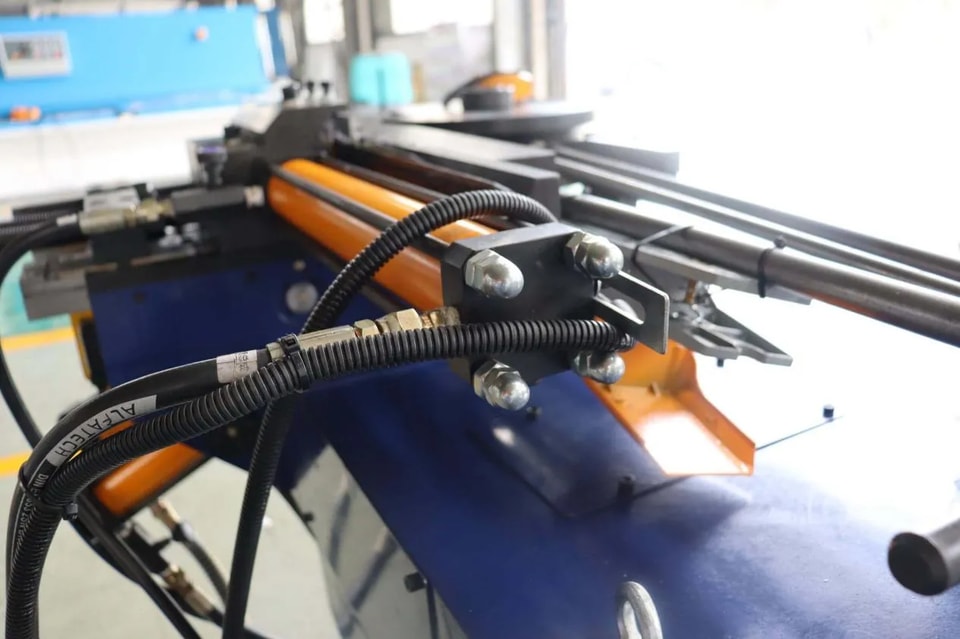
System Troubleshooting Steps
1.Safe Shutdown: Stop operation, turn off the equipment power, and release system pressure.
2.Visual Inspection: Check for cracked dial glass, stuck pointers, and leaks at joints.
3.Test Comparison: Install a known accurate standard gauge to determine whether the problem lies with the gauge itself or the system malfunction.
Precautions and Recommendations
Regular Calibration: Pressure gauges should be calibrated every 6-12 months.
Standard Operating Procedures: Do not exceed the rated range; it is recommended to install a buffer tube or damper before the pressure gauge to reduce hydraulic shock.
Oil Management: Keep hydraulic oil clean and change the oil and filter elements regularly.
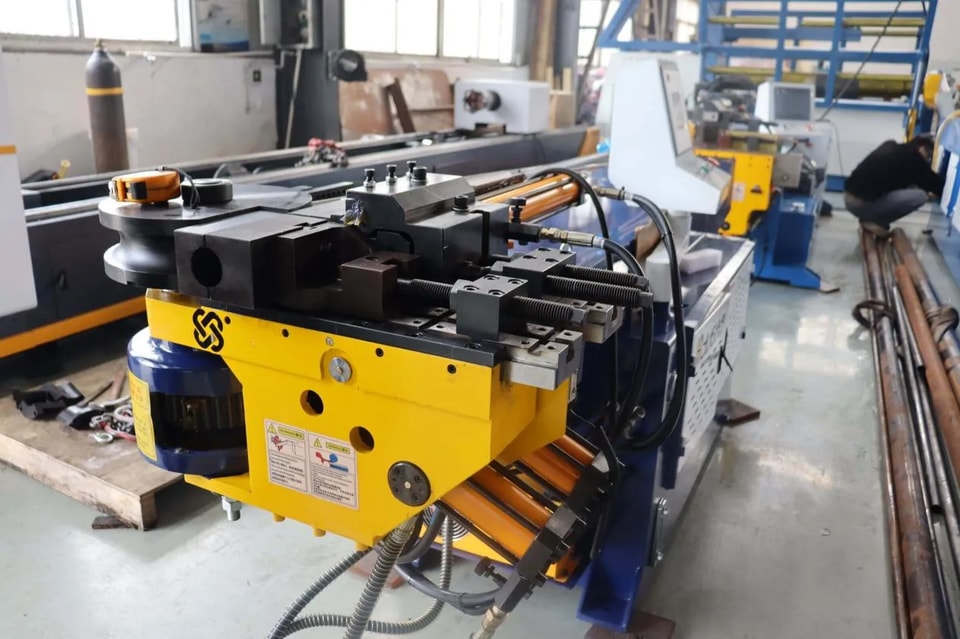
Pressure gauges are the "guardians" of pipe bending machine safety. Mastering the correct troubleshooting techniques can effectively shorten downtime and ensure production accuracy and safety.

Related
Keep
reading.
 Comparison of Laser Welding Results and Application Scenarios Across Different Materials
 How to Choose Between Air-Cooled and Water-Cooled Laser Welding Systems
 Understanding Punching Machines: Principles, Types, and Selection
 How can one effectively follow the installation guidelines for a pipe-bending machine?
 For which types of products is an automatic wire-feeding laser welding machine suitable?
 What Are the Latest Punching Machine Trends and Technological Breakthroughs?
 What Triggers Punching Machine Noise and How Can You Quieten It?
 What factors influence the replacement cycle of wear parts in a pipe-bending machine?
 Beyond price, what key parameters should you consider when purchasing welding equipment?
 4 Common Methods for Inspecting Weld Quality
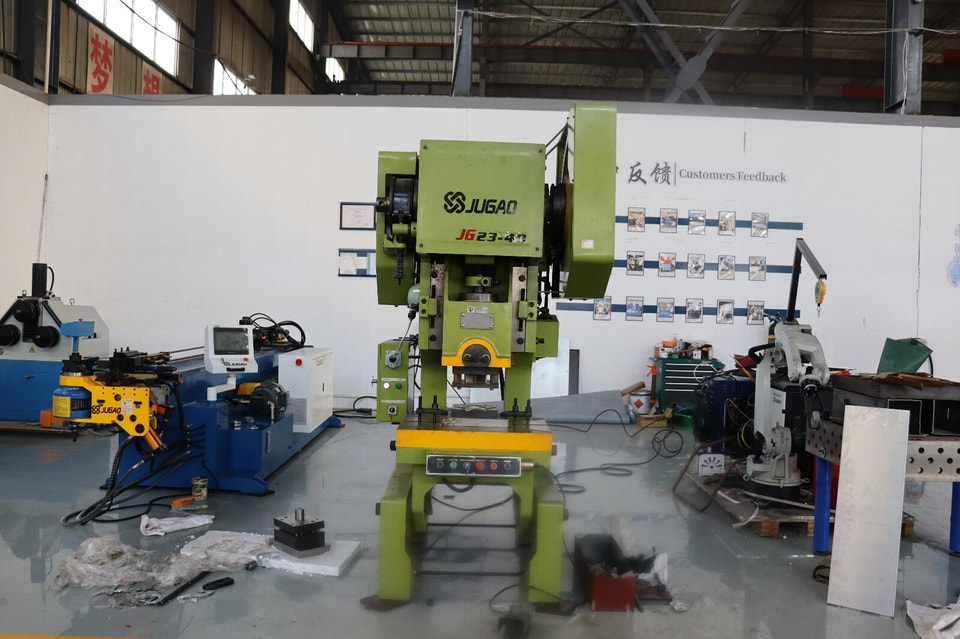 Selecting the Top Punching Machines for Small Workshops & Heavy Industry
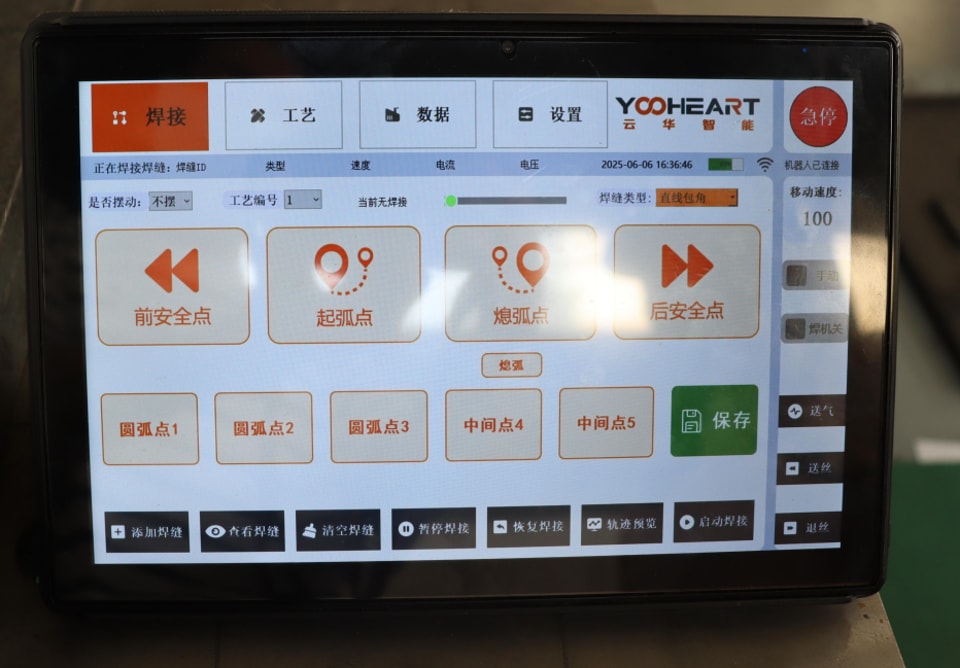 How do you set the welding path for a robotic laser welding machine? Can it perform precise welding on complex workpieces?
Engineering review
Send a drawing.
Get an engineer.
Standard selections answered within 4 hours. Parts outside the rules get a written process review within 24 hours.
- Part drawing: DXF, DWG, STEP or PDF
- Material and thickness
- Longest bend or cut length
- Yearly volume
Write to info@ntjugao.com or message the factory on WhatsApp +86 132 2211 1178.
Drawings (DXF, DWG, STEP, PDF): attach them to an email to info@ntjugao.com, quoting your name.