
How to Safely Operate a Laser Cutting Machine: Core Safety Guidelines & Practical Tips
2026-06-01

Table of Contents
• Core Safety Protection Guidelines for Laser Cutting Equipment
• Methods to Optimize Laser Cutting Workflows
• Site Environment Management for Stable Operation
• Standard Operating Norms and Safety Code of Practice
• Personal Protection Measures for Operators
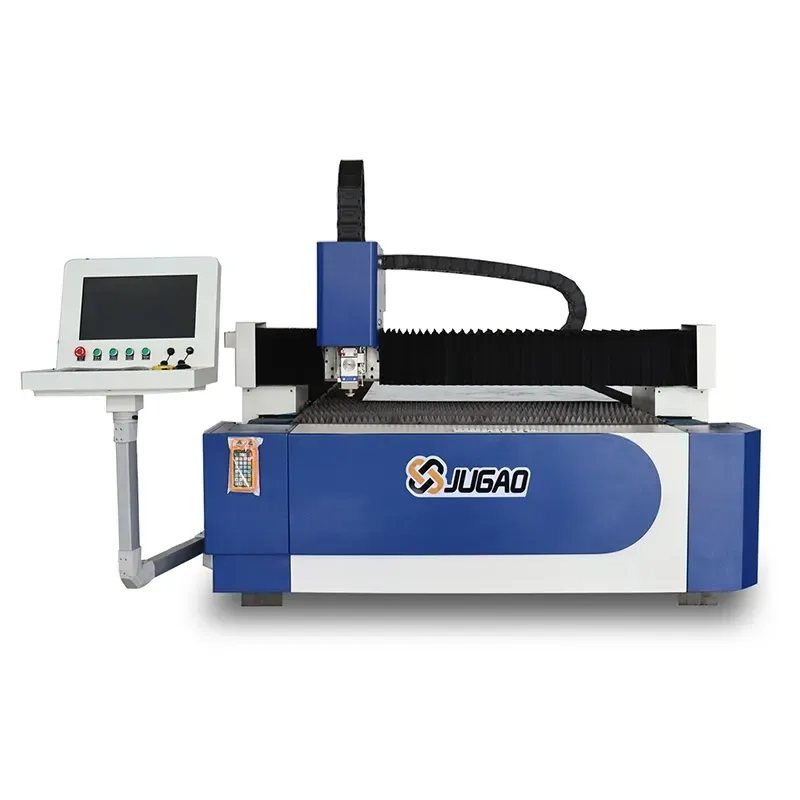
Adhering to standardized safety norms is a prerequisite for running laser cutting machines, which can guarantee personal safety as well as greatly boost overall working efficiency. Laser cutters are indispensable high-efficiency processing equipment widely used in multiple industrial fields. However, ignoring standardized operation rules will easily trigger various potential safety risks. This guideline systematically sorts out complete safety specifications and optimized operation methods, helping staff build a safe working environment while giving full play to the working performance of laser cutting equipment.
Core Safety Protection Guidelines for Laser Cutting Equipment
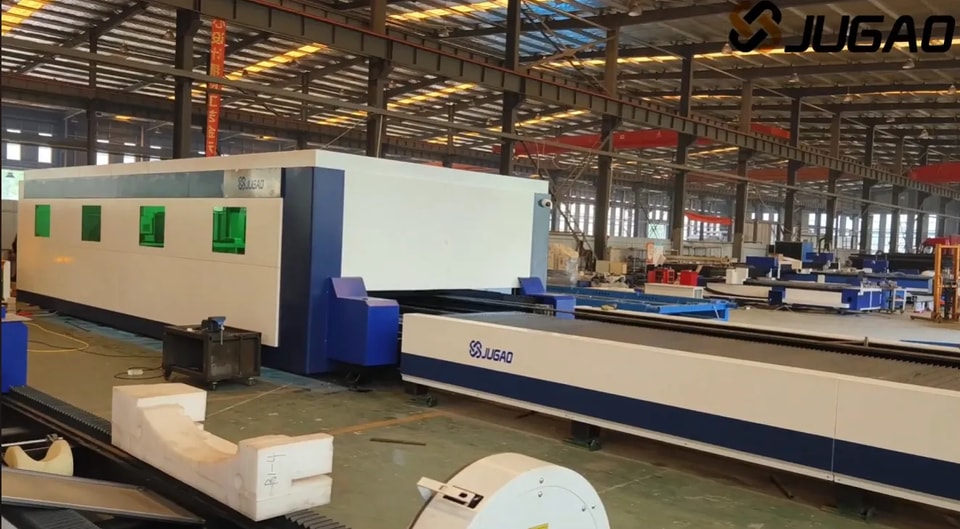
Safe use of laser cutting machines starts with basic protective regulations to effectively lower risk hidden dangers:
1. Fire Safety Control
Laser cutting processes usually use oxygen auxiliary cutting, which comes with inherent fire risks. It is strictly forbidden to smoke or use open flames near oxygen cylinders, so as to avoid igniting combustible substances and causing fire accidents.
2. Automatic Exchange Platform Safety
For models equipped with automatic material exchange platforms, operators must confirm no staff stay around the platform during running. Once an emergency occurs, personnel need to quickly cut off platform operation or press the emergency stop button to avoid collision and injury accidents.
3. Electrical Safety & Pre-operation Inspection
Before starting the laser cutter, fully inspect the grounding state of all core components including the main control system and motor drive devices. Standard grounding configuration can effectively prevent electric shock accidents and prolong the service life of the whole equipment.
Methods to Optimize Laser Cutting Workflows
On the premise of ensuring safety, scientific optimization of cutting procedures can remarkably improve processing quality and production efficiency:
1. Material Selection and Preprocessing
Choose raw materials with stable texture and reliable quality, and strictly clean surface dirt and impurities in advance. Clean and qualified raw materials can ensure cutting accuracy and reduce abnormal wear of mechanical parts.
2. Regular Equipment Maintenance
Periodic inspection and maintenance are essential to extend equipment service life and maintain stable performance. It can effectively avoid sudden mechanical failure and keep the laser cutter working in optimal condition at all times.
3. Intelligent Software Application
Apply the latest professional cutting control software to upgrade processing precision and work efficiency. Operators proficient in software operation can simplify production procedures, cut down raw material waste and reduce manual operation errors.
Site Environment Management for Stable Operation
Reasonably arranging the working site environment is the guarantee for the laser cutter to run stably and safely for a long time:
1. Energy-Saving Operation Management
Optimize cutting path planning and reduce equipment idle running time through standardized management. This practice can not only lower production costs but also realize energy conservation and consumption reduction.
2. Temperature and Humidity Adjustment
Keep the workshop temperature and humidity within the factory-specified standard range. Reasonable climate control can prevent equipment overheating failure and circuit short circuit caused by damp environment.
3. Stable Power Supply Guarantee
Constant and steady power supply is the basic condition for normal operation. It is necessary to install voltage regulators to offset voltage fluctuation interference and ensure continuous and stable operation of the laser cutting machine.
Standard Operating Norms and Safety Code of Practice
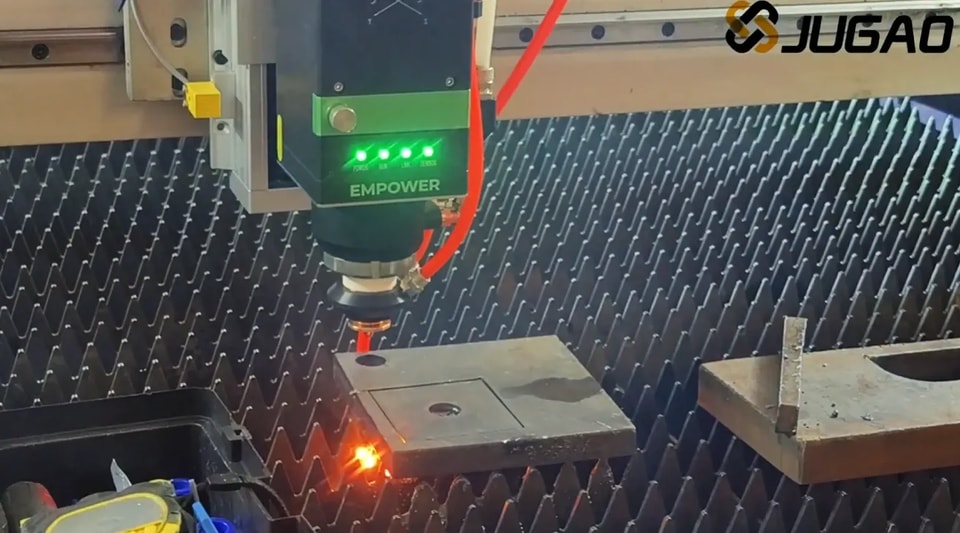
Following refined operating rules helps further enhance operational safety and equipment stability:
1. Laser Light Path Protection
Do not arbitrarily block or touch the laser optical path, so as to maintain cutting accuracy and avoid accidental laser radiation injury.
2. Power Setting & Special Material Cutting
Never exceed the equipment’s rated power during operation, especially when processing high-reflection materials such as copper materials. Standard power application can effectively protect core parts and extend equipment service life.
3. Bad Weather Operation Avoidance
Stop using the laser cutter in severe weather such as thunderstorms and storms to prevent lightning induction and electrical safety accidents.
4. Professional Operator Access
Only employees who have completed systematic professional safety and operation training are allowed to operate the equipment. Professional and skilled operation can effectively avoid human errors and safety incidents.
Personal Protection Measures for Operators
While protecting the equipment, it is equally important to safeguard operators’ physical health:
1. Respiratory Tract Protection
Laser cutting will produce fine particles and harmful smoke. It is required to install high-efficiency smoke and dust exhaust equipment in the workshop, and operators must wear protective masks to prevent respiratory diseases induced by harmful gas inhalation.
2. Eye Safety Protection
Laser radiation will cause irreversible damage to human eyesight. Wearing professional anti-laser protective goggles is a mandatory requirement for all on-site operators to avoid eye injury from direct or scattered laser irradiation.
Integrating the above safety specifications and operational skills into daily production work can help operators comprehensively improve work safety and processing efficiency. The dual emphasis on advance safety prevention and operational optimization not only provides full protection for personnel and equipment but also improves the production efficiency and operational stability of laser cutting machines, finally creating a safer, more standardized and efficient industrial working environment.
Contact Us