 Get a quote
Resources
How to properly lubricate a pipe bending machine?
Proper lubrication is key to the stable operation and extended lifespan of a pipe bending machine. Improper lubrication can lead to wear, jamming, and even defects in the bent pipe quality. Lubrication solutions are provided below, categorized by component.
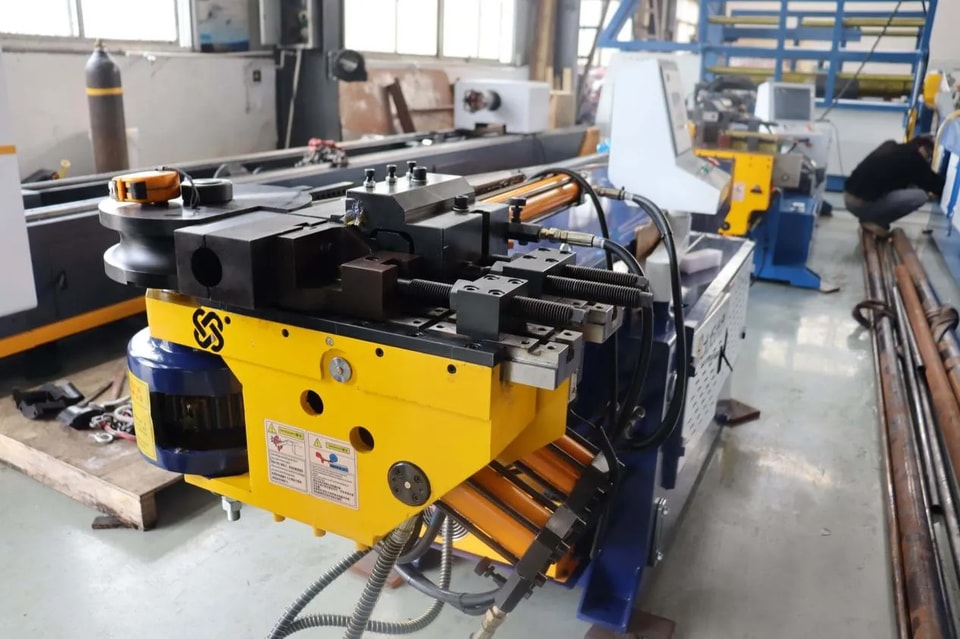
1. Hydraulic System
Oil: Anti-wear hydraulic oil (ISO VG 46 or 68, depending on ambient temperature)
Cycle: Change oil after the first 500 hours, then every 2000-3000 hours or annually; replace filter every 6 months.
Note: Maintain oil temperature between 35-50℃; replace immediately if emulsified or contaminated.
2. Linear Guides and Ball Screws
Oil: Extreme pressure lithium-based grease (NLGI 2) or guideway-specific oil
Cycle: Automatic lubrication pump fills every 4-8 hours; manual lubrication fills weekly.
Note: Clean the guideway surface before lubrication; repair damaged dust covers.
3. Gear Drives (Pipe Bending Arm, Reducer)
Oil: Gear oil (ISO VG 150-220) or extreme pressure grease
Cycle: Check reducer oil level every 6 months, change annually; apply grease weekly to open gears.
Note: Maintain an oil film on the gear surface, but avoid excessive spillage.
4. Dies and Mandrels (Critical!)
Oil: Special pipe bending oil (high extreme pressure, high temperature resistant)
Frequency: Apply a thin layer to the bending die groove, mandrel ball end, and anti-wrinkle die working surface before bending each pipe.
Note: Do not use ordinary machine oil or grease, as they cannot withstand the high-pressure friction of pipe bending and will cause scratches and wrinkles.
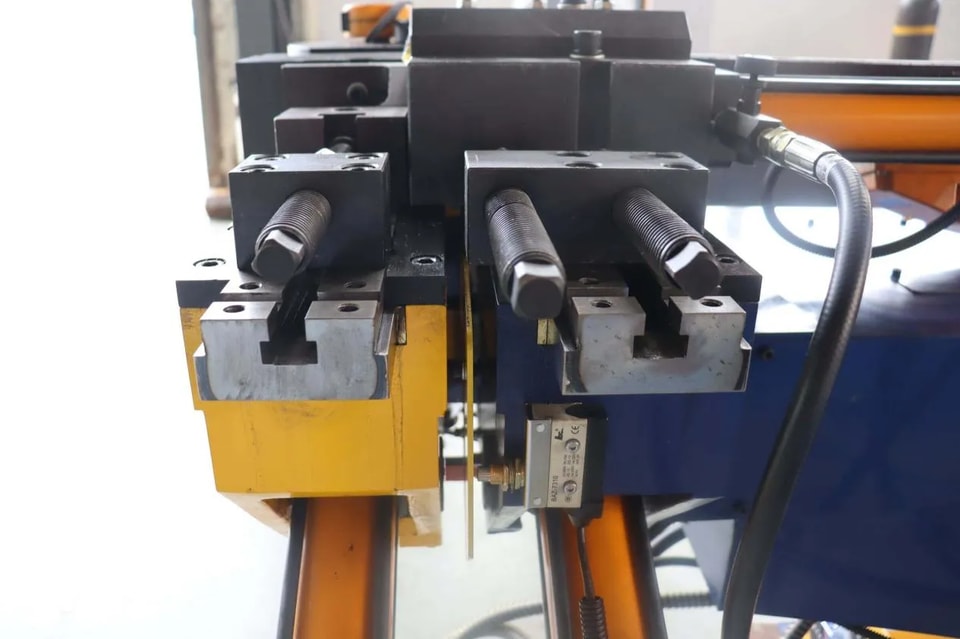
5. Bearings and Joints
Oil: General-purpose lithium-based grease
Frequency: Add grease every 3 months; shorten to monthly for high-temperature areas (near friction).
Note: Add grease until the old grease is squeezed out.
6. Other Moving Parts
Exposed parts of mandrel rod and piston rod: Apply rust-preventive and lubricating dual-purpose oil weekly.
Feed rollers and clamping sliders: Add a small amount of machine oil each shift.

Lubrication Key Points Summary
Use different types of oil for different parts; do not mix them.
Die and mandrel must use dedicated pipe bending oil; otherwise, pipe bending quality cannot be guaranteed.
Excessive lubrication is wasteful and causes contamination; insufficient lubrication leads to wear and tear.
Establish a lubrication record sheet, assigning specific personnel, times, and types of oil for lubrication.
Related
Keep
reading.
 Comparison of Laser Welding Results and Application Scenarios Across Different Materials
 How to Choose Between Air-Cooled and Water-Cooled Laser Welding Systems
 Understanding Punching Machines: Principles, Types, and Selection
 How can one effectively follow the installation guidelines for a pipe-bending machine?
 For which types of products is an automatic wire-feeding laser welding machine suitable?
 What Are the Latest Punching Machine Trends and Technological Breakthroughs?
 What Triggers Punching Machine Noise and How Can You Quieten It?
 What factors influence the replacement cycle of wear parts in a pipe-bending machine?
 Beyond price, what key parameters should you consider when purchasing welding equipment?
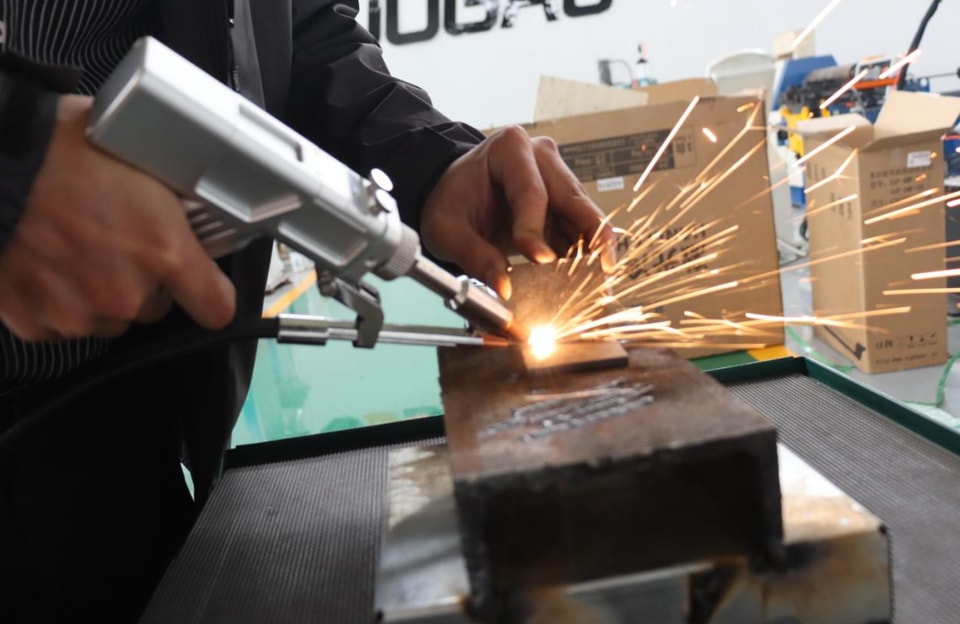 4 Common Methods for Inspecting Weld Quality
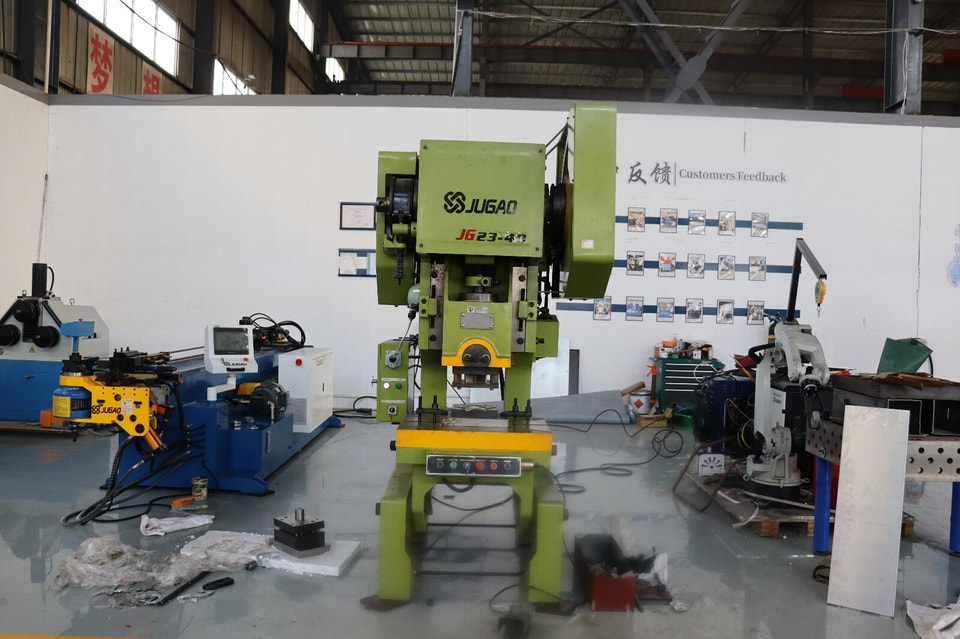 Selecting the Top Punching Machines for Small Workshops & Heavy Industry
 How do you set the welding path for a robotic laser welding machine? Can it perform precise welding on complex workpieces?
Engineering review
Send a drawing.
Get an engineer.
Standard selections answered within 4 hours. Parts outside the rules get a written process review within 24 hours.
- Part drawing: DXF, DWG, STEP or PDF
- Material and thickness
- Longest bend or cut length
- Yearly volume
Write to info@ntjugao.com or message the factory on WhatsApp +86 132 2211 1178.
Drawings (DXF, DWG, STEP, PDF): attach them to an email to info@ntjugao.com, quoting your name.