
How to Improve Shearing Machine Productivity
2026-05-26

Table of contents
• How to Set Up Your Shearing Machine for Optimal Performance
○ Step 1: Ensure Proper Machine Calibration
○ Step 2: Maintain a Clean and Organized Workspace
• Common Shearing Machine Maintenance Tips
○ Step 1: Regularly Inspect and Lubricate Moving Parts
○ Step 2: Perform Routine Blade Sharpening
○ Step 3: Clean the Shearing Machine After Each Shift
• Advanced Tips to Boost Shearing Machine Productivity
○ Step 1: Train Operators Thoroughly
○ Step 2: Use High-Quality Materials
○ Step 3: Invest in Automation Technology
• FAQ
○ How can I increase the cutting speed of my shearing machine?
○ What is the ideal blade clearance for a shearing machine?
○ How often should I perform maintenance on my shearing machine?
• Conclusion
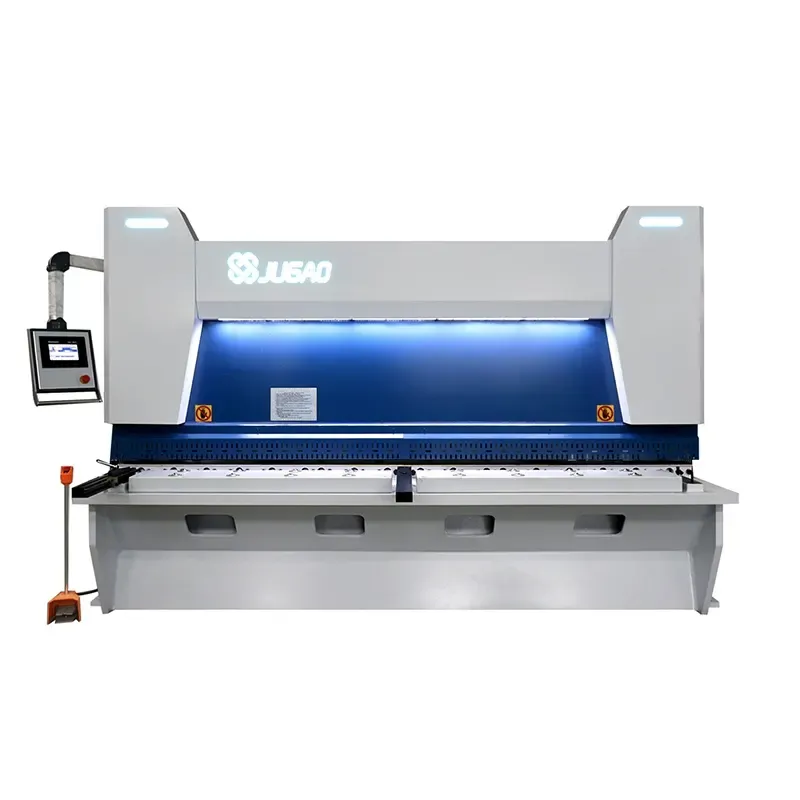
Boosting the productivity of shearing machines is critical for maintaining streamlined and efficient production operations. If you are looking for actionable strategies to enhance your shearing equipment’s performance, this guide will provide you with practical and proven solutions. We will walk you through comprehensive approaches—covering initial machine configuration, daily upkeep, and professional operating methods—to effectively lift shearing machine productivity. Whether you are new to shearing operations or looking to maximize existing output, this article offers targeted insights to help you reach your production targets.
How to Set Up Your Shearing Machine for Optimal Performance
Step 1: Ensure Proper Machine Calibration
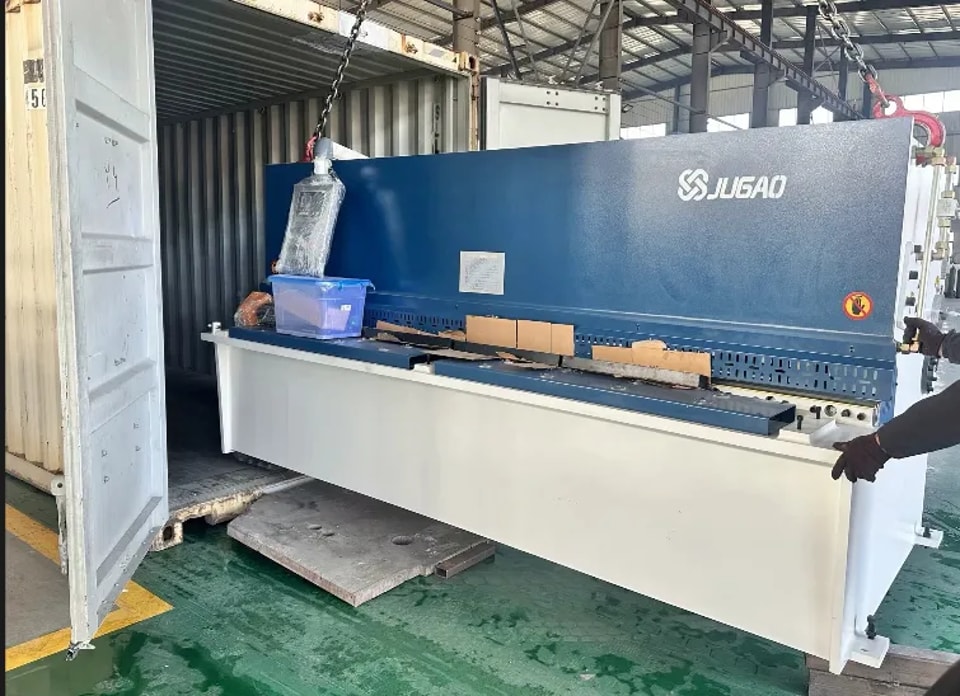
The foundation of high shearing machine productivity lies in accurate machine calibration. Incorrect calibration directly leads to cutting errors and production inefficiencies. Start by adjusting the back gauge to the required dimension, and check blade clearance regularly to align with the manufacturer’s specified standards.
Step 2: Maintain a Clean and Organized Workspace
Before starting any shearing task, keep your working area tidy and well-organized. A messy workspace often causes unplanned interruptions and safety hazards. Moreover, removing debris from the machine reduces component wear and lowers the risk of mechanical breakdowns. A flat and stable working platform is also essential to guarantee cutting precision.
Common Shearing Machine Maintenance Tips
Step 1: Regularly Inspect and Lubricate Moving Parts
Routine maintenance is one of the most effective ways to sustain productivity. Consistently examine the moving components of your shearing machine for wear or damage. Apply lubrication to blades and other movable parts to lower friction, which avoids slowdowns in production. A well-serviced machine operates more efficiently and directly supports higher productivity levels.
Step 2: Perform Routine Blade Sharpening
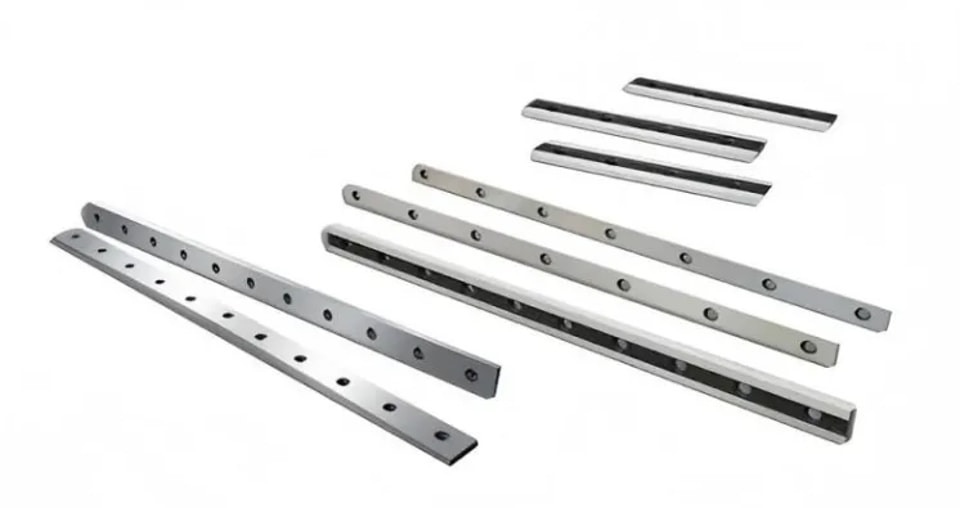
Shearing machine blades will gradually lose sharpness with prolonged use. Blunt blades put extra stress on the equipment and create inconsistent cuts, both of which hinder production efficiency. Sharpen blades at regular intervals to ensure clean cuts and prevent excessive machine wear.
Step 3: Clean the Shearing Machine After Each Shift
Make it a standard practice to clean the shearing machine after every working shift. This process includes clearing material scraps, wiping down blades, and inspecting the hydraulic system for potential leaks. A clean machine has a lower failure rate and maintains peak performance, which directly improves overall productivity.
Advanced Tips to Boost Shearing Machine Productivity
Step 1: Train Operators Thoroughly
Even high-performance shearing machines cannot reach full potential without skilled operators. Make sure all operating staff master machine setup, functional operation, and safety procedures. A well-trained team makes fewer errors, operates equipment more efficiently, and ultimately drives higher productivity.
Step 2: Use High-Quality Materials
Using premium raw materials is another effective way to improve shearing machine productivity. Low-grade materials cause uneven cuts and add unnecessary strain to the machine, shortening its service life and reducing efficiency. Select materials that match your machine’s processing capacity for smoother operation and more accurate results.
Step 3: Invest in Automation Technology
For operations requiring higher output, consider upgrading your shearing machine with automation systems. Automated functions such as automatic material feeding and robotic handling can greatly shorten production cycles and improve overall processing efficiency.
FAQ
How can I increase the cutting speed of my shearing machine?
To raise cutting speed, verify complete machine calibration and sufficient lubrication of all moving parts. Additionally, using sharp blades and keeping a steady material feeding rate will help optimize cutting speed.
What is the ideal blade clearance for a shearing machine?
The suitable blade clearance varies based on the processed material and machine specifications. Generally, a clearance equal to 5%–10% of the material thickness is recommended for the best cutting performance.
How often should I perform maintenance on my shearing machine?
Regular maintenance should be carried out every 500 operating hours. This includes lubricating moving parts, checking blade conditions, and cleaning the machine to prevent dust and debris accumulation.
Conclusion
Enhancing shearing machine productivity relies on a combination of correct setup, consistent maintenance, and advanced operating practices. By following the methods above—including precise calibration, clean and well-lubricated components, and professional operator training—you can significantly improve efficiency and reduce downtime. For more professional support or further questions, please contact our technical team for expert guidance.
These optimizations will not only increase productivity but also extend the service life of your shearing machine, ultimately delivering better return on investment for your business.
Contact Us