
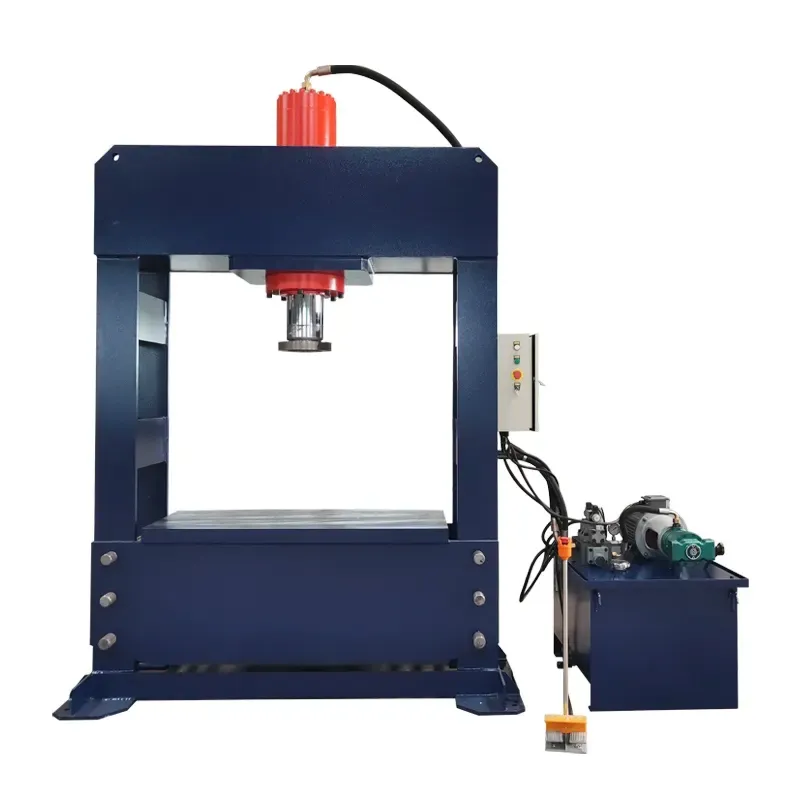
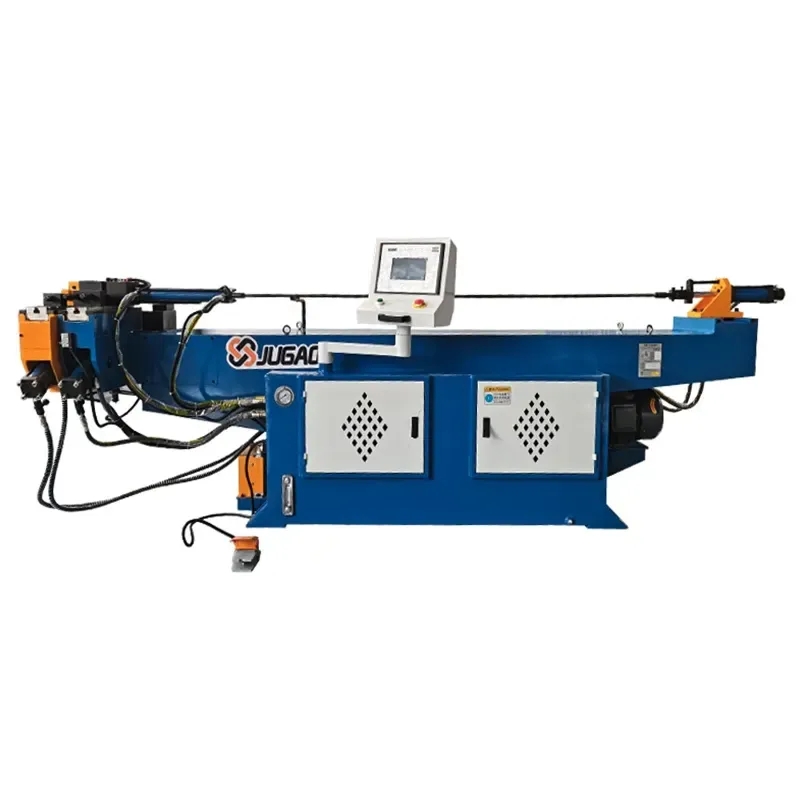
How to Identify and Solve JUGAO Press Brake Hydraulic Oil Contamination
2026-04-16

Table of contents
• How JUGAO Press Brake Hydraulic Oil Gets Contaminated
○ Main Causes of Hydraulic Oil Contamination
○ How to Detect JUGAO Press Brake Oil Contamination
• Solutions to JUGAO Press Brake Oil Contamination
• Frequently Asked Questions
○ How often should I inspect hydraulic oil for contamination?
○ Will contaminated oil cause permanent damage to the press brake?
○ Which hydraulic oil is suitable for JUGAO press brakes?
• Conclusion
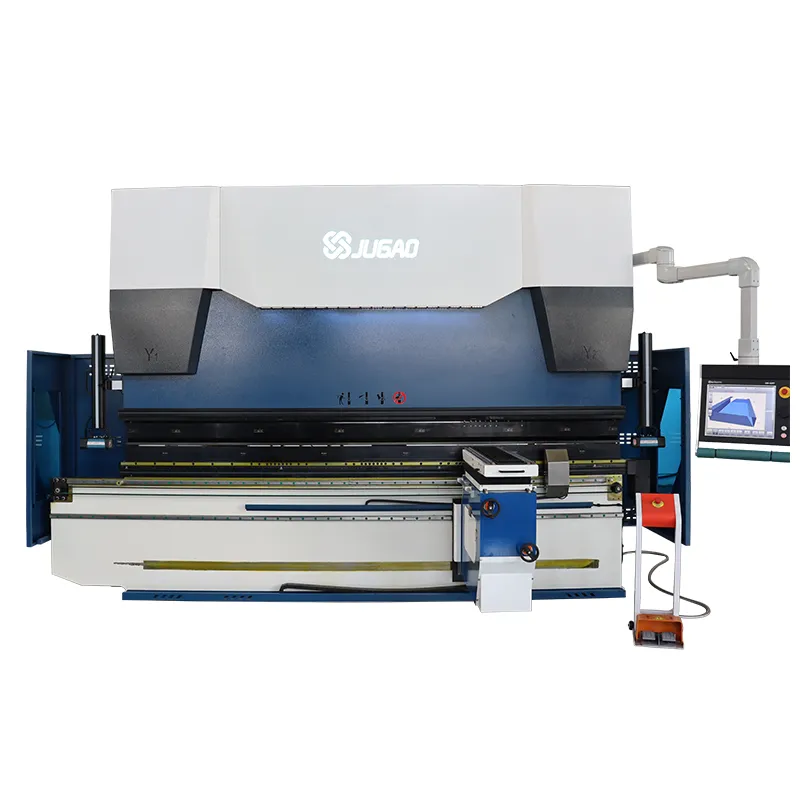
During the daily operation of a JUGAO press brake, hydraulic oil contamination is a common yet easily overlooked fault that directly affects machine stability and service life. If you notice reduced working efficiency, abnormal sounds, or unsteady movement of the equipment, contaminated hydraulic oil is very likely the main cause. This article will explain how oil contamination impacts press brake performance, share practical detection methods, and provide complete solutions to keep your equipment in stable and efficient working condition.
How JUGAO Press Brake Hydraulic Oil Gets Contaminated
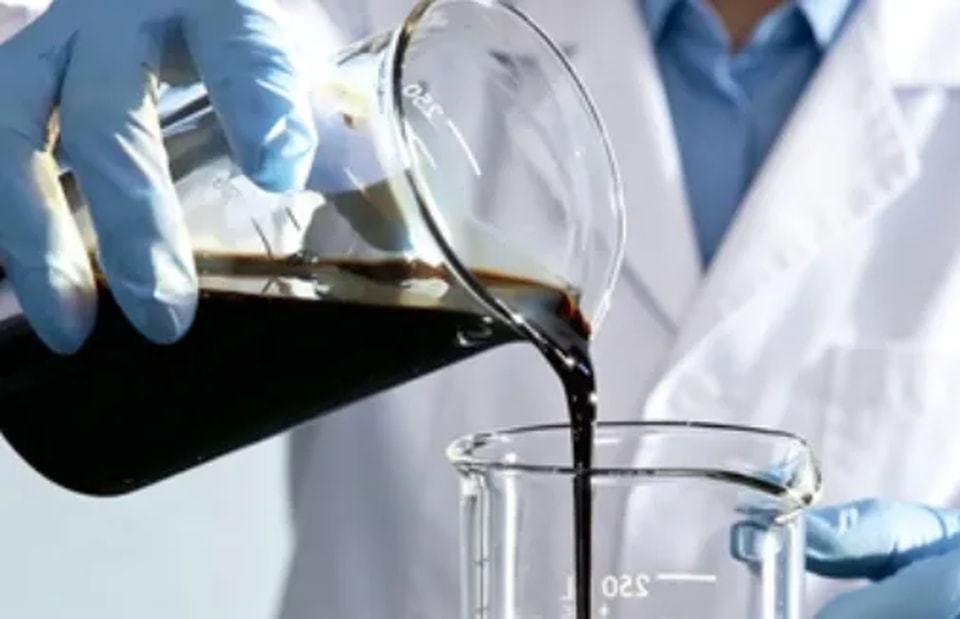
Hydraulic oil contamination means that dust, metal chips, moisture, or other foreign matter enters the hydraulic oil circuit. This problem usually results from inadequate daily maintenance, damaged sealing parts, or long-term exposure to harsh working environments. As time passes, impurities and moisture will accelerate oil deterioration, weaken lubrication and pressure transmission performance, and eventually lead to reduced bending accuracy, slower response, and overall degradation of equipment efficiency.
Main Causes of Hydraulic Oil Contamination
1. Damaged Seals and Gaskets
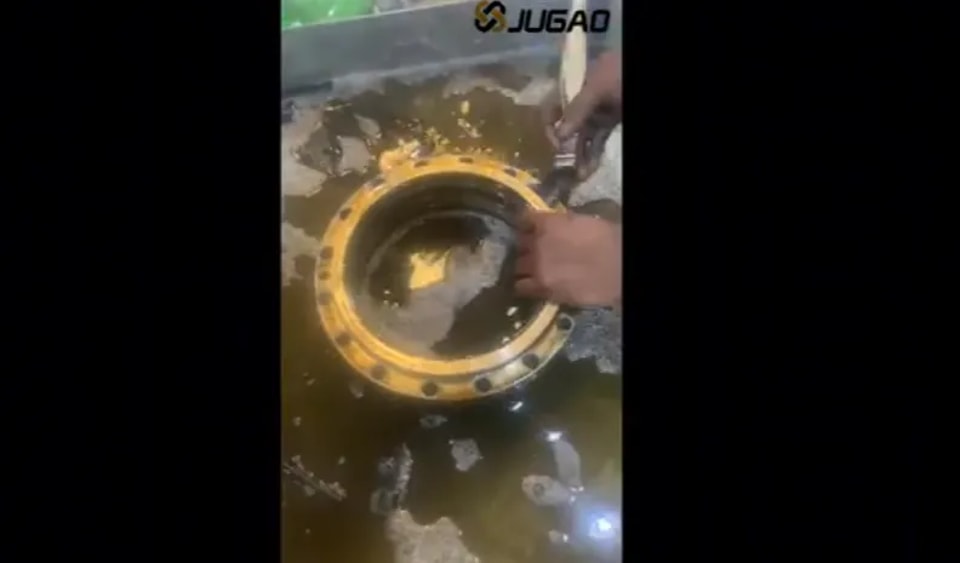
Worn or aged seals and gaskets lose their sealing effect, allowing external dust, dirt, and metal shavings to enter the hydraulic system. Regular inspection and timely replacement of sealing parts are essential to block external contamination.
2. Improper Oil Storage and Handling
When hydraulic oil is stored in damp, dusty places or used beyond its shelf life, it easily absorbs moisture and collects particles, resulting in contamination. Always store oil in a sealed, clean, and dry environment and use it within the valid period.
3. Failed or Clogged Filters
Hydraulic filters are key components to trap impurities. If filters are clogged, damaged, or not replaced for a long time, they cannot filter contaminants effectively, allowing harmful particles to circulate inside the system. Regular inspection and replacement of filters are necessary to maintain oil cleanliness.
How to Detect JUGAO Press Brake Oil Contamination
1. Listen for Abnormal Noises
Abnormal sounds from the hydraulic system are one of the earliest warning signs. Whining, grinding, or rattling noises often indicate insufficient lubrication caused by contaminated oil, which increases friction between components.
2. Check Oil Appearance and State
Qualified hydraulic oil is transparent or light amber. If the oil turns dark, cloudy, or milky, it usually means moisture or solid impurities have mixed in. Regular visual checks help find contamination at an early stage.
3. Observe Equipment Running Performance
Contaminated oil leads to unstable movement, decreased bending precision, delayed response, or insufficient pressure. If the press brake performs abnormally during bending, oil contamination should be considered a key cause.
Solutions to JUGAO Press Brake Oil Contamination
1. Drain and Replace Contaminated Oil
Once oil contamination is confirmed, drain all polluted oil immediately, then refill with new, clean hydraulic oil that meets the manufacturer’s standards. Contaminated waste oil must be disposed of in accordance with environmental protection regulations.
2. Thoroughly Clean the Hydraulic System
After oil replacement, flush the entire hydraulic circuit with clean oil to remove residual impurities inside pipelines, valves, and oil tanks, ensuring no contaminants remain in the system.
3. Clean or Replace Filters
After system flushing, inspect all filters; replace seriously clogged or damaged ones and clean reusable filters properly. This prevents new oil from being quickly contaminated.
4. Check and Renew Sealing Parts
Inspect all seals, gaskets, and O-rings in the hydraulic system. Replace worn, cracked, or hardened parts immediately to restore sealing performance and stop external impurities from entering.
Frequently Asked Questions
How often should I inspect hydraulic oil for contamination?
It is recommended to check oil condition every 500 operating hours or at least once every 3 to 6 months. Regular inspection helps detect problems early and avoid major failures.
Will contaminated oil cause permanent damage to the press brake?
Yes. Long-term use of contaminated oil will cause accelerated wear, scratch valves and cylinders, block pipelines, and even lead to irreversible damage to core hydraulic components, resulting in high maintenance costs.
Which hydraulic oil is suitable for JUGAO press brakes?
Always use the hydraulic oil grade and specification recommended by the equipment manufacturer. Using improper oil will increase contamination risk and reduce hydraulic system stability.
Conclusion
Oil contamination is a major threat to JUGAO press brake performance, but it can be effectively prevented and solved through proper maintenance. By conducting regular oil inspections, keeping the hydraulic system well-maintained, and replacing contaminated oil promptly, you can maintain stable equipment operation, extend service life, and reduce downtime and repair costs. If you need professional help with oil contamination treatment or daily maintenance, you can contact professional technical support for safe and reliable solutions.
Sticking to standardized maintenance habits is the most effective way to keep your press brake running efficiently for a long time.
Contact Us