
How to Gain Competitive Advantages from Laser Cutting in the New Energy Industry
2026-05-30

Table of Contents
• The Value of Laser Cutting in the New Energy Field
○ Advantages of Adopting Laser Cutting in Solar Panel Production
• Optimization of Battery and EV Parts Manufacturing via Laser Cutting
• Application Value of Laser Cutting in Wind Power and Hydrogen Energy Equipment Production
• Long-Term Strategic Advantages of Laser Cutting for the New Energy Industry
• Frequently Asked Questions
○ Applicable processing materials of laser cutters in the new energy sector
○ Cost-saving effects of laser cutting on manufacturing
○ Feasibility of laser cutting for new energy component prototype development
○ Improvement of product comprehensive performance by laser cutting
• Conclusion
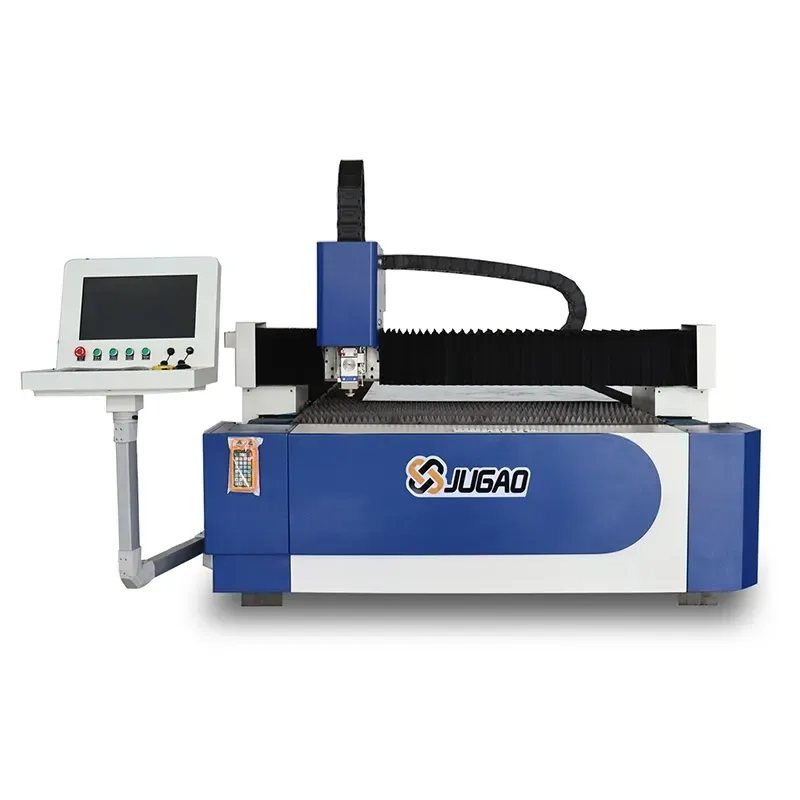
Laser cutting has evolved into an indispensable processing technology for new energy manufacturers. It helps enterprises accelerate production rhythm, upgrade material utilization rate and achieve ultra-high processing precision. With the rapid expansion of market demand for renewable energy equipment, this advanced cutting technology empowers the whole industrial chain including photovoltaic solar energy, power batteries, wind power and hydrogen energy systems, bringing strong competitive strengths to manufacturers. This article elaborates on the application value of laser cutting in modern new energy manufacturing, and explains how enterprises can take full advantage of this technology to seize market opportunities.
The Value of Laser Cutting in the New Energy Field
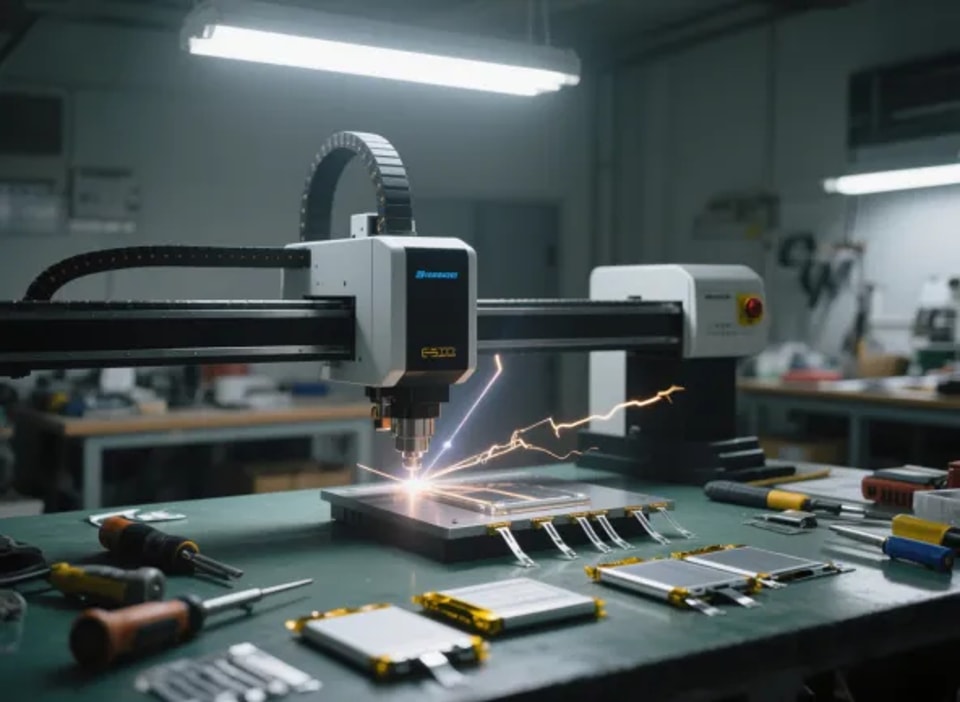
Laser cutting technology has become a core supporting process in the production and manufacturing of new energy equipment. It can deliver smooth, precise and highly repeatable cutting effects, perfectly matching the processing demands of stainless steel, aluminum alloy, copper and other mainstream raw materials widely used in green energy equipment.
Advantages of Adopting Laser Cutting in Solar Panel Production
Efficient Manufacturing of Frames and Supporting Brackets
Laser cutting equipment greatly boosts the production efficiency of solar panel frames and mounting brackets. Equipped with high-power fiber laser devices, it can stably process large batches of aluminum plates and galvanized steel sheets, effectively lowering manual operation errors and significantly improving overall production capacity.
High-Precision Machining for Ultra-Thin Workpieces
Solar power generation panels contain a large number of ultra-thin, lightweight and fragile precision parts, which require extremely strict dimensional accuracy in production. Laser cutting stands out for such processing scenarios, featuring ultra-small tolerance control and smooth cutting sections. Compared with conventional cutting techniques, it effectively suppresses thermal deformation and internal material stress, avoiding deformation and damage of delicate workpieces while guaranteeing dimensional accuracy.
Optimization of Battery and EV Parts Manufacturing via Laser Cutting
Precision Cutting for Battery Shell Components
Electric vehicle battery packs and energy storage battery systems put forward extremely high requirements on processing precision. Laser cutting can fabricate battery casings, cover plates and isolating parts made of stainless steel and aluminum materials with standard and accurate sizes.
Excellent Machining Adaptability to Copper and Aluminum Materials
Copper and aluminum are core conductive materials for electric vehicle power systems, yet they are hard to process with traditional cutting methods. Laser cutting can form smooth cutting surfaces without oxide layers, which is critical to ensuring stable electrical conductivity of parts.
Application Value of Laser Cutting in Wind Power and Hydrogen Energy Equipment Production
Large-Size Steel Plate Cutting for Wind Turbine Equipment
Laser cutters are able to process large-format steel plates for wind turbine tower cylinders and internal structural supports with outstanding precision. This technology shortens the overall processing cycle, elevates cutting efficiency, and ensures consistent quality and high qualification rate of mass-produced parts.
Contamination-Free Processing for Hydrogen Fuel Cell Components
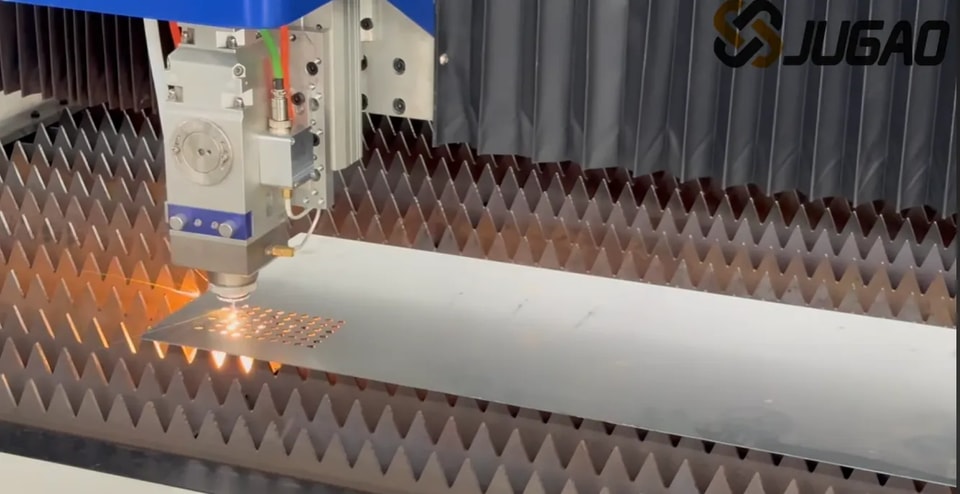
Hydrogen fuel cells require metal plates with ultra-clean surfaces and customized precise shapes. Laser cutting realizes non-pollution forming of such workpieces, optimizing hydrogen circulation conditions and improving the overall energy conversion efficiency of fuel cells.
Long-Term Strategic Advantages of Laser Cutting for the New Energy Industry
• Reduced Material Waste: The high-precision positioning and cutting capability of laser equipment greatly cuts down raw material loss.
• Cut Down Labor Expenses: Highly automated processing mode reduces dependence on manual operation and assembly.
• Stable Product Quality: It provides reliable quality assurance for high-standard new energy power products.
• Strong Production Flexibility: It supports quick switching of processing specifications for different parts and raw materials.
Frequently Asked Questions
Applicable processing materials of laser cutters in the new energy sector
Laser cutting devices are perfectly suitable for processing aluminum alloy, stainless steel, galvanized steel, copper and other common raw materials, which are widely applied in photovoltaic panels, electric vehicles, energy storage batteries and wind power equipment.
Cost-saving effects of laser cutting on manufacturing
With high-speed operation, high-precision forming and full-process automated processing features, laser cutting reduces material waste, manual input and defective rework costs, thus comprehensively lowering the overall manufacturing expenditure.
Feasibility of laser cutting for new energy component prototype development
Laser cutting boasts outstanding flexible processing performance, which is applicable to both small-batch prototype trial production and large-scale standardized mass manufacturing of new energy parts.
Improvement of product comprehensive performance by laser cutting
The smooth cutting edges, standard geometric shapes and pollution-free processing features of laser cutting enable better assembly matching between parts, and further enhance the operational stability and service performance of new energy systems.
Conclusion
In the new energy industry, laser cutting is no longer merely a conventional processing method, but a core driving force for realizing high-efficiency, large-scale and high-quality production. Whether it is the R&D and manufacturing of new-generation photovoltaic modules, electric vehicle power batteries or wind power complete equipment, laser technology can help manufacturers cope with complex modern manufacturing challenges. If you want to know more details, or explore how JUGAO’s laser cutting equipment can empower your production layout, you are welcome to contact us at any time or check our complete product solutions.
Contact Us