
How to Fix Slow Ram Movement on a Press Brake
2026-05-06

Table of Contents
• Understanding Slow Ram Movement in Press Brakes
• Step-by-Step Troubleshooting for Slow Press Brake Ram Movement
a. Check Hydraulic Oil Level and Quality
b. Inspect Hydraulic Pump and Pressure Settings
c. Check Proportional Valves and Flow Control Valves
d. Examine the Electrical Control System
e. Inspect Mechanical Parts and Lubrication
• Preventive Maintenance to Prevent Slow Ram Movement
○ Daily Inspection
○ Weekly Maintenance
○ Monthly System Check
• Frequently Asked Questions
○ What is the most common cause of slow ram movement in press brakes?
○ Can a worn hydraulic pump cause slow ram movement?
○ Does insufficient lubrication affect press brake ram speed?
○ How can I avoid slow ram movement on my press brake in the future?
• Conclusion
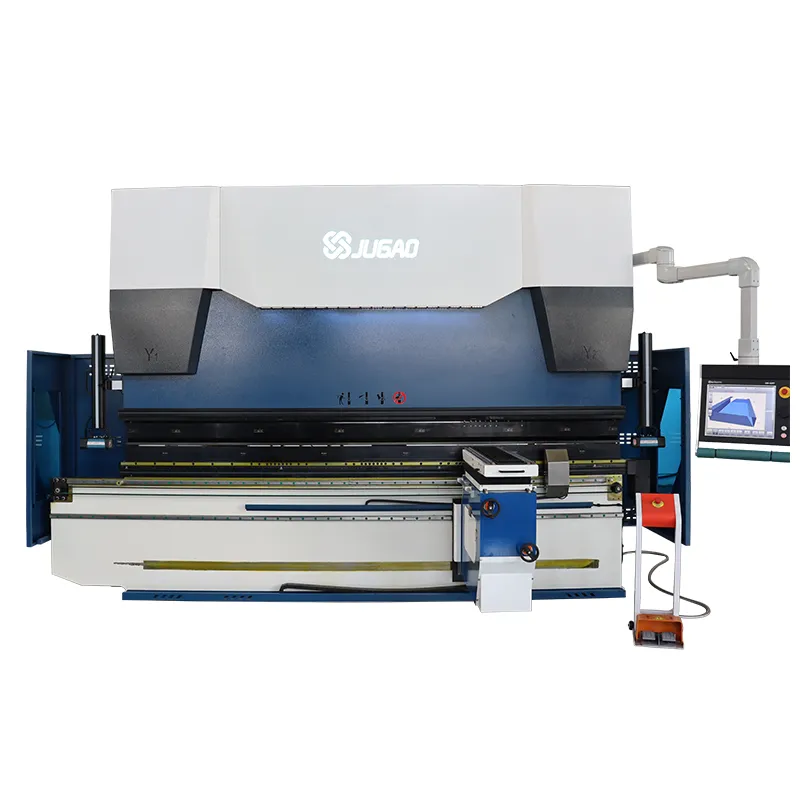
If you’ve encountered slow ram movement while operating a press brake, this is a frequent issue in sheet metal fabrication facilities. It typically arises after prolonged machine operation, inadequate maintenance, or malfunctions within the hydraulic system. A slow ram not only lowers bending efficiency and disrupts production plans but may also signal underlying mechanical or hydraulic defects. This guide will walk you through the most frequent causes of slow ram movement and provide actionable troubleshooting steps to bring your machine back to normal operating speed and performance.
Understanding Slow Ram Movement in Press Brakes
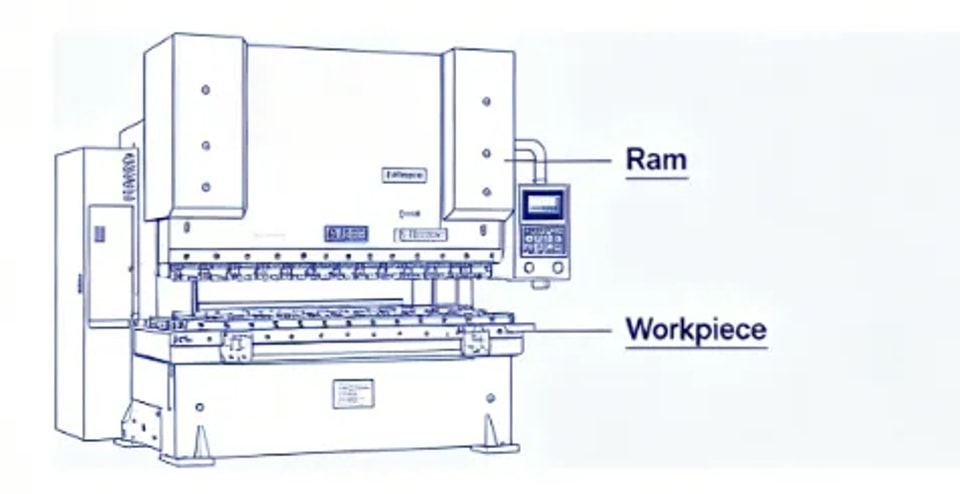
Before starting any repairs, it’s essential to know how a properly working ram should perform. On a fully functional CNC press brake, the ram should move steadily and smoothly through the rapid approach, bending, and return strokes.
Signs of slow ram movement include:
• Sluggish approach speed prior to bending
• Delayed return stroke after bending is completed
• Unstable and inconsistent ram speed
• Longer cycle times during mass production
These issues almost always point to problems in the hydraulic system, electrical parts, lubrication system, or mechanical assemblies.
Step-by-Step Troubleshooting for Slow Press Brake Ram Movement
Step 1: Check Hydraulic Oil Level and Quality
The hydraulic system is the power source for the press brake ram. When troubleshooting slow ram movement, the hydraulic oil should be your first check point.
Low oil volume leads to insufficient pressure, directly causing slow ram movement. Contaminated oil can clog valves and reduce overall system efficiency.
Key checks:
• Verify hydraulic oil is at the manufacturer-recommended level
• Examine oil color and clarity for contamination
• Replace hydraulic oil if it looks dark, dirty, or degraded
• Inspect and clean or replace clogged oil filters
Routine oil changes and filter upkeep often fix most slow movement problems quickly.
Step 2: Inspect Hydraulic Pump and Pressure Settings
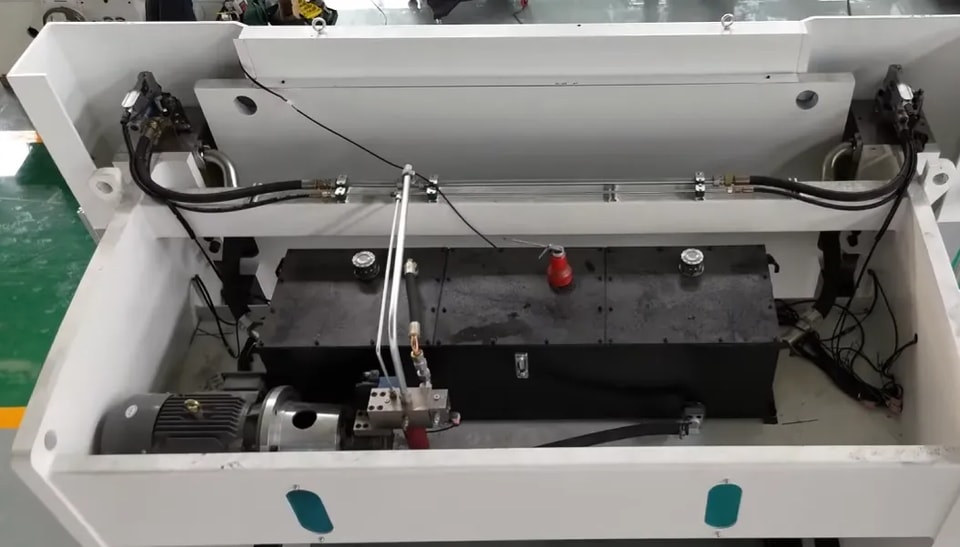
Reduced performance of the hydraulic pump is another leading cause of slow ram movement.
As pumps wear over time, their pressure-generating capacity drops. When system pressure falls below standard levels, the ram will move noticeably slower.
Check these items:
• Unusual noise or excessive vibration from the hydraulic pump
• Readings on the system pressure gauge
• Setting of the relief valve
• Pump leakage or overheating
If pressure is below the factory specification, the pump may need repair or replacement.
Step 3: Check Proportional Valves and Flow Control Valves
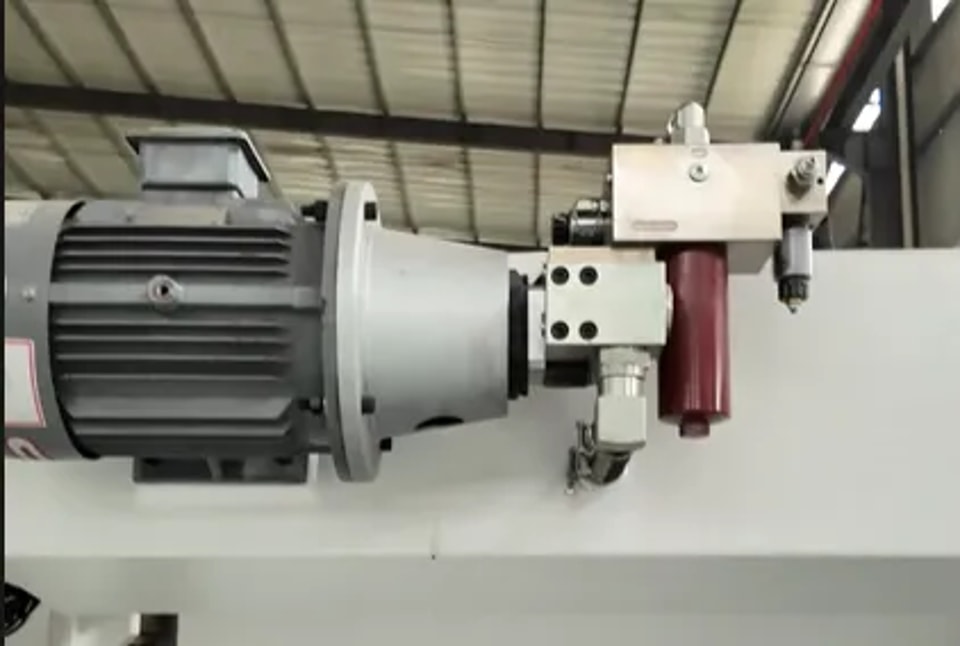
On modern CNC press brakes, proportional valves control hydraulic flow and precisely adjust ram speed.
When these valves become dirty, blocked, or worn, they restrict oil flow and trigger slow ram movement.
Common inspection steps:
• Clean the valve block thoroughly
• Test the response speed of proportional valves
• Ensure solenoid valves actuate normally
• Check for internal contamination in the valve block
In many cases, basic valve cleaning can restore normal ram speed immediately.
Step 4: Examine the Electrical Control System

Electrical faults can also limit ram movement speed.
Issues like faulty servo drives, loose wiring connections, or incorrect parameters in the CNC controller can all result in slow ram movement.
Inspection checklist:
• Tighten all connections in the electrical cabinet
• Check for alarms or error codes on the servo drive
• Review CNC parameters related to ram speed
• Confirm synchronization of the backgauge system
If CNC parameters were accidentally altered, restoring factory default settings may resolve the problem.
Step 5: Inspect Mechanical Parts and Lubrication
Mechanical resistance is a common hidden cause of slow ram movement.
Inadequate lubrication on guide rails, sliding surfaces, or ball screws increases friction, forcing the ram to move slower.
Maintenance items:
• Lubricate guide rails and mechanical joints as scheduled
• Check ram guides for wear or damage
• Remove dust and debris from sliding surfaces
• Inspect linear guides on the backgauge
Regular lubrication is one of the most effective ways to prevent slow ram movement.
Preventive Maintenance to Prevent Slow Ram Movement
While troubleshooting fixes current problems, preventive maintenance is the best way to minimize future issues.
Daily Inspection
• Clean the machine and surrounding workspace
• Check hydraulic oil level
• Watch for abnormal noise or vibration during ram movement
Weekly Maintenance
• Inspect hydraulic hoses and connectors for leaks or damage
• Lubricate all key mechanical components
• Check cooling fans in the electrical cabinet
Monthly System Check
• Test stability of hydraulic pressure
• Replace filters if they are dirty or expired
• Verify CNC control parameters are correct
Consistent maintenance greatly reduces the risk of slow ram movement and unexpected downtime.
Frequently Asked Questions
What is the most common cause of slow ram movement in press brakes?
In most situations, the top cause is low hydraulic oil level or contaminated hydraulic oil. Poor oil quality lowers system pressure and directly impacts ram speed.
Can a worn hydraulic pump cause slow ram movement?
Yes. A damaged or worn hydraulic pump cannot produce enough pressure, resulting in slower ram movement during bending cycles.
Does insufficient lubrication affect press brake ram speed?
Definitely. Lack of lubrication raises friction on guide rails and moving parts, which noticeably slows the ram.
How can I avoid slow ram movement on my press brake in the future?
The best approach is consistent preventive maintenance, including checking hydraulic oil, cleaning valves, lubricating parts, and inspecting the electrical system regularly.
Conclusion
Slow ram movement is a widespread press brake problem that harms productivity and bending accuracy. Based on practical experience, the issue usually stems from bad hydraulic oil, weak pump performance, blocked valves, incorrect electrical settings, or high mechanical friction. By following a structured troubleshooting process and keeping up with regular maintenance, you can quickly restore normal ram speed and avoid future breakdowns.
If you need professional help diagnosing press brake performance problems or building a customized equipment maintenance plan, contact our technical support team. Proper maintenance and timely troubleshooting will keep your press brake running efficiently and reliably for years.
Contact Us