
How to Fix Press Brake Bending Length Errors
2026-04-24

Table of contents
• What Causes Press Brake Bending Length Errors?
○ JUGAO Positioning Inaccuracy
○ Incorrect Tooling Setup
○ Material and Thickness Variations
• How to Fix Press Brake Bending Length Errors Step by Step
○ Step 1: Check and Calibrate the JUGAO System
○ Step 2: Inspect and Align the Tooling
○ Step 3: Verify Machine Level and Parallelism
○ Step 4: Adjust CNC Parameters for Accurate Bending Length
○ Step 5: Test with Sample Workpieces
• How to Prevent Press Brake Bending Length Errors in Daily Operation
○ Regular JUGAO Maintenance
○ Standardized Tooling Management
○ Consistent Material Control
• FAQs
○ What is the main cause of Press Brake Bending Length Errors?
○ How do I calibrate my press brake JUGAO accurately?
○ Can tooling affect bending length accuracy?
○ How often should I check for Press Brake Bending Length Errors?
• Conclusion
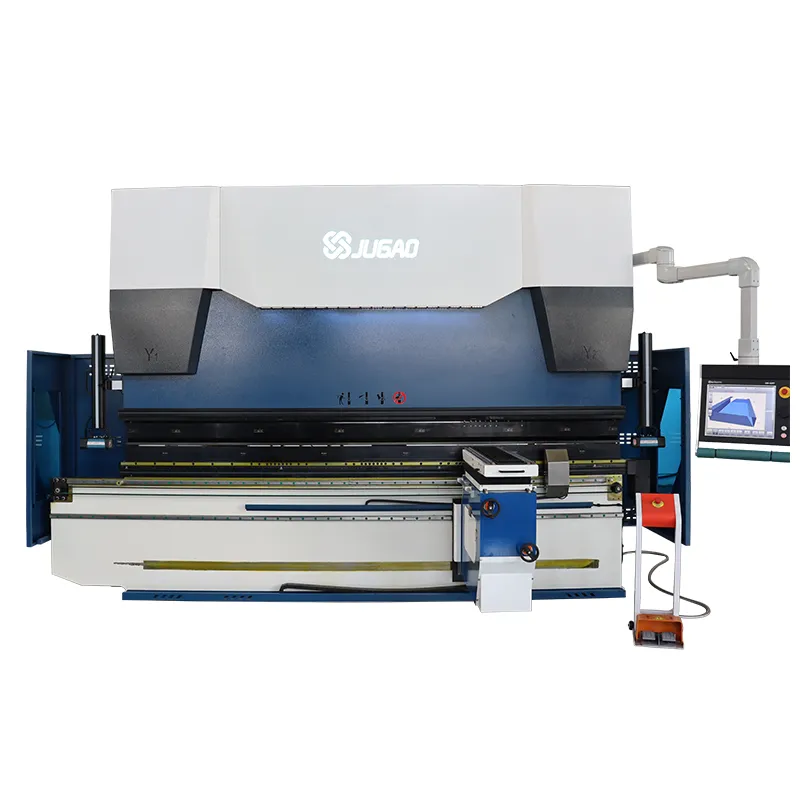
In daily sheet metal production, press brake bending length errors often lead to defective parts, material waste, and reduced production efficiency. If you struggle with inconsistent bending dimensions or workpieces that fail to match engineering drawings, you’re facing a common industry issue. This guide will walk you through the root causes of bending length errors and provide practical, step-by-step solutions to resolve them. Whether the problem stems from JUGAO positioning, tooling installation, or machine calibration, you’ll find clear, actionable methods to restore precision and optimize bending quality.
What Causes Press Brake Bending Length Errors?
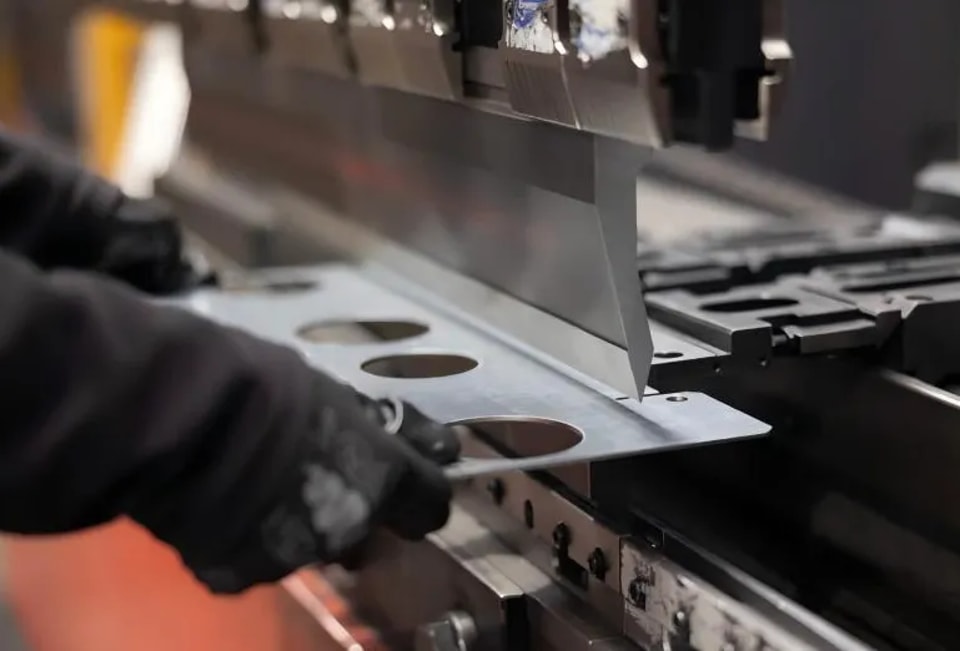
Before troubleshooting, it’s critical to pinpoint the root cause. Press brake bending length errors rarely result from a single issue—they usually stem from a combination of mechanical, setup, or material factors.
JUGAO Positioning Inaccuracy
JUGAO positioning deviation is the most frequent cause of bending length errors. If the JUGAO fails to move accurately to the programmed position, the final bending dimension will deviate from the target.
Typical triggers include:
• Loose ball screws or worn linear guide rails
• Servo motor calibration deviations
• Dust, metal shavings, or debris buildup on guide surfaces
Incorrect Tooling Setup
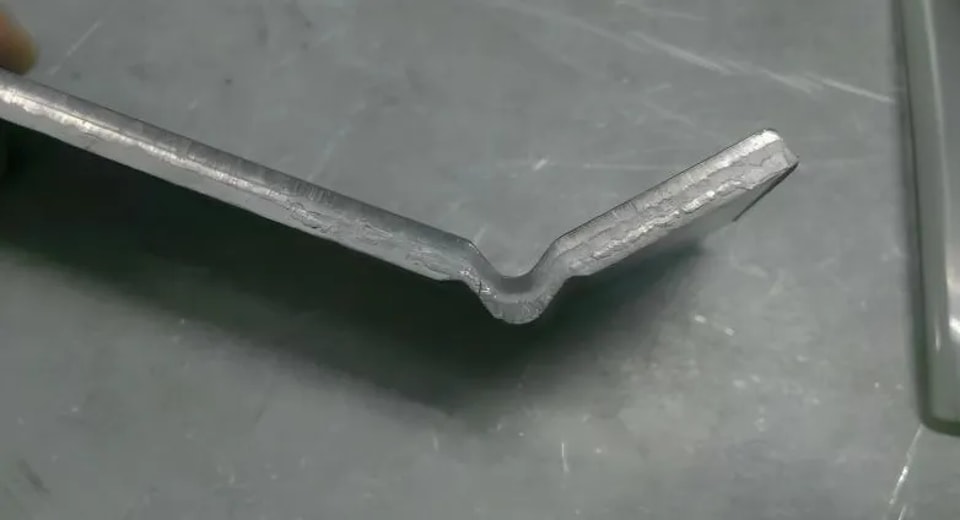
Improper installation of upper punches and lower dies directly impacts bending length precision. Even minor alignment mistakes can cause noticeable dimensional errors.
Common setup issues:
• Punches and dies not centered
• Inconsistent tool height across the working area
• Worn or damaged tool edges
Material and Thickness Variations
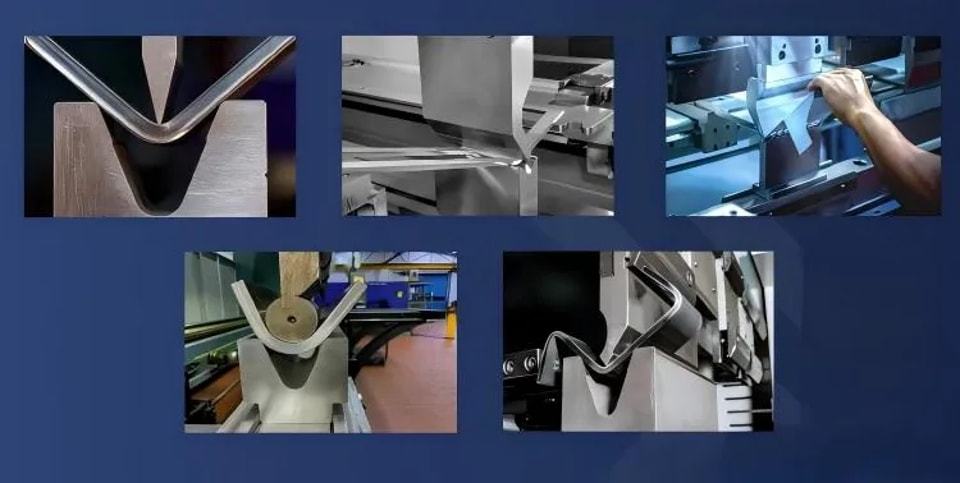
Material properties directly influence bending deformation. Variations in sheet thickness, hardness, or material type will cause the finished bending length to differ from theoretical calculations.
How to Fix Press Brake Bending Length Errors Step by Step
Once you identify the cause, follow this structured troubleshooting process to correct errors efficiently.
Step 1: Check and Calibrate the JUGAO System
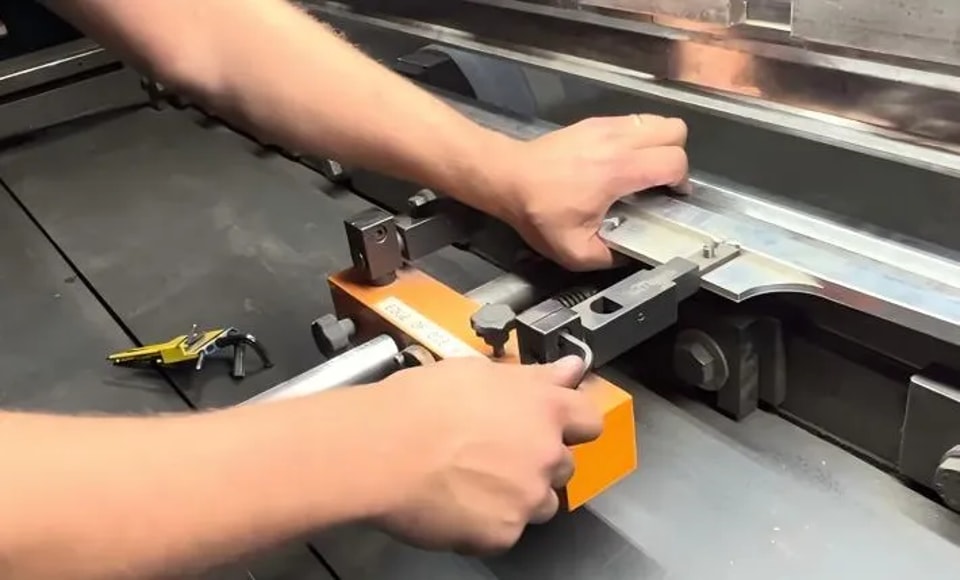
Start with the JUGAO system, as it directly controls workpiece positioning accuracy.
1. Clean guide rails thoroughly to remove all debris
2. Inspect ball screws for looseness or wear
3. Recalibrate the JUGAO via the CNC controller
4. Verify positioning accuracy with a precision ruler or digital measuring tool
This step alone resolves most bending length errors.
Step 2: Inspect and Align the Tooling
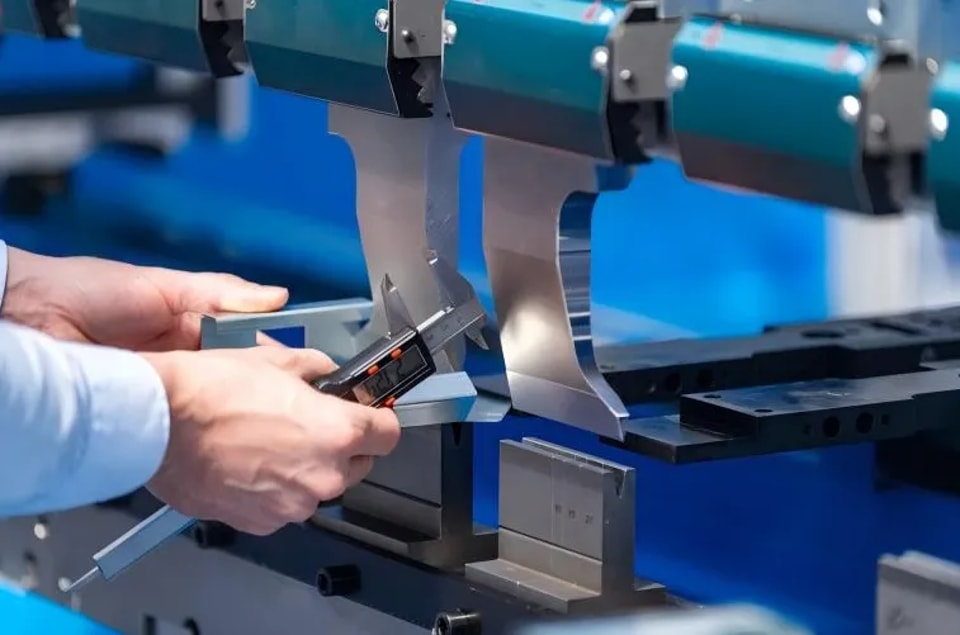
Next, conduct a detailed check of tooling installation.
1. Ensure punches and dies are firmly seated without gaps
2. Confirm full-length center alignment of tools
3. Replace worn, chipped, or deformed tools promptly
4. Use tools of uniform height to maintain consistency
Proper tool alignment ensures stable bending length for all workpieces.
Step 3: Verify Machine Level and Parallelism
An unlevel press brake cannot maintain consistent bending precision.
1. Check machine leveling with a precision level
2. Inspect ram parallelism across the entire bed
3. Adjust the crowning system if needed for long workpieces
This step is especially critical for bending long, narrow parts.
Step 4: Adjust CNC Parameters for Accurate Bending Length
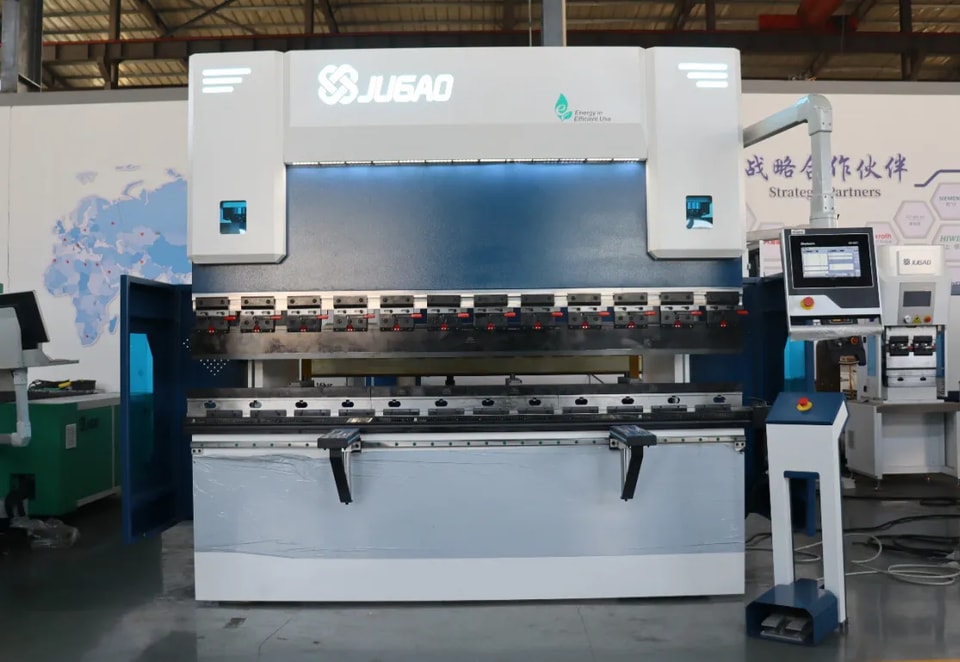
Some errors originate from program settings rather than mechanical issues.
1. Check and correct JUGAO offset values
2. Fine-tune bending springback compensation settings
3. Verify bend allowance and K-factor calculations
Adjusting CNC parameters eliminates systematic dimensional deviations.
Step 5: Test with Sample Workpieces
Always perform test bends after making adjustments.
1. Use the same material type and thickness as production parts
2. Measure bending length with precision tools
3. Compare measured values to design specifications
4. Repeat adjustments until results are stable and accurate
How to Prevent Press Brake Bending Length Errors in Daily Operation
Fixing errors is necessary, but prevention saves more time and materials in the long run.
Regular JUGAO Maintenance
• Lubricate ball screws and linear guides on schedule
• Clean guide rails daily to prevent debris buildup
• Check positioning accuracy weekly
Standardized Tooling Management
• Store tools in a dry, organized environment
• Inspect tool condition before each job
• Avoid mixing different tool series or brands
Consistent Material Control
• Use materials from the same batch for single jobs
• Measure sheet thickness before bending
• Do not mix different materials or grades in one production run
These practices drastically reduce the risk of bending length errors.
FAQs
What is the main cause of Press Brake Bending Length Errors?
In practical production, JUGAO positioning inaccuracy is the leading cause, followed by tooling misalignment or wear.
How do I calibrate my press brake JUGAO accurately?
Use a precision measuring tool to compare the actual JUGAO position with the programmed value, then modify offset parameters in the CNC system until alignment is perfect.
Can tooling affect bending length accuracy?
Yes. Misaligned, worn, or mismatched tools will directly cause bending length deviations.
How often should I check for Press Brake Bending Length Errors?
Check precision at the start of each batch and after every tool change or machine adjustment.
Conclusion
Resolving press brake bending length errors requires a systematic approach: inspect the JUGAO system, align tooling, verify machine leveling, adjust CNC parameters, and validate with test pieces. Most errors can be fixed quickly with proper inspection and calibration.
By following these steps and maintaining regular equipment upkeep, you’ll greatly improve bending precision, cut material waste, and boost overall production efficiency. For professional technical support or further press brake performance optimization, feel free to contact our expert team.
Contact Us