
How to Fix Common Press Brake Problems
2026-05-08

Table of Contents
• How to Fix Common Press Brake Problems
• Common Press Brake Problems and Their Solutions
• Preventive Maintenance Tips
• Introduction
• Conclusion
Dealing with press brake malfunctions can bring production to a standstill, impacting efficiency and delivery schedules. Mastering targeted troubleshooting methods helps quickly resolve faults and keep operations running smoothly.
To address frequent press brake issues, start by examining hydraulic system pressure, verifying all electrical connections, and confirming tool alignment. Consistent upkeep and precise calibration are effective ways to avoid problems like inconsistent bends or system malfunctions. If issues persist, refer to the operation manual or reach out to professional technical support.
Next, we will break down step-by-step methods to diagnose and fix specific press brake faults in detail.
Press brakes play an indispensable role in metalworking, enabling accurate bending and forming of various metal materials. As complex industrial equipment, they are prone to performance issues during long-term use. This article focuses on typical faults of press brakes and provides practical solutions to reduce downtime.

How to Fix Common Press Brake Problems
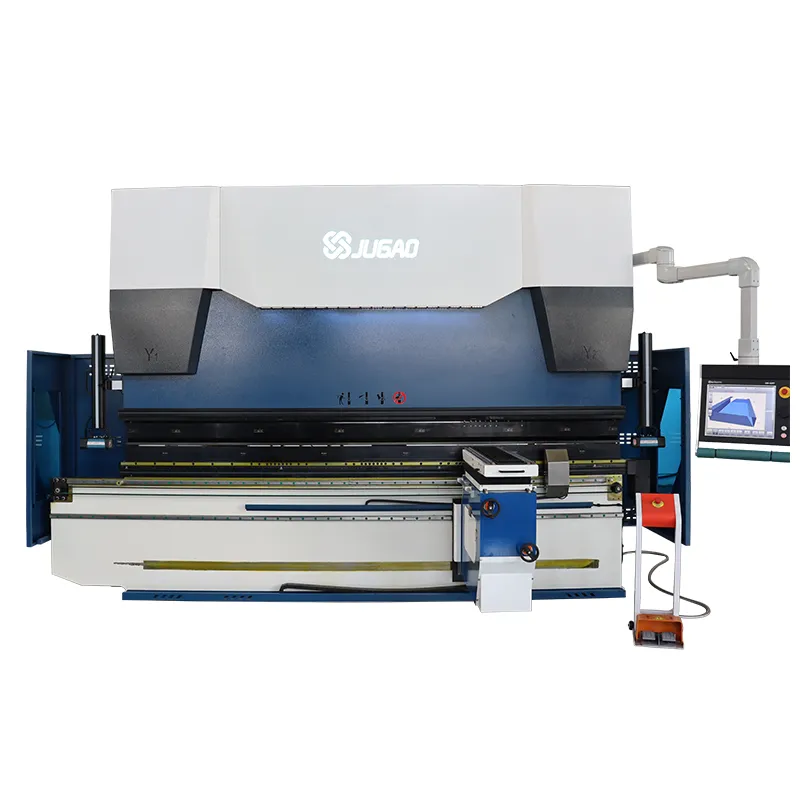
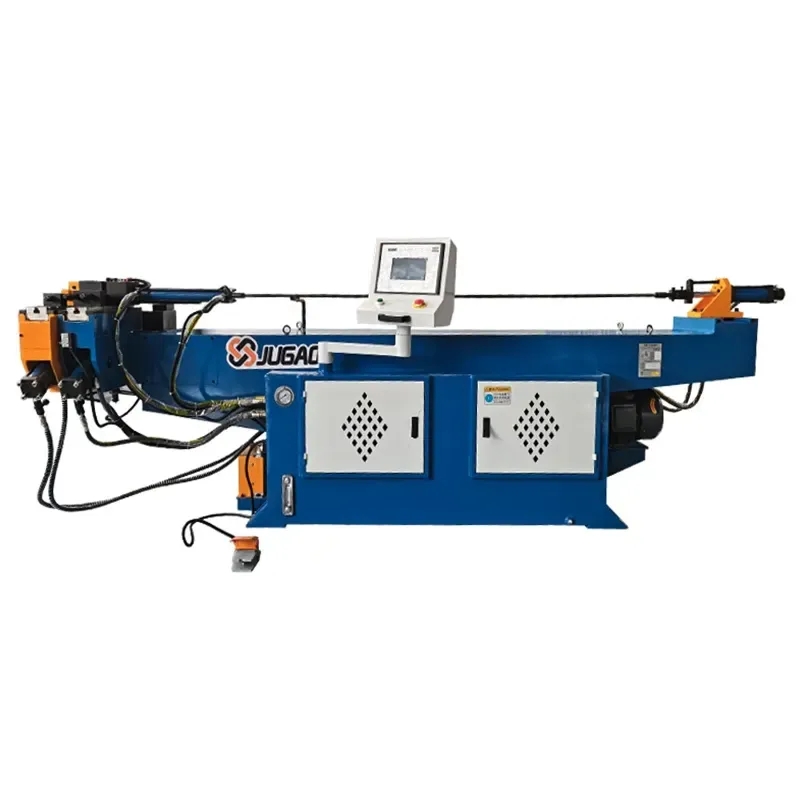
This article shares key operation guidelines for using JUGAO press brakes immediately after installation and preparation. Keep these tips in mind to eliminate potential faults, especially when the machine fails to start.
Press brakes are core equipment in metal fabrication, supporting high-precision bending and forming tasks. Due to their complex structure, various faults may occur that affect normal operation. The following guidance helps you handle common problems to maintain stable machine performance and reduce production interruptions.
Common Press Brake Problems and Their Solutions
1. Inaccurate Bending Angles
• Symptoms: Finished workpieces cannot reach the required bending angles.
• Causes: Abraded tooling, wrong parameter settings, or system calibration deviation.
• Solutions:
a. Check and replace worn dies or bending tools in a timely manner.
b. Recalibrate the press brake strictly following the manufacturer’s instructions.
c. Select matching tooling based on the bending requirements of the workpiece.
2. Ram Failure to Move
• Symptoms: The ram cannot actuate or moves slowly and unsmoothly.
• Causes: Insufficient hydraulic oil, damaged hydraulic pump, or pipeline blockage.
• Solutions:
a. Check the hydraulic oil level and replenish it to the standard scale.
b. Test the operating status of the hydraulic pump and replace defective parts if needed.
c. Clean out blockages in hydraulic pipelines to ensure smooth oil flow.
3. Electrical System Faults
• Symptoms: Control panel is unresponsive, or error codes appear on the display.
• Causes: Damaged or loose wiring, blown fuse, or control system software abnormality.
• Solutions:
a. Inspect all electrical circuits for damage, poor contact or looseness.
b. Replace blown fuses and restart the machine to reset the system.
c. Upgrade or reinstall the control system software when necessary.
4. Uneven Bends or Material Deformation
• Symptoms: The bent workpiece has uneven surfaces or obvious deformation.
• Causes: Incorrect workpiece positioning, non-standard setup, or abnormal tooling status.
• Solutions:
a. Adjust and verify the alignment of the machine and the workpiece.
b. Operate in strict accordance with standard machine setup procedures.
c. Fine-tune tooling to ensure uniform pressure distribution during bending.
5. Tool Wear and Damage
• Symptoms: Bending tools show severe wear, chipping or breakage.
• Causes: Improper material operation, mismatched tool selection, or lack of routine maintenance.
• Solutions:
a. Conduct regular inspection and maintenance on bending tooling.
b. Match tool specifications to the processed material and bending task.
c. Establish a periodic maintenance plan to extend tool service life.
Preventive Maintenance Tips
• Routine Inspection: Regularly check hydraulic, electrical and mechanical components to detect hidden faults early.
• Timely Calibration: Perform frequent calibration to guarantee bending accuracy and operational stability.
• Operator Training: Provide systematic training for staff to standardize setup and operation, reducing human errors and equipment loss.
Introduction
Conclusion
Mastering common press brake troubleshooting methods saves significant time and production costs. Combining effective fault resolution with proactive preventive maintenance greatly improves equipment efficiency and service life. For model-specific operation requirements, always consult the official manufacturer’s manual for accurate guidance.
Contact Us