 Get a quote
Resources
How to Avoid Finished Product Damage with Pipe Bending Machines? Professional Quality Control Guide
Pipe breakage (cracks, wrinkles, scratches) is the main cause of finished product scrap. To avoid damage, systematic control is needed in three aspects: materials, molds, and processes.
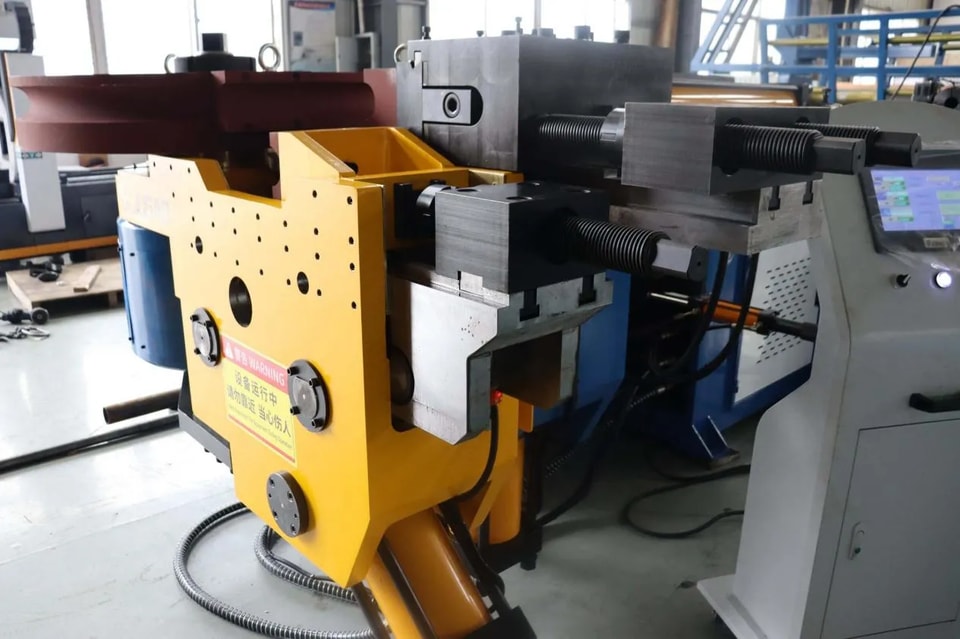
1. Prevent bending cracks (external tensile cracks)
Ensure bending radius R/D ≥ 3 (larger value for thin-walled pipes)
Use pipes with elongation ≥ 20%; high-strength steel can be bent after annealing.
Avoid the tension zone for welded pipes (place in the neutral layer or on the inner side).
Accurate mandrel extension (0.5-1.5mm before the tangent point).
2. Prevent internal wrinkling
The gap between the anti-wrinkle die and the bending die should be such that an A4 sheet of paper can slide between them.
Ball-head mandrels must be used for thin-walled pipes or small R bends.
Reduce bending speed to avoid material buildup.
Appropriately increase pipe wall thickness or use a harder material.

3. Prevent surface scratches
Keep the die grooves clean and polish and remove rust regularly.
Apply special bending oil (to the bending die, mandrel, and anti-wrinkle die).
Clamping force should be such that the pipe does not slip; avoid excessive tightening and indentation.
Remove burrs and metal filings from the pipe blank before bending.
4. Prevent cross-sectional distortion (flattening)
Check if the mandrel specifications match the pipe diameter
Avoid excessively small bending radius (R/D < 2.5, high risk)
The bending die groove depth should match the pipe's outer diameter by more than 85%.
5. Process Validation and First-Piece Control
A first-piece bending test must be performed after each mold or material change.
Use an angle gauge, calipers, and R-gauge for full inspection.
Record successful parameters (pressure, speed, mandrel position) and solidify the process.
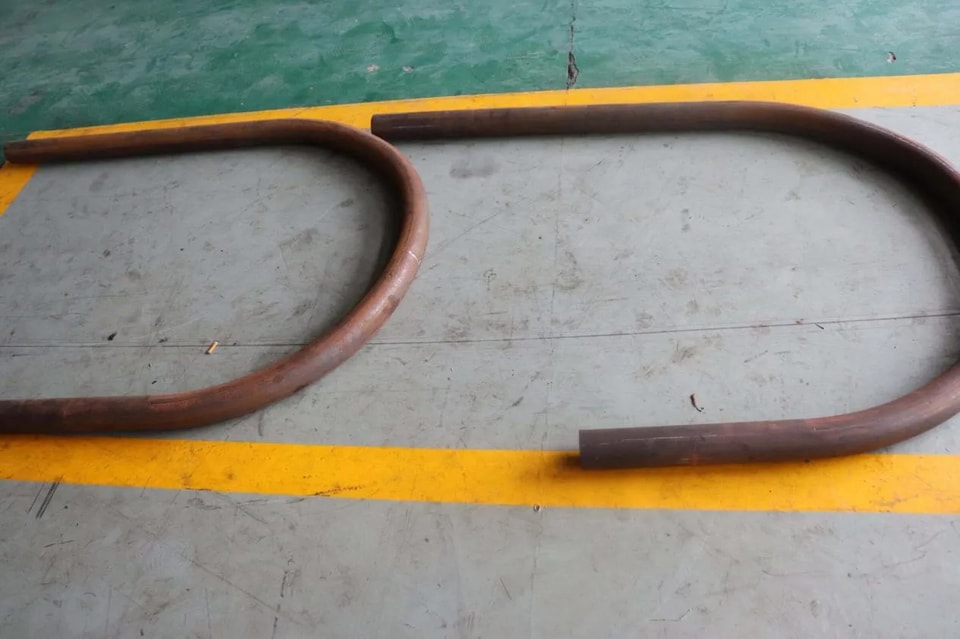
Damage stems from stress concentration and lack of support – selecting the right mold, using the right mandrel, ensuring adequate lubrication, and conducting first-piece verification can improve the yield rate to over 99%.
Related
Keep
reading.
 Comparison of Laser Welding Results and Application Scenarios Across Different Materials
 How to Choose Between Air-Cooled and Water-Cooled Laser Welding Systems
 Understanding Punching Machines: Principles, Types, and Selection
 How can one effectively follow the installation guidelines for a pipe-bending machine?
 For which types of products is an automatic wire-feeding laser welding machine suitable?
 What Are the Latest Punching Machine Trends and Technological Breakthroughs?
 What Triggers Punching Machine Noise and How Can You Quieten It?
 What factors influence the replacement cycle of wear parts in a pipe-bending machine?
 Beyond price, what key parameters should you consider when purchasing welding equipment?
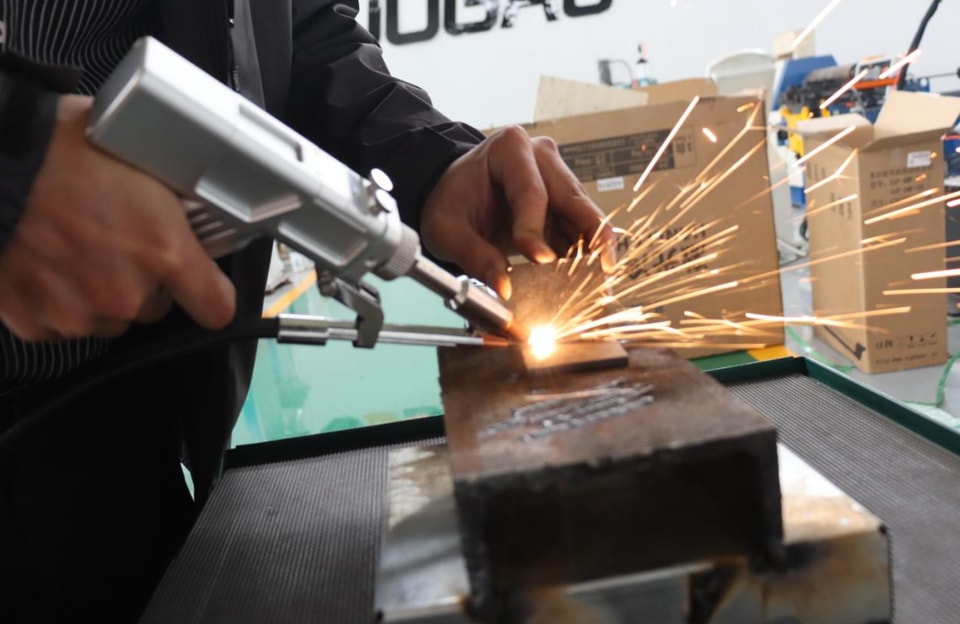 4 Common Methods for Inspecting Weld Quality
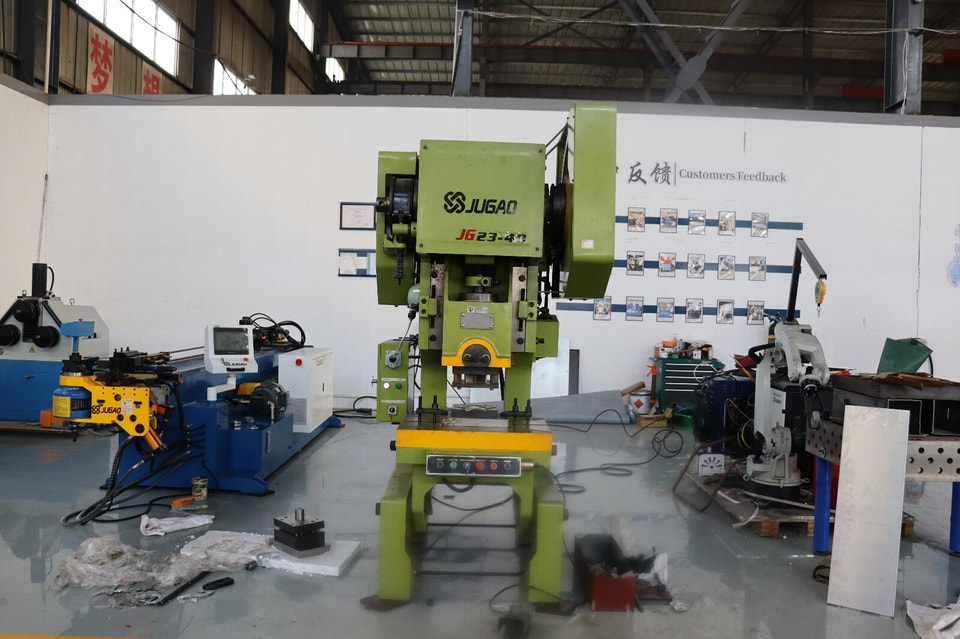 Selecting the Top Punching Machines for Small Workshops & Heavy Industry
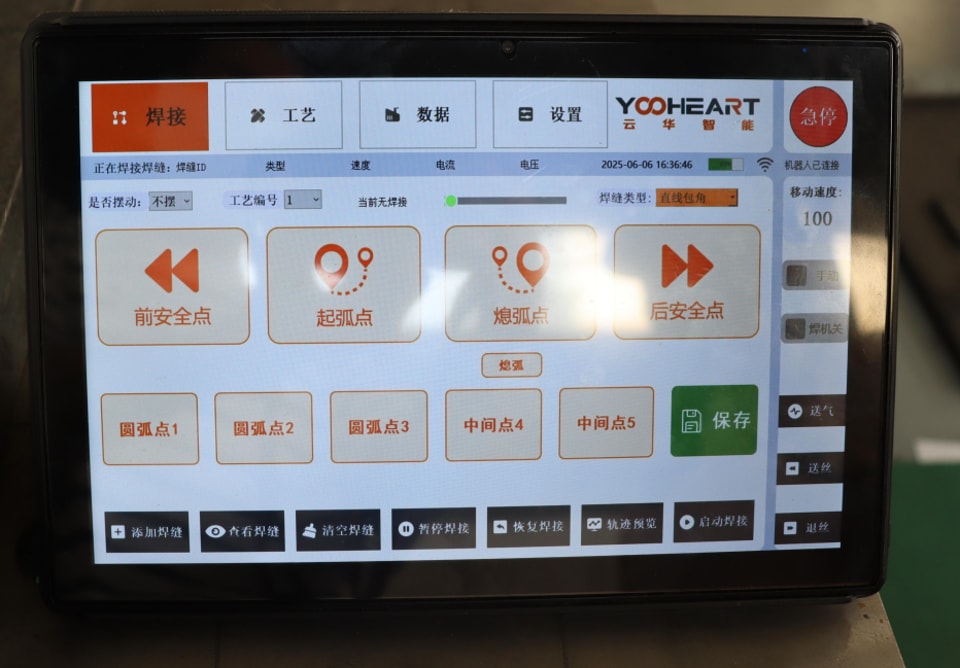 How do you set the welding path for a robotic laser welding machine? Can it perform precise welding on complex workpieces?
Engineering review
Send a drawing.
Get an engineer.
Standard selections answered within 4 hours. Parts outside the rules get a written process review within 24 hours.
- Part drawing: DXF, DWG, STEP or PDF
- Material and thickness
- Longest bend or cut length
- Yearly volume
Write to info@ntjugao.com or message the factory on WhatsApp +86 132 2211 1178.
Drawings (DXF, DWG, STEP, PDF): attach them to an email to info@ntjugao.com, quoting your name.