 Get a quote
Resources
How often should the nozzles of a pipe bending machine be cleaned?

In pipe bending machines, cleaning nozzles are typically used for cooling, lubrication, or cutting assistance. Although small, these nozzles directly affect bending quality, die life, and processing efficiency. Clogged or worn nozzles can lead to uneven lubrication, surface scratches, and even finished product failure. So, how often should cleaning nozzles be maintained?
Recommended Cleaning Frequency:
Daily (Before/After Shift): Visually inspect nozzle roundness and cleanliness, and observe whether the spray pattern is normal.
Weekly/Bi-weekly: Under high load or continuous operation, disassemble the nozzles for deep cleaning, and check for wear or foreign object blockage.
Quarterly: Conduct a comprehensive inspection of the nozzles for external damage or minor cracks, internal damage to the nozzles, wear, pressure stability, and spray uniformity.
Proper Cleaning Methods
1. Preferred Method: Use compressed air to blow air back from the nozzle towards the inlet. This method is the least likely to damage the nozzle.
2. Stubborn Clogs: Remove the nozzle, soak it in a specialized cleaning agent or thinner, and then gently remove any residue with a soft brush.
3. Never Use Hard Objects to Unclog: Do not use steel wire, needles, or other hard objects to poke the nozzle opening, as this will damage the nozzle surface structure, causing spray distortion and pressure drop.
4. Install a Filter: Installing a filter at the nozzle tip can effectively intercept impurities in the cleaning solution, significantly reducing the frequency of clogging.
When is replacement necessary?
1. Change in spray pattern: The spray changes from a uniform fan shape to an oblique, forked, or "water column" pattern.
2. Significant pressure drop: The equipment pressure is normal, but the nozzle outlet pressure is weakened.
3. Obvious wear or deformation at the nozzle orifice.
4. Aging and leakage of seals: Leaks are found at the nozzle connection.
In continuous industrial operation environments, nozzles may need to be inspected every 1-2 weeks, while in low-frequency use scenarios, their service life can reach six months to one year.
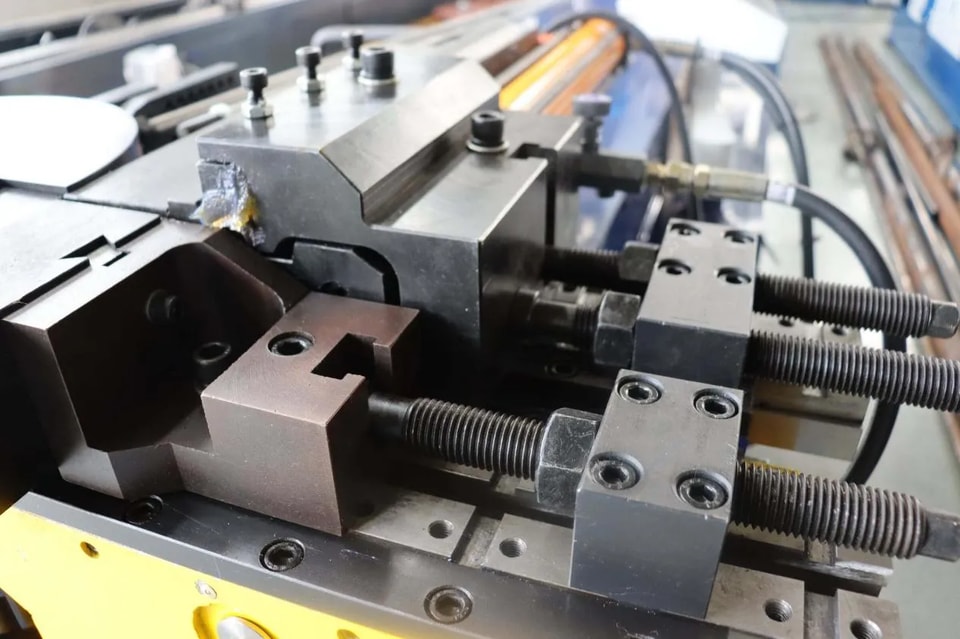
The frequency of cleaning nozzle maintenance depends on the intensity of use—daily visual inspection, weekly deep cleaning, and quarterly comprehensive overhaul. Timely replacement of worn nozzles is essential to ensure stable operation of the pipe bending machine and reliable product quality.
Related
Keep
reading.
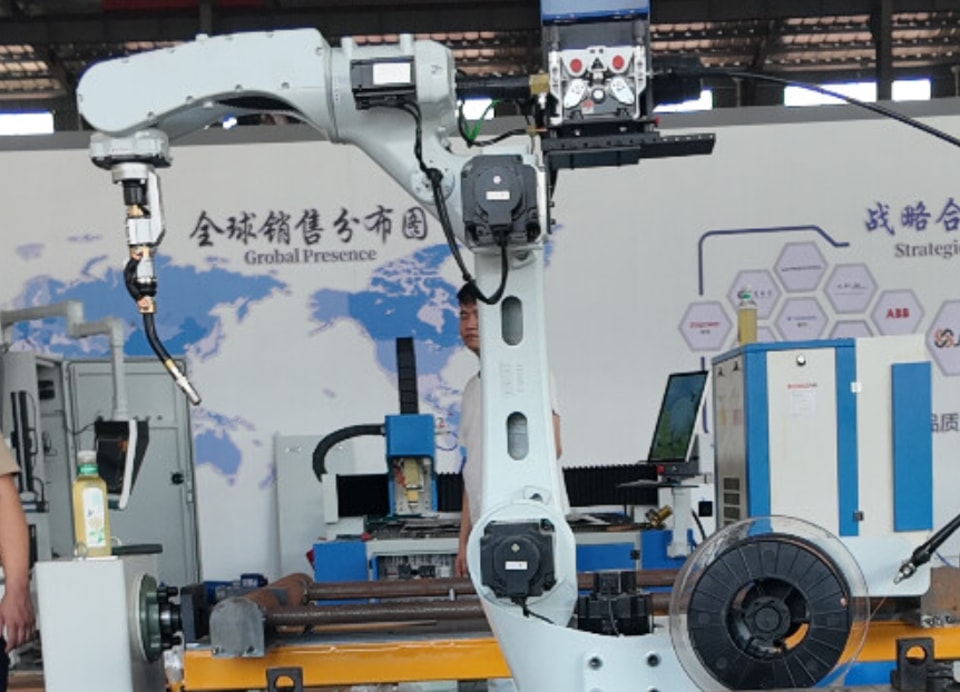 Comparison of Laser Welding Results and Application Scenarios Across Different Materials
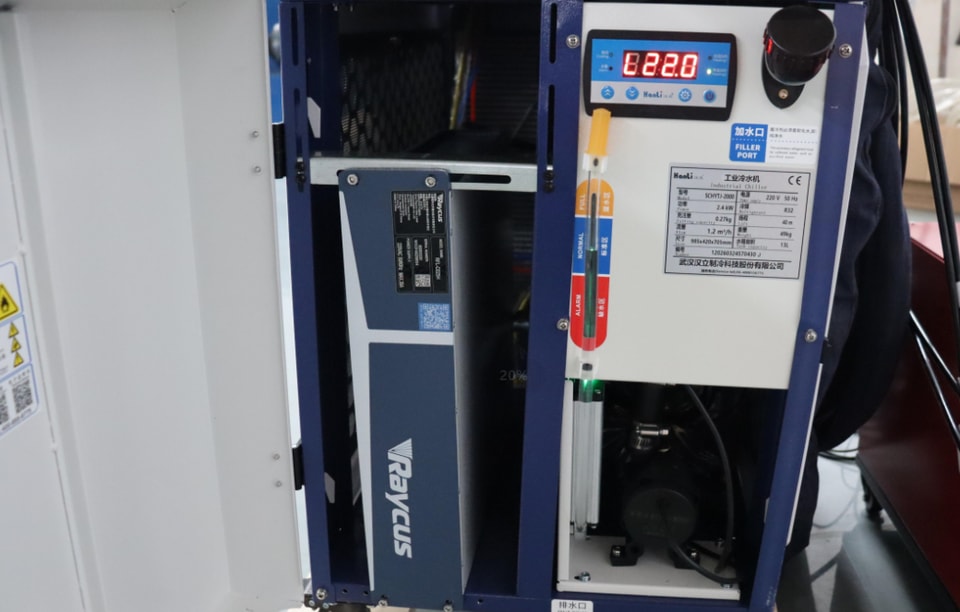 How to Choose Between Air-Cooled and Water-Cooled Laser Welding Systems
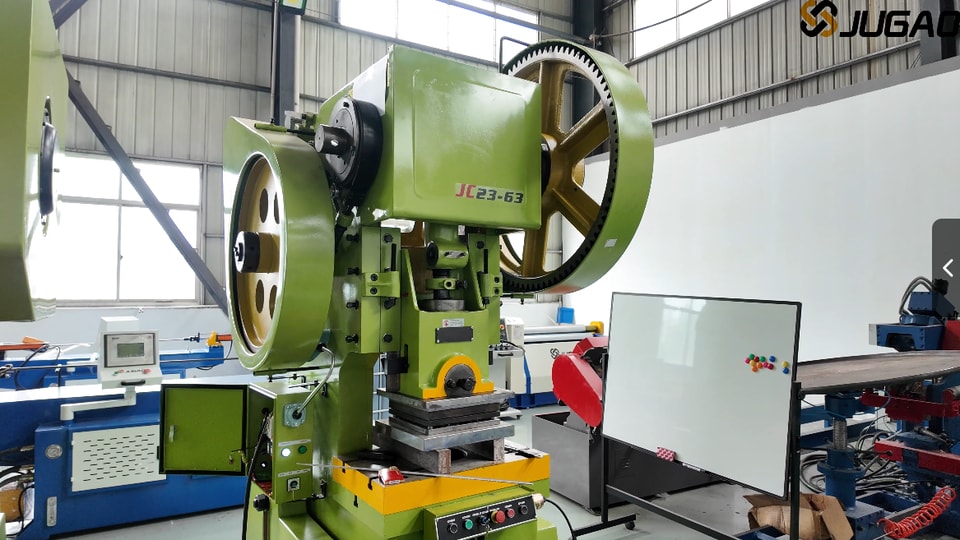 Understanding Punching Machines: Principles, Types, and Selection
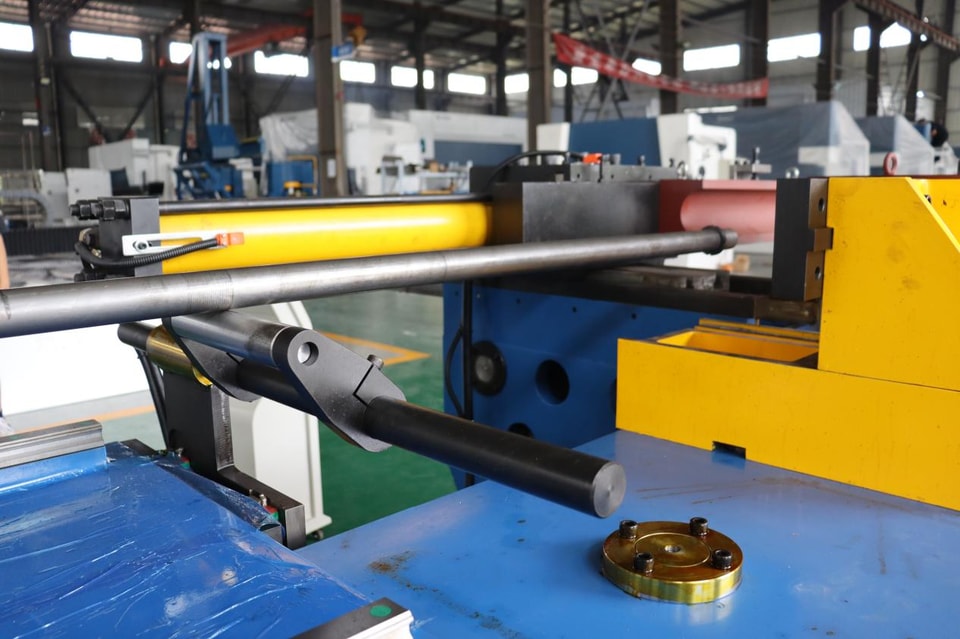 How can one effectively follow the installation guidelines for a pipe-bending machine?
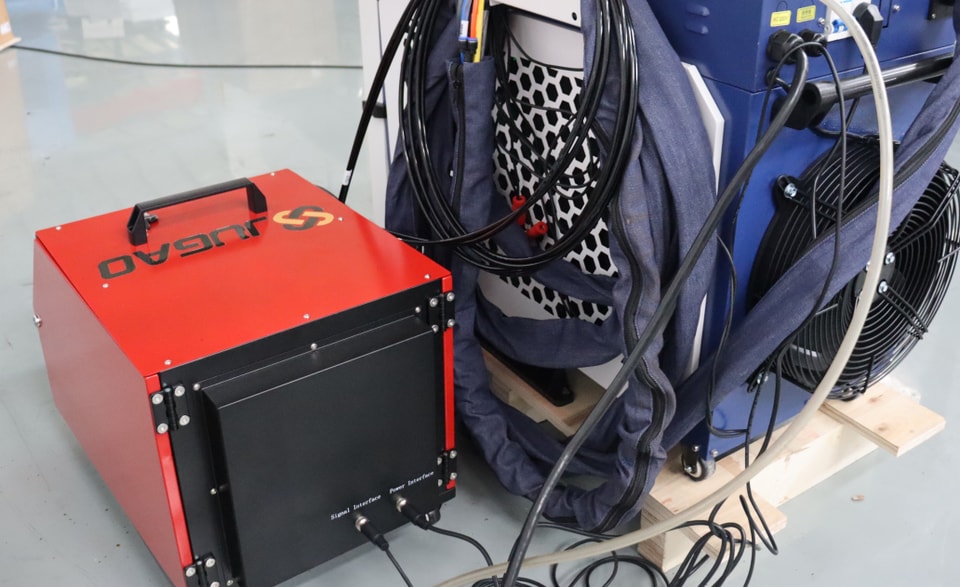 For which types of products is an automatic wire-feeding laser welding machine suitable?
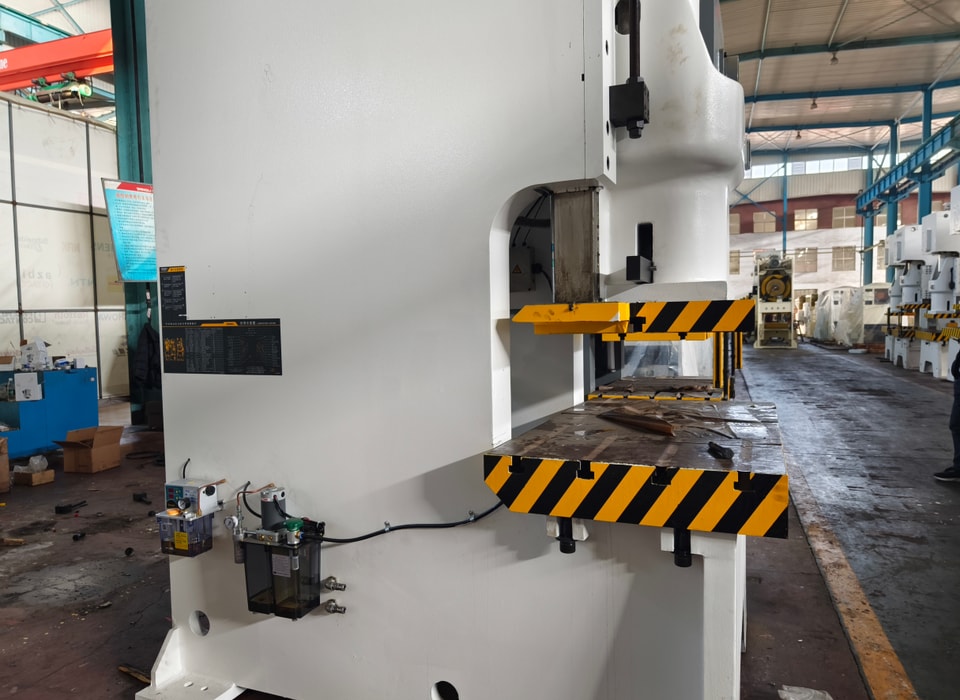 What Are the Latest Punching Machine Trends and Technological Breakthroughs?
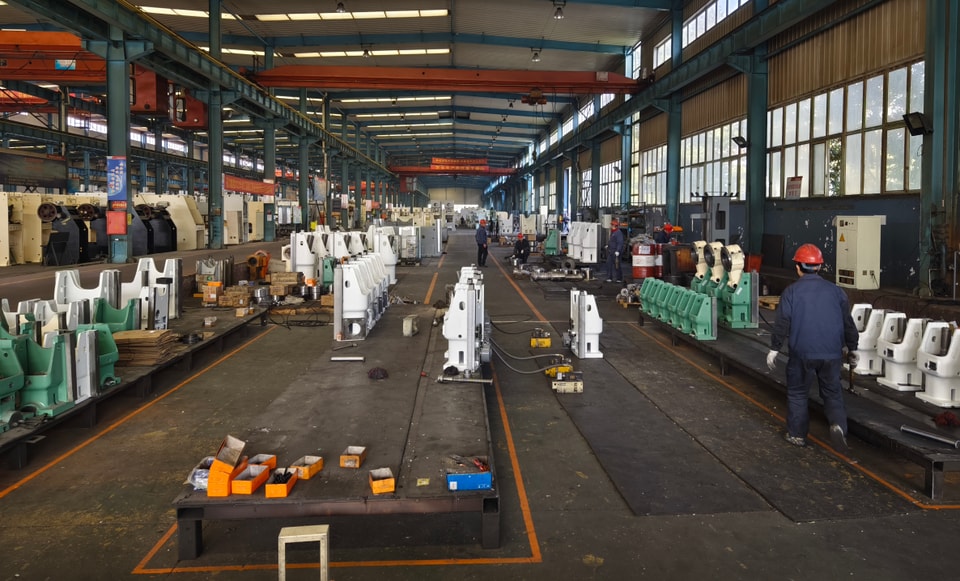 What Triggers Punching Machine Noise and How Can You Quieten It?
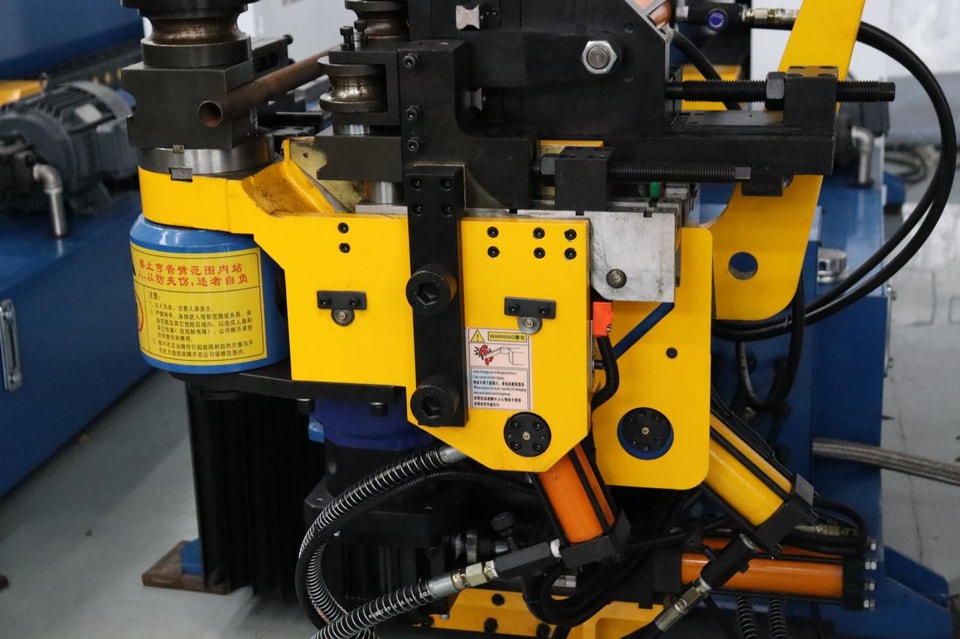 What factors influence the replacement cycle of wear parts in a pipe-bending machine?
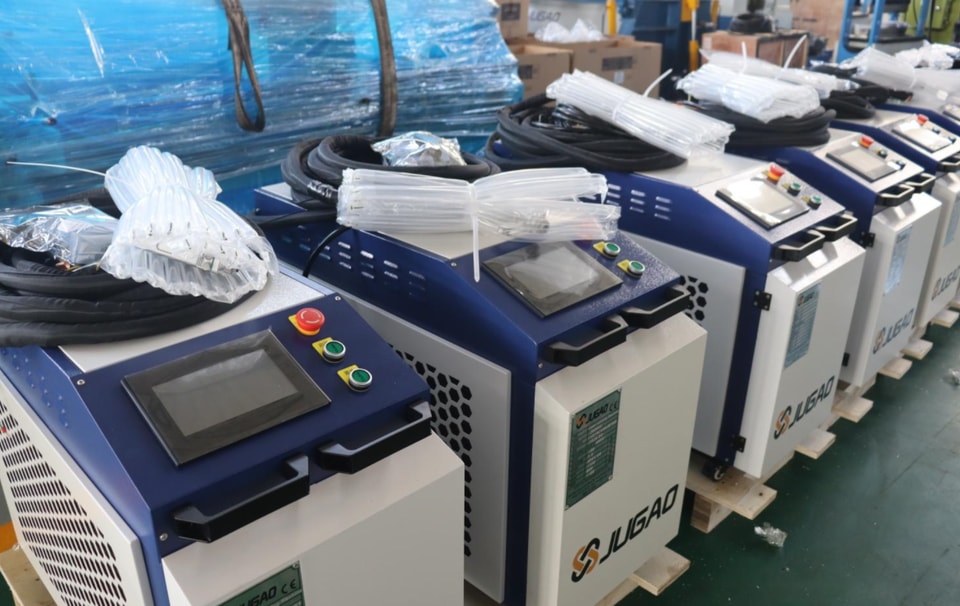 Beyond price, what key parameters should you consider when purchasing welding equipment?
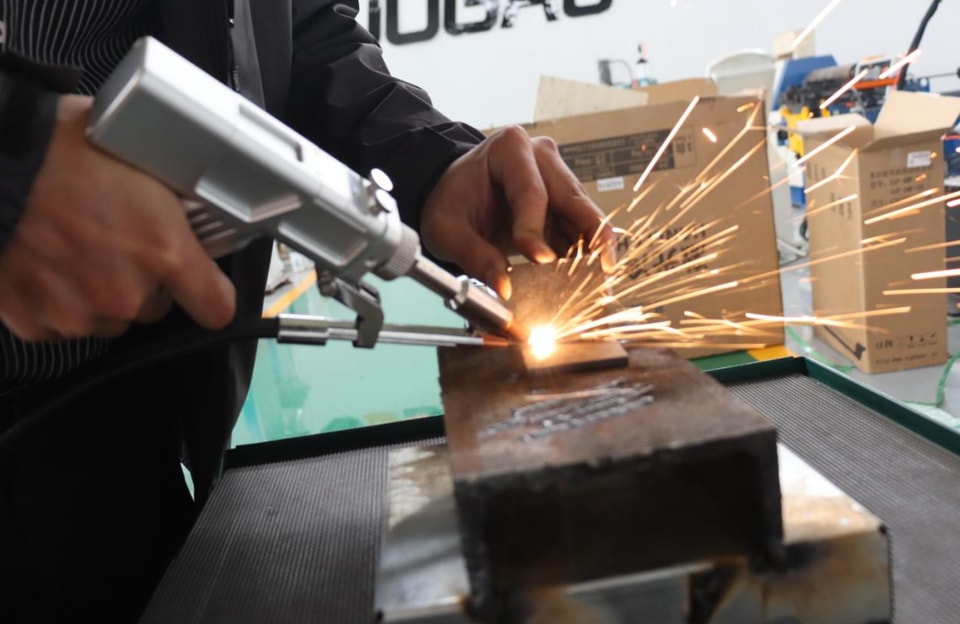 4 Common Methods for Inspecting Weld Quality
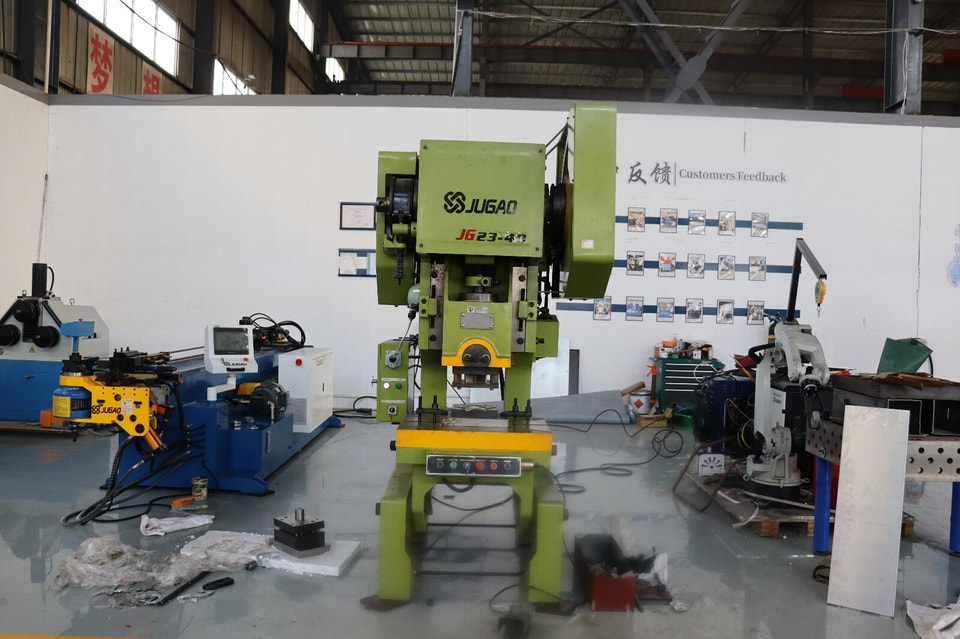 Selecting the Top Punching Machines for Small Workshops & Heavy Industry
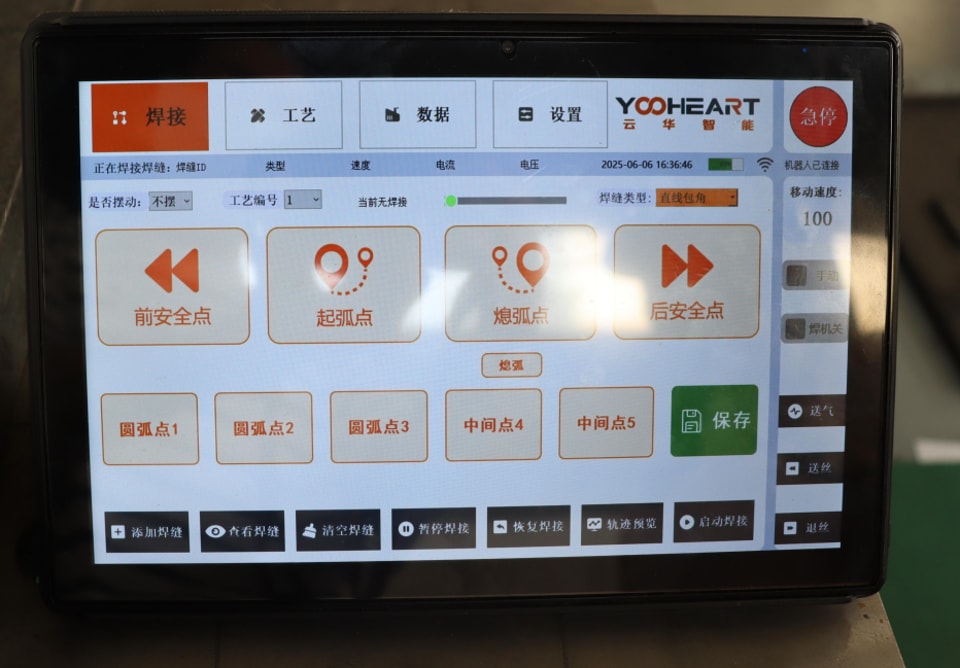 How do you set the welding path for a robotic laser welding machine? Can it perform precise welding on complex workpieces?
Engineering review
Send a drawing.
Get an engineer.
Standard selections answered within 4 hours. Parts outside the rules get a written process review within 24 hours.
- Part drawing: DXF, DWG, STEP or PDF
- Material and thickness
- Longest bend or cut length
- Yearly volume
Write to info@ntjugao.com or message the factory on WhatsApp +86 132 2211 1178.
Drawings (DXF, DWG, STEP, PDF): attach them to an email to info@ntjugao.com, quoting your name.