 Get a quote
Resources
Distribution and Maintenance Guide for Hydraulic System Valves (Below 200 Tons)
1. Valve Distribution
In hydraulic systems below 200 tons, the main valves include:
• Valve 1
• Valve 2
• Valve 3
• Valve 4
• Valve 5

2. Functional Description of Key Valves
1. Main Pressure Valve: Used to adjust the system pressure, serving as the core pressure control component of the hydraulic system.
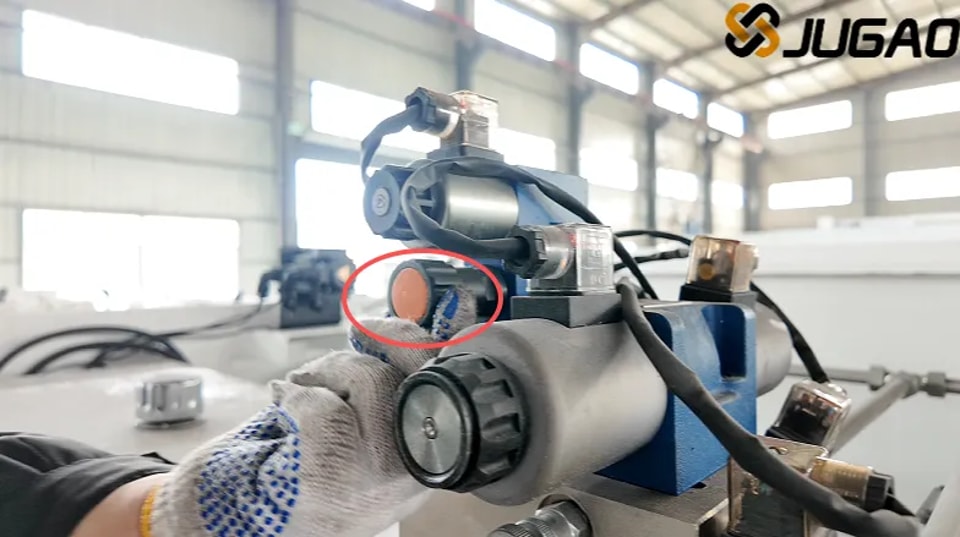
2. Slow Descent Speed Regulating Valve: Controls the slow descending speed of actuators .
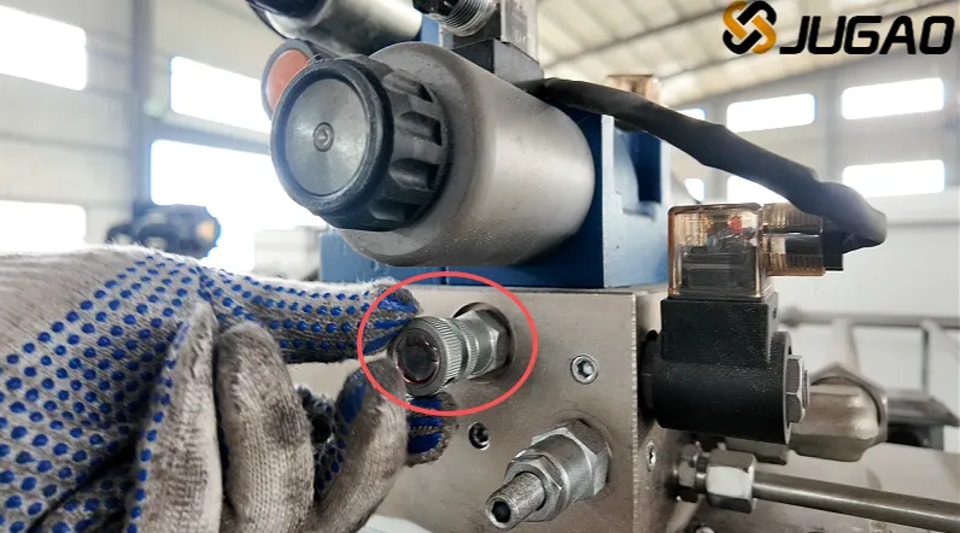
3. Safety Valve: Opens automatically when the system pressure exceeds the set value to protect system safety.
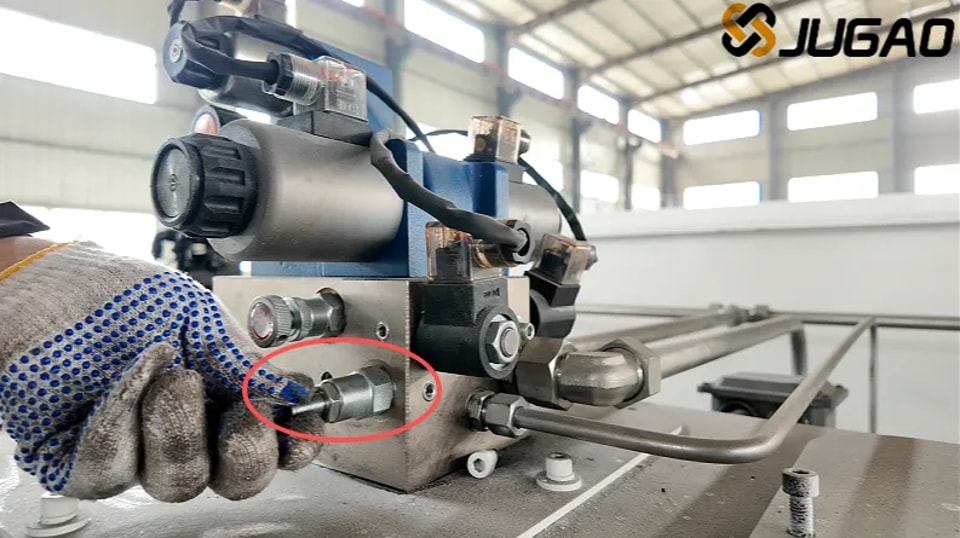
4. Fast Descent Speed Regulating Valve: Adjusts the fast descending speed of actuators.
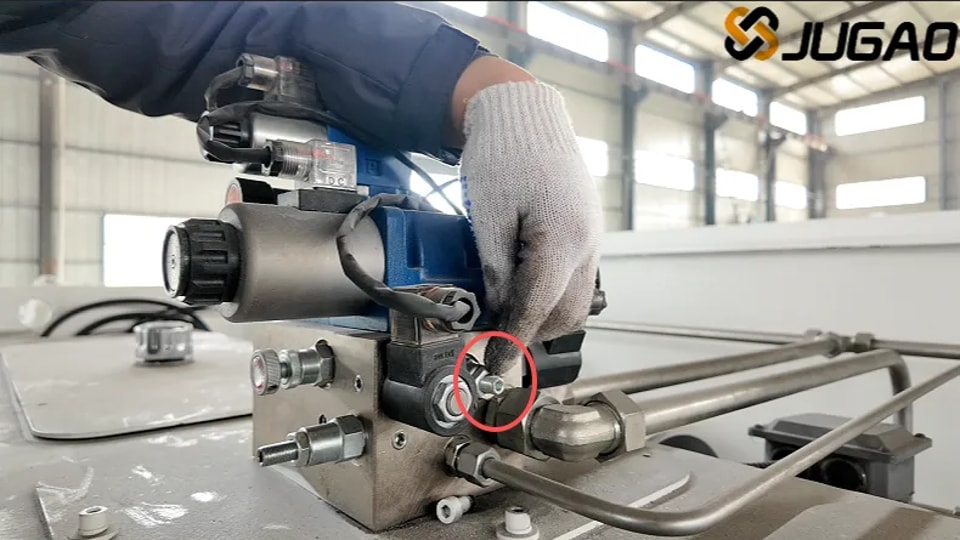
3. Common Problems and Solutions
1. Automatic Slide Down
When the slide slides down automatically at a certain position, solve it by adjusting the pressure settings of the main pressure valve or safety valve. Specific steps:
1. Turn off the power supply of the hydraulic system to ensure safe operation.
2. Locate the adjusting screws of the main pressure valve or safety valve.
3. Rotate the adjusting screws slowly to adjust the pressure gradually until the slide stops sliding down.
4. Test the slide operation after adjustment to confirm the problem is resolved.
2. No System Pressure
When the system has no pressure, check whether the spool piston of relevant valves works normally. Specific steps:
1. Turn off the system power and release the system pressure.
2. Dismantle relevant valves (e.g., main pressure valve).
3. Check if the spool piston under the valve can move freely; clean or replace the spool if it is stuck.
4. Reinstall the valves and ensure good sealing.
5. Start the system and test if the pressure returns to normal.
3. Valve Reinstallation
Pay attention to the following points when reinstalling valves after disassembly:
• Ensure the valves are installed in the correct position and aligned with the interfaces.
• Check the integrity of seals and replace them if necessary.
• Conduct a pressure test after installation to confirm no leakage.
4. Maintenance Precautions
1. Regularly check the working status of valves to ensure no jamming of the spool piston.
2. Keep the hydraulic oil clean, replace the filter element regularly, and prevent impurities from entering the valves.
3. Avoid excessive pressure adjustment during operation to prevent valve damage.
4. For complex problems, contact JUGAO professional technicians for maintenance.
Related
Keep
reading.
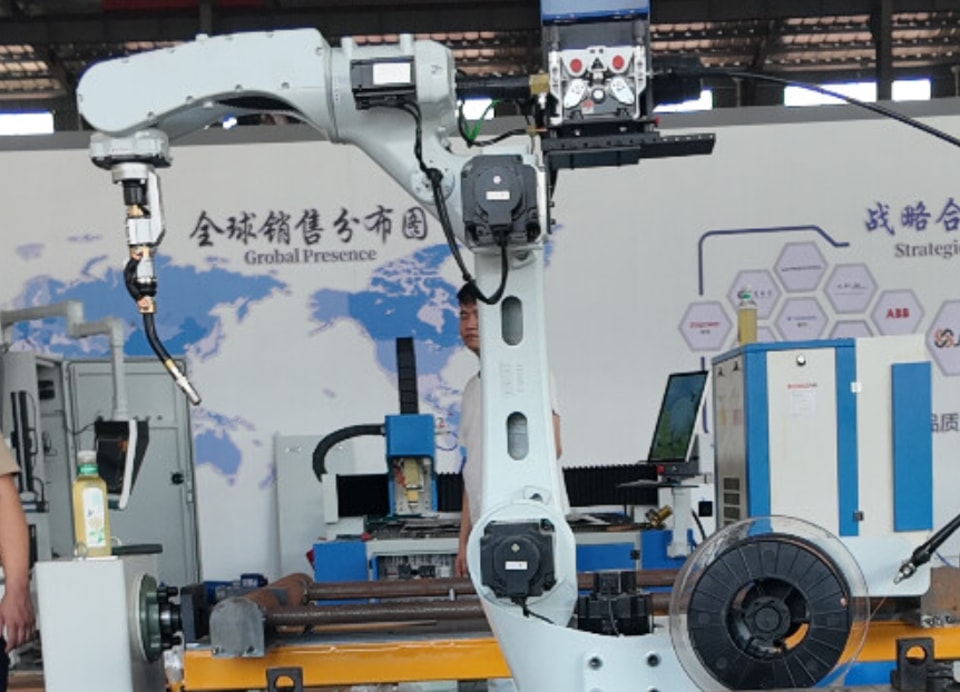 Comparison of Laser Welding Results and Application Scenarios Across Different Materials
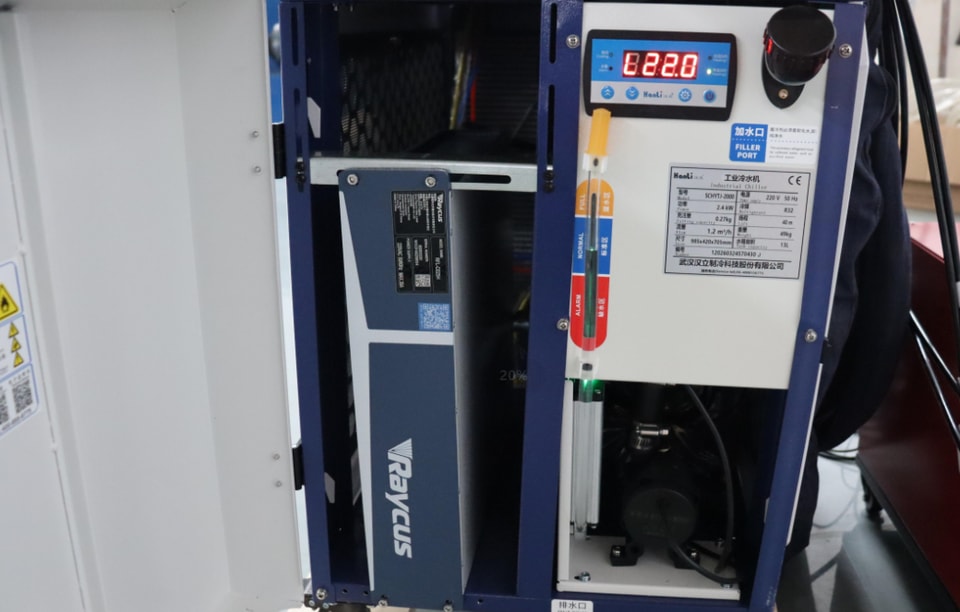 How to Choose Between Air-Cooled and Water-Cooled Laser Welding Systems
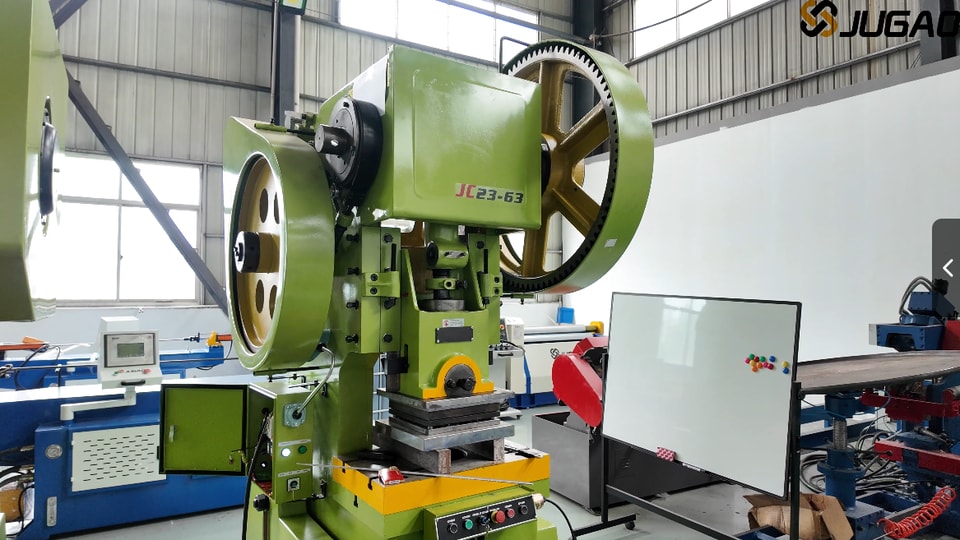 Understanding Punching Machines: Principles, Types, and Selection
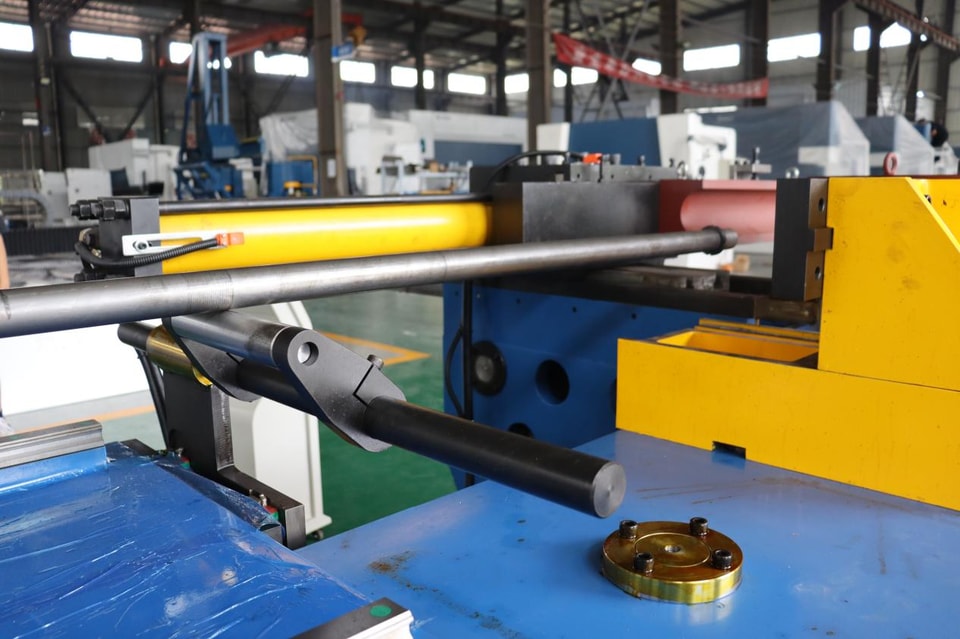 How can one effectively follow the installation guidelines for a pipe-bending machine?
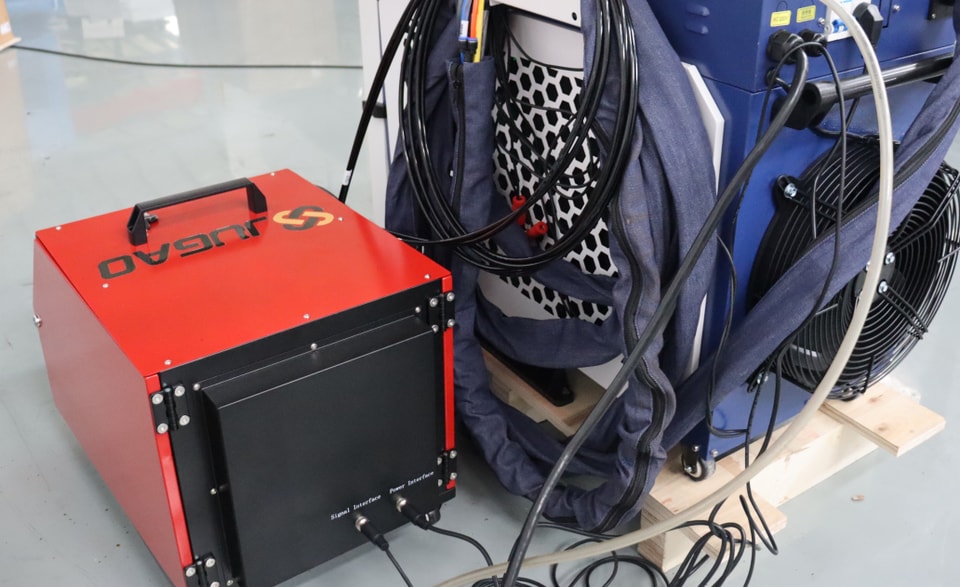 For which types of products is an automatic wire-feeding laser welding machine suitable?
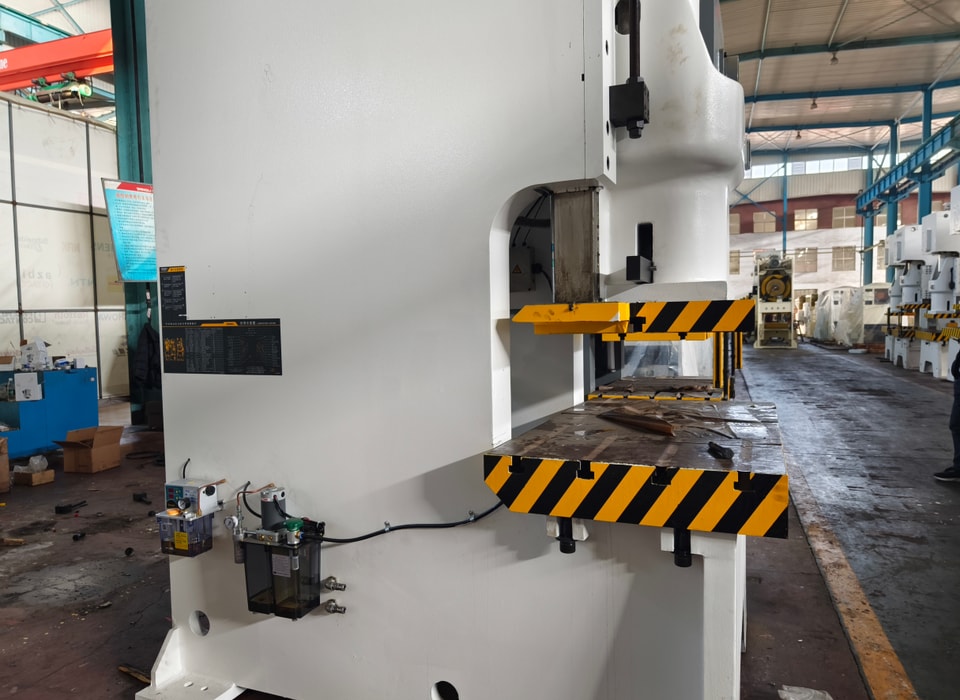 What Are the Latest Punching Machine Trends and Technological Breakthroughs?
 What Triggers Punching Machine Noise and How Can You Quieten It?
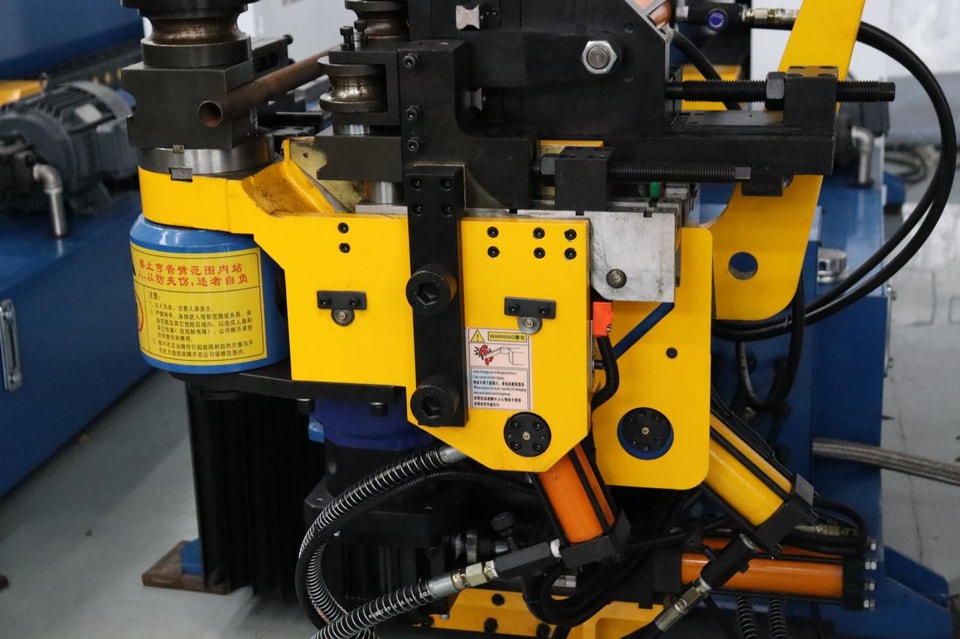 What factors influence the replacement cycle of wear parts in a pipe-bending machine?
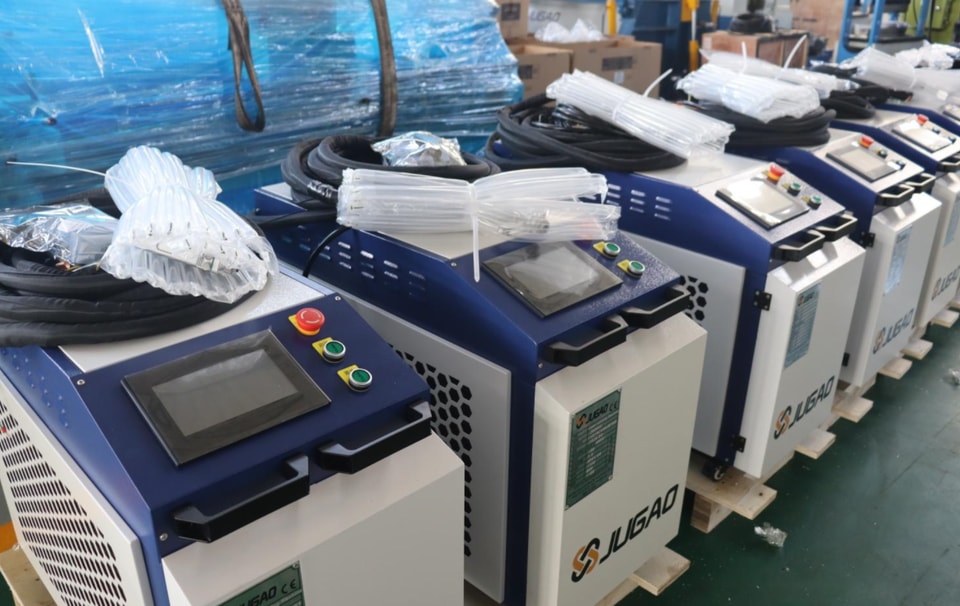 Beyond price, what key parameters should you consider when purchasing welding equipment?
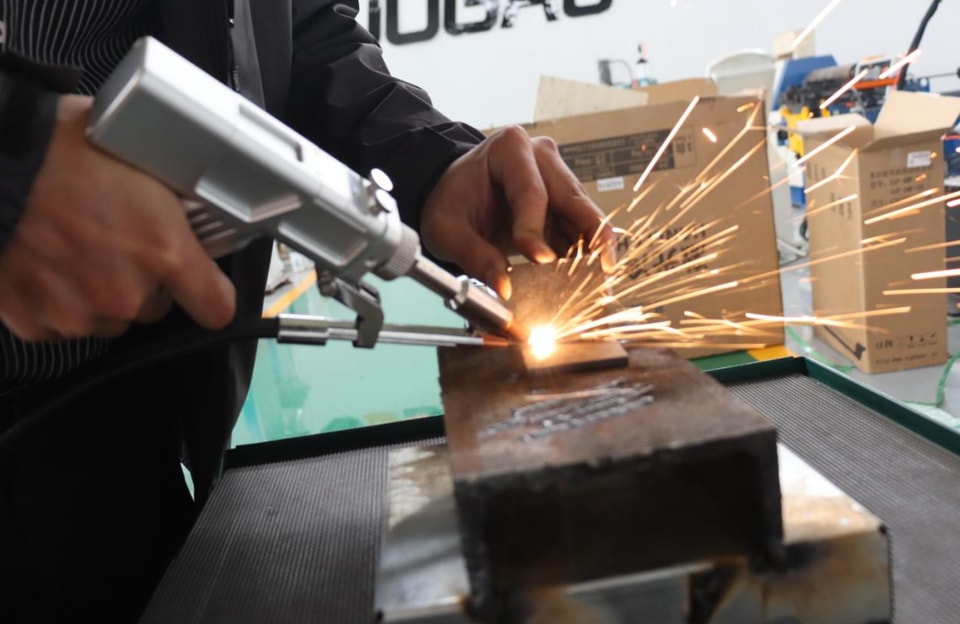 4 Common Methods for Inspecting Weld Quality
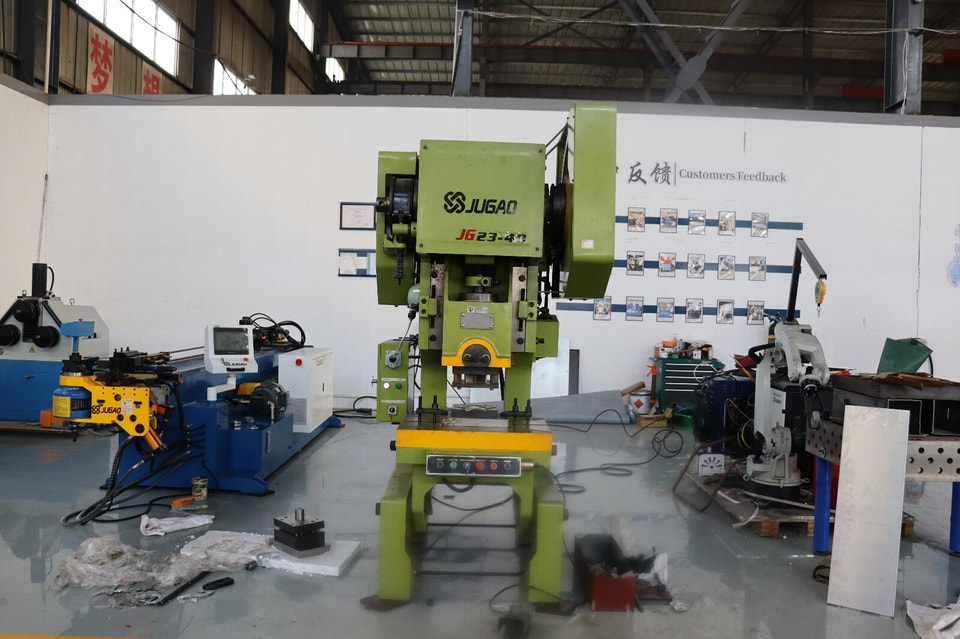 Selecting the Top Punching Machines for Small Workshops & Heavy Industry
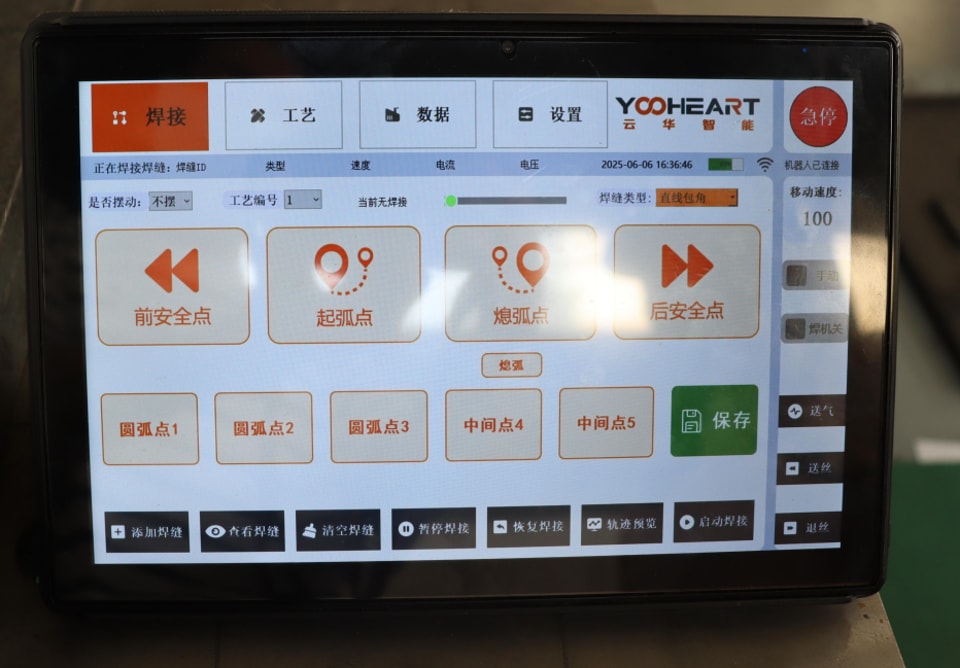 How do you set the welding path for a robotic laser welding machine? Can it perform precise welding on complex workpieces?
Engineering review
Send a drawing.
Get an engineer.
Standard selections answered within 4 hours. Parts outside the rules get a written process review within 24 hours.
- Part drawing: DXF, DWG, STEP or PDF
- Material and thickness
- Longest bend or cut length
- Yearly volume
Write to info@ntjugao.com or message the factory on WhatsApp +86 132 2211 1178.
Drawings (DXF, DWG, STEP, PDF): attach them to an email to info@ntjugao.com, quoting your name.