 Get a quote
Resources
Common Problems and Solutions in Sheet Metal Bending Processing
Sheet metal bending is a common process in manufacturing, but quality problems often arise during actual operation. This article analyzes three typical problems—deformation, workpiece unevenness and surface wear, and cracks and fissures—and provides corresponding solutions.

I. Deformation Problems
Deformation mainly manifests as deformation at hole positions, deformation near the bending area, and deformation after riveting or riveting. The causes and solutions are as follows:
Possible Causes:
Excessive friction between the die and the workpiece;
Equipment operating speed too high, the deformation speed exceeding the operator's adjustment speed for the workpiece;
Uneven stress on the workpiece surface or inherent unevenness;
Inaccurate hole alignment or improper riveting process.
Solutions:
Increase the pressure of the ejector plate, or process a textured surface on the ejector plate to increase friction and prevent workpiece displacement during bending;
Reduce the equipment operating speed, or increase the operator's workpiece support and adjustment speed;
Readjust the force distribution, expanding the force range on the lower surface and reducing local pressure on the upper surface, or ensure the workpiece is placed flat;
Optimize the riveting process, improve the riveting method, or adjust the hole positioning.
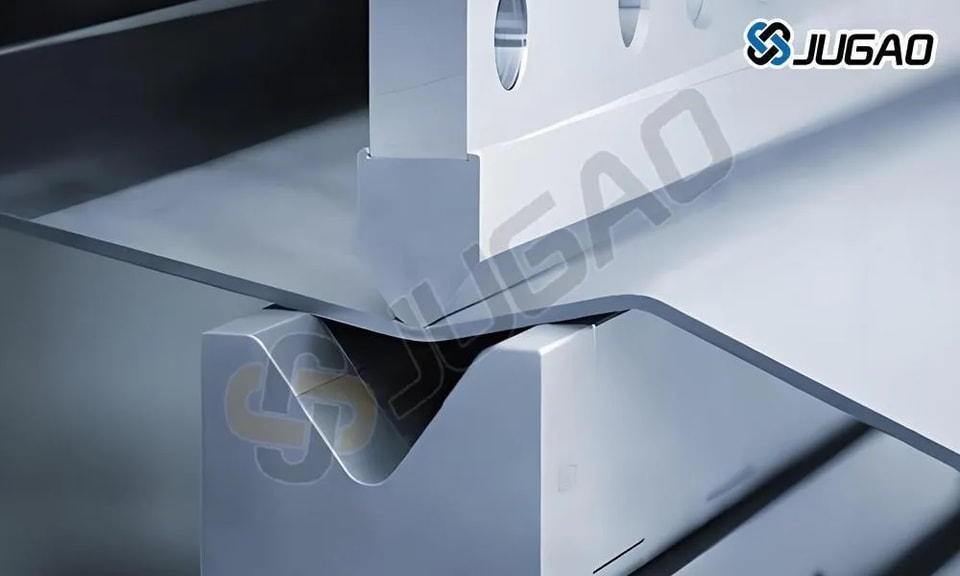
II. Workpiece Unevenness and Surface Wear
This type of problem mainly manifests as uneven workpiece end faces, uneven bottoms of concave parts, and wear on the outer surface after bending.
Possible Causes:
During bending, the outer surface is subjected to tensile contraction, and the inner surface is subjected to compressive extension, resulting in deflection and end face bulging along the bending direction;
Uneven raw material, small contact area of the ejector plate, or lack of an ejector device in the die;
Insufficient punch radius, insufficient bending clearance, or overly smooth raw material surface.
Solutions:
Add a shaping process, applying sufficient pressure through the punch and die, and designing a die radius that matches the outer radius;
Pre-level the material, adding an ejector device or dedicated shaping fixture;
Improve the surface finish of the die, increase the punch radius, and adjust the bending clearance appropriately.
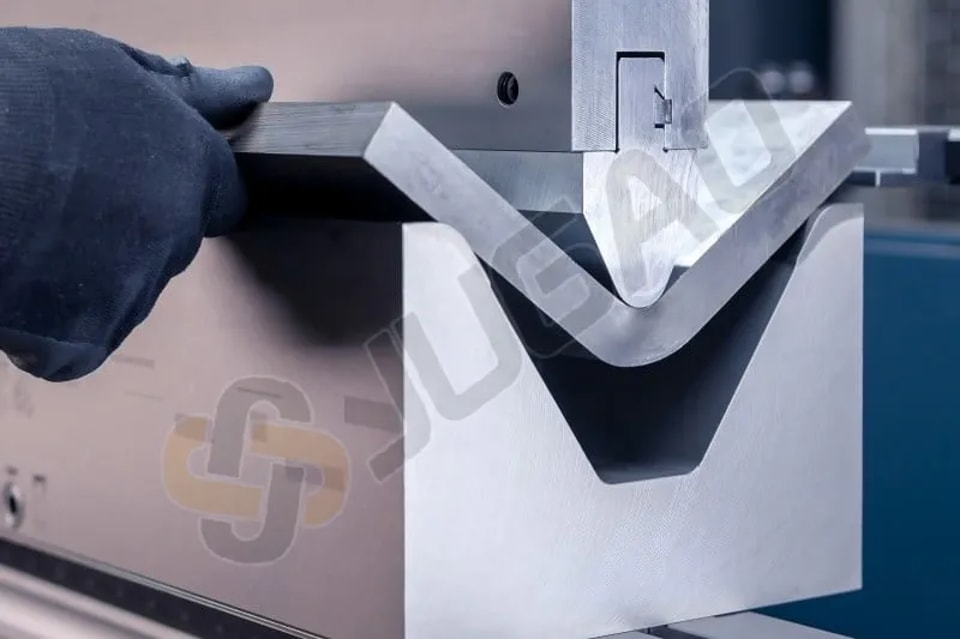
III. Cracks and Fissures
Cracks commonly appear at bending angles or propagate along the grain direction during bending.
Possible Causes:
Insufficient inner bending radius, insufficient material plasticity, or material grain parallel to the bending line;
Special material microstructure, prone to fracture along parallel grain direction.
Solutions:
Increase the punch bending radius, adjust the blanking layout direction, or anneal the material, or select a material with better plasticity;
Rotate the sheet metal perpendicular to the bending direction for cutting, or increase the upper die radius (R angle).
By systematically analyzing the causes and implementing corresponding process countermeasures, the quality of sheet metal bending can be effectively improved, production defects reduced, and product precision and durability ensured. Sheet metal bending requires experience; observe how experienced craftsmen bend sheets and why they do it that way. To learn more about bending machines or bending processes, please contact our JUGAO CNC MACHINE team.
Related
Keep
reading.
 Comparison of Laser Welding Results and Application Scenarios Across Different Materials
 How to Choose Between Air-Cooled and Water-Cooled Laser Welding Systems
 Understanding Punching Machines: Principles, Types, and Selection
 How can one effectively follow the installation guidelines for a pipe-bending machine?
 For which types of products is an automatic wire-feeding laser welding machine suitable?
 What Are the Latest Punching Machine Trends and Technological Breakthroughs?
 What Triggers Punching Machine Noise and How Can You Quieten It?
 What factors influence the replacement cycle of wear parts in a pipe-bending machine?
 Beyond price, what key parameters should you consider when purchasing welding equipment?
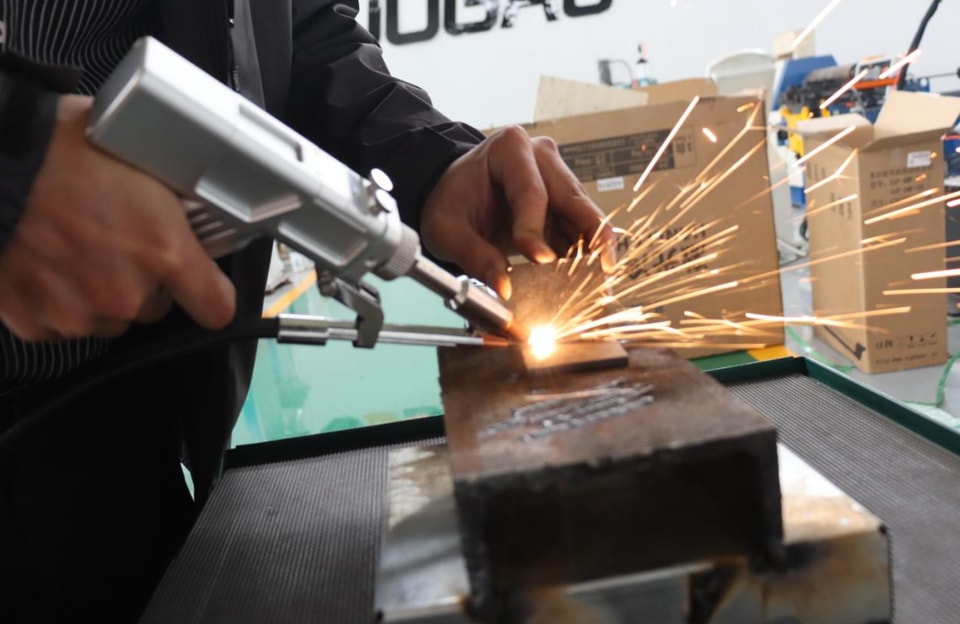 4 Common Methods for Inspecting Weld Quality
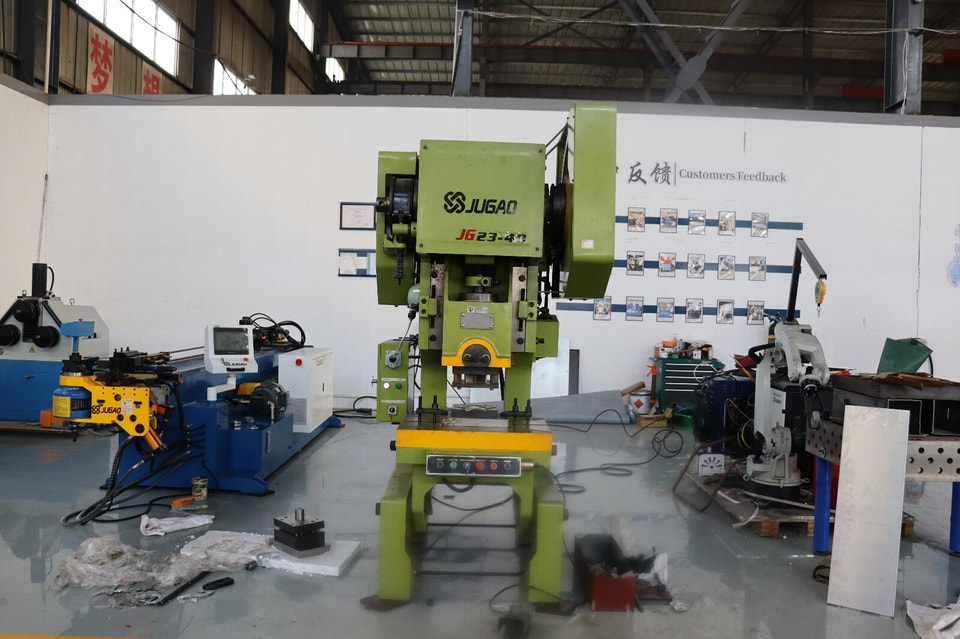 Selecting the Top Punching Machines for Small Workshops & Heavy Industry
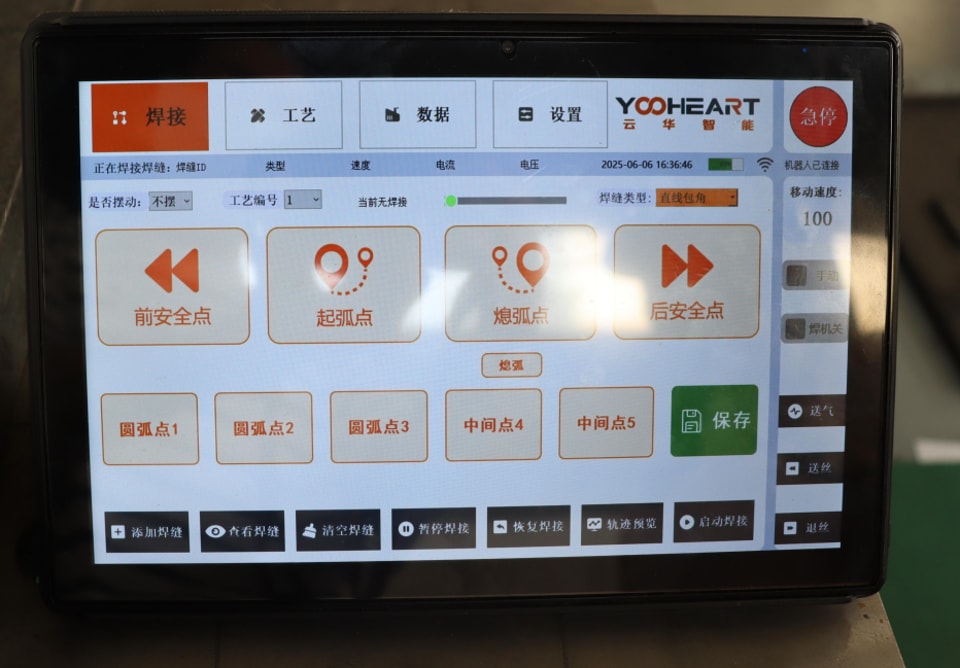 How do you set the welding path for a robotic laser welding machine? Can it perform precise welding on complex workpieces?
Engineering review
Send a drawing.
Get an engineer.
Standard selections answered within 4 hours. Parts outside the rules get a written process review within 24 hours.
- Part drawing: DXF, DWG, STEP or PDF
- Material and thickness
- Longest bend or cut length
- Yearly volume
Write to info@ntjugao.com or message the factory on WhatsApp +86 132 2211 1178.
Drawings (DXF, DWG, STEP, PDF): attach them to an email to info@ntjugao.com, quoting your name.