 Get a quote
Resources
Common Bending Machine Tools and Accessories: A Comprehensive Technical Guide
Bending machines are essential in metal fabrication, enabling precise bending of sheet metal and other materials. To achieve optimal performance, various tools and accessories are used alongside these machines. This document provides an in-depth overview of the most commonly used bending machine tools and accessories, their functions, and best practices for their application.
Essential Bending Machine Tools
1. Press Brake Dies (Tooling Sets)
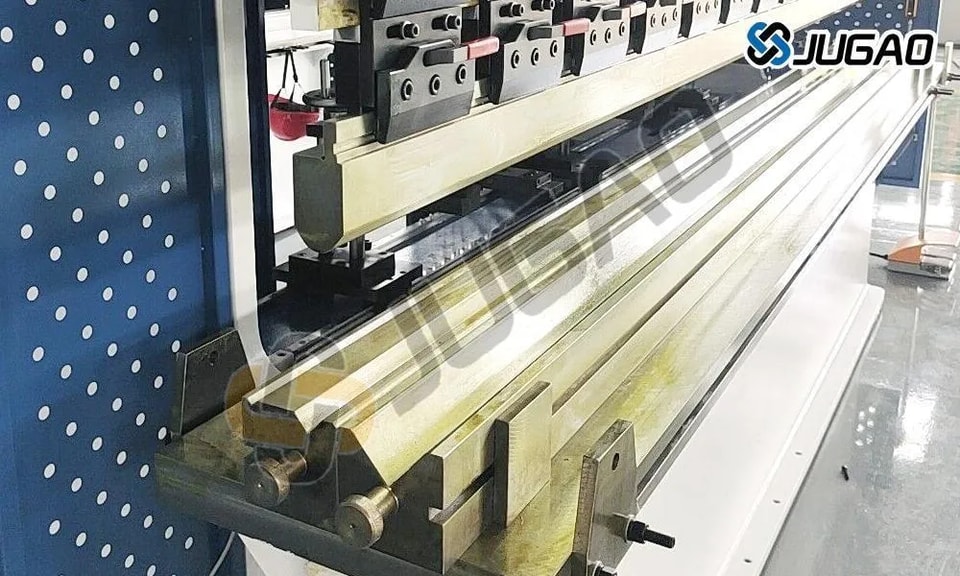
Press brake dies are critical for forming metal sheets into desired shapes. They consist of:
l Punch (Upper Die): The male component that applies force to the workpiece.
l Die (Lower Die): The female component that shapes the metal.

Common Types of Dies:
l V-Dies: Used for standard bends (e.g., 90° angles).
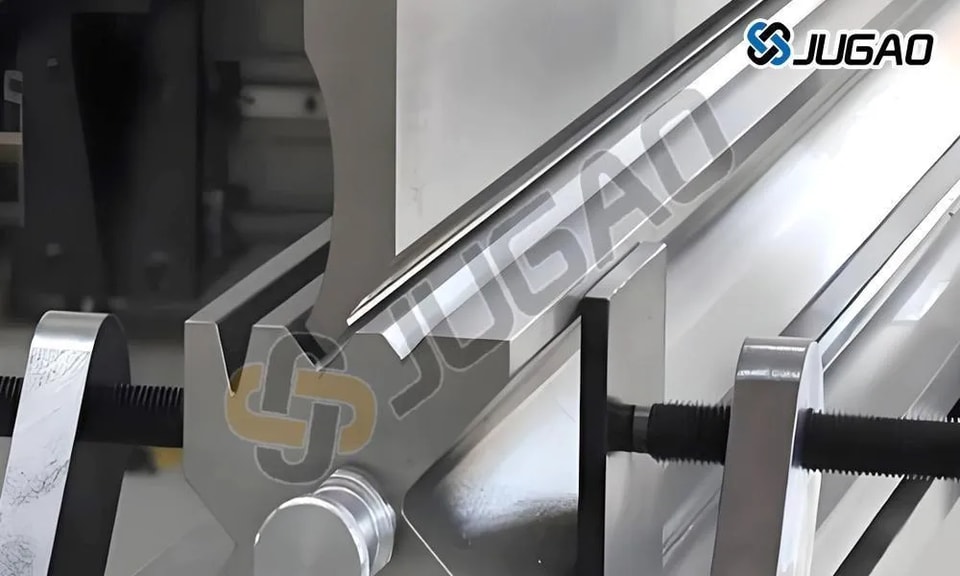
l Gooseneck Dies: Allow for deep return flanges.
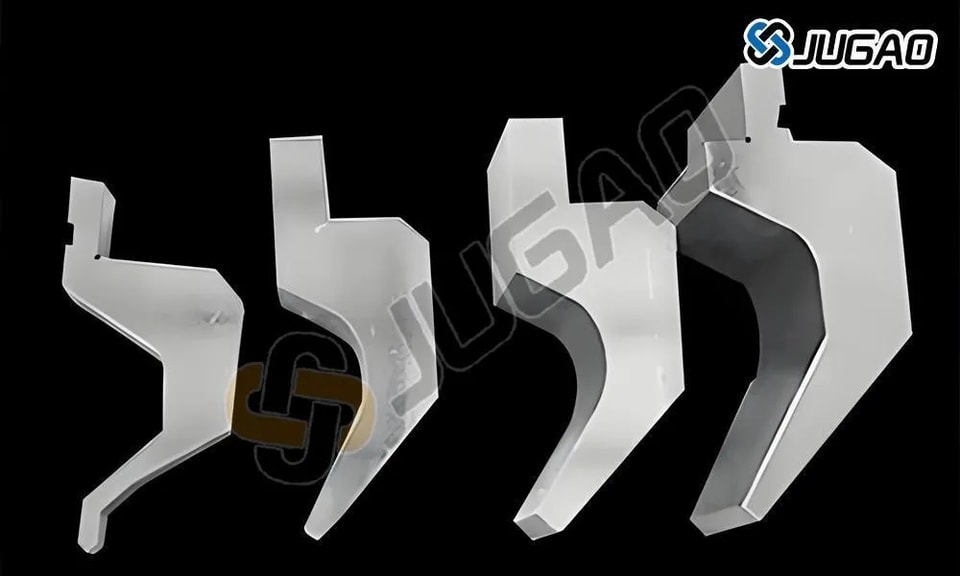
l Acute-Angle Dies: For bends sharper than 90°.
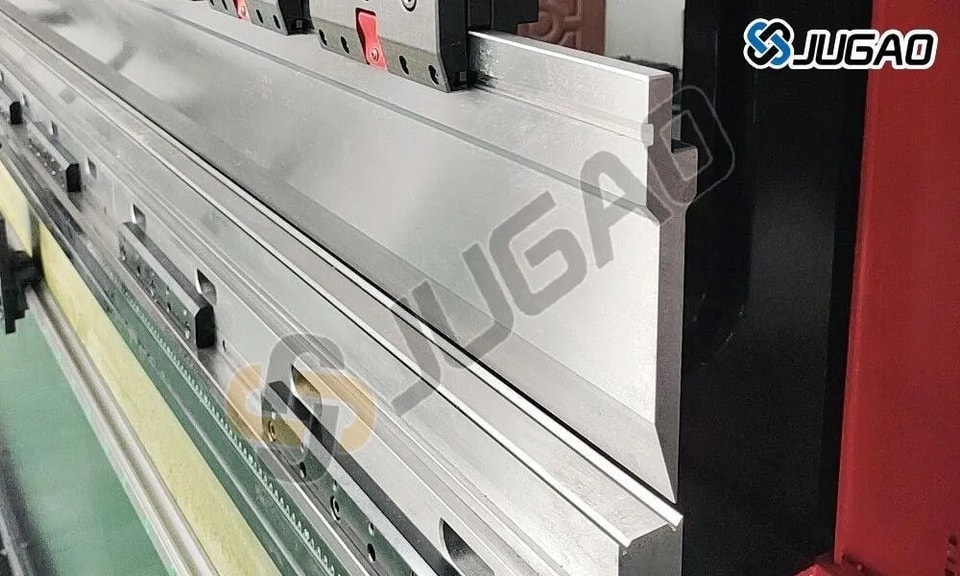
l Hemming Dies: Create folded edges for reinforced seams.
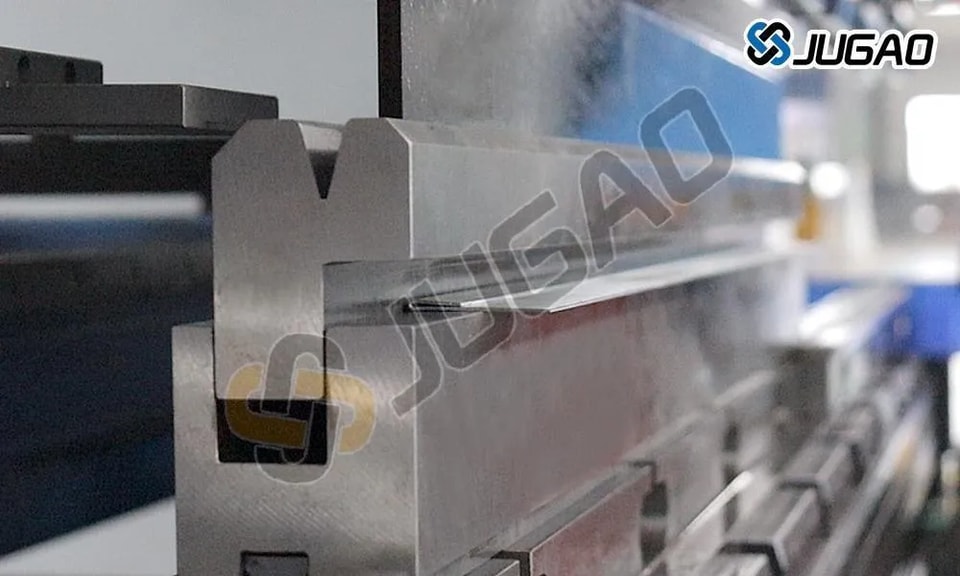
l Radius Dies: For curved bends instead of sharp angles.
2. Backgauges
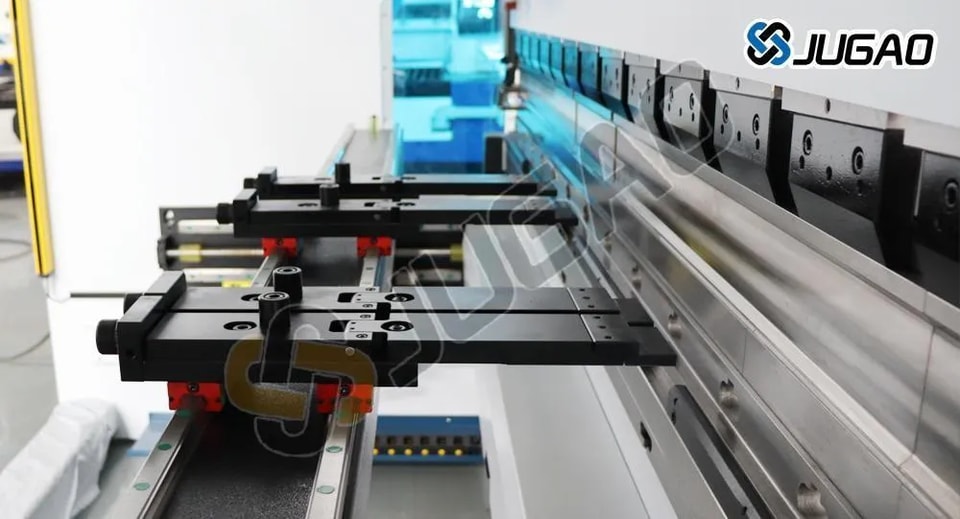
Backgauges ensure precise positioning of the workpiece before bending. Modern CNC-controlled backgauges improve accuracy and repeatability.
3. Crowning Systems
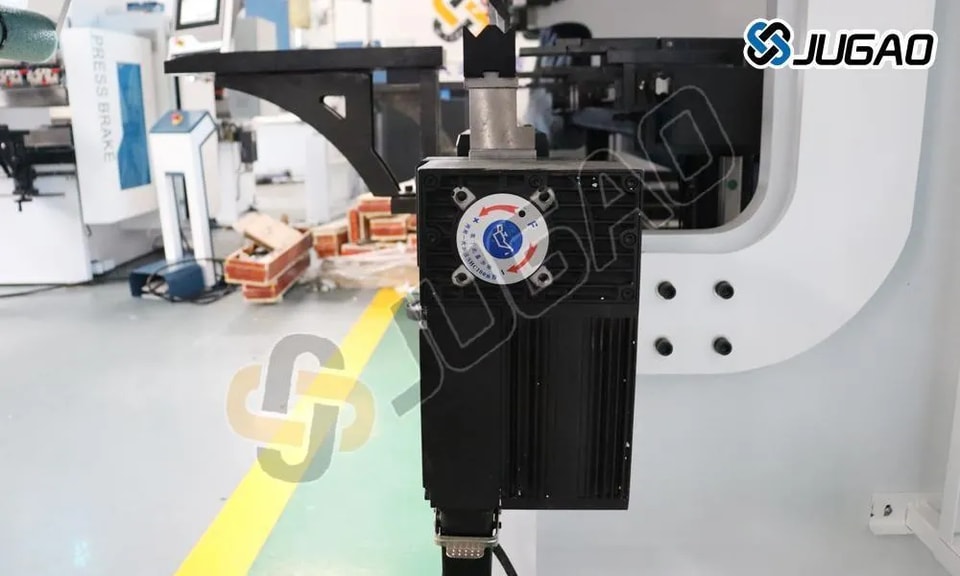
To compensate for press brake deflection, crowning systems (manual or automatic) adjust the bed to maintain uniform bending force across the length of the workpiece.
4. Tool Holders & Clamps
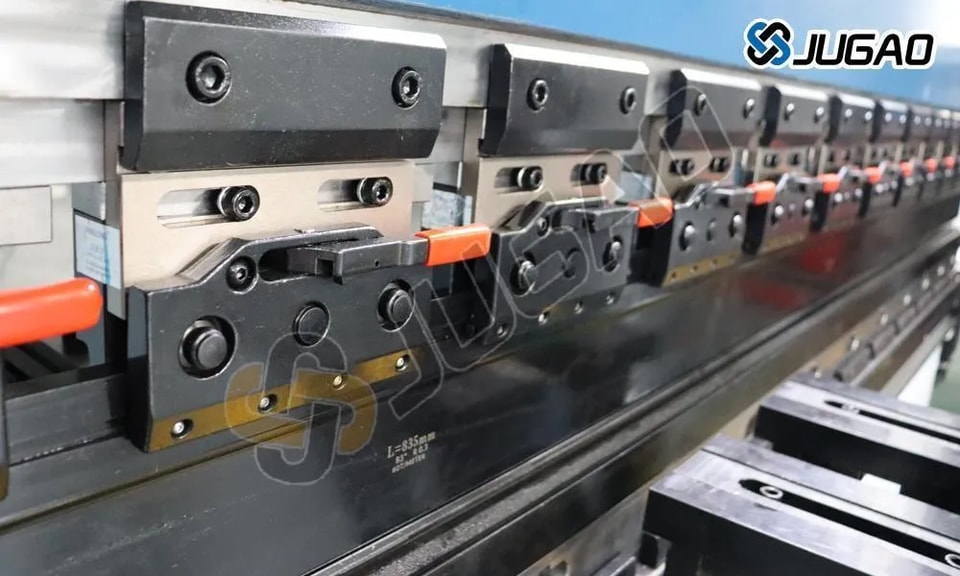
These secure the punch and die in place, ensuring stability during operation. Quick-change systems allow for faster die swaps.
Key Bending Machine Accessories
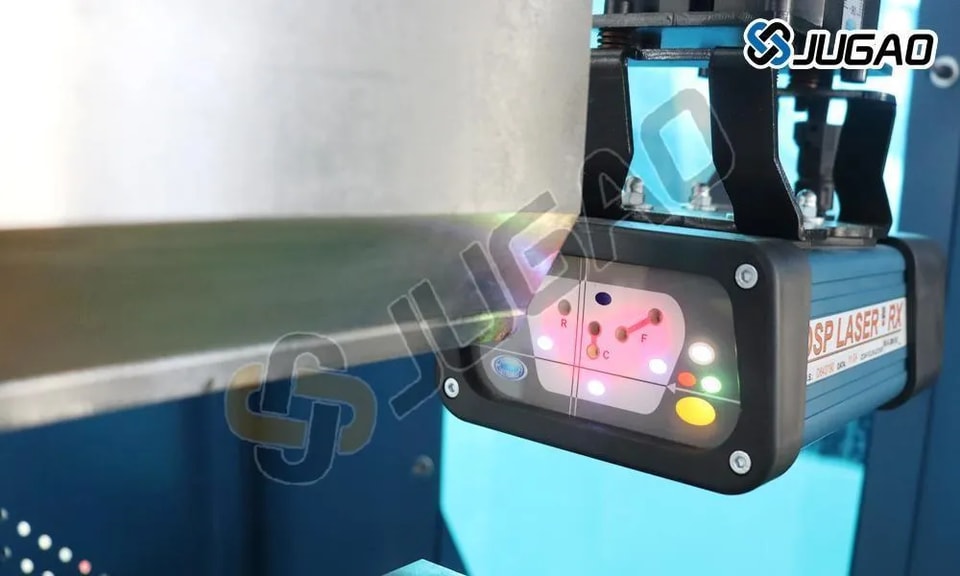
1. Finger Guards & Safety Laser Systems
Prevent operator injuries by detecting hand presence near the bending zone.
2. Angle Measurement Devices
l Digital Protractors: Measure bend angles with high precision.
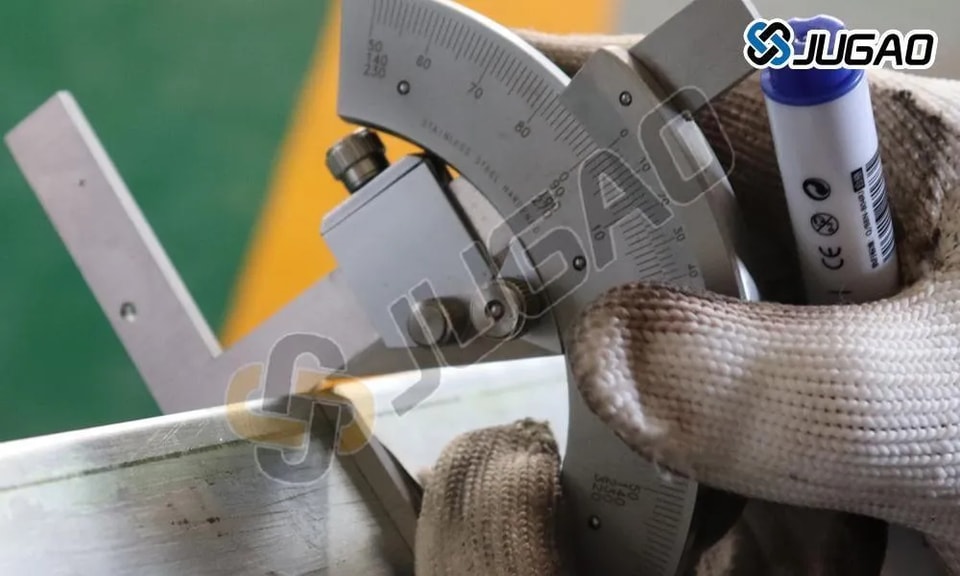
l Angle Sensors (CNC-integrated): Provide real-time feedback for automated adjustments.
3. Sheet Supports & Lifters
Assist in handling large or heavy sheets, reducing operator fatigue.
4. Hydraulic & CNC Control Systems
l CNC Controllers: Program and automate bending sequences.
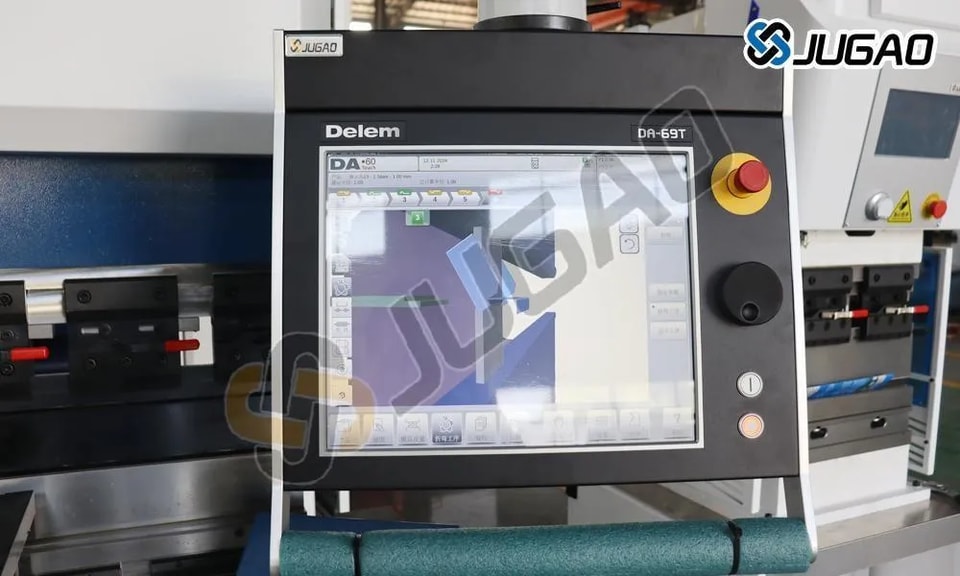
l Hydraulic Pressure Systems: Ensure consistent force application
5. Laser or LED Bending Line Projectors
Project a visible guideline onto the workpiece, improving alignment accuracy.
6. Noise Reduction Enclosures
Minimize workplace noise from bending operations.
Selection Criteria for Bending Tools & Accessories
When choosing tools and accessories, consider:
l Material Thickness & Type (steel, aluminum, etc.)
l Bend Angle & Radius Requirements
l Machine Compatibility (tonnage, bed length)
l Production Volume (high-volume vs. custom jobs)
l Automation Needs (CNC vs. manual operation)
Maintenance & Best Practices
l Regular Inspection: Check dies for wear, cracks, or misalignment.
l Proper Lubrication: Reduces friction and prolongs tool life.
l Correct Storage: Organize tools to prevent damage.
l Operator Training: Ensure safe and efficient use of accessories.
Conclusion
The right selection and use of bending machine tools and accessories significantly impact precision, efficiency, and safety in metal fabrication. By understanding the different types of dies, gauges, and supporting systems, manufacturers can optimize their bending operations for superior results.
Related
Keep
reading.
 Comparison of Laser Welding Results and Application Scenarios Across Different Materials
 How to Choose Between Air-Cooled and Water-Cooled Laser Welding Systems
 Understanding Punching Machines: Principles, Types, and Selection
 How can one effectively follow the installation guidelines for a pipe-bending machine?
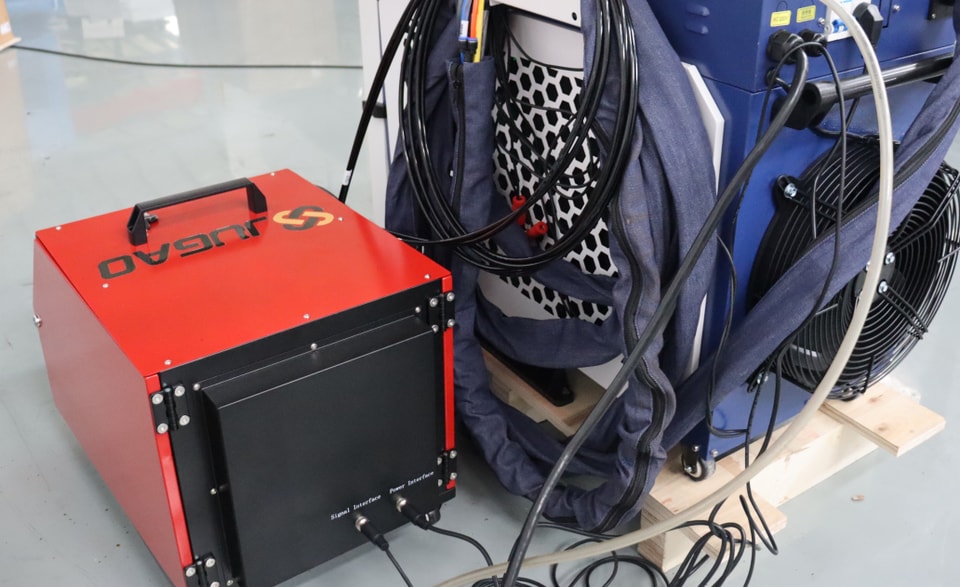 For which types of products is an automatic wire-feeding laser welding machine suitable?
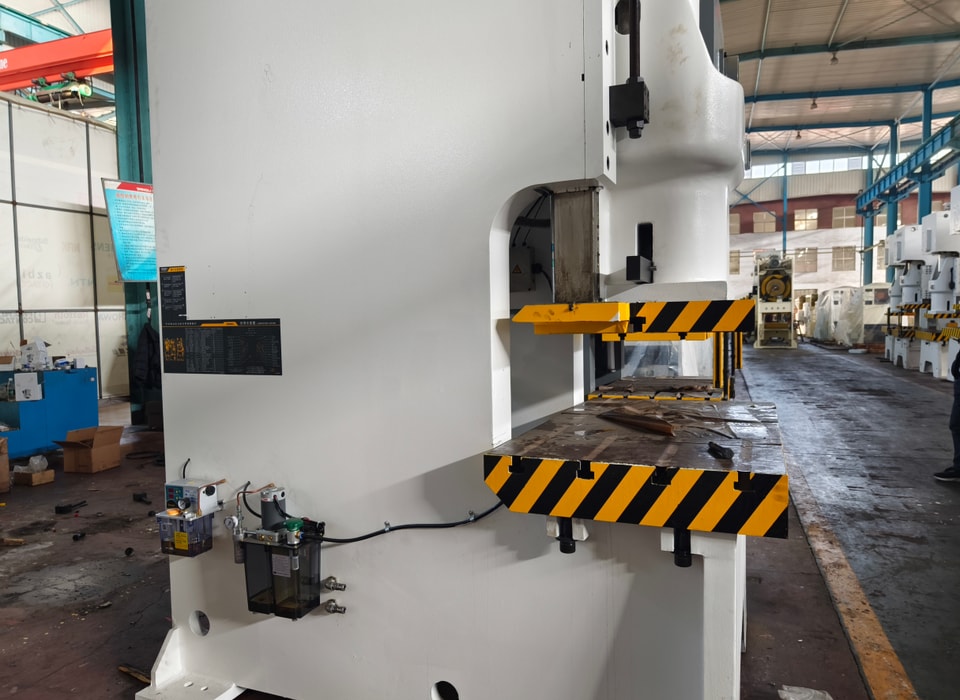 What Are the Latest Punching Machine Trends and Technological Breakthroughs?
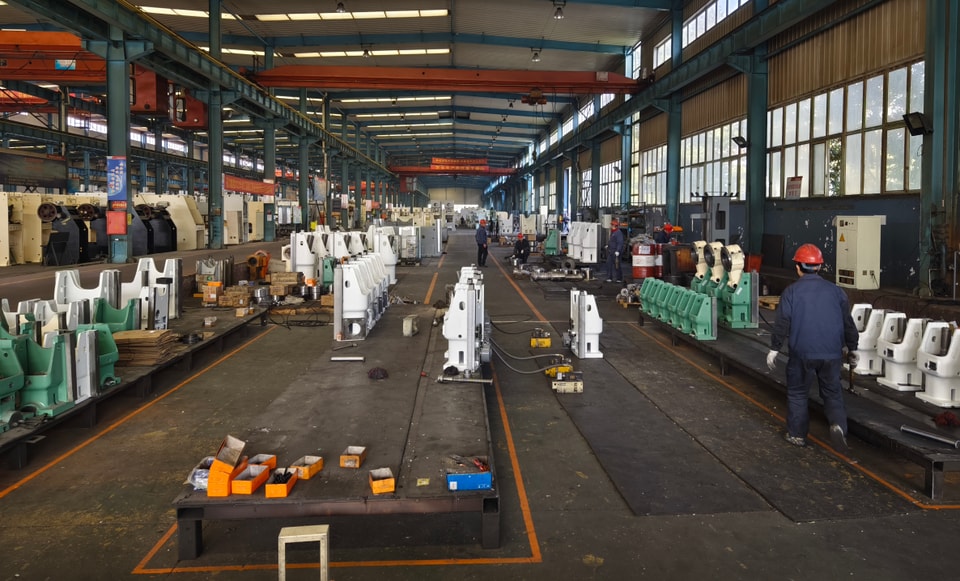 What Triggers Punching Machine Noise and How Can You Quieten It?
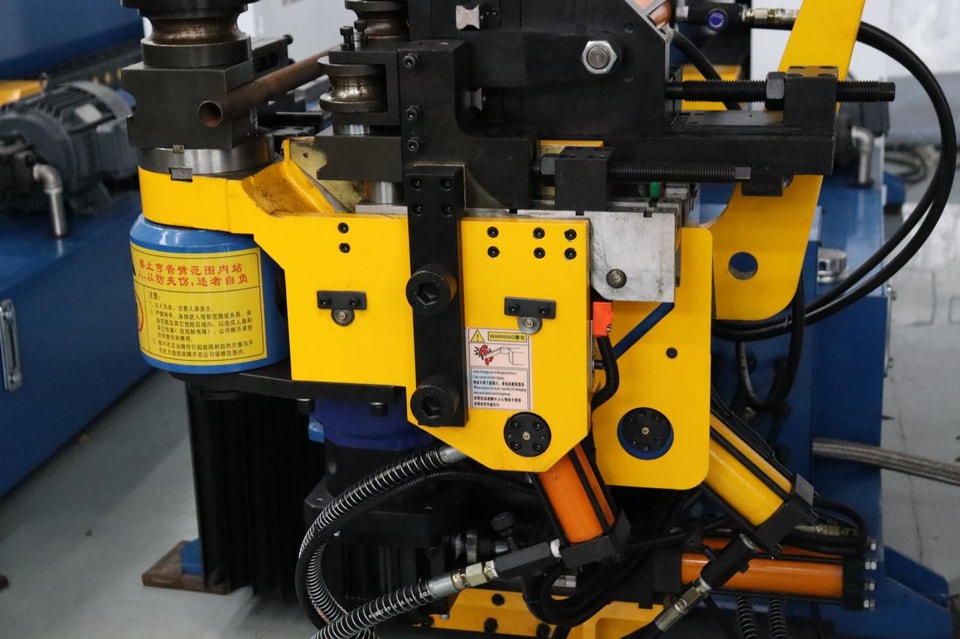 What factors influence the replacement cycle of wear parts in a pipe-bending machine?
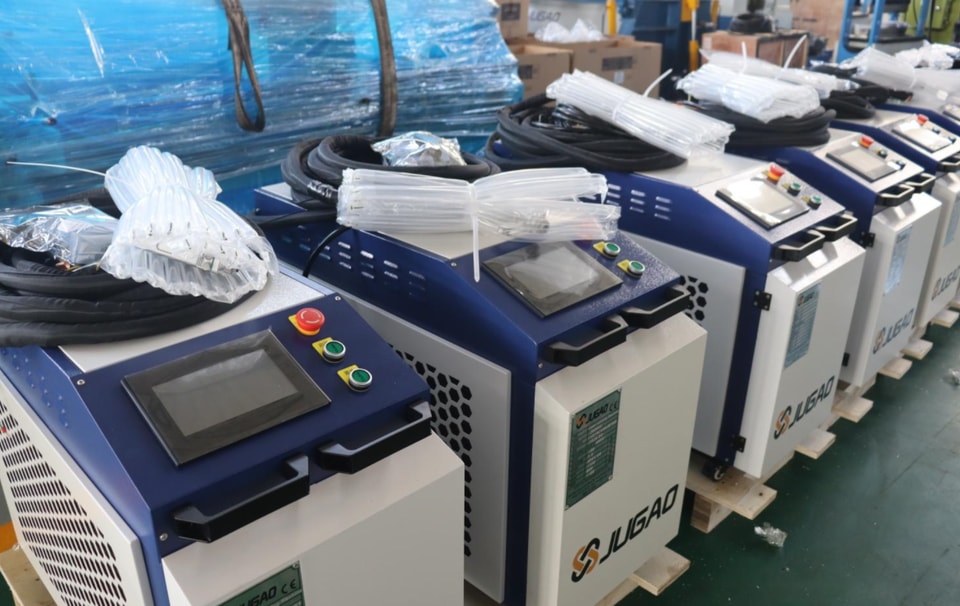 Beyond price, what key parameters should you consider when purchasing welding equipment?
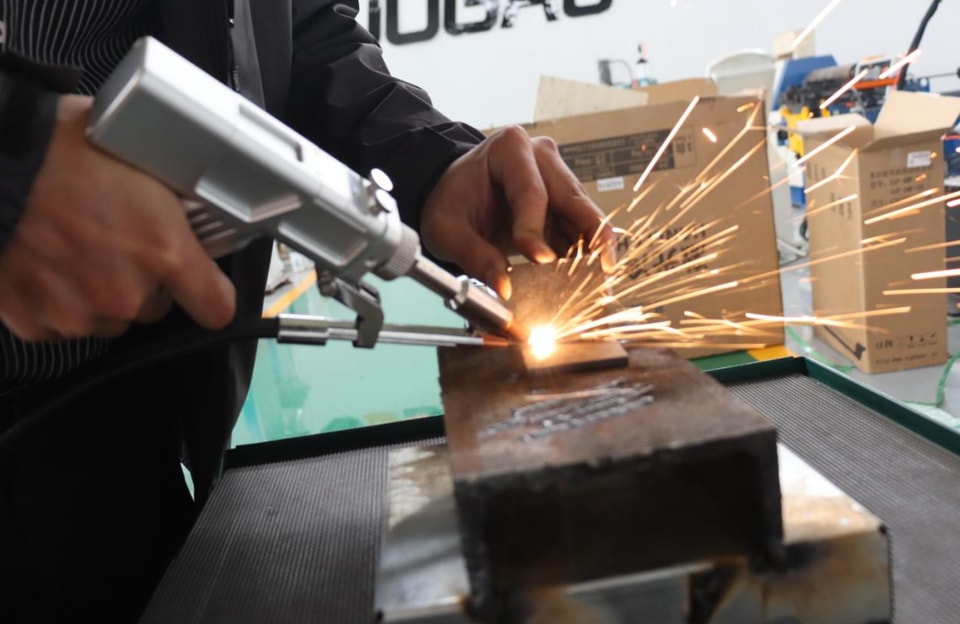 4 Common Methods for Inspecting Weld Quality
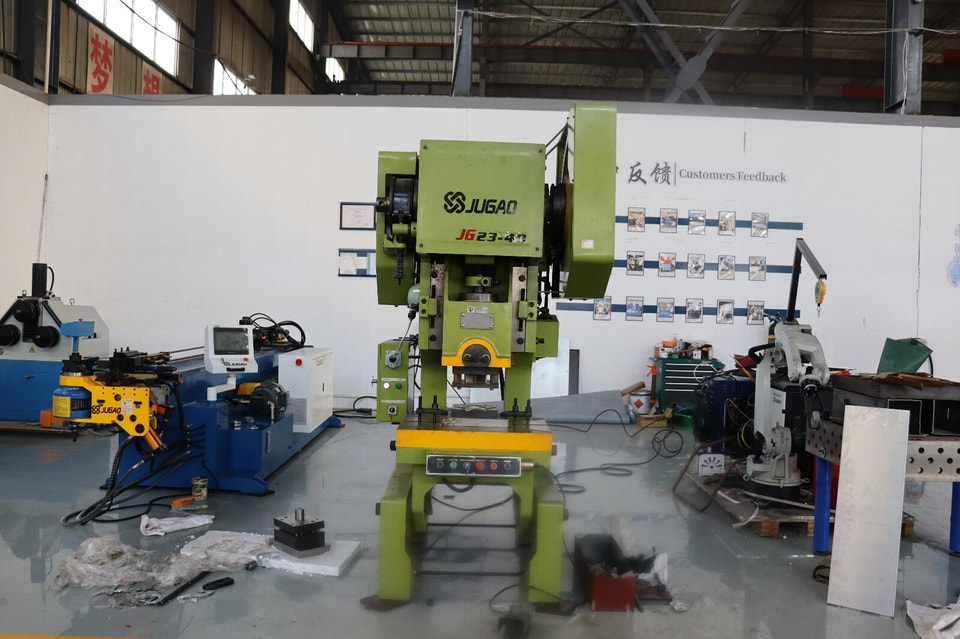 Selecting the Top Punching Machines for Small Workshops & Heavy Industry
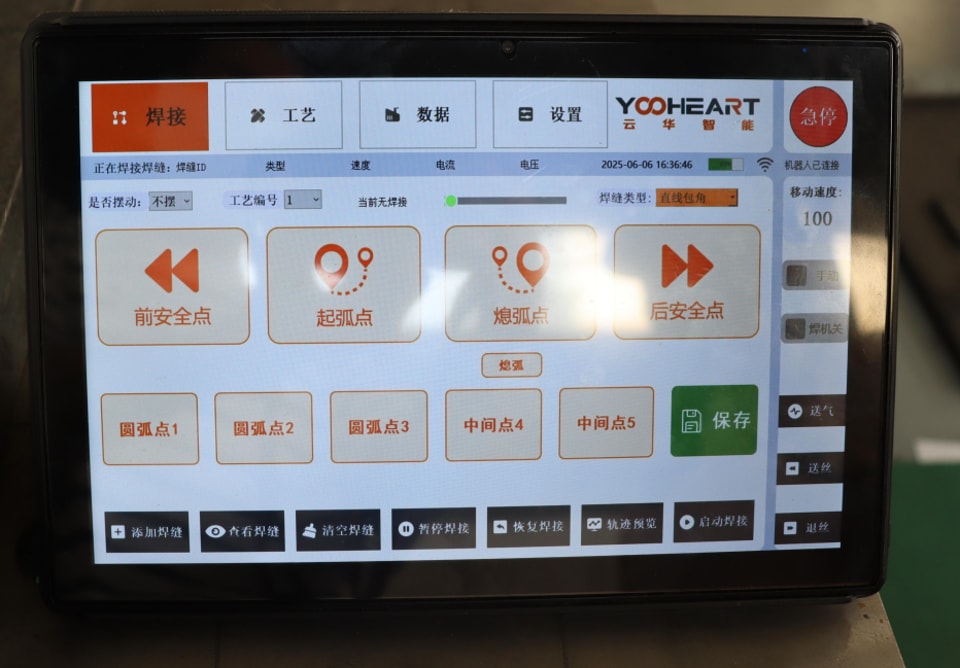 How do you set the welding path for a robotic laser welding machine? Can it perform precise welding on complex workpieces?
Engineering review
Send a drawing.
Get an engineer.
Standard selections answered within 4 hours. Parts outside the rules get a written process review within 24 hours.
- Part drawing: DXF, DWG, STEP or PDF
- Material and thickness
- Longest bend or cut length
- Yearly volume
Write to info@ntjugao.com or message the factory on WhatsApp +86 132 2211 1178.
Drawings (DXF, DWG, STEP, PDF): attach them to an email to info@ntjugao.com, quoting your name.