 Get a quote
Resources
Choosing the Right Pipe Bending Machine? Understanding These 8 Specifications is Enough
Whether you're building a new workshop or upgrading a production line, the specifications of your pipe bending machine directly determine your efficiency, precision, and product quality. Below, we'll break down these 8 key parameters to help you choose the right machine.
1. Bending Capacity: What size pipe can it bend?
This is the most basic indicator—the maximum pipe diameter and wall thickness the machine can handle. A machine designed specifically for 50mm stainless steel pipes may not be able to bend a thick-walled carbon steel pipe of the same outer diameter. Always choose based on your most frequently used material type and size, allowing a 20% margin.
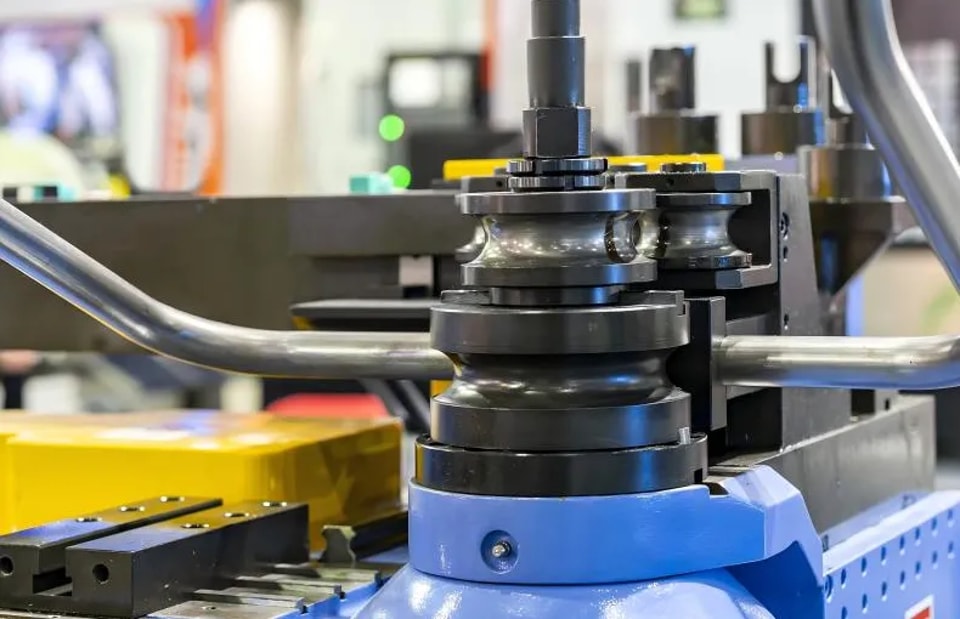
2. Bending Radius and Centerline Radius (CLR): How sharp can the bend be?
Bending radius is usually expressed as "1.5D, 2D," where D is the pipe's outer diameter. A smaller radius results in a tighter bend, but also a higher risk of wrinkling. This parameter is crucial if your product requires small radii or precise curves.
3. Drive System Type: Manual, NC, or CNC?
Manual is suitable for small workshops and sample making; NC (numerical control) is suitable for medium-batch, semi-automatic, and repeatable production; CNC (computer numerical control) with multi-axis control and software programming is suitable for high-precision, high-volume production. Choose based on your budget, worker skill level, and production volume.
4. Pipe Compatibility: What materials can it bend?
Stainless steel, copper, aluminum, and carbon steel—each metal has different bending characteristics. Check if the machine supports your commonly used materials and if it comes with dedicated mandrels or dies. Some models can automatically adjust pressure and speed to adapt to different materials, preventing cracking and springback.
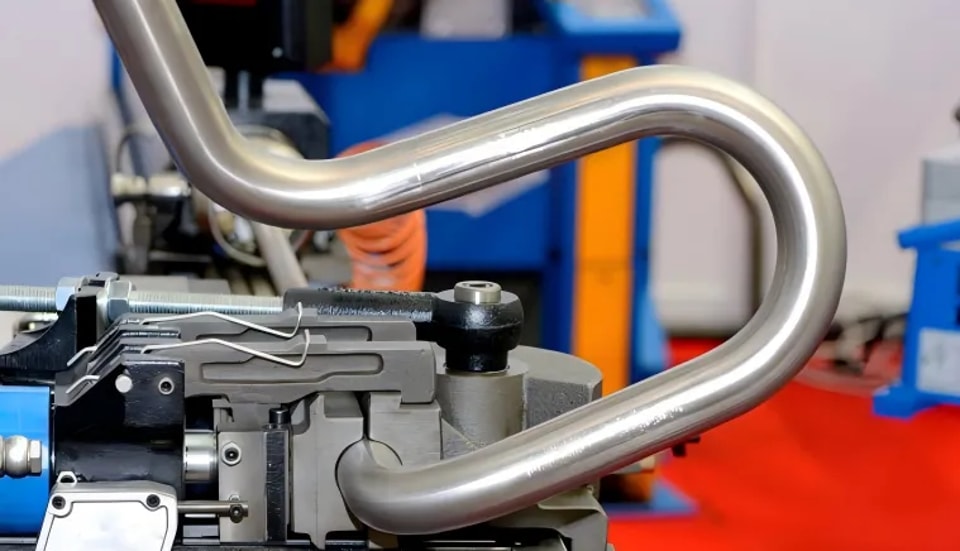
5. Mandrel and Die Options: Can it bend thin-walled tubes well?
A mandrel supports the tube from the inside, preventing flattening or wrinkling—essential for bending thin-walled tubes or small-radius tubes. Also check for optional features such as anti-wrinkle dies, pressing dies, and quick-change dies; these can significantly improve efficiency and reduce changeover time.
6. Bending Angle Accuracy and Repeatability: How accurate? How stable?
High-end CNC machines can achieve angle tolerances of ±0.1°. Good repeatability means every bend is identical, eliminating the need for frequent calibration. If you're doing complex bends with multiple planes and radii, a high-precision control system can save you significant material and setup time.
7. Control System and User Interface: How user-friendly is it?
Modern CNC machines feature touchscreens, 3D simulation, and automatic compensation functions. A good interface reduces programming errors and improves efficiency. When choosing a machine, check if it supports offline programming, CAD file import, and digital monitoring of bending parameters.

8. Machine Structure and Durability: How many years can it last?
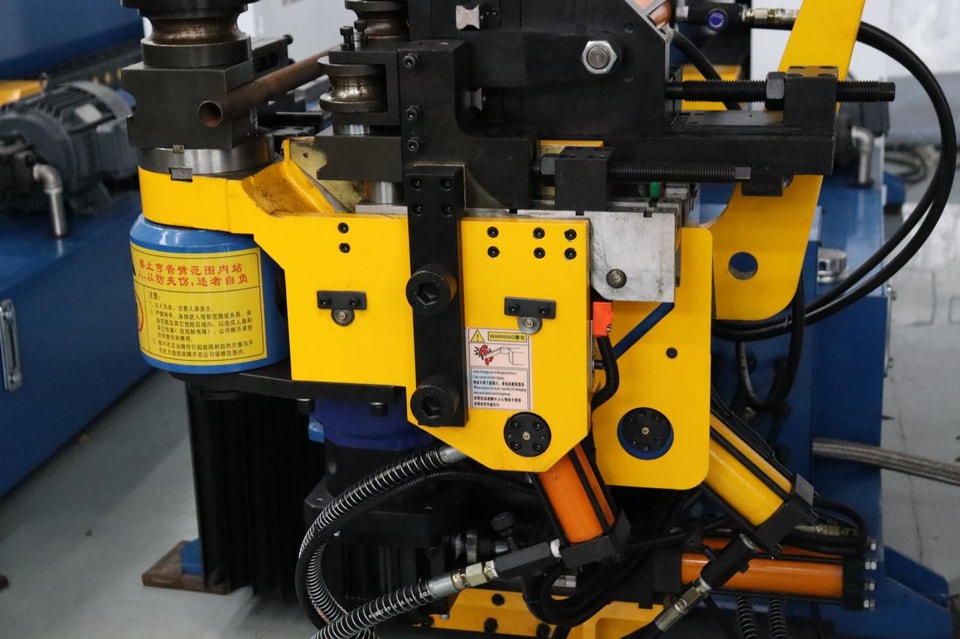
Frame rigidity, the quality of hydraulic or servo components, and the design of the clamping system all affect performance and lifespan. Welded steel frames are robust and offer good vibration damping. Servo drives offer higher precision, faster speeds, and require less maintenance than traditional hydraulic systems.
Three Practical Tips for Choosing a Pipe Bending Machine
1. Analyze Your Production Needs First
List your commonly used pipe diameters, materials, and daily output. Choose a machine that's just enough for your needs, without spending extra money on features you won't use.
2. Consider Future Expansion
If you plan to expand your operations, choose a CNC machine that can be upgraded (e.g., adding axes or advanced software later). Investing a little more now will save you a lot of money later.
3. Prioritize Easy Maintenance
Choose a model with easy-to-find lubrication points, intuitive diagnostic functions, and local after-sales service. Easy-to-maintain machines have less downtime and a longer lifespan.
Quick Answers to 3 Frequently Asked Questions
What is the ideal bending radius for stainless steel pipes? Generally 2D-3D (2-3 times the outer diameter) maintains a smooth bend.
How to prevent wrinkling during pipe bending? Use a mandrel and anti-wrinkle die to support the inner side, while adjusting the clamping force and bending speed.
What are the main differences between NC and CNC? NC is semi-automatic, controls angles; CNC is fully automatic, multi-axis, programmable, and has high precision.
When choosing a pipe bending machine, consider these eight parameters: bending capacity, bending radius, drive system, material compatibility, mandrel die, precision repeatability, control system, and structural durability. Combine these with your production volume and future plans to ensure you buy the machine you won't regret.
Related
Keep
reading.
 Comparison of Laser Welding Results and Application Scenarios Across Different Materials
 How to Choose Between Air-Cooled and Water-Cooled Laser Welding Systems
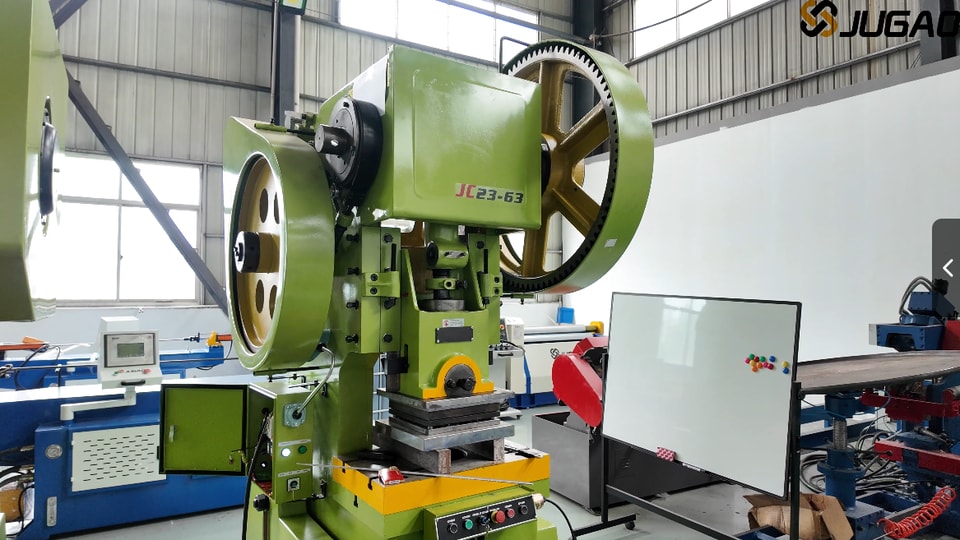 Understanding Punching Machines: Principles, Types, and Selection
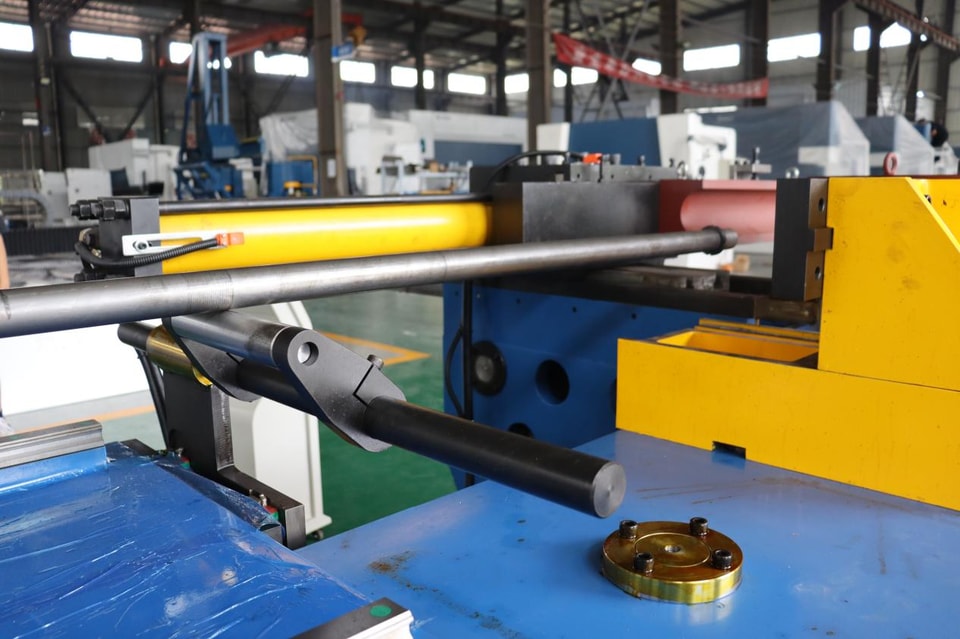 How can one effectively follow the installation guidelines for a pipe-bending machine?
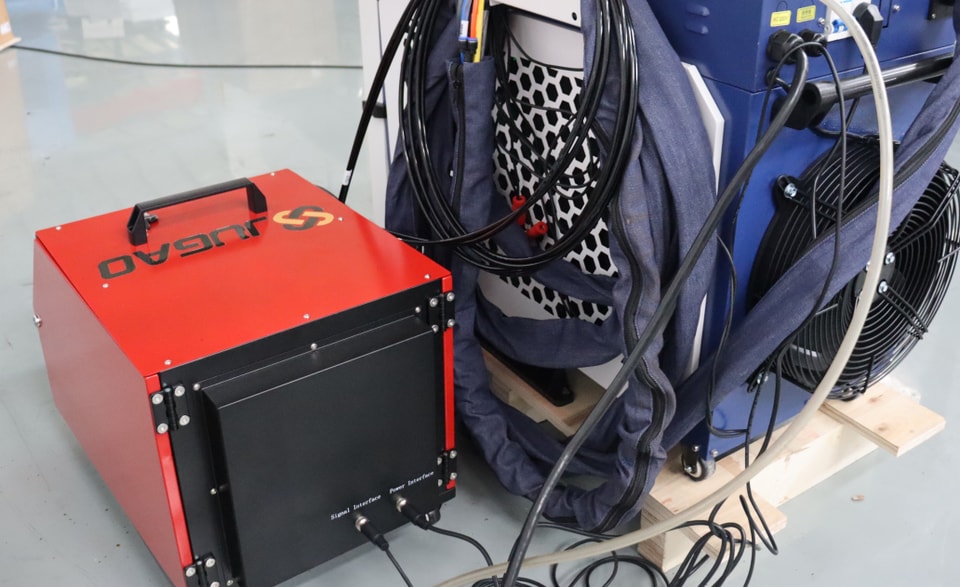 For which types of products is an automatic wire-feeding laser welding machine suitable?
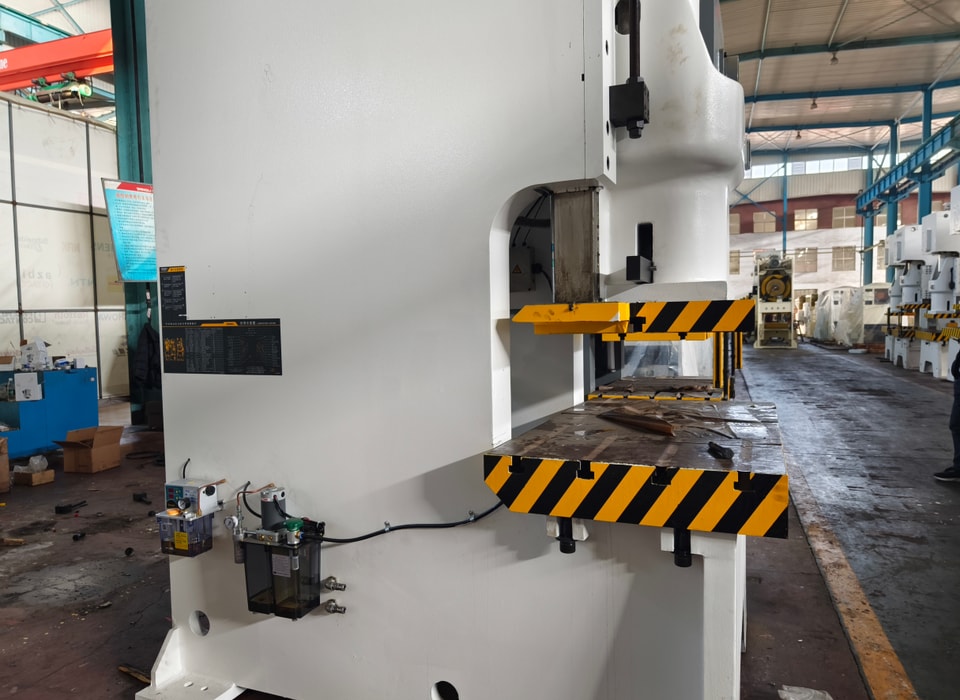 What Are the Latest Punching Machine Trends and Technological Breakthroughs?
 What Triggers Punching Machine Noise and How Can You Quieten It?
 What factors influence the replacement cycle of wear parts in a pipe-bending machine?
 Beyond price, what key parameters should you consider when purchasing welding equipment?
 4 Common Methods for Inspecting Weld Quality
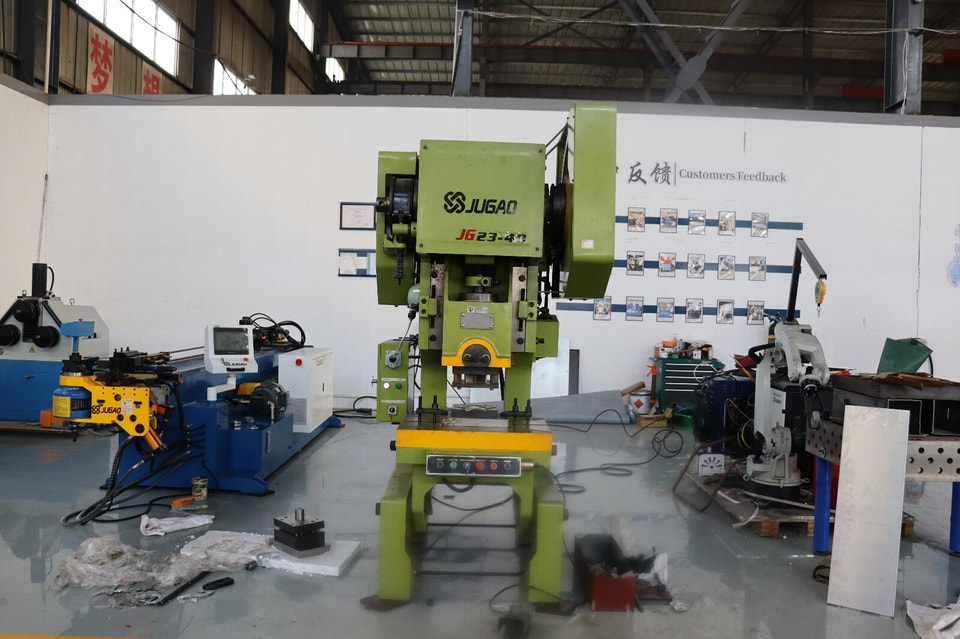 Selecting the Top Punching Machines for Small Workshops & Heavy Industry
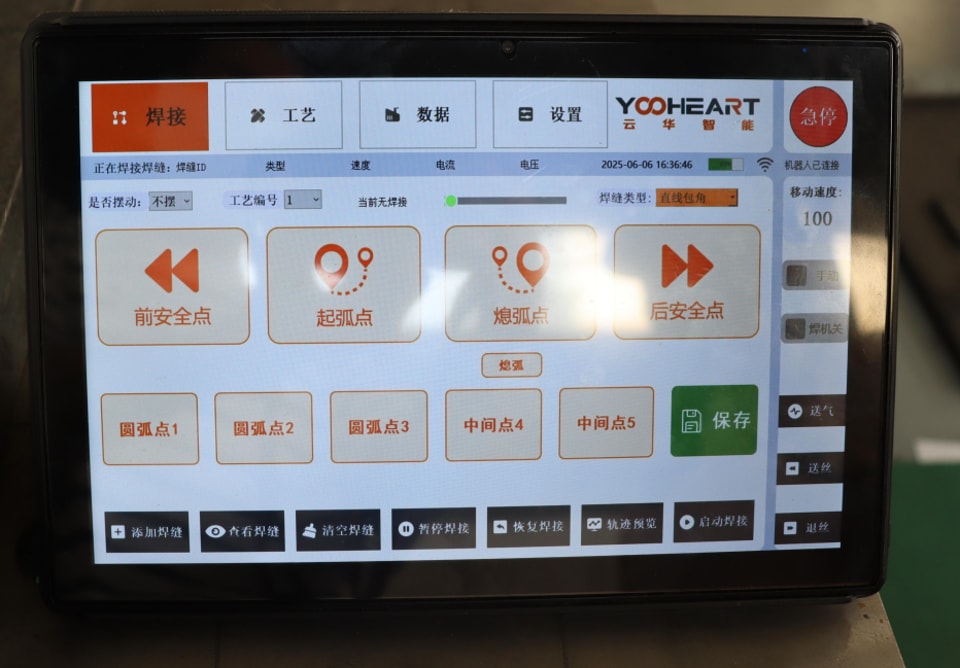 How do you set the welding path for a robotic laser welding machine? Can it perform precise welding on complex workpieces?
Engineering review
Send a drawing.
Get an engineer.
Standard selections answered within 4 hours. Parts outside the rules get a written process review within 24 hours.
- Part drawing: DXF, DWG, STEP or PDF
- Material and thickness
- Longest bend or cut length
- Yearly volume
Write to info@ntjugao.com or message the factory on WhatsApp +86 132 2211 1178.
Drawings (DXF, DWG, STEP, PDF): attach them to an email to info@ntjugao.com, quoting your name.