

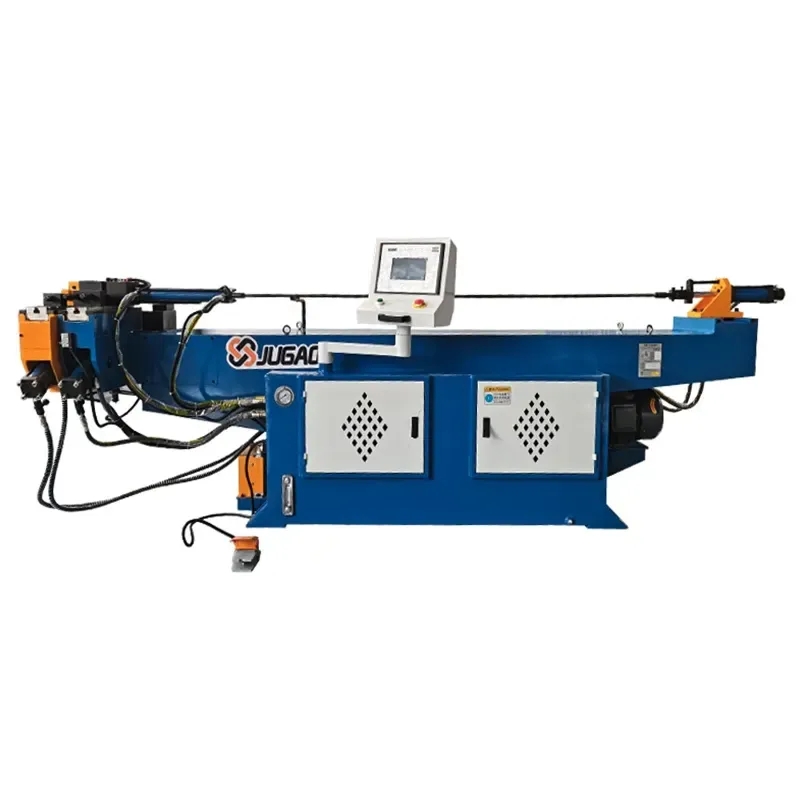
Annual Overhaul of Pipe Bending Machines: These Items Are Essential
2026-05-14

After a year of operation, the equipment deserves a reward. The annual overhaul isn't just a formality; it's a crucial operation to "recharge" the pipe bending machine. Follow this checklist, and your equipment can easily last another year.
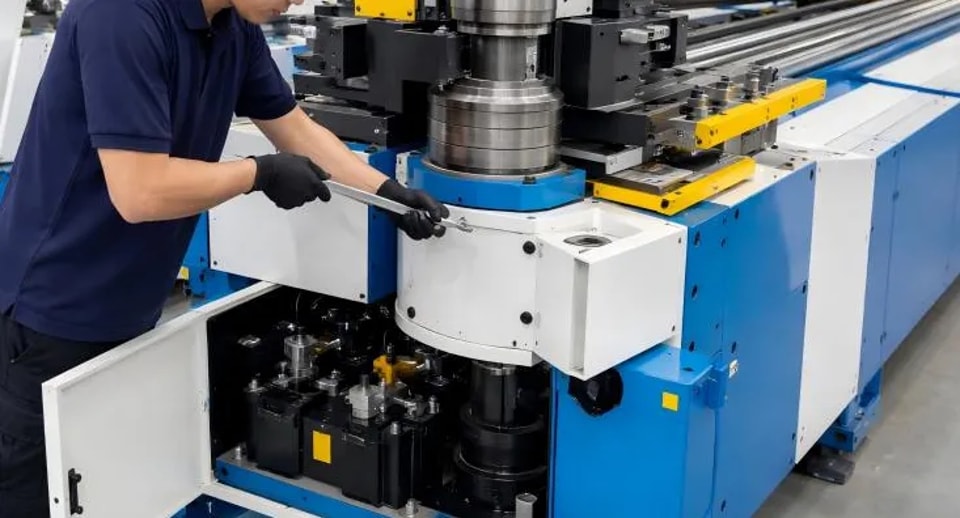
I. Hydraulic System: The Heart Needs Thorough Inspection
Drain all hydraulic oil and clean the sludge and metal filings from the bottom of the tank.
Replace the suction filter, return filter, and air filter (don't skip these three).
Disassemble and clean the relief valve, directional valve, and throttle valve; replace worn seals.
Inspect the oil pump: Test the volumetric efficiency; if the clearance is too large, replace the pump core or the entire pump.
Inspect the cylinder: Replace the piston rod seal and dust ring; check for scoring on the cylinder wall.
Clean or replace the cooler (clean dust for air-cooled systems, descaling for water-cooled systems).
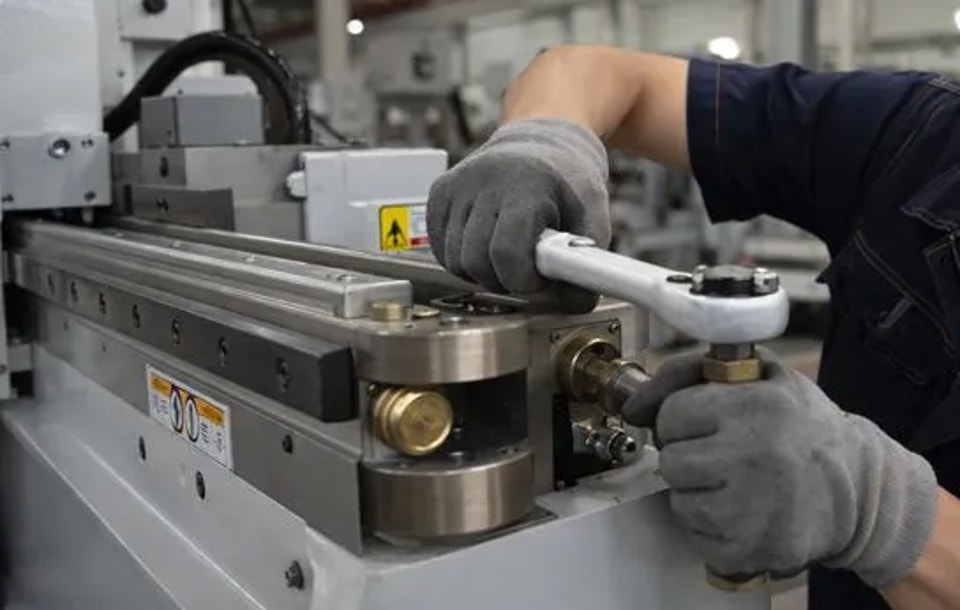
II. Mechanical Transmission: The Bones and Joints Need Reinforcement
Linear guides and sliders: Test the clearance; replace them in pairs if excessively worn.
Ball screws: Test the backlash; adjust the preload or replace the screw pair.
Reducer: Drain the old oil and replace with new oil; disassemble and inspect the gears and bearings.
Bend arm gears/racks: Check the tooth surface for pitting or wear; if the clearance is too large... Adjustments:
Tighten all loose bolts with a torque wrench, especially anchor bolts.
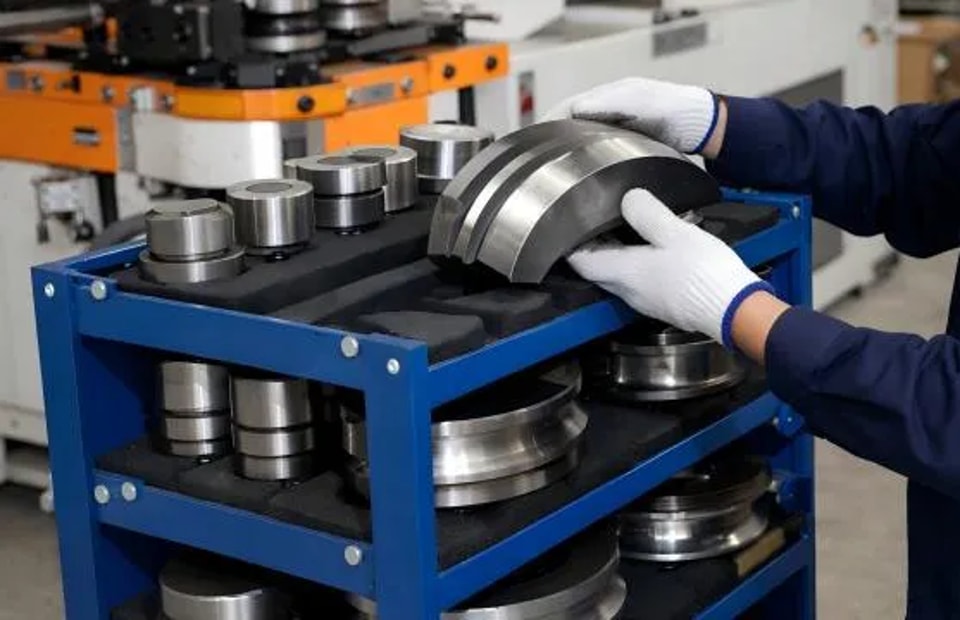
III. Dies and Mandrels: Key components in direct contact with the workpiece.
Inspect the working surfaces of the bending die, clamping die, and anti-wrinkle die. Repair or replace any roughened, scratched, or rusted surfaces.
The mandrel ball joint should rotate freely. The mandrel rod should not be bent or have deep scratches.
Recalibrate the alignment accuracy between the leading edge of the anti-wrinkle die and the tangent point of the bending die.
IV. Electrical and Control Systems: A crucial component.
Clean all dust from the electrical cabinet (use a vacuum cleaner, not compressed air).
Check the cooling fans of the PLC, inverter, and servo drive. Replace any fans that are not turning.
Tighten all wiring terminals. Replace any oxidized or burnt contacts.
Clean the sensing surfaces of the encoder, proximity switch, and angle sensor. Test the signal accuracy.
Add grease to the motor bearings and measure the insulation resistance.
V. Precision Calibration: Let the Data Speak for Itself
Bending Angle Calibration: Compare the displayed value with the actual value using an angle meter to recalibrate the zero point.
Feed Length Calibration: Measure the deviation between the actual moving distance and the displayed value to correct the pulse equivalent.
Rotation Axis (B-axis) Calibration: Ensure accurate spatial rotation angles when encountering multiple bends.
Repeat Positioning Accuracy Test: Run 10 consecutive times to check the deviation range.
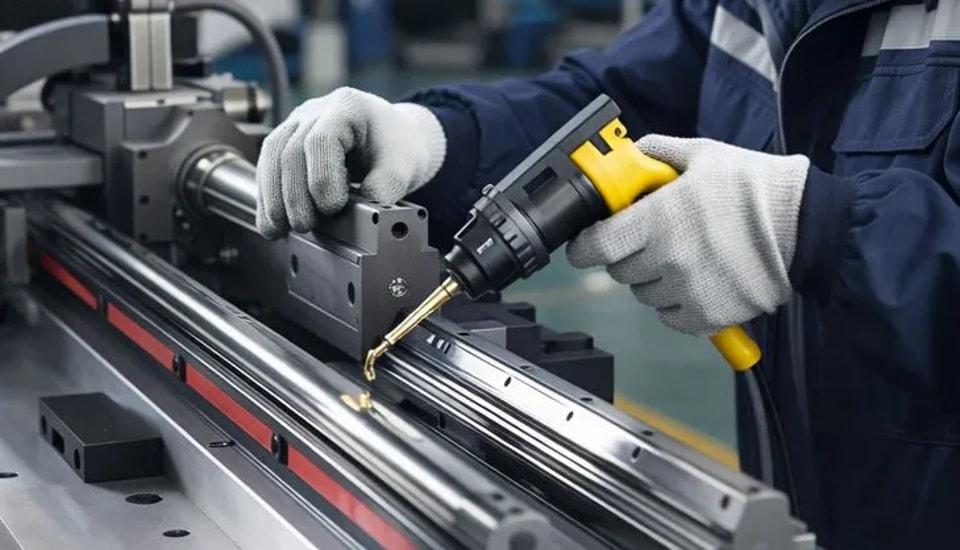
VI. Lubrication System: Blocked Oil Circuits Mean No Work is Effective
Clean the automatic lubrication pump oil tank and replace the grease.
Check the oil circuit distribution. Check for blockages in the components; clear or replace any obstructions.
Replace any aged or cracked lubrication pipes directly.
VII. Safety Devices: Lifesavers in Critical Moments
Test all emergency stop buttons; pressing them must disconnect the power.
Check the functionality of safety door switches and limit switches.
Recheck the set pressure of hydraulic safety valves (relief valves).
VIII. Overall Machine Cleaning and Rust Prevention
Remove oil, sludge, and metal filings from the equipment surface and hard-to-reach areas.
Apply rust-preventive oil to exposed piston rods, guide rail surfaces, and spindle rods.
Replace damaged guide rail guards and cable chains.
Post-overhaul verification
Don't rush into work. Run the system under no-load for 30 minutes, listening to the sounds, observing the movements, and measuring the temperature. Then, test-bend a standard pipe to verify that the angle, dimensions, and surface quality all meet the requirements before officially commencing production.
Timeline: It's recommended to schedule the overhaul during long holidays like Spring Festival or National Day. Purchase spare parts in advance and hire an experienced repairman. Write down all the replaced parts and adjusted parameters so you'll be prepared for next year's overhaul.
Contact Us