 Get a quote
Resources
A Comprehensive Guide to Budget Planning for Press Brake Procurement
Table of Contents
1.Complete Breakdown of Press Brake Procurement Costs
2.Three-Step Methodology for Accurate Budget Planning
3.Three Critical Budgeting Pitfalls to Avoid
4.Expert Answers to Common Procurement Questions
5.Professional Procurement Recommendations & Conclusion
In the era of manufacturing transformation, press brakes—as core metal-forming equipment—directly impact production efficiency and market competitiveness. A well-structured budget plan not only controls initial investment but also ensures optimal operational performance throughout the equipment's lifecycle. This guide provides a systematic approach to press brake budget planning, helping businesses maximize return on investment (ROI).
Complete Breakdown of Press Brake Procurement Costs
Equipment Acquisition Cost Analysis
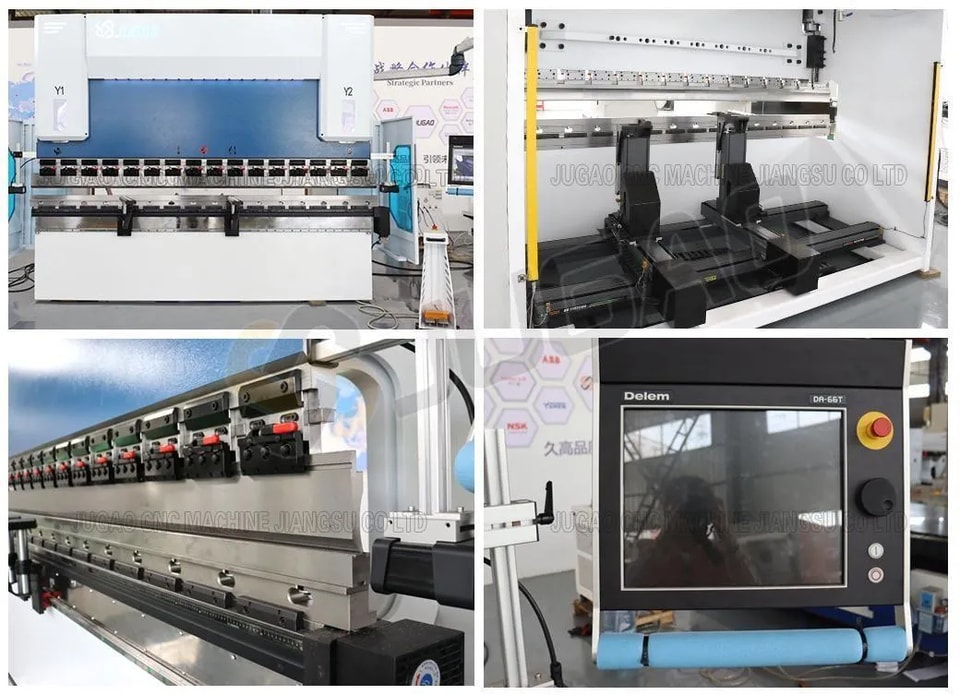
Press brake pricing varies significantly based on:
• Automation level: Manual models cost a fraction of CNC or fully automated systems.
• Processing capacity: Tonnage and bed length directly influence pricing.
• Brand premium: Imported brands typically command a 30%-50% price premium over domestic alternatives.
Recommendation: Adopt a "requirements-matching" approach to select the most cost-effective model for your production needs.
Tooling Investment Strategy
Tooling accounts for 15%-25% of total investment. Key considerations:
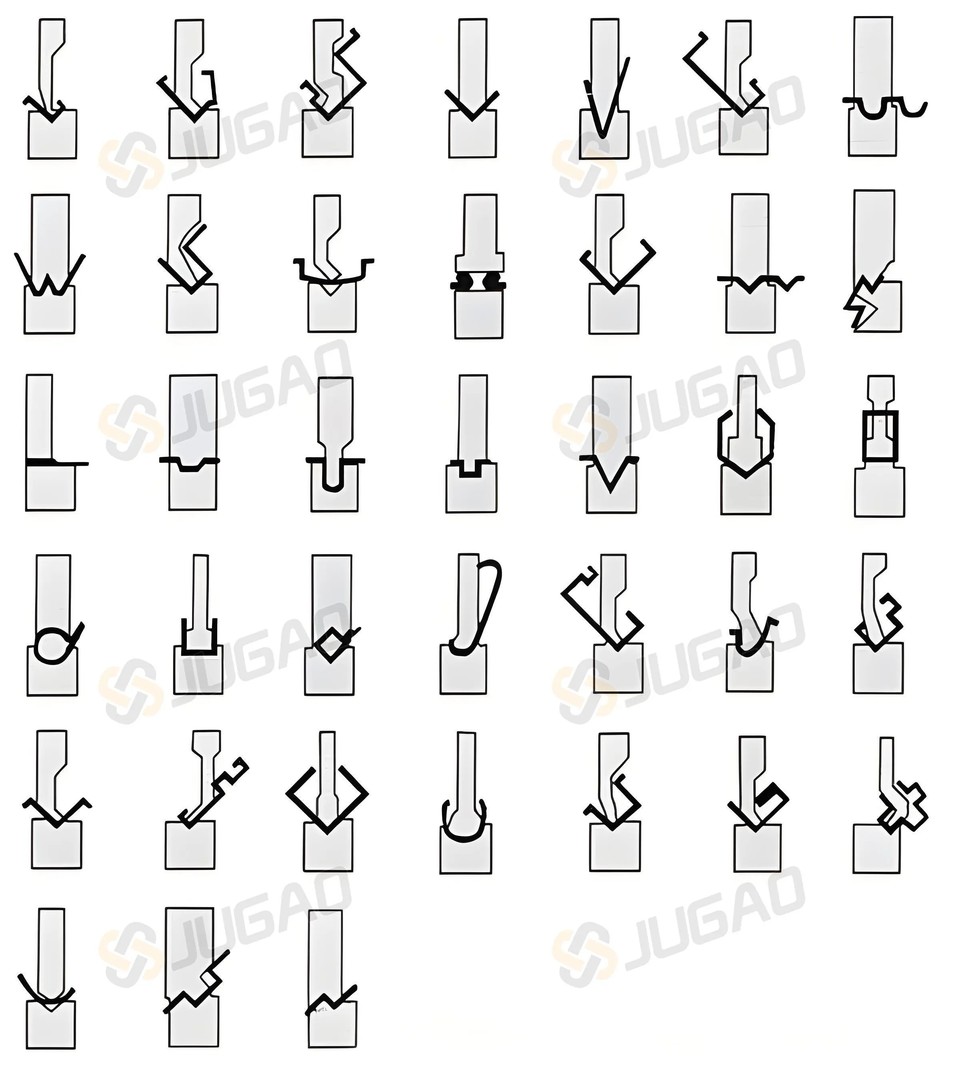
1.Standard tooling: Cover 80% of routine bending requirements.
2.Specialized tooling: Plan for unique forming applications.
3.Tooling lifecycle management: Implement predictive replacement schedules.
Total Lifecycle Operational Cost Calculation
Include:
• Energy consumption: Hydraulic models consume ~40% more power than servo-electric systems.
• Labor costs: Automation can reduce operator headcount by 50%.
• Facility modifications: Large machines may require reinforced flooring.
Smart Maintenance System Implementation
Best practices:
• Preventive maintenance: Extends equipment lifespan by 30%.
• Critical spare parts inventory: Minimizes unplanned downtime.
• Remote monitoring: Enables predictive maintenance.
Three-Step Methodology for Accurate Budget Planning
Step 1: Needs Assessment & Machine Selection
1.Define technical requirements for parts production.
2.Evaluate annual production volume.
3.Determine automation level (manual/hydraulic/CNC).
4.Shortlist 3-5 candidate models.
Step 2: Comprehensive Cost Modeling
• Recommended budget allocation:
• Equipment purchase: 55%-65%
• Tooling: 15%-25%
• Installation/commissioning: 5%-8%
• Operator training: 3%-5%
• Operational reserve: 7%-10%
Step 3: ROI Analysis Framework
Key metrics:
• Per-part processing cost
• Machine utilization rate
• Payback period
• 5-year total cost of ownership (TCO)
Three Critical Budgeting Pitfalls to Avoid
Pitfall 1: Price-Driven Procurement Decisions
Case study: A manufacturer saved $30K upfront by choosing an under-spec machine, only to incur $50K/year in additional labor costs.
Pitfall 2: Overlooking Hidden Costs
Common omissions:
• Process debugging expenses
• Operator certification fees
• Environmental compliance investments
Pitfall 3: Static Budget Planning
Solution: Implement quarterly budget reviews to adapt to market changes.
Expert Answers to Common Procurement Questions
Q: How to Balance Machine Capability vs. Budget Constraints?
A: Follow the "core requirements first" principle—ensure critical specs are met while compromising on non-essential features.
Q: How to Establish Optimal Maintenance Intervals?
A: Base schedules on runtime data:
• Every 400-500 hours: Routine maintenance
• Every 2,000 hours: Comprehensive service
• Annually: Full system inspection
Q: Strategies to Reduce Operational Costs Post-Purchase?
A: Key measures:
1.Implement energy monitoring systems
2.Standardize operating procedures
3.Conduct continuous improvement programs
Professional Procurement Recommendations & Conclusion
1.Form a cross-functional procurement team
2.Compare ≥3 qualified suppliers
3.Demand detailed lifecycle cost analyses
4.Negotiate favorable payment terms
5.Clarify after-sales service agreements
Conclusion: Scientific budget planning is the cornerstone of successful press brake procurement. By adopting a "Total Cost of Ownership" mindset—balancing upfront costs with long-term operational efficiency—manufacturers can maximize equipment value. For customized procurement solutions, consult our technical experts.

Related
Keep
reading.
 Comparison of Laser Welding Results and Application Scenarios Across Different Materials
 How to Choose Between Air-Cooled and Water-Cooled Laser Welding Systems
 Understanding Punching Machines: Principles, Types, and Selection
 How can one effectively follow the installation guidelines for a pipe-bending machine?
 For which types of products is an automatic wire-feeding laser welding machine suitable?
 What Are the Latest Punching Machine Trends and Technological Breakthroughs?
 What Triggers Punching Machine Noise and How Can You Quieten It?
 What factors influence the replacement cycle of wear parts in a pipe-bending machine?
 Beyond price, what key parameters should you consider when purchasing welding equipment?
 4 Common Methods for Inspecting Weld Quality
 Selecting the Top Punching Machines for Small Workshops & Heavy Industry
 How do you set the welding path for a robotic laser welding machine? Can it perform precise welding on complex workpieces?
Engineering review
Send a drawing.
Get an engineer.
Standard selections answered within 4 hours. Parts outside the rules get a written process review within 24 hours.
- Part drawing: DXF, DWG, STEP or PDF
- Material and thickness
- Longest bend or cut length
- Yearly volume
Write to info@ntjugao.com or message the factory on WhatsApp +86 132 2211 1178.
Drawings (DXF, DWG, STEP, PDF): attach them to an email to info@ntjugao.com, quoting your name.