
How to Prevent Laser Head Damage and Extend Its Service Life
2026-08-25

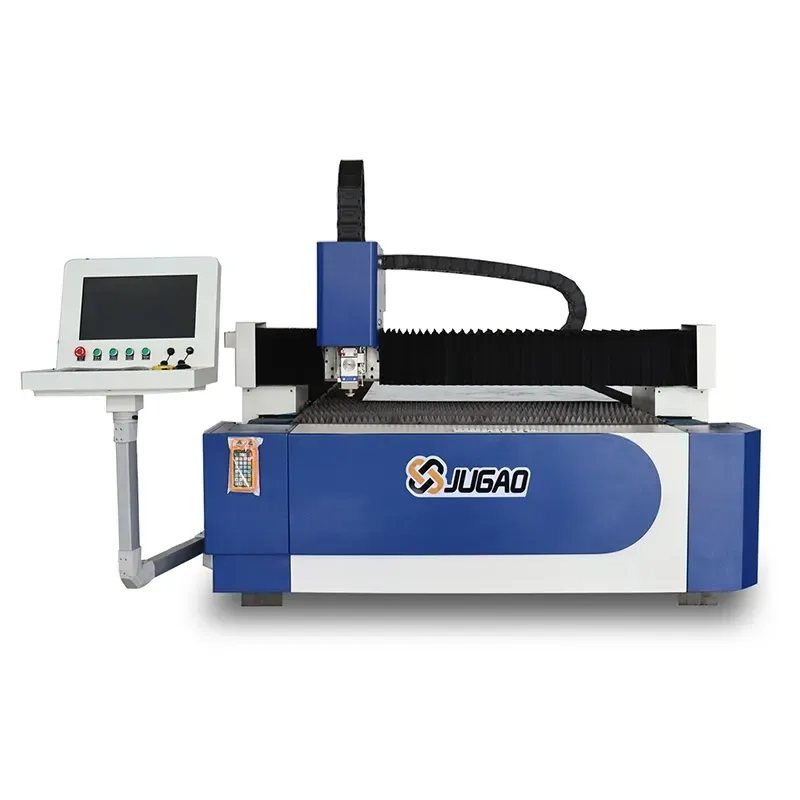
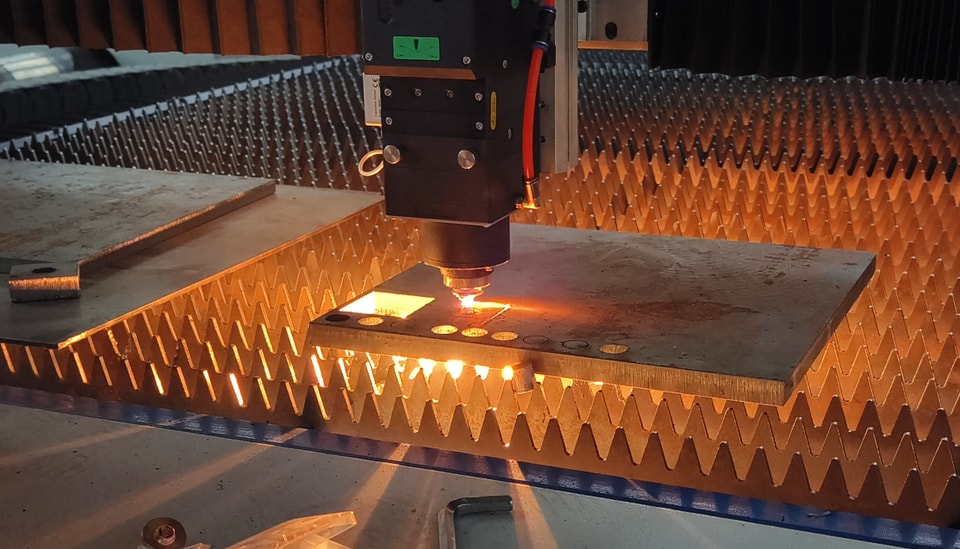
The laser head is one of the most important precision components in a laser cutting machine. Its condition directly influences beam stability, cutting accuracy, production efficiency, and overall equipment reliability. Once the laser head is damaged, users may face declining cut quality, unplanned downtime, and costly component replacement.
In daily operation, contamination, incorrect alignment, careless handling, and excessive heat are among the most common factors that shorten laser head life. Understanding these risks and controlling them through routine maintenance can prevent many avoidable failures.
This guide explains the major causes of laser head damage and provides a practical six-step prevention procedure covering cleanliness, optical component care, alignment, thermal management, operator handling, and preventive maintenance.
Common Causes of Laser Head Damage
Contamination and Debris
Laser cutting produces dust, fine metal particles, fumes, and processing residue. These contaminants can gradually settle on the protective window, lens, or nozzle if the laser head and surrounding area are not kept clean.
When contamination reaches the optical path, it may absorb or scatter part of the laser energy. This can reduce beam transmission, increase local temperature, affect cutting performance, and in severe cases permanently damage sensitive optical components.
Improper Alignment or Handling
The optical path inside a laser cutting system requires accurate positioning. Incorrect installation of lenses or nozzles, improper adjustment, or rough handling of the laser head may disturb this alignment.
Even a relatively small alignment error can cause the beam to strike an unintended area, reduce cutting precision, or expose internal components to excessive laser energy. Careful installation and handling are therefore essential.
Thermal Stress and Overheating
Laser heads operate under demanding thermal conditions. If cooling performance is insufficient or the machine continues running under excessive heat, sensitive parts may be exposed to damaging thermal stress.
High temperatures can affect optical coatings, deform component housings, and shorten the working life of the laser head. Reliable cooling and regular temperature monitoring are important safeguards against heat-related damage.
Step-by-Step Prevention Measures
Step 1: Keep the Work Area Clean
Maintain a clean operating environment around the laser cutting machine. Metal chips, dust, slag, and other debris should be removed before they accumulate near the laser head or cutting zone.
Where appropriate, protective covers or machine enclosures can further reduce the amount of airborne contamination reaching sensitive components. Good housekeeping is the first barrier against dust-related optical damage.
Step 2: Clean Lenses and Nozzles Regularly
Inspect the laser head lens, protective window, and nozzle every day, particularly before intensive production. Any visible dust, residue, or contamination should be removed promptly.
Use only cleaning materials and procedures approved for laser optical components. Avoid abrasive tools, aggressive chemicals, or rough wiping methods, because scratches or coating damage can reduce beam transmission and may lead to permanent laser head problems.
Cleaning should be carried out carefully and in a clean environment to prevent new particles from entering the optical system during maintenance.
Step 3: Verify Proper Alignment
Check the laser optical path and component alignment at regular intervals. When a lens, protective window, or nozzle is removed or replaced, reinstall it according to the equipment manufacturer's recommended procedure.
Make sure every component is correctly seated and secured. Proper alignment helps the laser beam travel through its intended path and reduces the risk of unwanted reflections or localized heating.
Step 4: Monitor Cooling and Thermal Conditions
Confirm that the cooling system is operating normally and that coolant temperature remains within the recommended range.
During long production runs or high-power cutting, monitor the thermal condition of the machine rather than allowing continuous maximum-load operation without supervision. If abnormal heat is detected, stop or reduce operation as necessary and allow the laser head to return to a safe temperature.
Stable thermal management protects optical coatings, housings, and other heat-sensitive parts from premature deterioration.
Step 5: Train Operators in Correct Handling
Laser heads should only be serviced or handled by personnel who understand the correct operating and maintenance procedures.
Operators should never touch optical surfaces with bare hands. When removing, installing, or inspecting components, they should follow established handling procedures and use suitable protective equipment.
Training should also explain how improper handling can affect alignment, contaminate optics, and cause expensive damage. Consistent operator discipline is an important part of laser head protection.
Step 6: Perform Routine Preventive Maintenance
Establish a preventive maintenance schedule based on the machine manufacturer's recommendations and actual production intensity.
Routine maintenance should include checking seals, examining components for wear, confirming optical alignment, inspecting cooling performance, and replacing deteriorated parts before they create secondary damage.
A planned maintenance program makes it easier to identify small problems early and reduces the likelihood of unexpected laser head failure during production.
FAQs
How can I tell whether the laser head may be damaged?
Possible warning signs include unstable or inconsistent cutting results, unexpected burning or charring on the workpiece, visible scratches or contamination on optical components, and unusual noises during machine operation.
If these symptoms appear, stop and inspect the relevant components before continuing production.
How often should the laser head be cleaned?
Basic cleaning and inspection should generally be performed daily, with additional cleaning after heavy or contamination-intensive use. The optical components should also be checked before each production cycle so that dust or residue can be addressed before it builds up.
Can inadequate cooling permanently damage the laser head?
Yes. Excessive heat can deform components and damage sensitive optical coatings. Maintaining the correct cooling conditions is therefore essential for preserving laser head performance and service life.
Conclusion
Protecting the laser head is essential for maintaining stable cutting accuracy, reliable machine performance, and controlled maintenance costs.
Keeping the work area clean, inspecting and cleaning optical components, maintaining correct alignment, controlling operating temperature, training operators, and following a structured maintenance schedule can significantly reduce the risk of premature laser head damage.
Preventive care is usually far less costly than repairing or replacing a damaged precision component. By integrating these practices into daily production, manufacturers can extend laser head service life while reducing downtime and maintaining consistent cutting quality.
For additional guidance on laser cutting machine maintenance, troubleshooting, operation, or equipment selection, the JUGAO team can provide professional technical support and practical solutions for your production requirements.
Contact Us