
Why Use Shearing Machines in Railway Equipment Manufacturing
2026-05-14

Table of Contents
1. The Role of Shearing Machines in Railway Equipment Manufacturing
○ Precision Cutting for Structural Stability
○ Efficient Production with Uniform Quality
○ Economical Manufacturing Solutions
2. Core Applications of Shearing Machines in Railway Production
○ Cutting Vehicle Panels and Side Shells
○ Manufacturing Underframe Structural Parts
○ Preparing Materials for Bending and Welding
3. Operating Guidelines for Shearing Machines in Railway Equipment Manufacturing
○ Step 1: Adjust the Proper Blade Clearance
○ Step 2: Firmly Clamp the Workpiece
○ Step 3: Ensure Accurate Straight-Line Positioning
4. Frequently Asked Questions
○ What metal thickness is suitable for shearing machines in railway component production?
○ Can shearing machines process curved or complex profiles?
○ How frequently should shearing machine blades be sharpened?
○ Is shearing applicable to high-strength steel for railway frames?
5. Conclusion
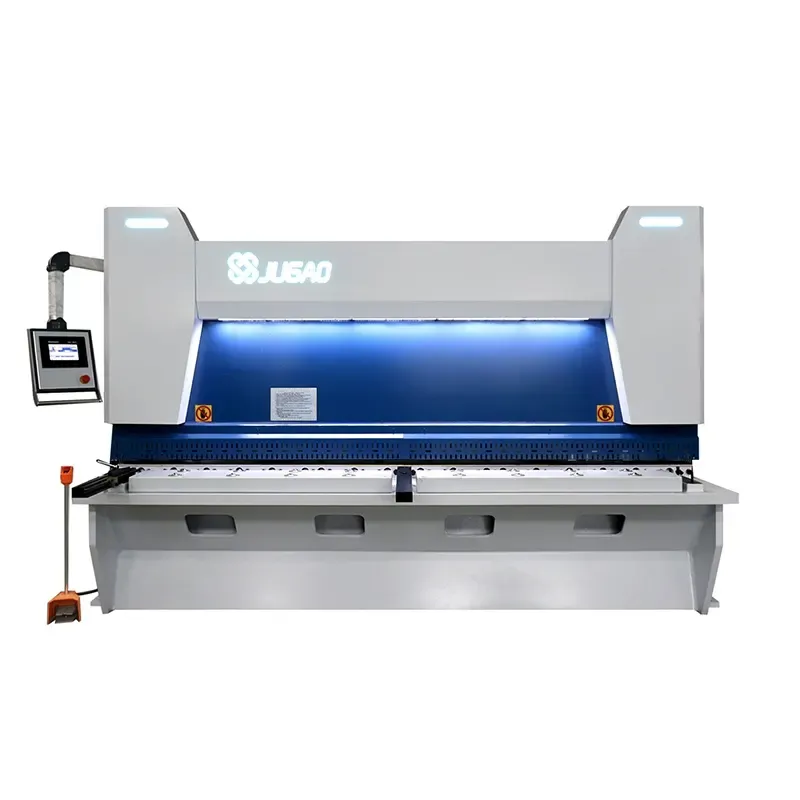
Shearing machines are indispensable in railway equipment manufacturing, providing high-precision, efficient, and large-scale metal cutting solutions for various train components. These machines deliver smooth, straight cuts that are critical for manufacturing durable structures such as underframes, side panels, and reinforcing parts. By reducing material waste and accelerating production cycles, shearing machines help manufacturers comply with stringent industry specifications while maintaining cost-effective production. This article analyzes the value of shearing machines in railway manufacturing and shares practical tips for their optimal application.
The Role of Shearing Machines in Railway Equipment Manufacturing
Precision Cutting for Structural Stability
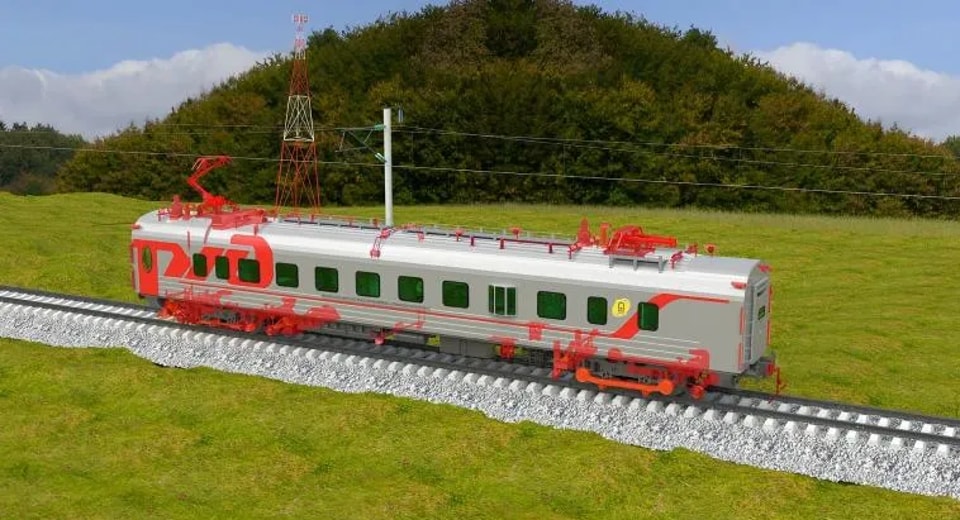
Railway vehicles need to endure long-term vibration, harsh environmental conditions, and heavy loading. Shearing machines offer accurate and consistent straight cuts to produce high-strength components with perfect assembly fit. Whether processing stainless steel, aluminum alloy, or mild steel, they achieve repeatable precision that guarantees the structural reliability of railway equipment.
Efficient Production with Uniform Quality
High-volume production of railway components demands high efficiency. Shearing machines feature fast and stable operation, enabling high-throughput manufacturing without sacrificing product quality. This is particularly vital for components like carriage side shells, underframes, and reinforcing plates, where consistent dimensions are essential for operational safety.
Economical Manufacturing Solutions
A major advantage of shearing machines in railway equipment manufacturing is minimized material waste. Compared with plasma or laser cutting, shearing generates negligible kerf loss, maximizing the utilization of raw materials and reducing long-term production costs. Additionally, shearing machines have lower consumable consumption and simpler maintenance requirements, making them a cost-effective choice in the long run.
Core Applications of Shearing Machines in Railway Production
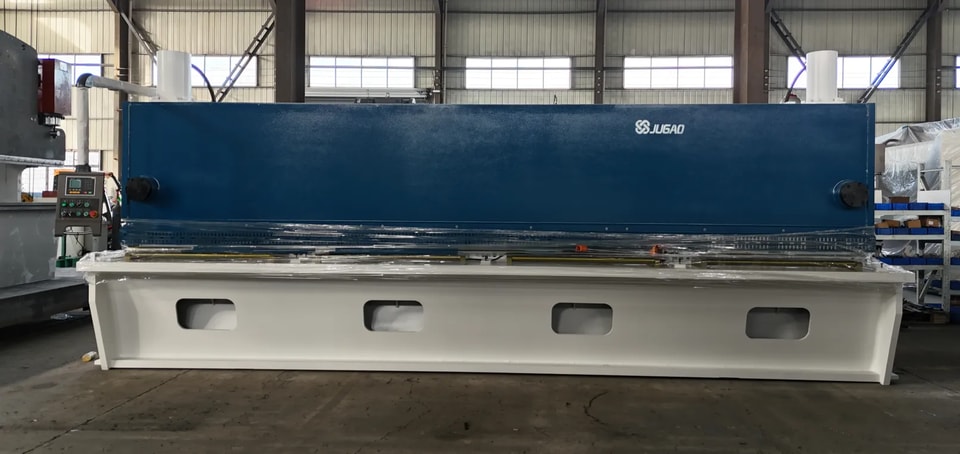
Cutting Vehicle Panels and Side Shells
Large sheet panels applied in railcars and locomotives require neat edges and straight contours. Shearing machines can easily complete this task, ensuring precise alignment between panels and adjacent welded or bolted components.
Manufacturing Underframe Structural Parts
The train underframe bears the full load of the entire vehicle. Shearing machines are used to produce stiffeners, cross beams, and brackets that must meet strict dimensional tolerances, guaranteeing the safety and stability of railway vehicles.
Preparing Materials for Bending and Welding
Before sheet materials are formed by press brakes or welded into integrated assemblies, they need to be cut to standard sizes. Shearing ensures uniform blank dimensions and prepares materials for subsequent processing, optimizing the overall production flow.
Operating Guidelines for Shearing Machines in Railway Equipment Manufacturing
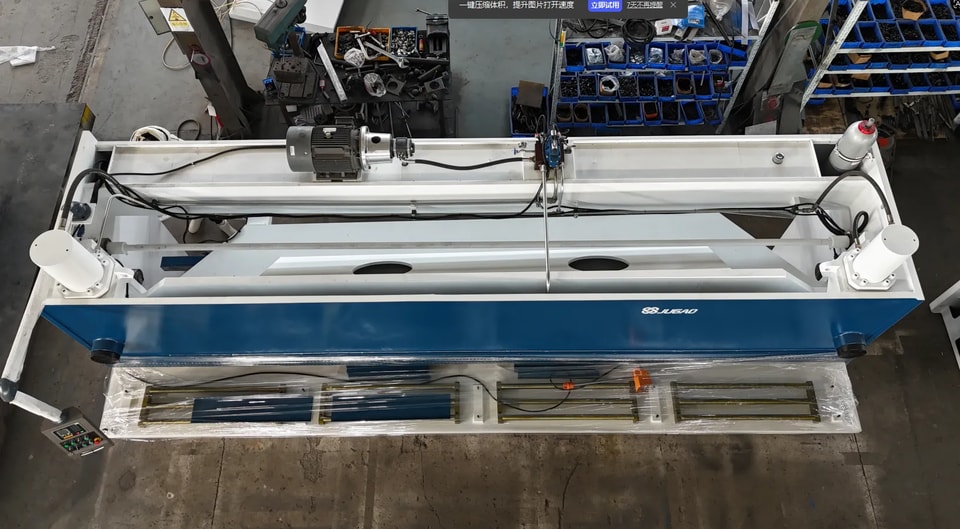
Step 1: Adjust the Proper Blade Clearance
Blade clearance must be adjusted according to material thickness. Excessively large clearance causes sheet deformation, while overly small clearance accelerates blade wear. Always refer to the machine’s technical manual for the best parameter settings.
Step 2: Firmly Clamp the Workpiece
Use pressing devices or clamps to fix the sheet metal and prevent displacement during cutting. This avoids dimensional errors and ensures clean cutting edges, especially for long sheets or heavy-gauge metals.
Step 3: Ensure Accurate Straight-Line Positioning
Precise alignment along the cutting line avoids rework and ensures components are ready for direct welding or assembly. Use back gauges or side guides to maintain consistent cutting accuracy.
Frequently Asked Questions
What metal thickness is suitable for shearing machines in railway component production?
Most industrial shearing machines can process sheets with a thickness range of 6mm to 20mm, depending on the machine model and blade performance. Always match the material grade and thickness to the machine’s processing capacity.
Can shearing machines process curved or complex profiles?
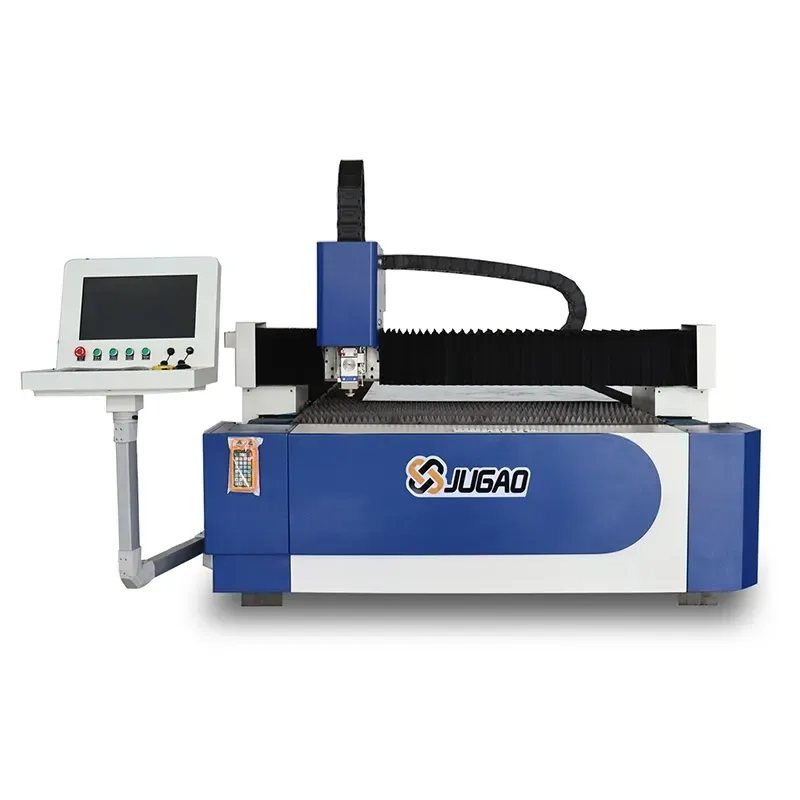
Shearing machines are exclusively designed for straight-line cutting. For curved or irregular shapes, CNC laser cutting or plasma cutting is more appropriate.
How frequently should shearing machine blades be sharpened?
Blade sharpening intervals depend on usage frequency and material type. For railway-grade steel, it is recommended to inspect blade sharpness every 2,000 to 5,000 cuts.
Is shearing applicable to high-strength steel for railway frames?
Yes, provided the machine is equipped with adequate shearing force and dedicated blades for high-strength steel applications. Always confirm compatibility with the equipment supplier.
Conclusion
Shearing machines used in railway equipment manufacturing achieve an ideal balance of precision, efficiency, and cost-effectiveness. Whether cutting side panels or structural components, these machines produce high-quality cutting results that enhance the overall performance of railway products. Proper machine setup and regular maintenance can ensure stable operation and extend the service life of shearing equipment. If you want to optimize your metal processing workflow or need advice on selecting the right shearing machine for your railway project, please contact our team—we are ready to assist you.
Contact Us