
The Role of Shearing Machines in the Shipbuilding Industry
2026-05-11

Table of Contents
1. Contributions of Shearing Machines to Shipbuilding
○ Processing Large Steel Plates via Shearing Equipment
2. Benefits of Shearing Machines in Shipbuilding Applications
○ Enhanced Cutting Precision
○ Improved Work Efficiency and Output
○ Reduced Operating Expenses
3. Operation of Shipbuilding Shearing Machines
○ Machine Setup for Marine Engineering Use
○ Typical Materials for Shipbuilding Shearing
4. Maintenance Guidelines for Shipyard Shearing Machines
○ Regular Blade Condition Checks
○ Hydraulic System Inspections
○ Cleaning and Lubrication Procedures
5. Frequently Asked Questions
○ Why are shearing machines favored over other cutting techniques in shipbuilding?
○ Can shearing machines process thick marine‑grade steel?
○ What is the recommended maintenance frequency for shearing machines in shipyards?
6. Conclusion
In marine engineering and manufacturing, shearing machines serve as key equipment for efficiently and accurately processing large‑scale metal sheets. For professionals engaged in the shipbuilding sector—including technicians, engineering designers, and procurement staff—understanding the functions and value of these machines is critical to optimizing vessel construction processes. This article elaborates on the application of shearing machines in shipyards, their unique advantages, and their importance in achieving efficient, large‑scale ship production. It provides practical insights to help industry practitioners fully grasp how such equipment supports the entire shipbuilding workflow.
Contributions of Shearing Machines to Shipbuilding
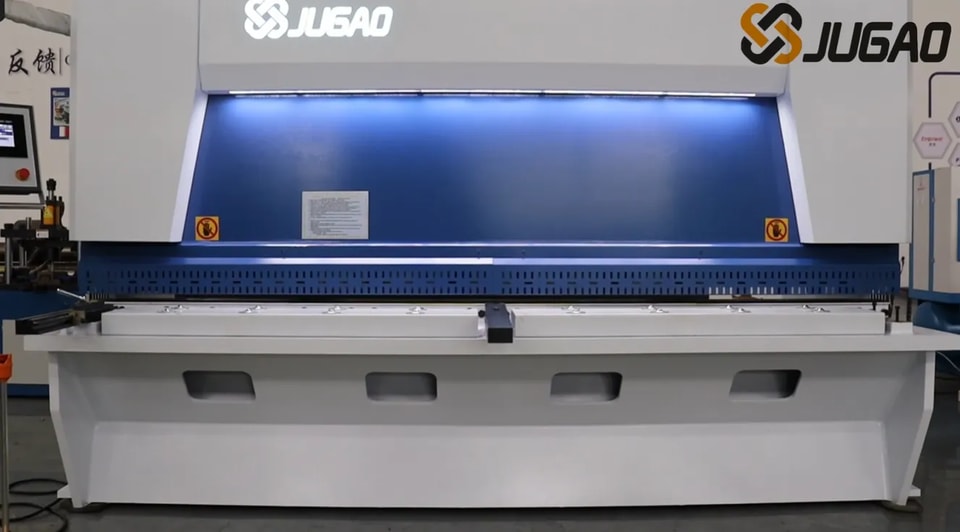
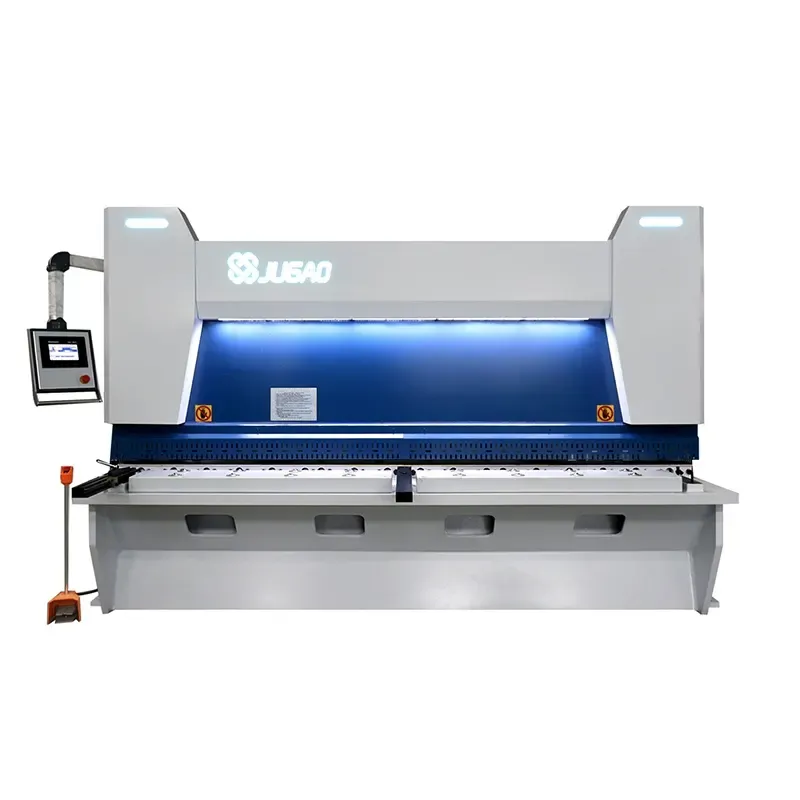
In ship construction, the accurate cutting of steel and aluminum plates is a fundamental production procedure. Shearing machines are specially developed to create smooth, linear cuts on large‑format metal sheets, which are then used to manufacture core ship components such as hull shells, deck plates, structural frames, and cabin bulkheads. The capacity to perform fast, stable cutting on these materials establishes shearing machines as essential equipment on modern shipbuilding production lines.
Processing Large Steel Plates via Shearing Equipment
Ship construction relies on heavy‑duty materials, mainly marine‑specific steel and aluminum alloys, which often come in large dimensions and considerable thicknesses. Shearing machines are constructed to handle such large‑scale workpieces, typically fitted with extended cutting blades, high‑power hydraulic systems, and adjustable back gauges to guarantee dimensionally precise cuts each time. By optimizing the cutting workflow, these devices help shipyards maintain stable product quality and increase production efficiency.
Standard hydraulic shearing machines can cut steel plates with thicknesses from 6 mm to more than 40 mm. CNC‑controlled models further improve cutting accuracy and repeatability, ensuring all components comply with design specifications without requiring secondary trimming processes.
Benefits of Shearing Machines in Shipbuilding Applications
Enhanced Cutting Precision
Precision is a critical requirement in shipbuilding. Parts like hull plates need precise fitting to ensure watertight performance and structural stability. Shearing machines provide strict tolerance control and avoid inconsistencies caused by manual cutting or thermal cutting methods such as oxy‑fuel cutting, which can cause material deformation.
Improved Work Efficiency and Output
For large‑scale shipbuilding projects, production speed is a key factor. Shearing machines operate at a much higher pace than alternative cutting methods such as sawing and abrasive wheel cutting. Equipped with automatic feeding systems and programmable control systems, operators can preset multiple cutting tasks in advance, allowing the machine to operate with little manual intervention. This not only raises overall productivity but also reduces operator fatigue.
Reduced Operating Expenses
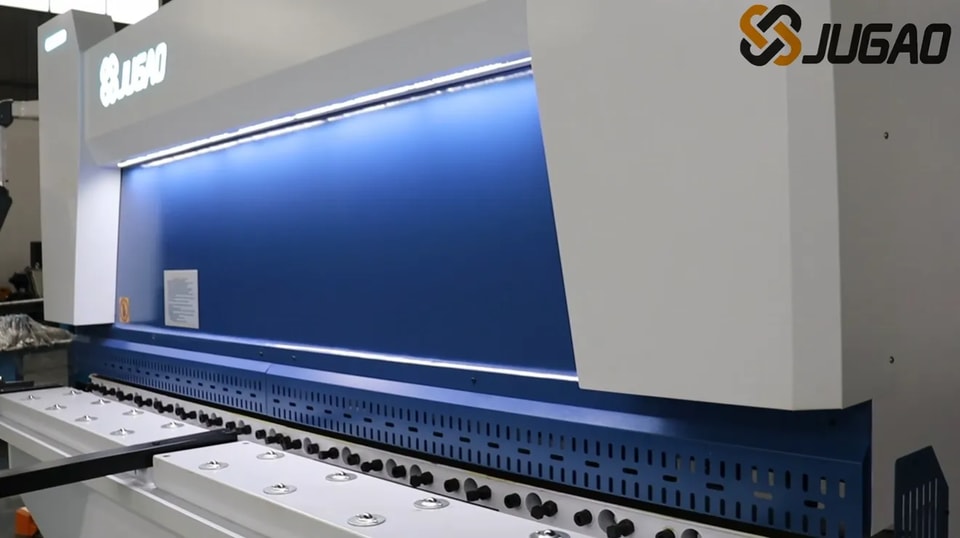
Different from thermal cutting technologies, shearing operations do not involve combustion or excessive energy consumption. They generate no sparks, harmful fumes, or toxic waste, making the process safer and more cost‑effective in long‑term use. The process consumes fewer consumable parts, and regular maintenance can effectively extend the service life of cutting blades.
Operation of Shipbuilding Shearing Machines
Operating shearing machines in shipyard conditions requires strict equipment setup, standardized safety procedures, and proper material handling. The general operational process is as follows:
Machine Setup for Marine Engineering Use
Before cutting starts, operators must adjust blade clearance based on material thickness and type. For instance, cutting 20 mm thick steel requires a larger blade gap than cutting 6 mm thick aluminum. Improper parameter settings may result in rough cut edges or even blade damage.
Some models are equipped with automatic blade clearance adjustment based on input parameters, making setup quicker and more consistent. It is also vital to firmly fix the material on the worktable to avoid displacement during cutting.
Typical Materials for Shipbuilding Shearing
Shearing technology is compatible with most common materials in shipbuilding, including:
• Marine‑grade steel (A36, AH36, DH36)
• Aluminum alloys (5052, 5083)
• Stainless steel for corrosion‑sensitive areas
Each material has distinct physical characteristics—some are prone to springback or surface scratches—so selecting the right blade material and setting appropriate clearance are essential to achieve ideal cutting results.
Maintenance Guidelines for Shipyard Shearing Machines
To sustain stable equipment performance, routine maintenance is necessary, especially in high‑intensity shipbuilding environments where machines run continuously under heavy loads.
Regular Blade Condition Checks
Blades should be inspected weekly for wear, chipping, or dulling. Worn blades produce jagged cuts and increase the chance of material deformation. Timely sharpening or replacement ensures clean cuts and reduces unnecessary mechanical stress.
Hydraulic System Inspections
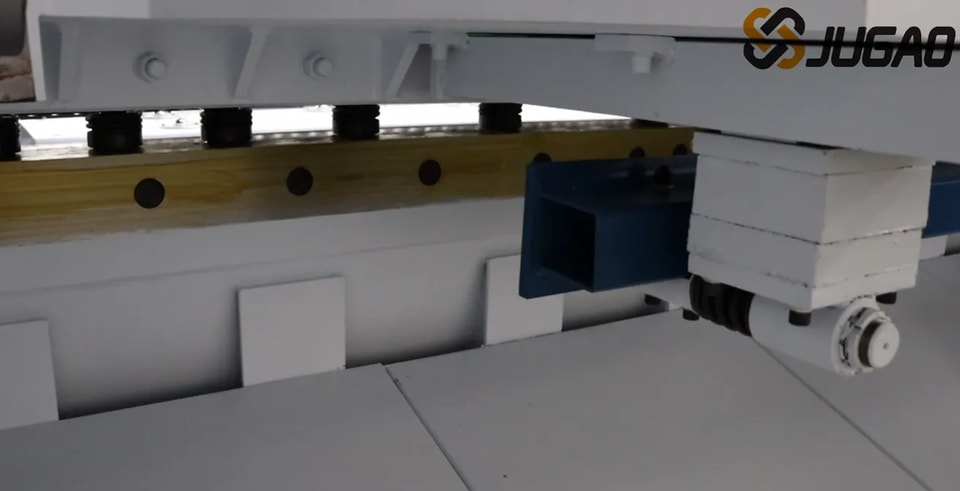
Most industrial shearing machines are driven by hydraulic systems. Operators should monitor hydraulic oil levels, check hoses for leaks, and replace filters at specified intervals to avoid system failures or pressure loss.
Cleaning and Lubrication Procedures
Shipyard environments are often dusty and humid. Regular cleaning of the shearing table and thorough lubrication of moving parts are necessary to prevent rust, wear, and unexpected breakdowns.
Frequently Asked Questions
Why are shearing machines favored over other cutting techniques in shipbuilding?
Shearing machines combine high cutting speed, excellent precision, and low operating costs. They produce smooth, burr‑free edges without heat‑induced distortion, making them perfect for ship structural parts that demand high accuracy and durability.
Can shearing machines process thick marine‑grade steel?
Yes, most industrial shearing machines used in shipyards can cut steel plates up to 40 mm thick. Blade quality, equipment pressure, and clearance settings need to be adjusted correspondingly for different material thicknesses.
What is the recommended maintenance frequency for shearing machines in shipyards?
For high‑production applications, daily basic inspections are required, and comprehensive preventive maintenance should be performed every 500 operating hours, including hydraulic system checks, blade sharpening, and control panel diagnostics.
Conclusion
Shearing machines are irreplaceable in the shipbuilding industry for cutting and forming the basic materials that constitute the core structure of marine vessels. Their excellent performance in delivering accurate, efficient, and economical cutting makes them essential tools in both traditional and modern shipyards. From processing large steel plates to ensuring on‑time project delivery, these machines greatly improve the quality and efficiency of shipbuilding operations.
If you plan to upgrade your shipyard’s cutting equipment or adopt advanced shearing technologies, JUGAO provides a complete range of hydraulic and CNC shearing machines customized for the shipbuilding industry. Contact our technical team now to find the most suitable solution for your production requirements.
Contact Us