
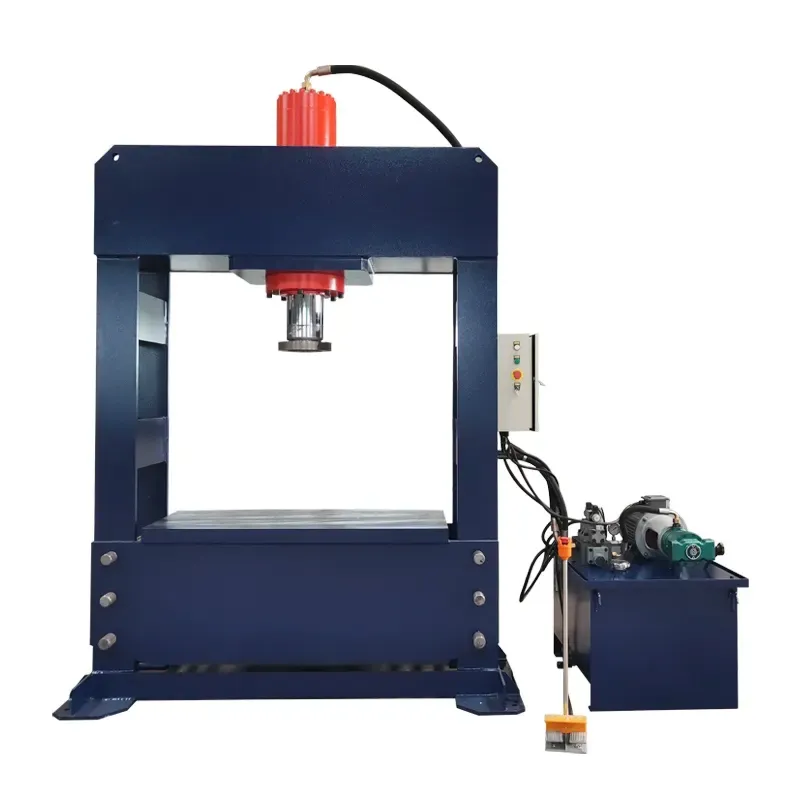
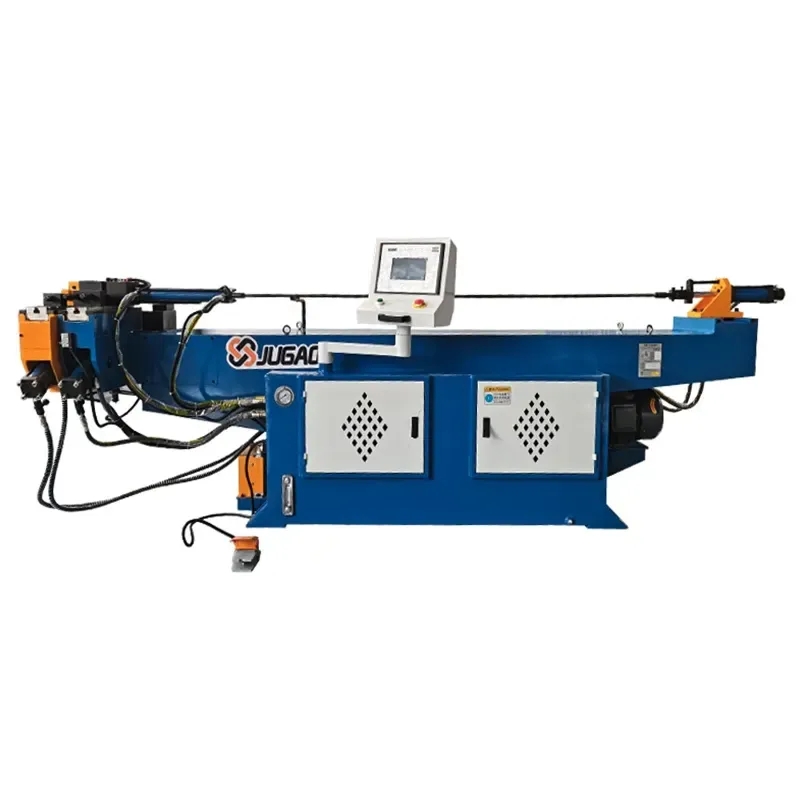
The Role of Shearing Machines in Electric Vehicle Manufacturing
2026-05-11

Table of Contents
1. How Shearing Machines Boost EV Component Production
○ High-Precision Sheet Metal Cutting for Battery Housings
○ Lightweight Material Cutting for Vehicle Chassis
○ Optimizing Body Panels and Enclosure Production
2. Strategies to Optimize Shearing Machine Application in EV Manufacturing
○ Step 1: Select the Appropriate Shearing Equipment
○ Step 2: Input Material Parameters Precisely
○ Step 3: Conduct Routine Maintenance on Cutting Blades
○ Step 4: Integrate Shearing Machines with Automated Systems
3. Core Advantages of Shearing Machines in EV Manufacturing
4. Frequently Asked Questions
○ Why are shearing machines more suitable for EV production than laser cutters?
○ Can shearing machines process high-end materials such as aluminum-lithium alloys?
○ How to eliminate burrs during shearing operation?
5. Conclusion
Shearing machines serve as a critical piece of equipment in electric vehicle (EV) manufacturing, guaranteeing precision, efficiency and operational speed during the entire vehicle assembly process. Though often overlooked, these machines are fundamental to forming high-quality components that drive contemporary electric vehicles. This article will elaborate on their core functions, contributions to production quality, material waste reduction, and their irreplaceable position in the current EV industry.
How Shearing Machines Boost EV Component Production
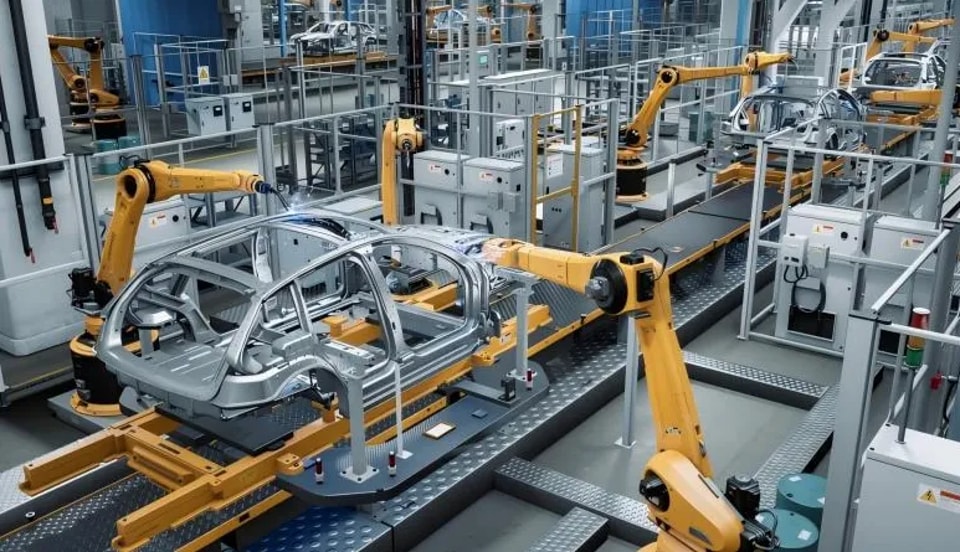
High-Precision Sheet Metal Cutting for Battery Housings
EV batteries are usually packaged in aluminum or stainless steel casings that demand ultra-precise cutting. Shearing machines deliver smooth, straight cuts without causing thermal deformation. This high level of accuracy guarantees a perfect fit and reliable structural performance for battery enclosures.
Lightweight Material Cutting for Vehicle Chassis
To enhance energy efficiency, electric vehicles extensively adopt lightweight materials like aluminum alloys. Shearing machines are perfectly suited for processing such materials, providing precise cuts without material warping. This precision minimizes secondary processing requirements and accelerates chassis manufacturing.
Optimizing Body Panels and Enclosure Production
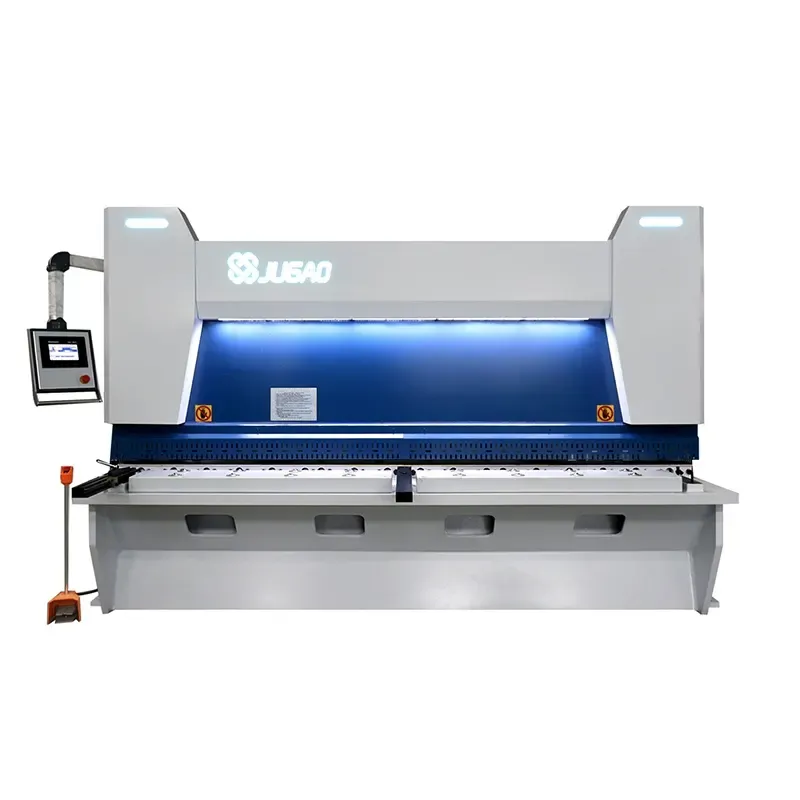
Shearing machines are indispensable for manufacturing body panels, motor casings and control unit enclosures. These components require rapid, consistent cutting to meet the strict tolerance standards of EV assembly. CNC shearing machines with programmable parameters can efficiently fulfill this production demand.
Strategies to Optimize Shearing Machine Application in EV Manufacturing
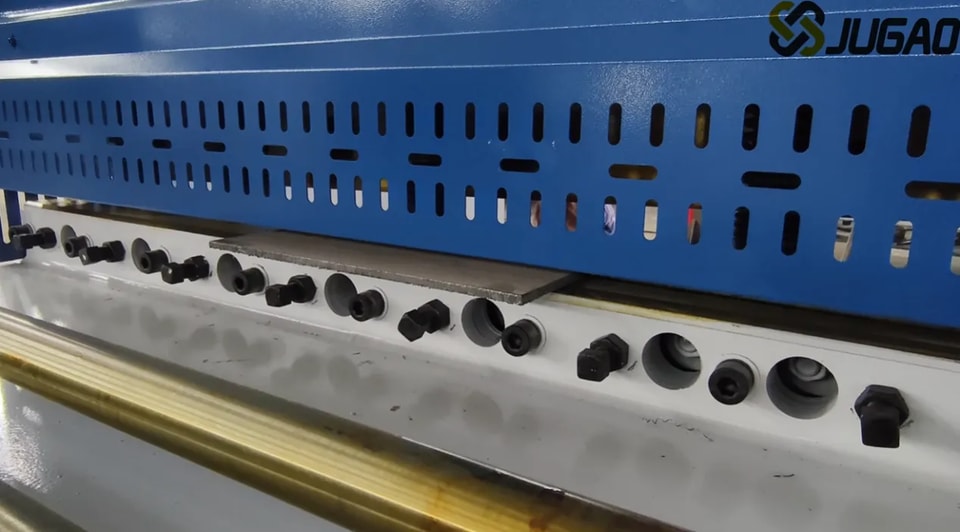
Step 1: Select the Appropriate Shearing Equipment
Different shearing machines vary significantly in performance. For EV manufacturing, hydraulic or CNC guillotine shears are recommended for their strong power and high precision. Prioritize models equipped with digital backgauge control to ensure consistent repeatability of cutting.
Step 2: Input Material Parameters Precisely
Before shearing, it is essential to enter accurate data including material type, thickness and blade clearance into the control system. This avoids burrs and uneven edges, ensuring components meet quality specifications from the initial cut.
Step 3: Conduct Routine Maintenance on Cutting Blades
Sharp blades are the prerequisite for clean shearing. Regular blade inspection and sharpening should be scheduled. This not only maintains cutting quality but also prolongs the service life of the equipment.
Step 4: Integrate Shearing Machines with Automated Systems
For large-scale EV production, connecting shearing machines with conveyor belts or robotic arms significantly improves production efficiency. Automated loading and unloading reduce equipment idle time and increase overall output.
Core Advantages of Shearing Machines in EV Manufacturing
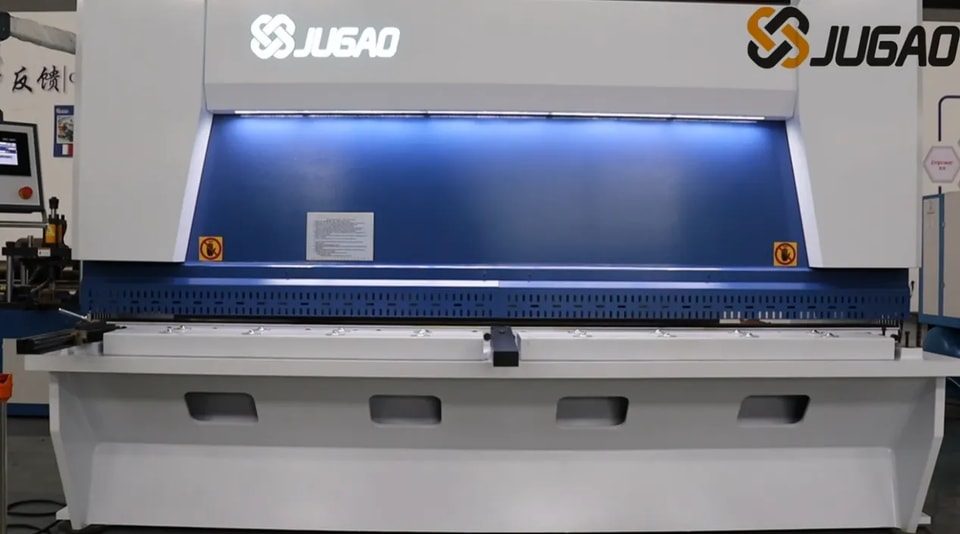
• Time-efficient: Capable of high-speed cutting for large-scale sheet metal processing.
• Cost-effective: Reduces material waste and lowers labor input.
• High-precision: Strict tolerance cutting ensures seamless component fitting.
• Eco-friendly: No heat-affected zones, resulting in lower energy consumption.
Frequently Asked Questions
Why are shearing machines more suitable for EV production than laser cutters?
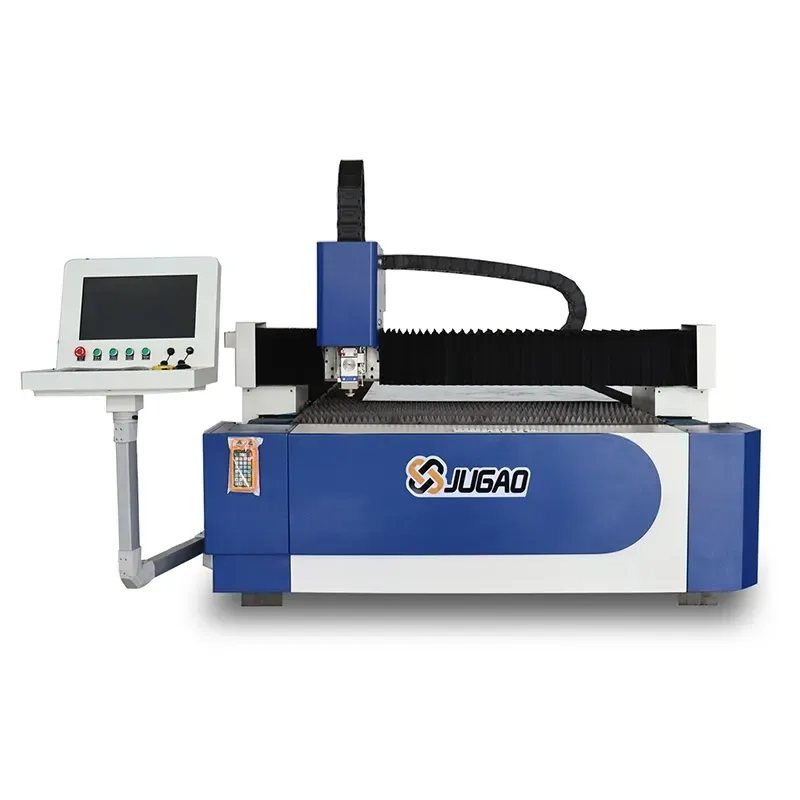
Although laser cutters offer high precision, shearing machines are faster and more economical for straight cuts on large sheet metals. They do not generate heat-affected zones and consume less energy, making them ideal for EV components like enclosures and structural panels.
Can shearing machines process high-end materials such as aluminum-lithium alloys?
Yes, modern hydraulic and CNC shearing machines can process aluminum-lithium alloys and other high-performance materials used in EV manufacturing. It is only necessary to adjust the blade clearance appropriately according to different material characteristics.
How to eliminate burrs during shearing operation?
Burrs are mainly caused by blunt blades or improper blade clearance. Keep blades sharp and set clearance matching the material thickness. A reliable pressing system also helps reduce vibration during cutting, further minimizing burr formation.
Conclusion
Shearing machines play a pivotal role in electric vehicle manufacturing by achieving precise, efficient and clean cutting for diverse components ranging from battery casings to lightweight chassis. By choosing suitable equipment, maintaining blade performance and optimizing production processes, manufacturers can improve productivity and ensure stable production quality. For enterprises aiming to upgrade their EV production lines, JUGAO provides professional guidance and high-performance shearing solutions.
Contact Us