
Comparison of IPG and Raycus lasers
2025-11-25

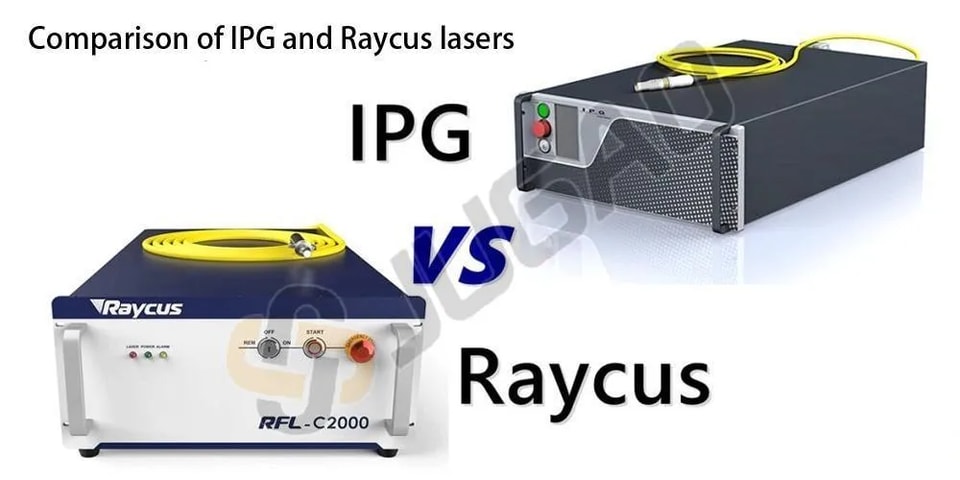
IPG and Raycus are two widely used laser brands in laser cutting machines. Each has its own advantages and features. This article will provide a detailed introduction to these two lasers and a comparison of IPG and Raycus.
1. Introduction to IPG Lasers
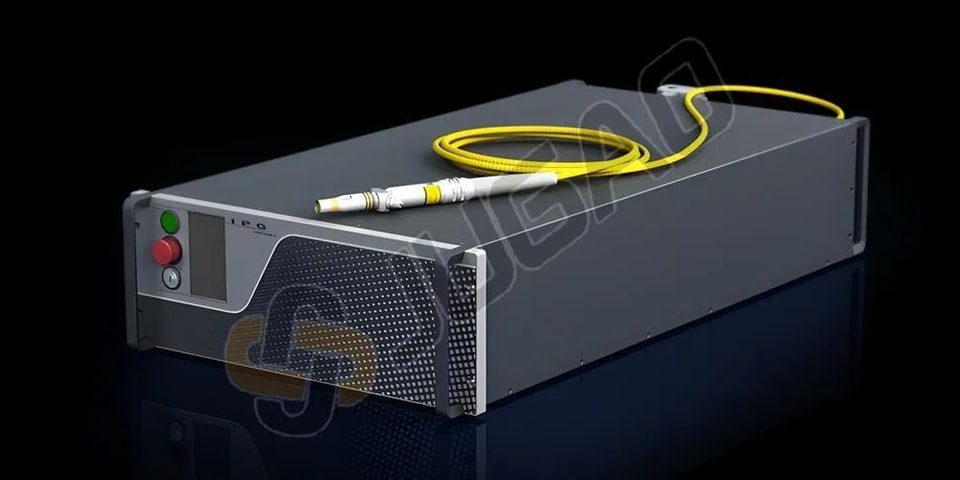
IPG Lasers is a pioneer in fiber laser technology. Its technology and products hold a significant position in the laser cutting industry. IPG Lasers excel in many fields, particularly in industrial laser cutting machines.
1) Technical Advantages
IPG fiber lasers utilize a fiber gain medium, resulting in higher efficiency and longer lifespan than traditional CO2 lasers. Fiber lasers also boast high electro-optical conversion efficiency (>30%), resulting in superior performance in terms of power and energy consumption.
2) Output Power
IPG offers a wide range of fiber lasers, from 500W to 20kW, to meet diverse application requirements. In high-power laser applications, IPG lasers are particularly competitive, capable of handling thick plate cutting and efficient welding.
3) Cutting Accuracy and Speed
IPG lasers offer excellent output beam quality, excellent focusing performance, and high cutting accuracy.
In high-power cutting applications, IPG lasers not only provide fast cutting speeds but also maintain excellent cut quality, making them suitable for cutting tasks requiring high precision.
4) High Reliability and Stability
IPG fiber lasers possess excellent thermal management capabilities, enabling stable operation even under long-term, high-load conditions. These lasers generally have a long lifespan and a low failure rate, enabling efficient and continuous operation in industrial production.
5) Low Maintenance Costs
Because fiber lasers do not require laser gas and a gas delivery system, they reduce gas dependency and complex maintenance, resulting in low maintenance costs and a relatively simple operation process.
6) Wide Applications
IPG lasers are widely used in the following fields:
Metal Cutting: Cutting materials such as stainless steel, aluminum, and carbon steel, suitable for precision cutting of various sheet materials.
Welding: Suitable for welding in the automotive, electronics, and precision equipment industries.
Marking and Engraving: Fine laser marking and engraving are widely used in the consumer goods, electronics, and tool industries.
Thin Sheet Cutting: Particularly suitable for rapid cutting of thin sheet materials while maintaining high precision.
7) High Energy Efficiency
Fiber lasers have high electro-optical conversion efficiency, significantly reducing energy consumption. The high efficiency of IPG lasers not only helps companies reduce operating costs but also meets environmental protection requirements.
IPG fiber lasers hold a prominent position in the laser cutting market thanks to their exceptional stability, high power output, high-precision cutting, and exceptionally long service life. While relatively expensive, their superior performance and low maintenance make them a top choice for many high-end applications.
If you demand the highest levels of cutting precision, efficiency, and stability, IPG lasers are a worthy investment.
2. About Raycus Laser
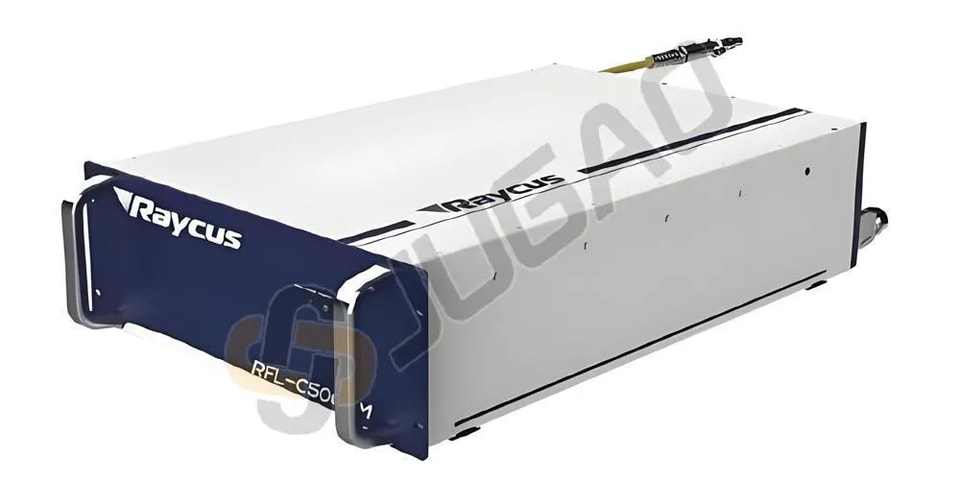
Raycus Laser is a Chinese brand that has emerged in the global laser market in recent years. With its exceptionally cost-effective products, Raycus Laser has gradually become a popular choice in the mid- and low-end markets and for specific applications. Below is an introduction to some of Raycus Laser's key features and advantages.
1) Technical Background
Raycus Laser utilizes fiber laser technology. Although it started relatively late, through continuous research and development, it has developed relatively mature laser production capabilities. The design of fiber lasers enables high electro-optical conversion efficiency and stability, all at a relatively affordable price.
2) Performance Characteristics
Output Power:
Raycus' fiber lasers typically range in power from 500W to 10kW, suitable for various applications such as cutting, welding, and marking.
IPG vs. Raycus: Raycus's high-power lasers (e.g., 10kW) are slightly inferior in some performance aspects, but perform well in low- and medium-power applications, meeting the needs of most small and medium-sized enterprises.
Cutting Accuracy and Speed:
Accuracy: Raycus lasers offer excellent precision in metal cutting, especially thin sheet cutting, achieving high cut quality.
Speed: While Raycus's cutting speed is slightly slower than IPG's, it is sufficient to meet most small- and medium-scale production needs. Beam Quality:
Raycus fiber lasers offer excellent beam quality, making them suitable for a variety of precision cutting tasks. However, compared to IPG lasers, they may be slightly inferior for extremely high-precision applications.
Stability and Reliability:
Raycus fiber lasers are relatively stable and suitable for daily production use, but may not be as stable as IPG lasers under long-term, high-load, continuous operation.
3) Price Advantage:
High cost-performance:
One of the biggest advantages of Raycus lasers is their low price, making them suitable for businesses or small manufacturers with limited budgets. For customers who don't require high-end performance but want to control costs, Raycus lasers are undoubtedly a very attractive option.
Low Operating Costs:
Compared to traditional CO2 lasers, fiber lasers offer higher operating efficiency and lower energy consumption. Therefore, Raycus lasers can effectively reduce operating costs during long production runs.
4) Applications:
Raycus lasers have similar application areas to IPG lasers, but are more oriented towards the mid-to-low-end market, particularly in the following areas:
l Sheet Metal Processing: Raycus lasers are well-suited for sheet metal cutting, especially for small and medium-sized metal processing companies, where their high cost-performance makes them very attractive.
l Advertising Industry: Laser engraving and cutting are widely used, and Raycus lasers can meet the needs of most advertising production.
l Home Appliance and Electronics Industry: Raycus lasers also perform well in the processing of thin plates and precision parts.
l Automotive Industry: They are particularly suitable for cutting auto bodies and parts, especially in low- to medium-power applications.
5) Maintenance and After-Sales Service
Raycus lasers are relatively easy to maintain, and parts are readily available, making them suitable for cost-conscious users.
In terms of after-sales service, Raycus's service system is gradually improving, especially in the Chinese market, where it boasts strong local support. However, compared to IPG, Raycus's global service network and responsiveness may be slightly inferior.
6) Advantages and Disadvantages
Advantages:
Relatively low price, high cost-effectiveness, suitable for businesses with limited budgets.
High performance, long life, and simple maintenance.
Widely applicable, particularly for thin metal cutting and advertising production.
Good domestic market support and fast response.
Disadvantages:
Comparing IPG and Raycus, Raycus lasers may be less stable for high-power, high-precision cutting tasks.
They may not provide adequate performance for extremely demanding applications (such as aerospace and precision manufacturing).
Long-term stability and maintenance frequency may require more attention and inspection than IPG lasers.
Raycus lasers are a very good low-end option, especially for budget-conscious small and medium-sized businesses. They offer excellent value and stable performance, and excel in many applications. For applications requiring higher precision and power, IPG lasers may be a better choice. However, for general metal cutting, welding, and marking, Raycus offers very reliable support.
If you have a clear balance between performance and budget, Raycus is a brand worth considering.
3. Laser Source Comparison: IPG vs. Raycus
IPG and Raycus are two widely used laser brands in laser cutting machines. They each have their own advantages and features, suiting different needs. A comparison of IPG and Raycus can be analyzed from multiple perspectives, including technical background, performance, price, and applicable scenarios.
Each brand has its own advantages and scope of application. When choosing between them, you should consider your specific application needs, budget, and performance priorities. Below is a detailed comparison:
1) Technical Background
IPG Lasers:
IPG Photonics is a leading global fiber laser manufacturer. Its fiber lasers utilize high-power fiber laser technology, offering high reliability and long service life. They are widely regarded as mature, stable, and precise.
l Founded in 1990 and headquartered in the United States, IPG Photonics is one of the world's leading fiber laser manufacturers, with extensive technical expertise and global market influence in high-power laser technology.
l Technology Maturity: IPG fiber lasers utilize a highly efficient fiber gain medium, resulting in world-leading beam quality, stability, accuracy, and output power. They are particularly well-suited for applications requiring high laser cutting precision and stability.
l Applications: Widely used in high-end industries such as aerospace, automotive, electronics, and metal processing.
Raycus Laser:
Raycus is a Chinese laser manufacturer. Its lasers are cost-effective and suitable for cost-sensitive applications.
l Foundation and Development: Founded in 2007, Raycus is a Chinese laser manufacturer. Despite its relatively recent establishment, through years of technological innovation, Raycus has rapidly captured the domestic market and is gradually gaining a significant share in the international market.
l Technology Development: Raycus specializes in the research and development and production of fiber lasers, offering a high cost-performance ratio for low- and medium-power fiber lasers. While not as good as IPG in some high-power or high-precision applications, it has a significant advantage in cost-performance.
l Application Areas: Primarily used in small and medium-sized enterprises, particularly in highly competitive industries such as sheet metal processing, advertising production, and furniture.
2) Performance Comparison
Output Power:
l IPG: IPG's lasers offer high power (e.g., over 10kW) and are suitable for high-power applications such as thick plate cutting and welding. Their stable performance makes them suitable for industrial production.
l Raycus: Raycus lasers also offer higher power, but are generally slightly inferior to IPG lasers in terms of stability and reliability during high-power output. They are suitable for low- to medium-power, cost-intensive applications.
Cutting Accuracy and Speed:
l IPG: IPG lasers offer excellent accuracy and cutting speed, especially for high-precision cutting, making them suitable for applications requiring high precision and rapid production.
l Raycus: Raycus lasers lag behind in cutting accuracy and speed, particularly when cutting thin plates or precision parts, and may not be as stable as IPG lasers.
IPG vs. Raycus Performance Comparison Table:
Phosphor performance | IPG | Raycus |
Beam quality | Very high, suitable for high-precision cutting and complex tasks | Good for general cutting, but not as precise as the IPG |
Output power | High power output, from 500W to over 20kW | Typically 500W to 10kW, suitable for low- to medium-power applications |
Cutting accuracy | Extremely high accuracy, suitable for high-precision machining | Higher accuracy, but slightly less effective for high-precision applications |
Cutting speed | High-speed cutting, especially in high-power applications | Relatively fast, but slightly slower in high-power applications |
Stability | Very high, suitable for long-term continuous high-load operation | Good stability, but slightly inferior to the IPG under high loads |
Service life | Long service life, with virtually no need for laser media replacement | Longer lifespan, but may require more frequent maintenance |
Maintenance | Easy maintenance and comprehensive after-sales service | Lower maintenance costs and more convenient housekeeping |
3) Price
IPG Lasers:
Due to their mature technology and strong brand, IPG lasers are priced higher, making them suitable for the high-end market with ample budgets.
Price primarily depends on the laser's output power, beam quality, technical support, and long-term stability.
Despite the higher price, IPG's performance, reliability, and low long-term maintenance costs make it a highly worthwhile investment in high-end manufacturing.
Raycus Lasers:
Raycus lasers offer significant price advantages, making them a more cost-effective option, especially for small and medium-sized enterprises (SMEs) with limited budgets who require reliable fiber laser cutting.
Within the same power range, the price of a Raycus laser is approximately 60%-80% of that of an IPG laser. Therefore, for price-sensitive customers, Raycus lasers offer a more cost-effective solution.
4) Stability Comparison
IPG Lasers:
IPG lasers offer strong stability, long lifespan, and extended maintenance cycles, making them suitable for industrial environments requiring continuous and efficient production. IPG also provides excellent after-sales service to ensure the long-term stable operation of its equipment.
Raycus Laser:
Raycus lasers are relatively less stable and maintainable, but with technological advancements, Raycus is gradually improving them, resulting in lower maintenance costs, though more frequent inspections and maintenance may be required.
5) Market Applications
IPG Laser:
Due to their superior performance, IPG lasers are widely used in high-end manufacturing.
l High-end manufacturing: These sectors include aerospace, automotive, high-end electronic equipment, and precision instruments. These areas require laser cutting precision and stability, and IPG can provide top-notch cutting quality and accuracy.
l High-power Applications: IPG's fiber lasers excel at high power output (e.g., 10kW and above), making them suitable for applications requiring high power, such as thick plate cutting and deep cutting.
Raycus Laser:
Raycus lasers are widely used in the mid- and low-end markets, particularly in sheet metal cutting, sheet metal fabrication, and advertising production.
l Small and Medium-sized Manufacturing: Raycus lasers are more suitable for small and medium-sized enterprises, particularly in industries such as sheet metal fabrication, advertising production, furniture, and home appliances.
l Applications requiring high cost-performance: Raycus fiber lasers are suitable for price-sensitive applications with moderate cutting quality requirements, such as thin sheet metal cutting.
6) After-Sales Service and Support
IPG:
We offer global after-sales service and technical support, with an extensive after-sales network, especially in the high-end market, providing more comprehensive technical support.
We have a comprehensive domestic and international service system with a fast response time, ensuring long-term stable operation of our equipment.
Raycus:
Raycus has strong localized service support in the Chinese market, and its after-sales service response time is relatively fast.
In the international market, Raycus' after-sales service is also gradually improving, but in some regions, its response time and technical support may not be as fast as IPG's.
4. Summary
Comparison between IPG and Raycus Lasers:
IPG fiber lasers are more suitable for industries requiring extremely high laser cutting accuracy, stability, continuous operation, and high-power applications. While more expensive, they are unrivaled in the high-end market.
Raycus fiber lasers are more suitable for small and medium-sized enterprises with limited budgets and less demanding cutting accuracy and stability. Raycus offers a high cost-effectiveness that meets general production needs while providing sufficient performance and reliability for many applications.
If your application primarily requires high-precision, high-intensity laser cutting, or your industry demands exceptional stability, IPG may be a better choice. If your budget is limited and your performance requirements are moderate, Raycus is a very cost-effective option.
You can choose the right laser brand based on your specific needs (such as cutting material, cutting accuracy requirements, production scale, etc.).
Contact Us