 Get a quote
Resources
Safe Operation of Single-Column Hydraulic Press

Safe Operation of Single-Column Hydraulic Press:
1. Operators of the hydraulic press must be trained and master the equipment's performance and operating techniques before operating independently.
2. Before operation, clean all debris from the molds and wipe any dirt off the hydraulic press rods.
3. Mold installation on the hydraulic press must be carried out with the power off. Do not bump the start button, handle, or step on the foot switch.
4. After installing the upper and lower molds, align them and adjust the mold gap. Do not allow any one side to deviate from the center. After confirming that the molds are securely fixed, test press.
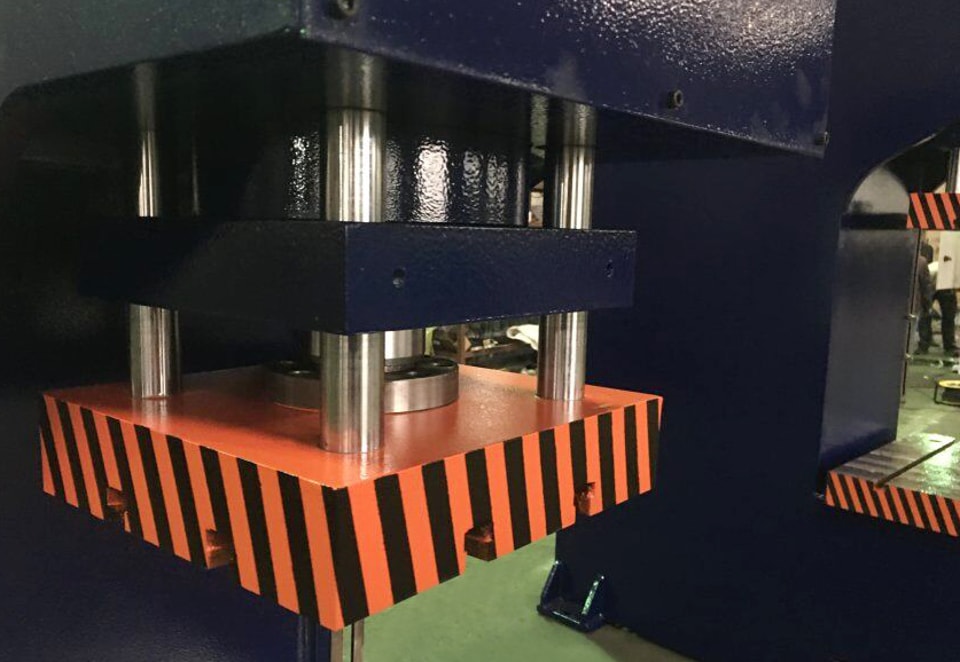
5. Before operating the hydraulic press, first start the equipment and run it idle for 5 minutes. Simultaneously check if the oil level in the tank is sufficient, if the oil pump sounds normal, and if there are any leaks in the hydraulic unit, pipes, joints, and pistons. (Shenzhen Hydraulic Press TM Series)
6. Start the equipment and test press to check if the pressure reaches the working pressure, if the equipment operates normally and reliably, and if there are any leaks.
7. Adjust the working pressure, but do not exceed 90% of the equipment's rated pressure. Test press one workpiece; production can only proceed after it passes inspection.
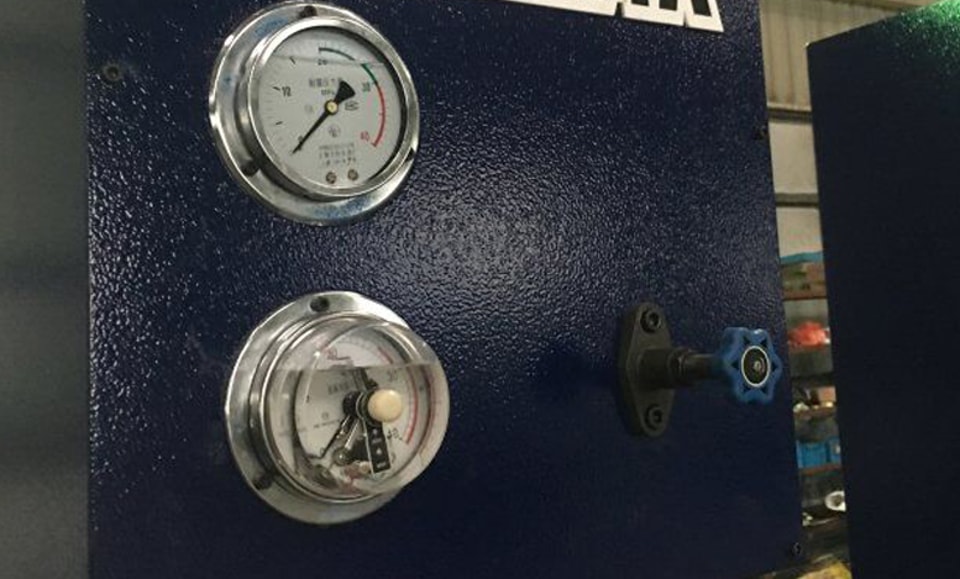
8. For different hydraulic press profiles and workpieces, the working pressure, pressure application, and holding times should be adjusted regularly during pressing and alignment to ensure no damage to the molds and workpieces.
9. When the press plate slides up and down, it is strictly forbidden to put hands or heads into the working parts of the press plate or mold.
10. It is strictly forbidden to strike, stretch, weld, cut, bend, or twist the workpiece while applying pressure.
11. Smoking, welding, cutting, and open flames are prohibited around the hydraulic press. Flammable and explosive materials must not be stored there. Take appropriate fire prevention measures.
12. After the hydraulic press has finished working, disconnect the power supply, clean the hydraulic rods, add lubricating oil, clean the molds and workpieces, and arrange them neatly.
Related
Keep
reading.
 CNC Turret Punch Presses Explained: Architecture and Operation
 Key Factors Governing Optimal Punch Press Tonnage
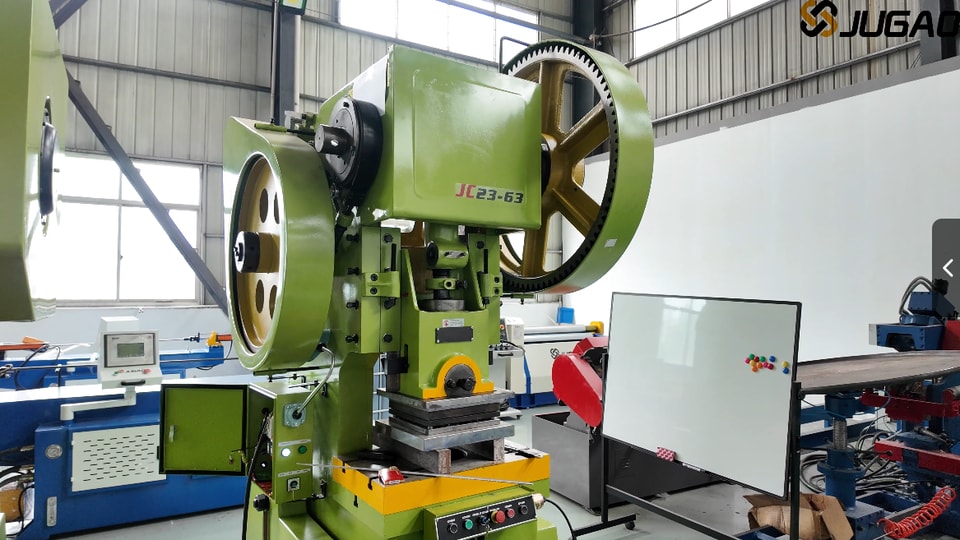 Understanding Punching Machines: Principles, Types, and Selection
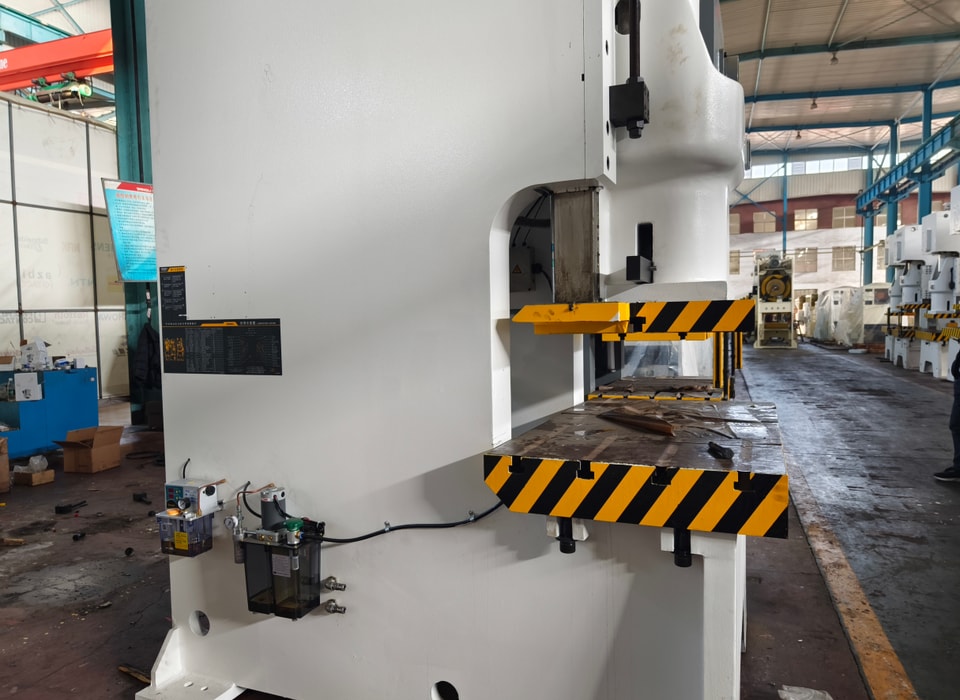 What Are the Latest Punching Machine Trends and Technological Breakthroughs?
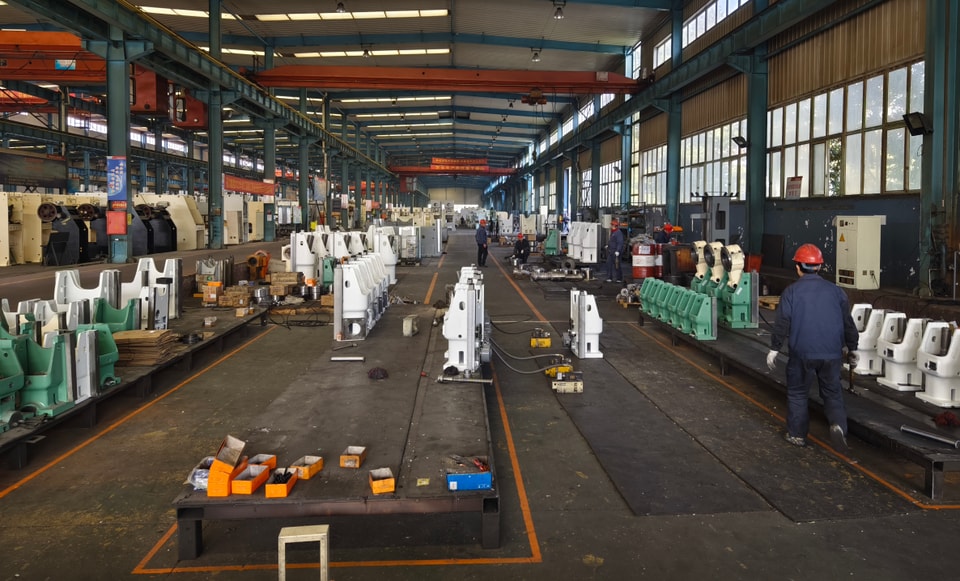 What Triggers Punching Machine Noise and How Can You Quieten It?
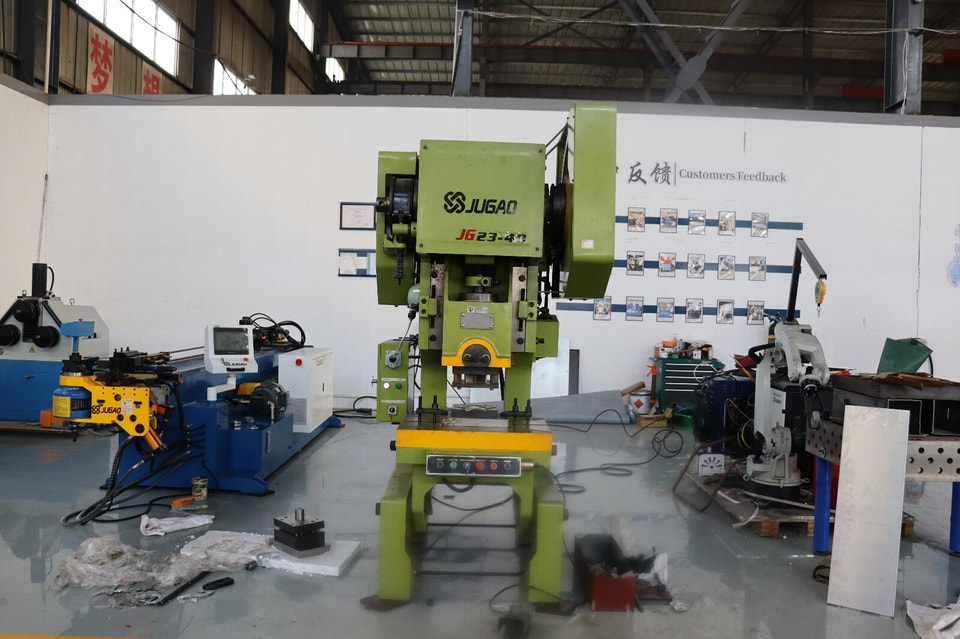 Selecting the Top Punching Machines for Small Workshops & Heavy Industry
 Essential Considerations Before Purchasing a Punching Machine
 Key Drivers of Punching Machine Power Consumption & How to Reduce Them
 Sheet Metal Punching vs. Stamping: Selecting the Optimal Fabrication Strategy
 How to Select the Ideal Punching Machine Manufacturer for Your Business
 How to Select the Right Material for Punching
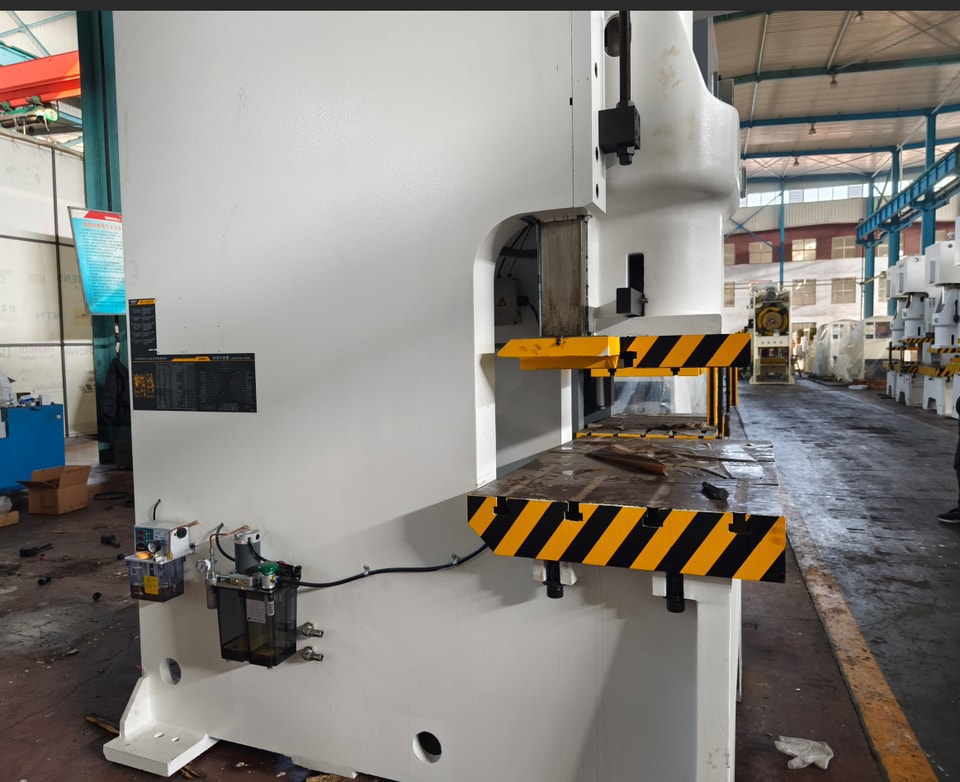 How Does a Punching Machine Work and Why Would You Use One?
Engineering review
Send a drawing.
Get an engineer.
Standard selections answered within 4 hours. Parts outside the rules get a written process review within 24 hours.
- Part drawing: DXF, DWG, STEP or PDF
- Material and thickness
- Longest bend or cut length
- Yearly volume
Write to info@ntjugao.com or message the factory on WhatsApp +86 132 2211 1178.
Drawings (DXF, DWG, STEP, PDF): attach them to an email to info@ntjugao.com, quoting your name.