
Selection of nozzles for laser cutting machines
2026-03-31

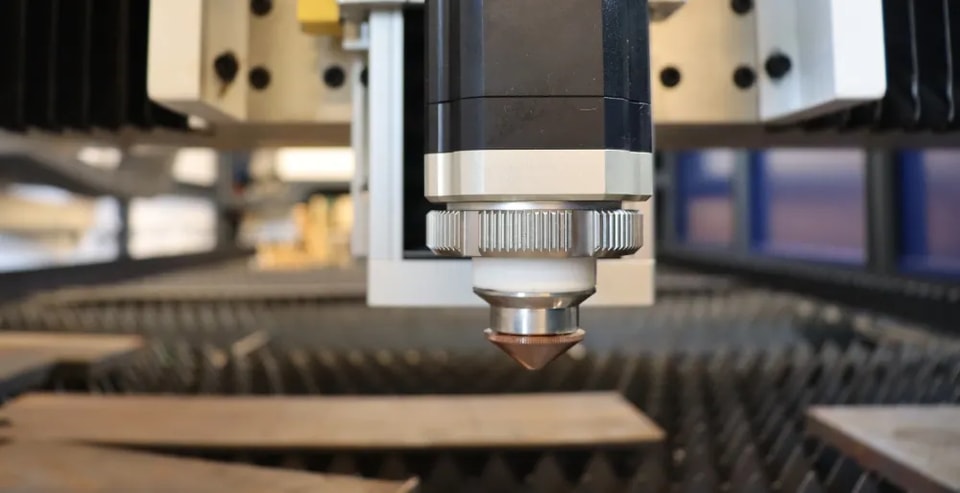
Choosing the right nozzle for a laser cutting machine is essentially about finding a balance between precision, efficiency, and stability. The core principle is: use a small aperture for cutting thin plates to maximize speed and precision; use a large aperture for cutting thick plates to ensure stability and surface quality.
Name | Symbol | Nozzle Shape | Shape Characteristics | Uses |
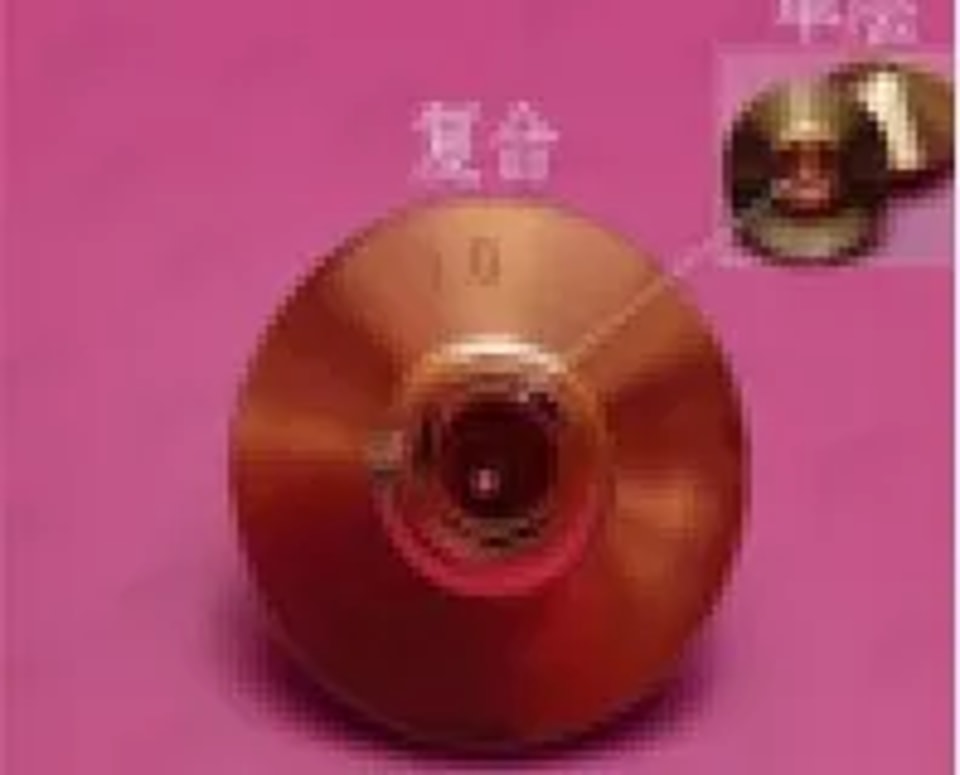
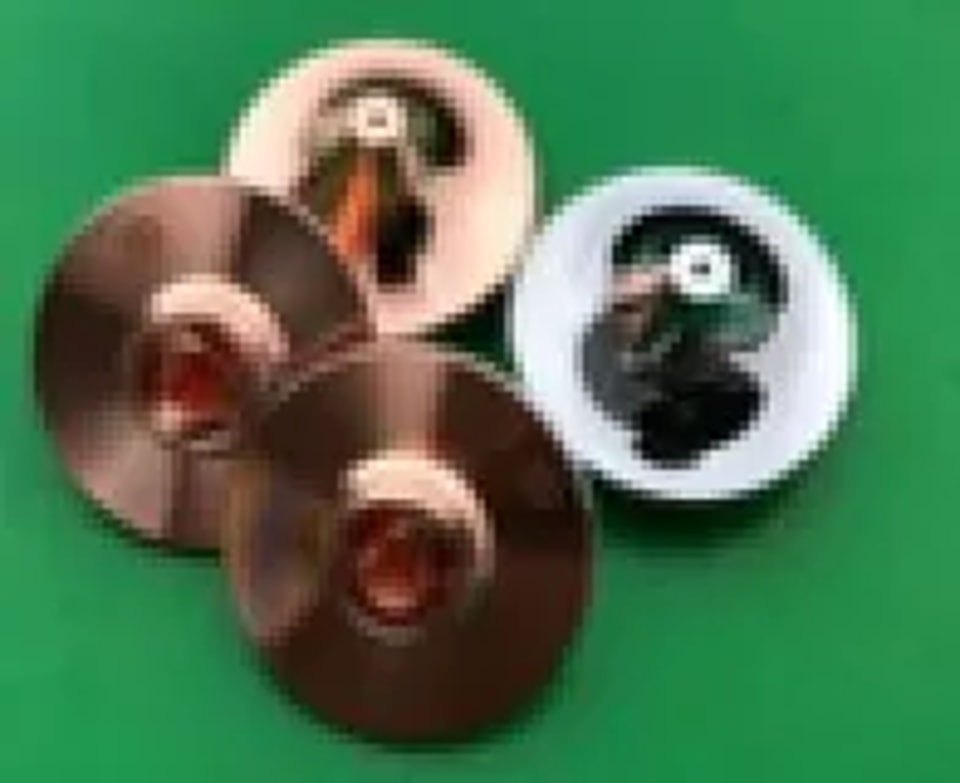
Single-layer | S (Single) |
| Inner wall is conical,High-pressure gas slag removal with large flow rate | Suitable for melting and cutting materials such as stainless steel and aluminum plates |
Double-layer | D (Double) |
| Double-layer composite adds an inner core to the single-layer base. | Double-layer sizes 2.0 and above are used for carbon steel abrasive surface cutting. |
High-speed double-layer | E |
| The nozzle has a pointed shape and three larger holes on the inner edge than ordinary double-layer nozzles. | Mainly used for high-power, high-speed, bright surface cutting of carbon steel within 20mm. |
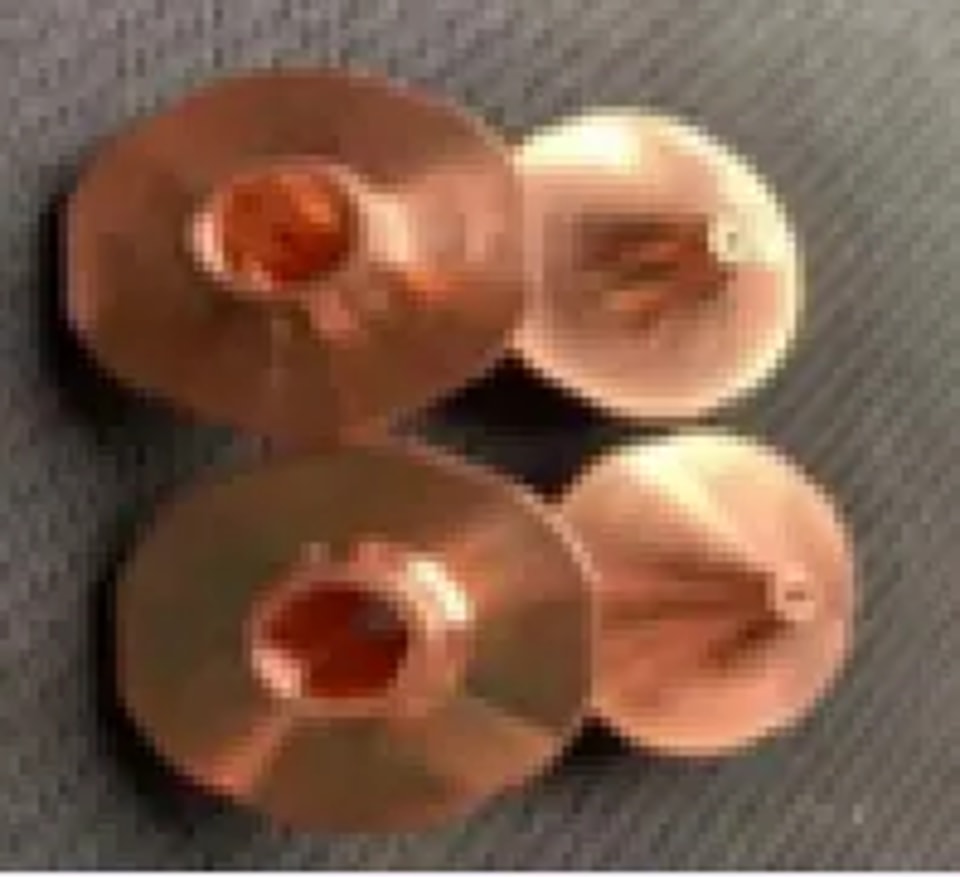
High-speed single-layer | SP |
| Nozzle shape is pointed, inner wall is stepped conical | Mainly used for high-power, high-speed bright surface cutting or oxygen negative coke cutting of carbon steel thicker than 20mm. |
High-speed single-layer | ST |
| Nose shape is pointed; inner wall is conical; nozzle orifice area is larger than SP | Mainly used for high-speed bright surface cutting of carbon steel thicker than 20mm, providing stable following and better results. |
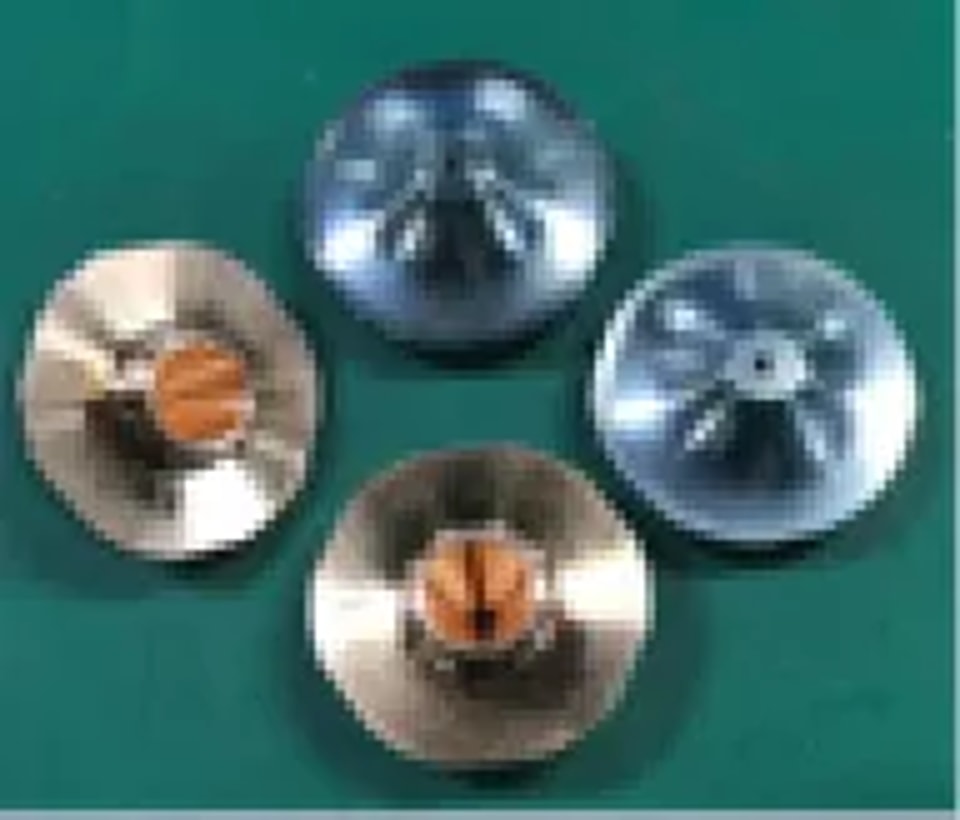
Storm Nozzle | B (Boost) |
| An improvement on the single-layer nozzle: The nozzle orifice has a stepped design. | Suitable for high-power nitrogen or low-pressure air cutting of stainless steel and carbon steel. |
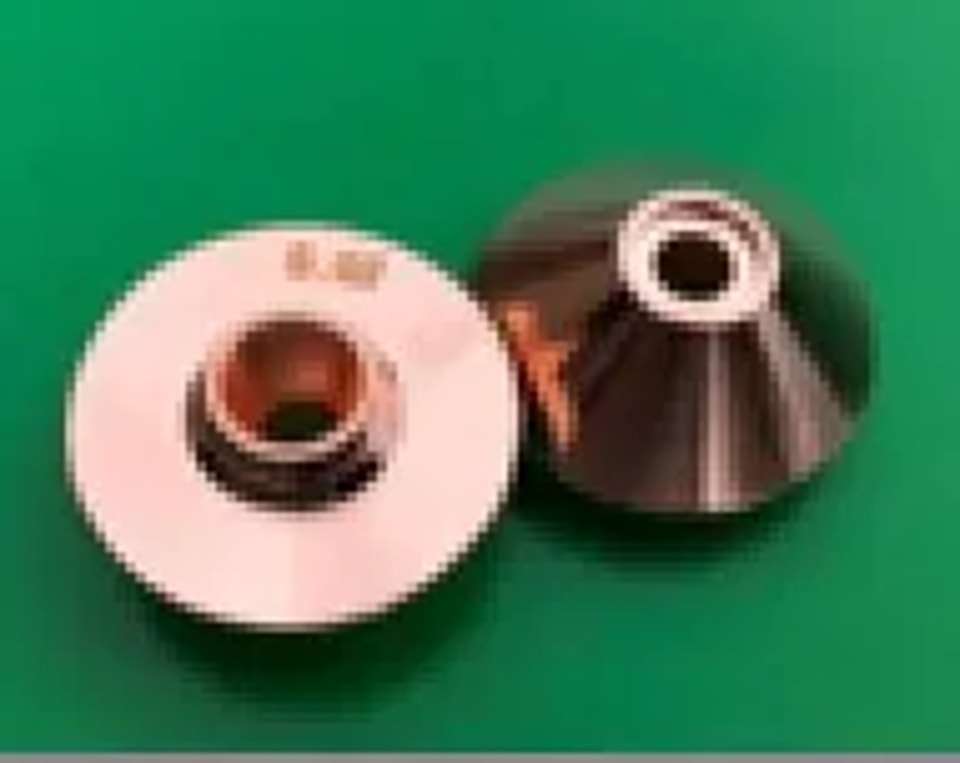
Here is a detailed selection guide based on plate type and thickness:
Laser | Cut Thickness (Oxygen Grinding for Carbon Steel) | Recommended Nozzle |
Low-power laser(≤6000W) | 16mm-20mm | 1.4D-1.6D (standard conical nozzle) |
High-power laser (≥6000W, taking Raycus 12kW as an example) | 3mm-12mm | 1.2E (Double-layer high-speed nozzle) |
12mm-14mm | 1.2E-1.4E (Double-layer high-speed nozzle) | |
16mm-20mm | 1.4E-1.6E (Double-layer high-speed nozzle) | |
22mm-35mm | SP1.4-SP1.8 (Single-layer high-speed nozzle) 0r1.4E-1.8E (Double-layer high-speed nozzle) | |
35mm-40mm | SP1.6-SP1.8 (Single-layer high-speed nozzle)Or 1.6E-1.8E (Double-layer high-speed nozzle) |
There are several details even more important than simply "choosing the right one":
**Important:** Concentricity is crucial:** The center of the nozzle orifice must be precisely aligned with the center of the laser beam. If they are not concentric, at best one side of the cut will have burrs; at worst, the cut will be incomplete or even damage the cutting head. This is usually done during equipment setup, but it should also be checked after nozzle replacement.
Pay Attention to Nozzle Material and Precision:
**Material:** High-purity copper is the mainstream material due to its excellent electrical and thermal conductivity. Pure copper provides a more stable capacitance signal and better performance than brass. Some nozzles have a ceramic coating, primarily to prevent spatter and extend their lifespan.
**Precision:** A good nozzle has a concentricity error of less than 0.03mm (less than 0.02mm for nozzles under 1mm). This protects the internal lens and reduces setup hassles.
**Timely Replacement and Maintenance:** The nozzle is a consumable. Replace it immediately if you notice orifice deformation, chips, severe spatter buildup, or a sudden drop in cutting quality (such as slag buildup or a poor cut surface). Regularly clean the tip of the nozzle with a copper wire brush to remove spatter.
Once you grasp the core logic of "small holes for thin plates and large holes for thick plates" and make minor adjustments based on your commonly used materials, you can select the right nozzle and significantly improve cutting quality and efficiency.
Contact Us