

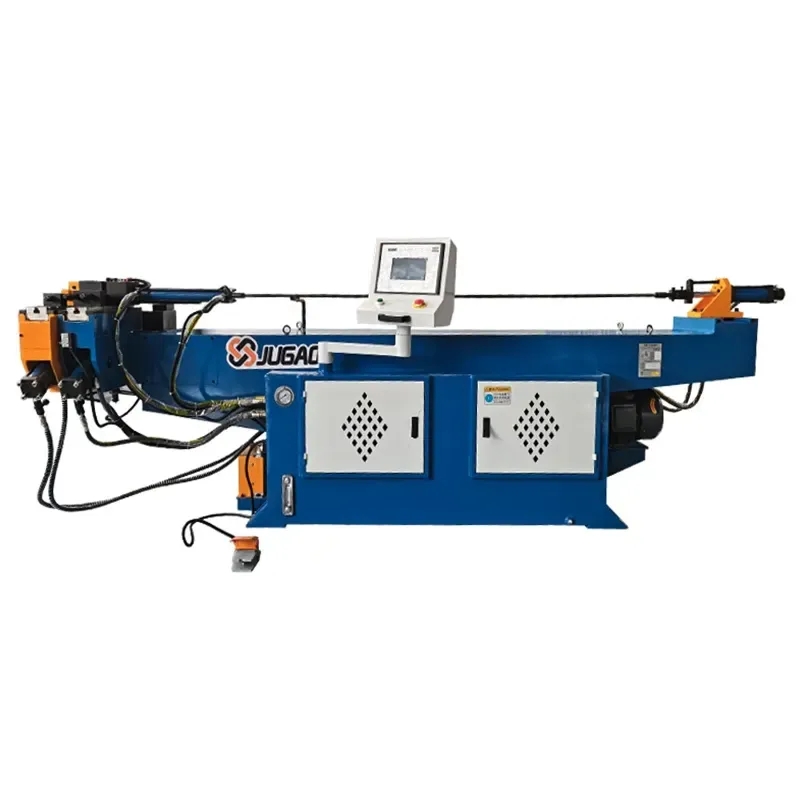
What are the causes of deviation in the bending angle of pipes?
2026-08-20

Angle deviation in pipe bending is the most common and troublesome problem in pipe bending processing. The program hasn't been modified, the mold hasn't been changed, the previous batch was fine, but this batch's angle is off. Often, it's not that the machine is broken, but rather that certain processes are subtly changing.
Below, I will break down the main causes of angle deviation by system and provide corresponding troubleshooting directions.
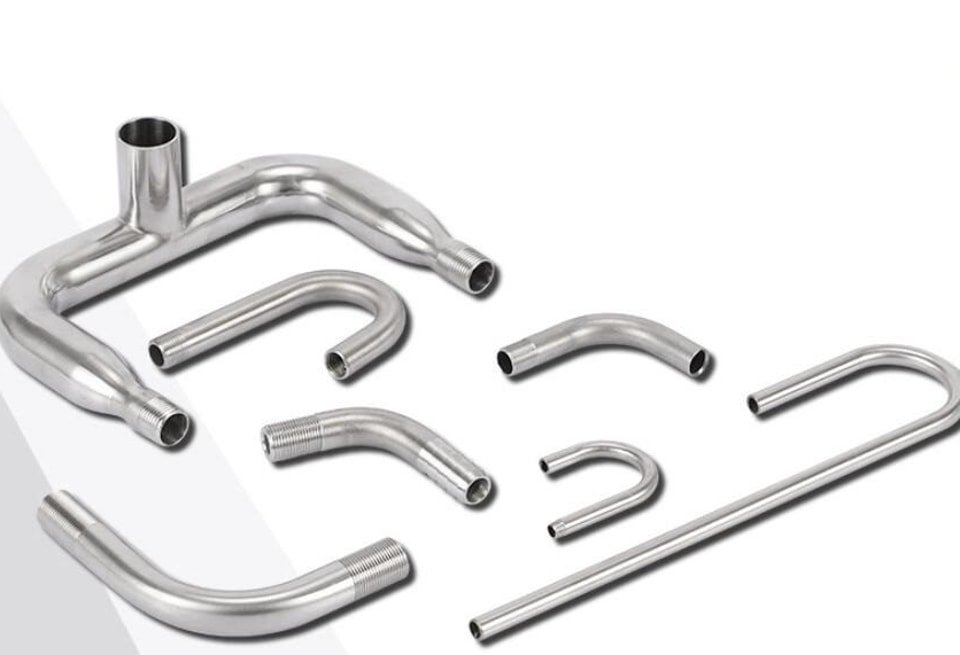
I. Machine Calibration Issues
Over time, pipe bending machines experience slight displacement of mechanical parts. Changes in the bending die position, the zero point of the back gauge, and the reference points of each axis will naturally alter the bending angle.
Regular calibration is essential. Use an angle gauge or standard samples to verify that the machine's actual bending angle matches the set value, correcting any deviations promptly. Calibration should be performed after die changes, major overhauls, or when angle anomalies are detected.
II. Inconsistent Material Properties
Pipes of the same specification may vary between batches. Changes in parameters such as wall thickness tolerance, yield strength, and surface hardness will affect the springback during bending. Even with the same 20# steel, the springback may differ by 0.5° to 1° between batches.
Batch records should be kept upon material arrival. After changing batches, test bend a few pipes to confirm angle stability before mass production. Do not assume that parameters from the previous batch can be directly applied to the next.
III. Die Wear
Bending dies, clamping dies, and mandrels—components that directly contact the pipe—will wear down over time. Wear reduces the positioning accuracy of the pipe within the die, leads to uneven clamping force distribution, changes in the stress state during bending, and consequently, angle deviation.
Regularly inspect the working surface of the die. Check for roughening in the grooves, obvious wear marks on the surface, and whether the mandrel ball head still maintains its proper shape. Repair or replace any worn parts promptly; do not wait until the angle has significantly deviated before addressing the issue.
IV. Improper Bending Parameter Settings
Excessive bending speed prevents the material from deforming evenly, potentially resulting in an angle that is too large or too small. Insufficient clamping force causes the pipe to slip, resulting in a smaller angle. Excessively high pressure settings may flatten the pipe, also causing angle deviation.
Parameter settings should be based on material specifications, pipe diameter, and wall thickness, combined with the results of actual trial bending. Record the parameter combinations for each specification for direct reference when making the same specification again, reducing the number of repeated trial and error attempts.
VIII. Suggested Troubleshooting Order
First, confirm the machine's calibration status, including reference points for each axis and the mold's installation position; then check for wear on the mold's working surface; next, confirm if the current batch of material differs from previous batches; then verify if the bending parameter settings are appropriate; finally, consider whether springback compensation needs adjustment.
If all of the above are normal but the angle still deviates, consider temperature factors and the stability of the hydraulic system pressure.
Deviations caused by different reasons exhibit different characteristics. Machine deviations are usually stable in one direction, material differences may cause sudden changes after batch changes, and temperature effects gradually drift over operating time. Observing characteristics can narrow down the troubleshooting scope and find the cause more quickly.
When you encounter angle deviations in production, from which direction do you usually start troubleshooting?
Contact Us