
How Does a Shearing Machine Work Efficiently?
2026-05-14

Table of Contents
• Working Principle
• Maintenance
• Operation Tips
• FAQ Section
○ What should I do if the cuts are not clean?
○ How often should I perform maintenance on my shearing machine?
○ Can I use a shearing machine on different types of metal?
• Conclusion
• Video Show
• How to choose
In the metalworking industry, mastering the efficient operation of shearing machines is essential. If you want to understand the working mechanism and performance optimization of shearing equipment, this article will provide you with professional and practical guidance. It explains the operating logic of shearing machines, helps improve cutting speed and work efficiency, and ensures high-precision sheet cutting. Whether you are a new practitioner in the industry or a skilled technician aiming to upgrade your skills, this guide can offer you effective and valuable references.
Working Principle
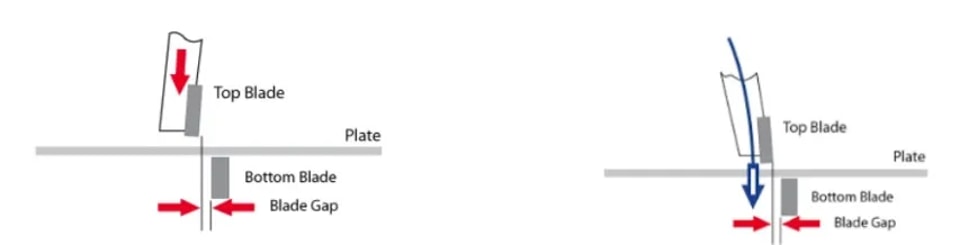
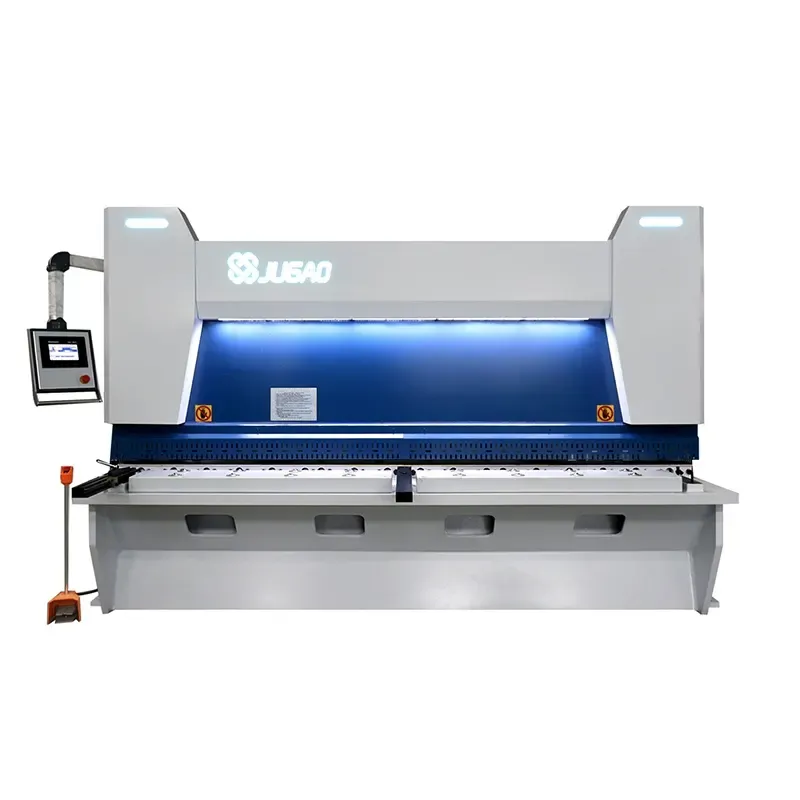
A shearing machine cuts metal sheets through the reciprocating linear movement of one blade against another. With a movable upper blade and a fixed lower blade, it applies a proper blade clearance to exert shearing force on metal sheets of different thicknesses, separating plates into required sizes accurately.
The equipment adopts a steel plate welded frame and slider structure. The frame and slider undergo vibration stress relief treatment to maintain long-term machining accuracy. The tool rest is driven by a nitrogen cylinder, which prevents the machine from bearing excessive loads, featuring stable operation, compact structure, light weight and high rigidity.
The blade clearance can be adjusted quickly and easily. The machine is equipped with a back gauge system, which adopts a mechanical structure controlled by a digital controller, supporting fine manual adjustment for convenient use. The front gauge is a counting ruler that can achieve accurate positioning. The stroke of the tool rest is adjustable, which effectively improves plate cutting efficiency. A safety barrier is installed to guarantee operational safety.
After cutting, the sheared sheet should have good straightness and parallelism of the cut surface, with minimal plate distortion to ensure high-quality finished parts. The upper blade of the shearing machine is fixed on the tool holder, while the lower blade is mounted on the worktable. Support balls are installed on the worktable to avoid scratching the sheet during sliding.
The back gauge is used for sheet positioning, with its position adjusted by a motor. The pressing cylinder fixes the sheet to prevent displacement during shearing. The protective guard is a safety component to avoid operational accidents. The return stroke is driven by nitrogen, featuring high speed and low impact.
Maintenance
1. Operate the shearing machine in strict accordance with standard operating procedures.
2. Add lubricating oil regularly, at fixed positions and in fixed quantities before startup as per the lubrication diagram; the oil must be clean and free of impurities or precipitation.
3. Keep the shearing machine clean at all times; apply anti-rust grease to uncoated components for corrosion protection.
4. Replace and replenish lubricating oil in motor bearings regularly, and inspect electrical parts periodically to ensure normal, safe and stable operation.
5. Check the wear condition of V-belts, handles, knobs and keys regularly; replace severely worn parts in time and prepare spare parts.
6. Inspect and maintain switches, buttons and handles regularly to ensure their reliable functioning.
7. Lubricate and clean the shearing machine 10 minutes before the end of each working day.
8. Operation by non-designated personnel is strictly prohibited; cut off the power supply when the operator leaves the equipment.
Operation Tips
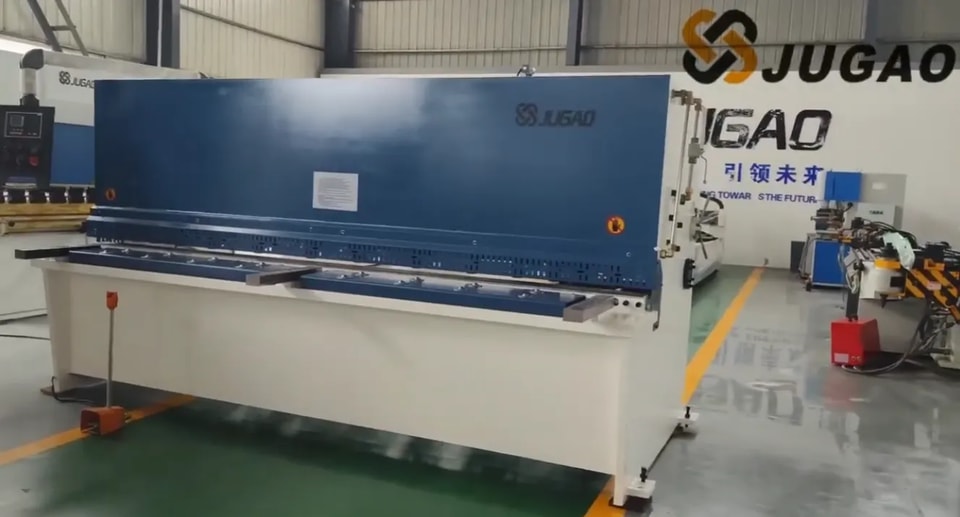
Shearing machines are widely used cutting equipment in the machining field, capable of cutting steel plates of various thicknesses. Common shearing machines are divided into three categories: flat shears, roller shears and vibration shears, among which flat shears are the most commonly used. Mechanical transmission is mostly adopted for shearing machines with a cutting thickness of less than 10mm, while hydraulic transmission is preferred for thickness over 10mm. The equipment usually realizes single or continuous metal cutting through foot pedal or button control. The following points should be noted during operation:
1. Check the normal condition of all components, intact electrical equipment and smooth lubrication system before work; clear tools, measuring tools, debris and leftover materials on and around the worktable.
2. Do not operate the machine alone; arrange 2-3 operators to cooperate in feeding, size control and material taking, with unified command.
3. Adjust the shearing clearance and cutting angle according to the specified plate thickness; do not shear two kinds of plates with different specifications and materials at the same time. The sheared plates require flat edges, and narrow plates that cannot be compressed are not allowed to be cut.
4. Install protective covers for moving parts such as belts, flywheels, gears and transmission shafts.
5. Keep the operator’s feeding fingers at least 200mm away from the cutting opening and away from the pressing device. The protective guard at the shearing port should not block the operator’s view of the cutting area. Clean the edged waste generated after operation in time to prevent stabs and cuts.
6. Equip moving parts including flywheels, gears, shafts and belts with protective covers.
7. Set a protective fence to prevent hands from entering the blade falling area. Do not pick up waste on the ground during operation to avoid injury from falling workpieces.
8. Do not cut hardened and tempered materials, and never exceed the rated working capacity of the shearing machine.
FAQ Section
What should I do if the cuts are not clean?
If burrs or rough cuts appear on the sheared surface, check the sharpness and alignment of the blades. Blunt or misaligned blades will cause uneven cuts. Regular maintenance is the key to keeping blades sharp and effective.
How often should I perform maintenance on my shearing machine?
It is recommended to carry out maintenance after every 500 working hours, including blade inspection, moving parts lubrication and wear check of all components.
Can I use a shearing machine on different types of metal?
Yes, shearing machines can process various metal materials, but parameters need to be adjusted according to the thickness and hardness of the material. Always refer to the specifications of your specific machine model.
Conclusion
To realize efficient operation of a shearing machine, you need to be familiar with its structural components, setting methods and maintenance requirements. Following the steps and best practices mentioned above can significantly improve the working performance of shearing machines. For more help or process optimization suggestions, please contact our professional team for guidance.
Video Show
Youtube video list:
• Electric Shear
• Hydraulic swing beam shear
• Hydraulic guillotine shear
How to choose
You can get more detailed selection guidelines on this page.
You can learn more details about guillotine shears and swing beam shears on this page.
Contact Us