
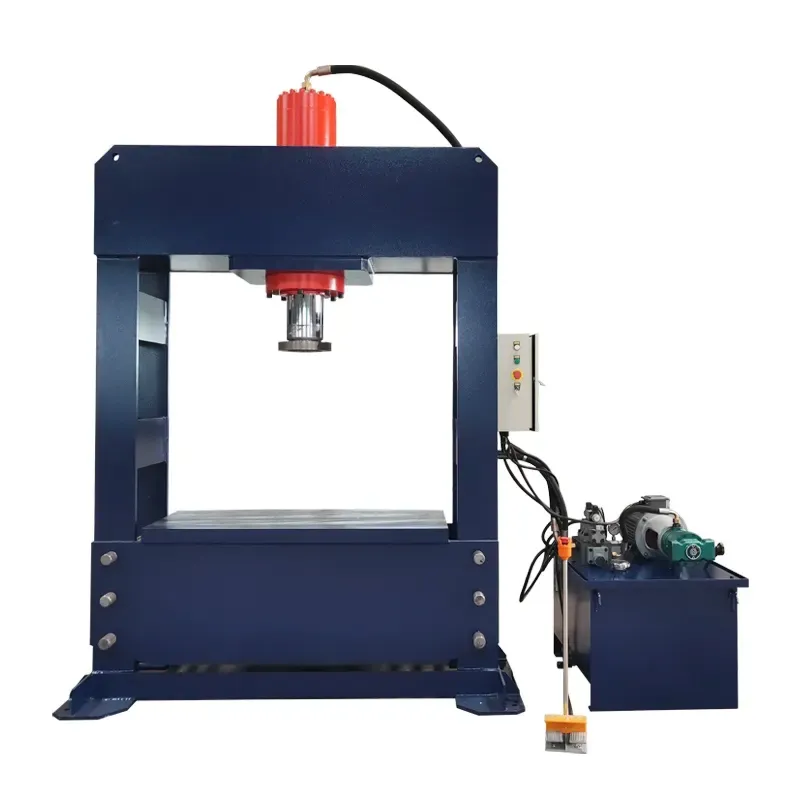
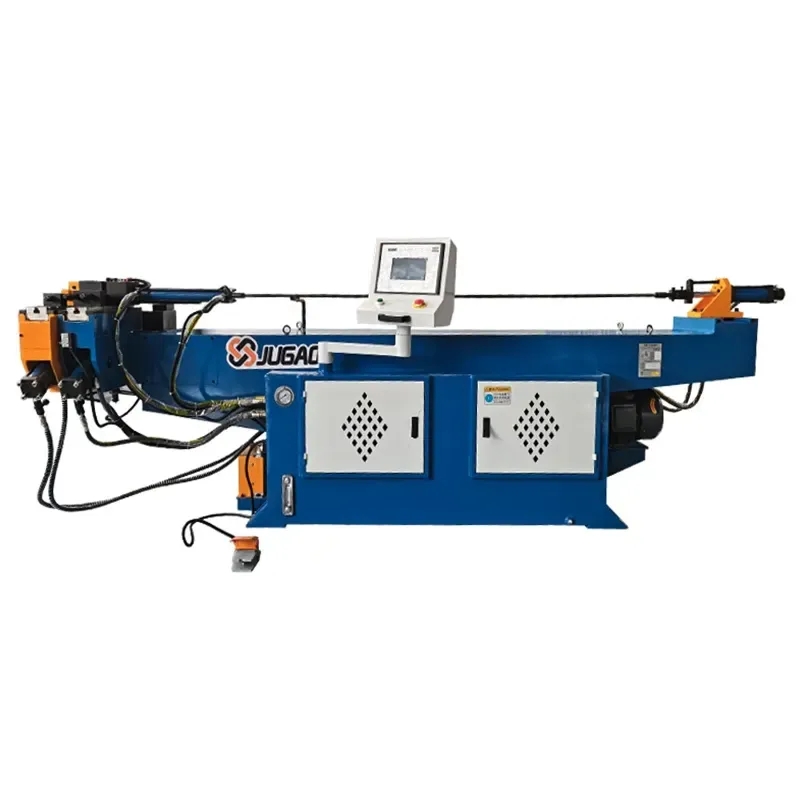
Total cost of ownership of pipes and pipe bends
2026-07-09

Pipe Bending Machine Selection: Don't Just Look at the Quote, Calculate the Total Cost First
When evaluating a new pipe bending machine, most people's first reaction is to look at the price. This is normal, after all, equipment purchases often cost hundreds of thousands or even millions, and everyone has to weigh the initial investment.
But frankly, the purchase price is just the tip of the iceberg. What truly affects your profits is how much the machine will cost once it's running in your workshop.
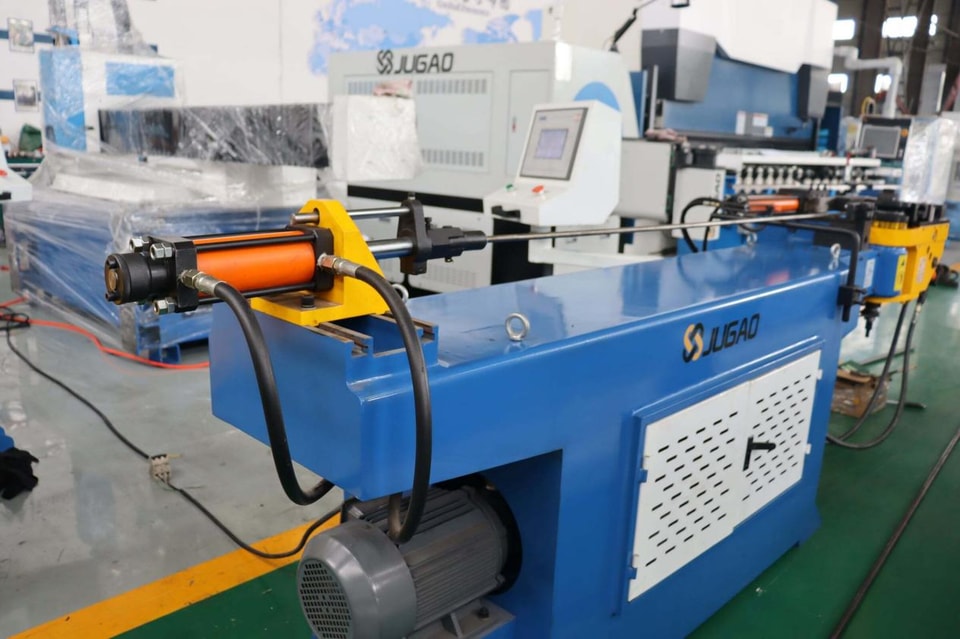
Why Total Cost of Ownership is More Important Than Purchase Price
The concept of Total Cost of Ownership is not complicated—it's every penny you spend on equipment from its initial purchase to its eventual scrapping.
For pipe bending machines, this typically includes: the cost of the machine itself, installation and commissioning fees, the cost of replacing molds and mandrels, routine maintenance and repairs, production losses due to downtime, operator wages and mold changeover time, electricity costs, and finally, the residual value recoverable when the equipment is scrapped.
Simply put: Total Cost of Ownership = Purchase Price + Operating Costs + Maintenance Costs + Downtime Losses - Residual Value
In the pipe bending industry, even a slight difference in efficiency can have a significant impact over a year or across several production lines. Unstable angles and poor repeatability lead to increased scrap rates, assembly problems, and rework. These hidden costs are often completely unforeseen when purchasing the machine.
Different industries have different focuses regarding total cost of ownership.
Automotive parts manufacturers produce in large quantities and are most afraid of downtime. The losses from even an hour of downtime are easily calculated. Aerospace parts have strict tolerances, requiring machines to be stable; even a 1% reduction in the scrap rate can result in substantial material cost savings annually. The HVAC and home appliance industries prioritize efficiency and mold lifespan—the speed of mold changeovers and the lifespan of the molds directly impact on on-time delivery.
While the focus differs across industries, the core logic remains the same: the longer equipment is used, the more crucial factors become regarding performance stability and maintenance costs.
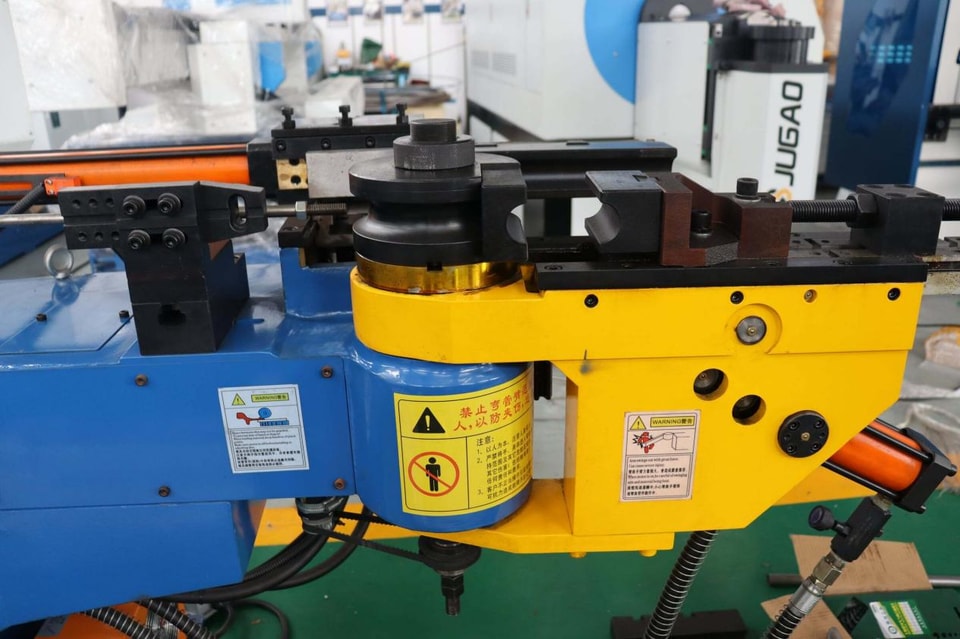
Key Factors Affecting Total Cost of Ownership
Equipment reliability is paramount. A good pipe bending machine can maintain its accuracy for eight to ten years, bending at the same angle consistently without frequent calibration. Cheaper machines may start deviating from their intended path after only two or three years.
Maintenance and mold replacement are also major costs. Some machines weren't designed for easy repair; replacing a mandrel requires disassembling half the machine, drastically increasing labor costs. Tool life is also a concern—cheap molds may seem to save thousands of dollars, but by the time you replace them twice, a good mold might still be in good working order.
Downtime costs are often underestimated. If the pipe bending machine stops, all subsequent processes are delayed. Sometimes, a one-hour downtime results in more production losses than the initial price difference.
Energy efficiency is increasingly important. Servo motor machines save over 30% more electricity than traditional hydraulic presses, resulting in significant annual electricity cost savings. While the individual electricity cost may not seem alarming, over ten years, the difference becomes substantial.
The level of automation directly impacts labor costs and efficiency. With a system that automatically loads and unloads materials and automatically changes molds, one person can manage several machines and change products quickly. In the long run, this saves a significant amount on labor costs.
Just look at the price
Many factories initially choose cheap machines. They may feel they are making a profit in the first two years, but problems begin to occur frequently in the third year. Today the angle is off, tomorrow the oil cylinder will leak, and the day after tomorrow the servo will alarm. Maintenance workers circle around it every day, and the production plan is changed again and again. By the fifth year, the accuracy was completely gone and the only option was to replace it with new equipment. The little money saved at the beginning was all spent later, and a lot of losses due to work stoppages were incurred.
My advice:
When choosing a pipe bending machine, first clarify your needs—how much volume you need daily, how high your precision requirements are, and how many years you plan to use it. Then compare different brands from these dimensions: the stability and precision retention of the product itself, ease of maintenance, reliability of spare parts supply, energy efficiency, and degree of automation.
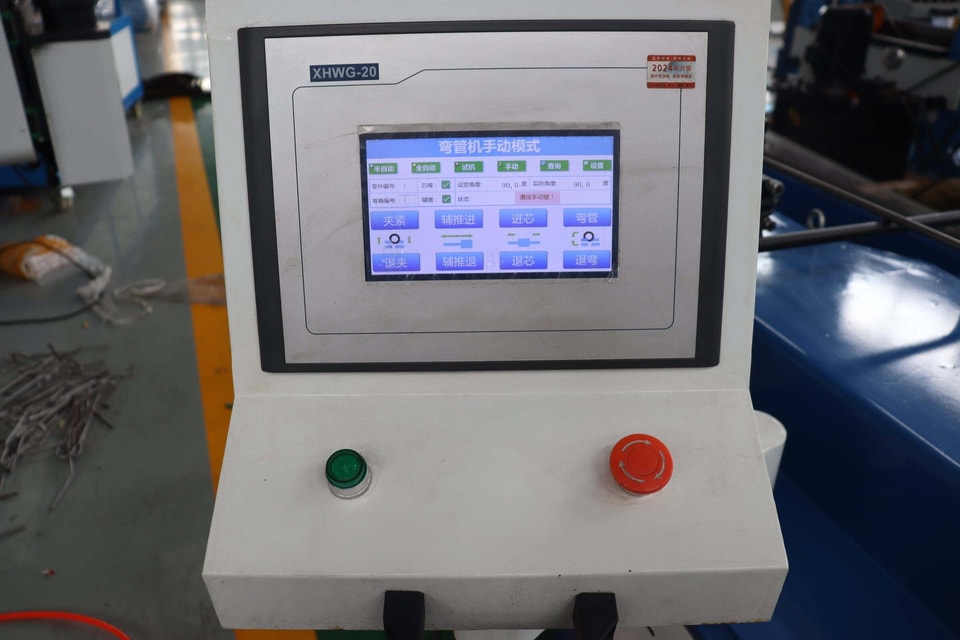
Don't think that spending an extra 100,000 yuan on a good machine is a waste. If you use the equipment for ten years, spending an extra 10,000 yuan annually will bring you more stable accuracy, fewer malfunctions, and a longer lifespan. The truly worthwhile investment is in equipment that can still give you peace of mind for many years to come.
Contact Us