
Selection and Operation of Universal Plate Rolling Machines with Upper Rollers
2026-07-08

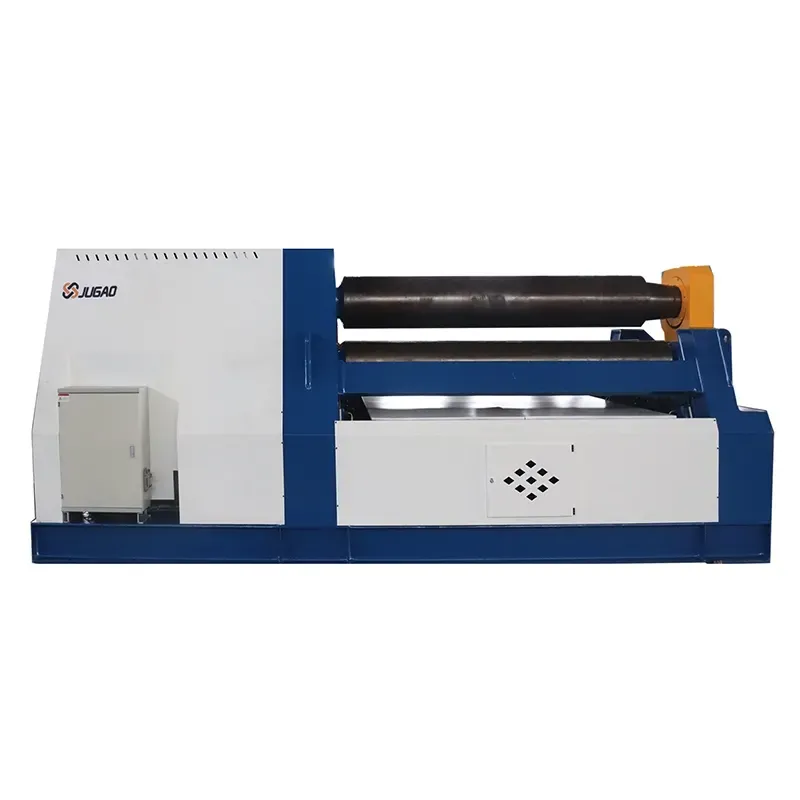
Upper roller universal plate rolling machines are commonly used for bending steel plates, aluminum plates, and other metal sheets, especially suitable for small-batch production of medium-thick plates and irregularly shaped parts.
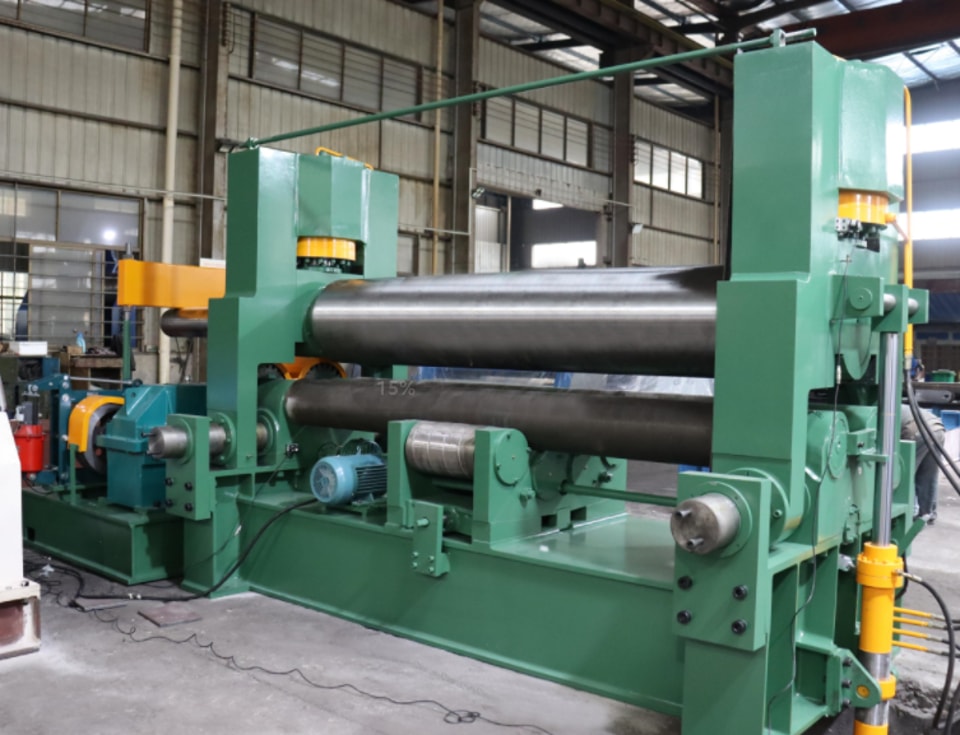
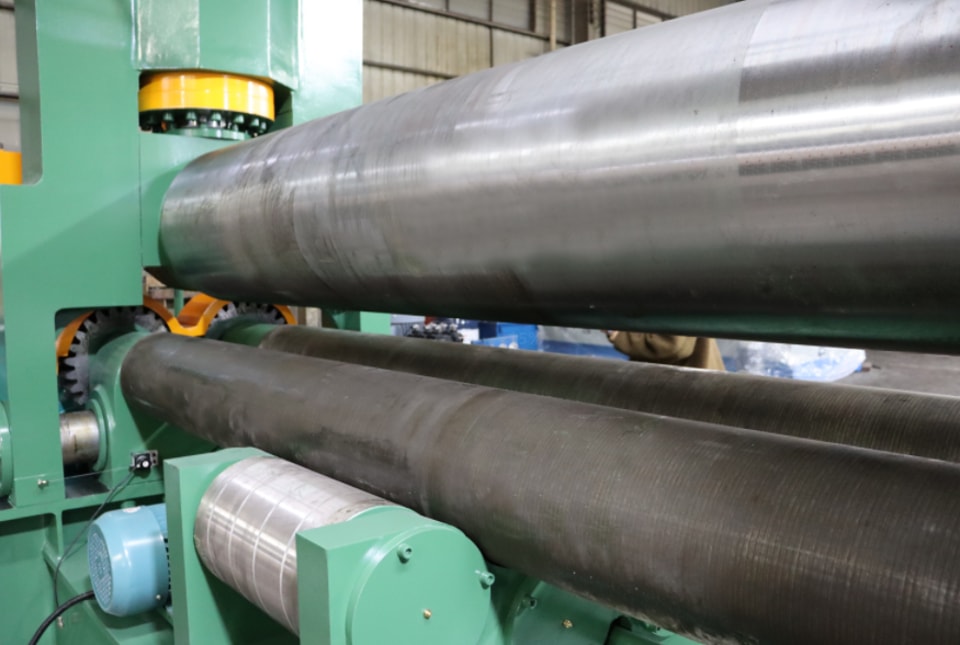
1. Core Parameters: Many beginners only focus on the plate thickness on the nameplate when purchasing a universal plate rolling machine with upper rollers, only to find that they cannot roll small-radius workpieces. In fact, the true upper limit of the equipment is determined by the roller diameter, effective length, and motor torque. A larger roller diameter results in stronger gripping force on the plate, but also a larger bending radius. The effective length determines the width of the plate that can be processed; too long wastes energy, while too short limits flexibility. It is recommended to select based on the commonly used plate width + 20% allowance to avoid later modifications.
2. End Pre-bending Function: An Easily Overlooked Essential Requirement
The most troublesome aspect of the plate rolling process is the problem of straight edges at both ends of the plate. If you frequently process cylindrical workpieces, be sure to confirm whether the equipment has an end pre-bending function. Some low-priced universal rolling mills only have a three-roll symmetrical structure and cannot perform forced pre-bending, requiring subsequent manual trimming or secondary welding. When purchasing, test the pre-bending effect on-site or ask the manufacturer to provide a test video of the same thickness plate to avoid discovering after taking it home that it cannot be used to make cylinders.
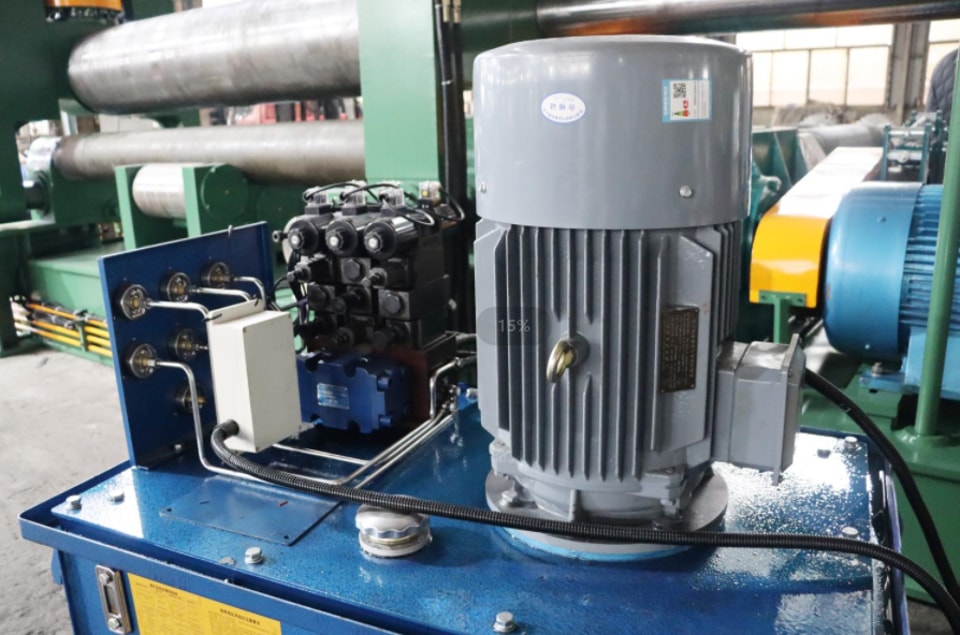
3. Drive Method: Hydraulic vs. Mechanical, How to Choose? Conventional universal rolling mills come in two types: hydraulic and mechanical. Hydraulic types offer more precise adjustment and are suitable for rolling materials with high springback coefficients, such as stainless steel and aluminum alloys; mechanical types have a simpler structure and lower maintenance costs, suitable for large-volume production of carbon steel parts of the same specifications. If your orders frequently change materials or thicknesses, prioritize hydraulic + CNC systems, although they are more expensive, they can reduce subsequent machine setup time by more than 30%.
4. Common Pitfalls: Ignoring Floor Load-Bearing Capacity and Power Supply Many factories find that after purchasing universal rolling mills, their workshop floors cannot support the weight of the equipment (especially heavy-duty horizontal machines), or their 380V three-phase power supply capacity is insufficient. Before placing an order, it is recommended to measure the bottom dimensions and total weight of the equipment to confirm whether the ground needs reinforcement. Also, have an electrician check the rated current of the circuit breaker to avoid frequent tripping. Additionally, don't forget to ask if lifting rings or anchor bolts are included; this will save a lot of trouble during on-site installation.
5. Usage Tips: Quick Leveling and Preventing Deviation When using a universal plate rolling machine, beginners are most afraid of the plate deviating, leading to scrap. Before operation, use a dial indicator to calibrate the parallelism of the roller surface, controlling the error within 0.05mm/m. During rolling, ensure even stress distribution at both ends of the plate; if necessary, add side guide wheels on the feed side. Furthermore, when rolling large curved workpieces, segmented pressure application and multiple empty rotations can effectively reduce stress concentration and prevent plate cracking.
6. Avoidance Tips: Don't Be Misled by the Word "Universal"
Although called a universal plate rolling machine, its actual application is limited. For example, it cannot accurately roll non-standard tapered cylinders or process ultra-thick (>20mm) high-strength steel plates. If your workpiece has a unique shape, it is recommended to first confirm the minimum bending diameter and springback compensation with the manufacturer. If necessary, use an angle sensor specifically designed for CNC plate rolling machines to improve accuracy.
7. Routine Maintenance: These three areas must be checked regularly:
① Roller bearings and grease fittings: Add high-temperature grease every shift to prevent dry grinding and seizing;
② Hydraulic cylinder seals: Check for oil leaks after 6 months of use. Replace immediately if cracks are found;
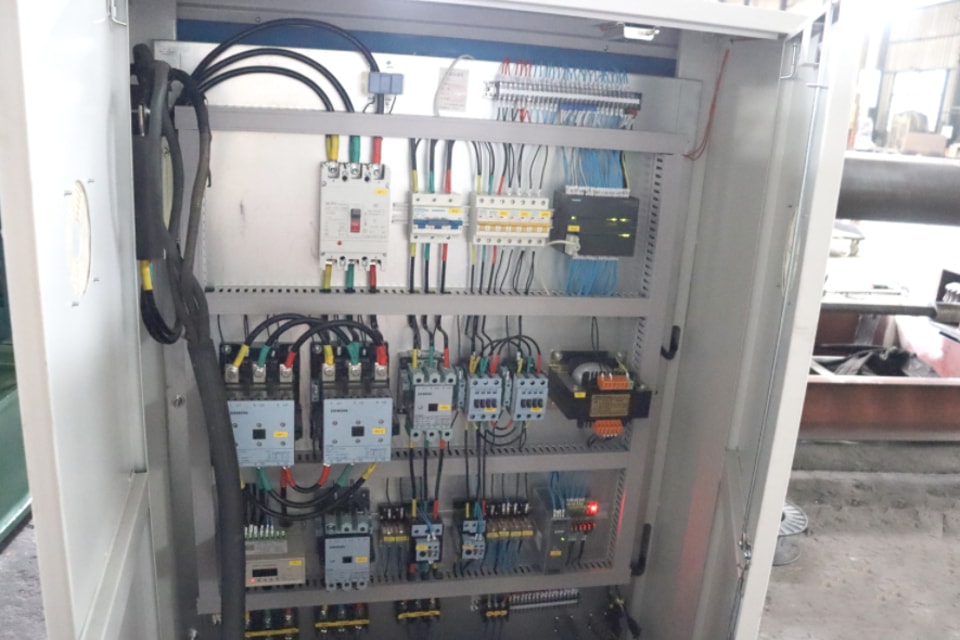
③ Electrical control cabinet cooling fan: Severe dust accumulation can cause circuit board overheating alarms. Blow out the fan with compressed air weekly. Following these steps will extend the equipment's lifespan by at least 3 years.
Contact Us