


Pipe bending machine installation errors: How to avoid these errors?
2026-07-03

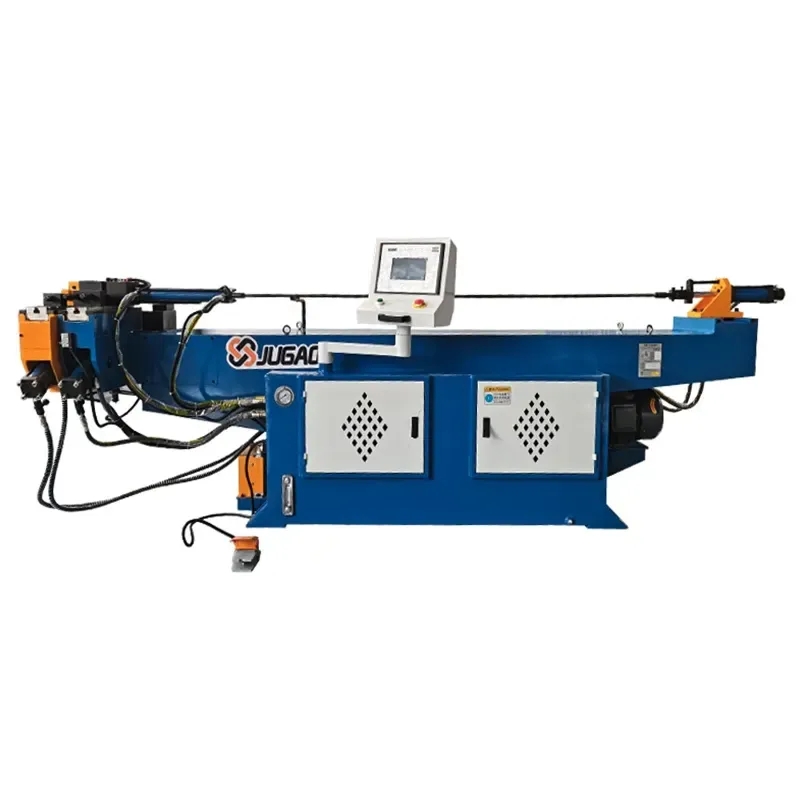
It's ironic, really—many pipe bending machines start shaking, veering off-center, and producing inconsistently good or bad pipes after only a few days of use. Users' first reaction is often, "This machine is of poor quality." But in reality, I've seen too many cases where the problem isn't with the machine itself, but rather that the root of the problem lies in the installation process. If it's not installed correctly, no amount of subsequent adjustments will help.
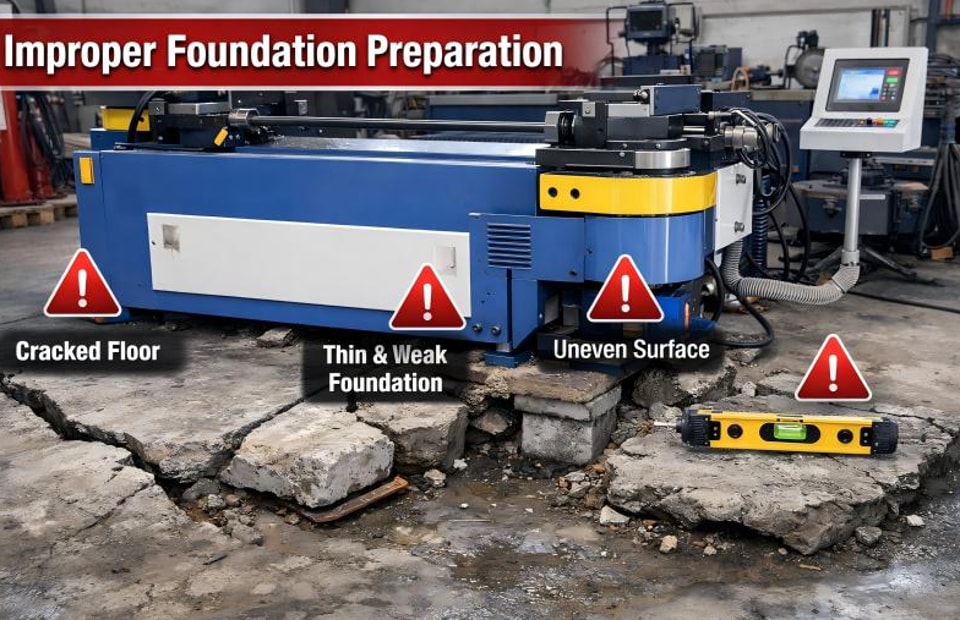
If the foundation isn't solid, the machine won't stand stable.
Pipe bending machines experience significant impact during operation, especially when bending thick-walled pipes or small-radius pipes. The dynamic load is much stronger than you might imagine. Some workshops simply place the machine on any available concrete surface—thin, uneven, or even cracked. The result? The machine shakes constantly, veering further and further off course, gradually losing precision.
Before installation, carefully check the thickness, strength, and flatness of the ground. The manufacturer's installation manual will clearly state the ground load-bearing requirements; just follow it. Spending an extra day ensuring a solid foundation now will save you years of trouble later.
If bolts aren't properly anchored, the machine will "walk."
Some people think that as long as the machine is level, it's fine, and they just loosely tighten the bolts a couple of times, or the anchor bolts aren't even the right size. With any vibration from the pipe bending machine, the entire machine will slowly shift—you might bend it 90 degrees today, but a few days later it might be 89 degrees. Use anchor bolts that match the specifications, tighten them in stages according to the specified torque, and then retighten them after a few days of operation. Don't skip this "secondary tightening."
Leveling is often skipped.
Frankly, I've seen installers casually place a level on the machine more than once, and that's it. But pipe bending machines are extremely sensitive to the positional relationship between the guide rails, bearings, and bending arms. Even a slight misalignment will result in uneven stress over time, doubling the wear rate. Use a precision level to repeatedly calibrate at several key reference points, tighten the bolts after leveling, and then double-check. This is not something to be taken lightly.
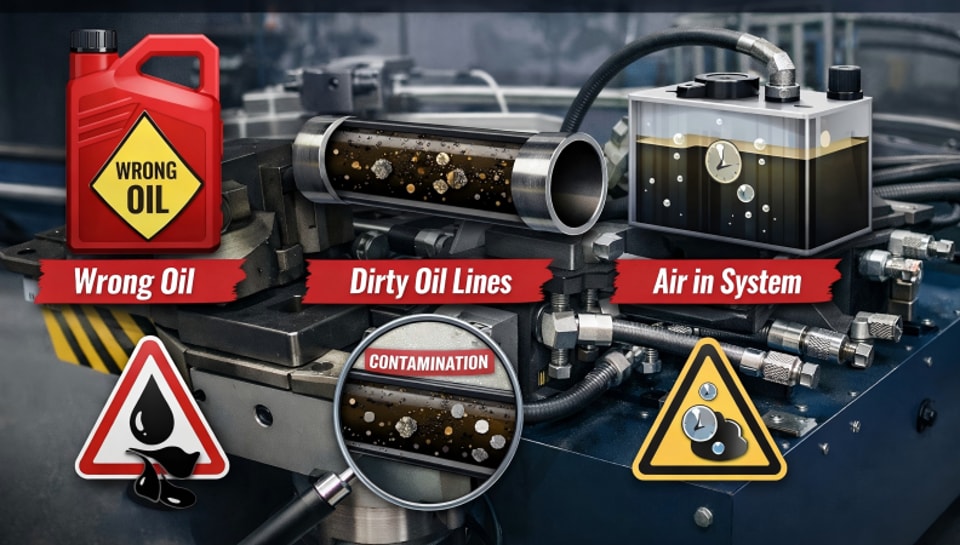
Electrical and hydraulic connections are also crucial.
Incorrect voltage, poor grounding, or missing phases—these problems can range from alarms to burnt-out drive boards. After connecting the wires, don't rush to turn on the machine. Use a multimeter to test the voltage, frequency, and grounding to ensure they match the machine's nameplate. Be especially careful with the hydraulic oil. Using the wrong brand, uncleaned pipes, or incomplete air purging can all lead to unstable pressure, abnormal oil temperature, and sluggish operation. During the initial startup, pay close attention to any unusual noises or oil leaks.
Starting mass production without adjusting parameters or conducting test bends is a mistake.
Even if the mechanical and electrical systems are installed correctly, it doesn't mean you can start working immediately. Many operators run batch production using the factory default parameters, resulting in incorrect bending angles and wrinkled pipes, which they then mistakenly believe is a machine problem. In reality, different pipe diameters, wall thicknesses, and materials require different bending speeds, pressure limits, and springback compensations. Taking the time to adjust the parameters correctly and conducting test bends on a few pipes to confirm there are no issues before starting mass production is worthwhile. Ultimately, installing a pipe bending machine may seem simple, but it involves a lot of details. Foundation, leveling, anchoring, electrical systems, hydraulics, parameters, test bending—don't rush through any of these steps. A proper installation ensures smooth production; a poor installation will cause endless problems.

When you install new equipment in your factory, have you ever encountered problems caused by improper installation? Let's talk about it and avoid these pitfalls together.
Contact Us