 Get a quote
Resources
How to troubleshoot tool misalignment in a pipe bending machine?
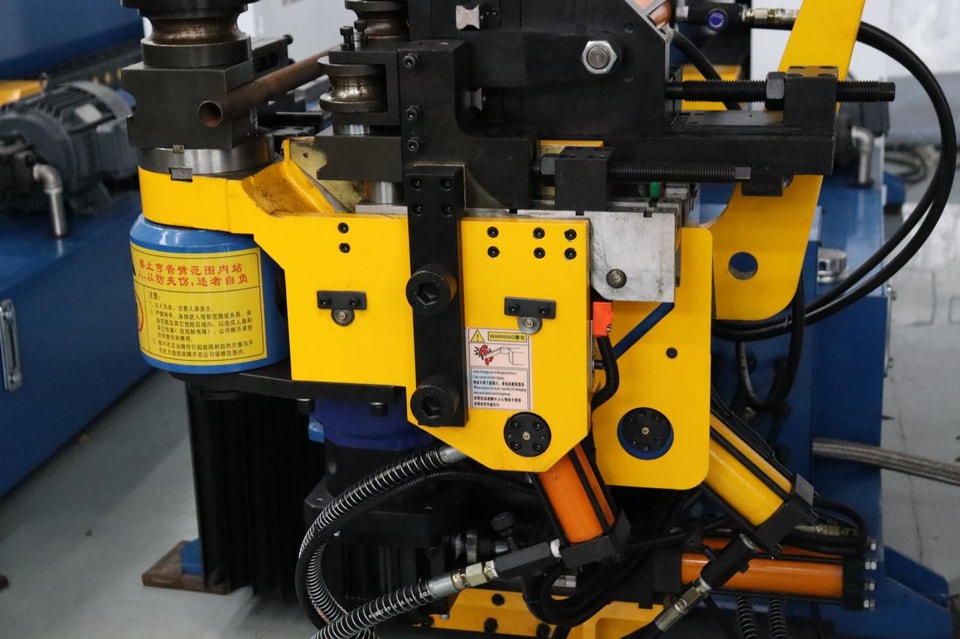
Misalignment of pipe bending machine molds is actually quite a headache. You spend ages adjusting the program, but the angle of the bent pipe is still wrong, or there are inexplicable scratches on the surface—often the problem isn't with the parameters, but with the mold not being in its proper position. Below, I'll outline the common causes of misalignment and troubleshooting methods.
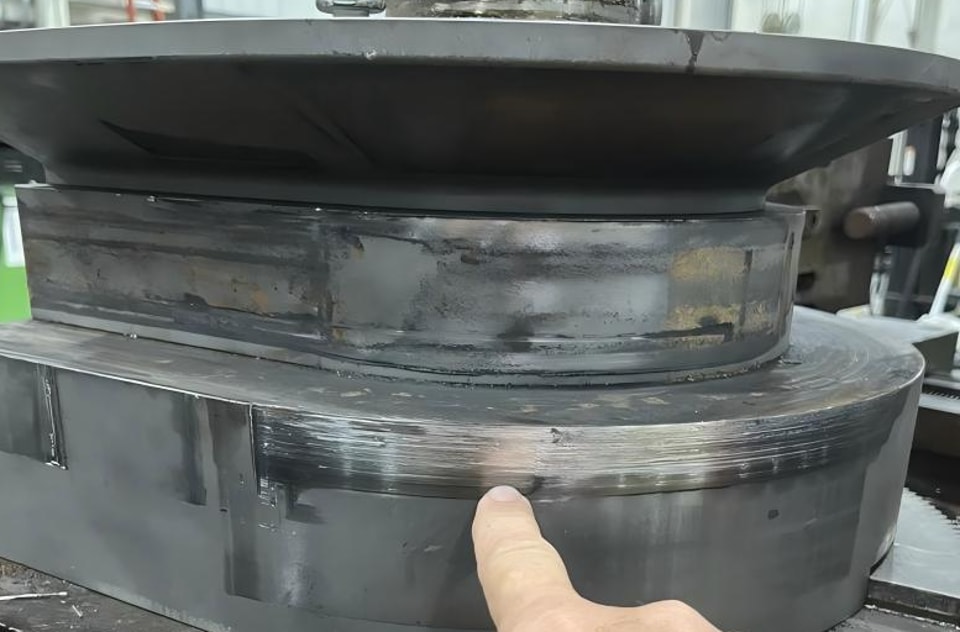
I. First, confirm if it's an installation problem.
Many people, upon noticing incorrect pipe bending quality, immediately adjust the program and parameters, spending a lot of time without improvement, only to find that the mold wasn't installed correctly at all.
If the clamping mold is slightly off-center, the pipe won't be clamped tightly, causing slippage during bending, and the angle will definitely be incorrect. If the anti-wrinkle mold and bending mold's tangent points are not aligned, the inner side will either wrinkle or scratch. The mandrel extension is either too long or too short—too long will scratch the inner wall, too short will not provide support, causing the pipe to collapse.
After each mold change, use a ruler or centering rod to check if the mandrel, bending mold, and anti-wrinkle mold are on the same center line. This check takes only two minutes but can save a lot of trouble later.
II. Next, check if the mold is worn.
Over time, the working surface of the mold will become rough and worn. If the clamping mold surface is worn flat, it won't be able to clamp the pipe; if the bending mold groove is worn, the pipe won't fit properly. The most direct way to judge is to check if there are any abnormal marks on the surface of the bent pipe. If there are scratches or indentations that were not there before, it is likely that the mold needs to be repaired. Another situation is that the bending results are sometimes good and sometimes bad, sometimes the angle is right and sometimes it is wrong. This is usually due to intermittent misalignment caused by mold wear.
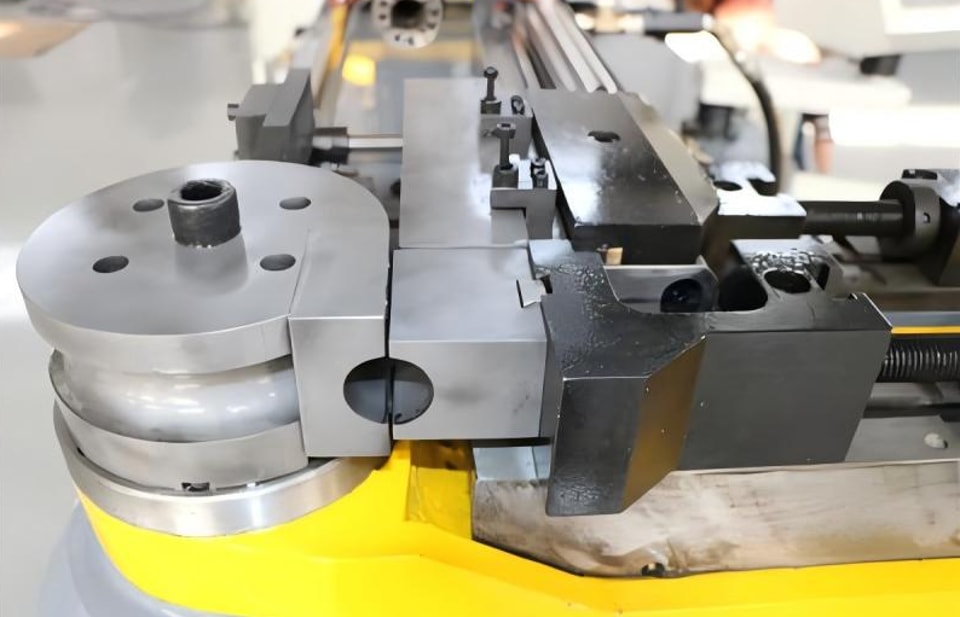
III. Material Issues Cannot Be Ignored
Even pipes of the same grade can have variations in wall thickness and hardness between different batches. A thicker pipe wall will fit too tightly into the mold, resulting in uneven stress during bending. Higher material hardness will lead to different springback, causing the bent angle to deviate even with the same procedure.
If you find that problems arise with the same mold and procedure but after changing to a different batch of material, it's likely due to batch-to-batch material differences. Try adjusting the clamping and pressing forces appropriately. Additionally, burrs on the pipe ends and surface oil can also cause improper pipe placement. Clean these areas before feeding; don't be lazy.
IV. Machine Calibration Issues
An inaccurate back gauge position or incorrect feed length will cause the bending start point to be off-center, resulting in incorrectly bent pipes. If the bending arm's rotation origin drifts, the reference angle for each bend will be incorrect.
Re-verify the actual back gauge position using a digital measuring tool and check the accuracy of the bending arm's zero-return position. If a deviation is found, recalibrate according to the equipment manual.
V. An easily overlooked point: Mandrel lubrication
Poor mandrel lubrication can lead to uneven resistance when bending the tube, potentially causing slight misalignment. Check the mandrel surface for dry-grinding marks, apply a tube bending lubricant, and observe the effect.

Recommended troubleshooting order:
First, check if the installation is in place → then check the mold surface for obvious wear → try bending with a different batch of material of the same specifications to rule out material-related issues → finally, check the machine calibration. Follow this order; don't start by changing parameters. Often, the problem lies in the most basic aspects, you just haven't considered them.
Related
Keep
reading.
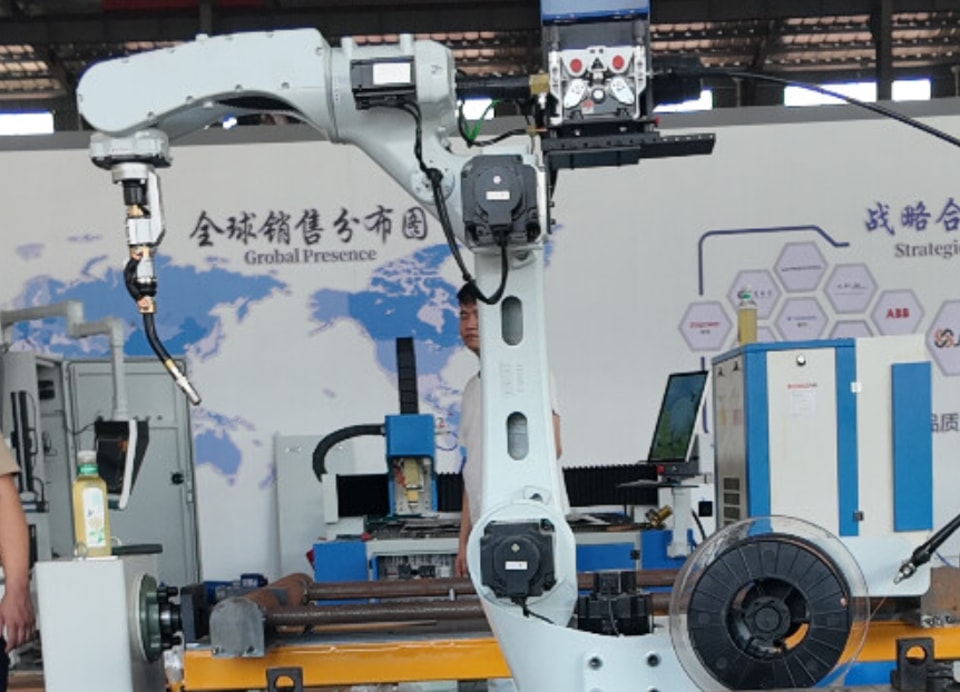 Comparison of Laser Welding Results and Application Scenarios Across Different Materials
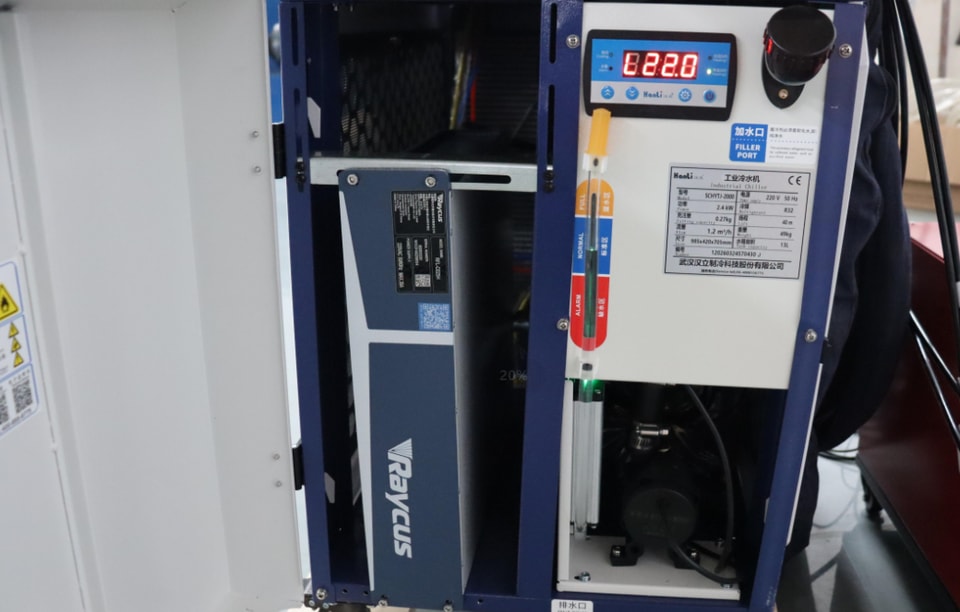 How to Choose Between Air-Cooled and Water-Cooled Laser Welding Systems
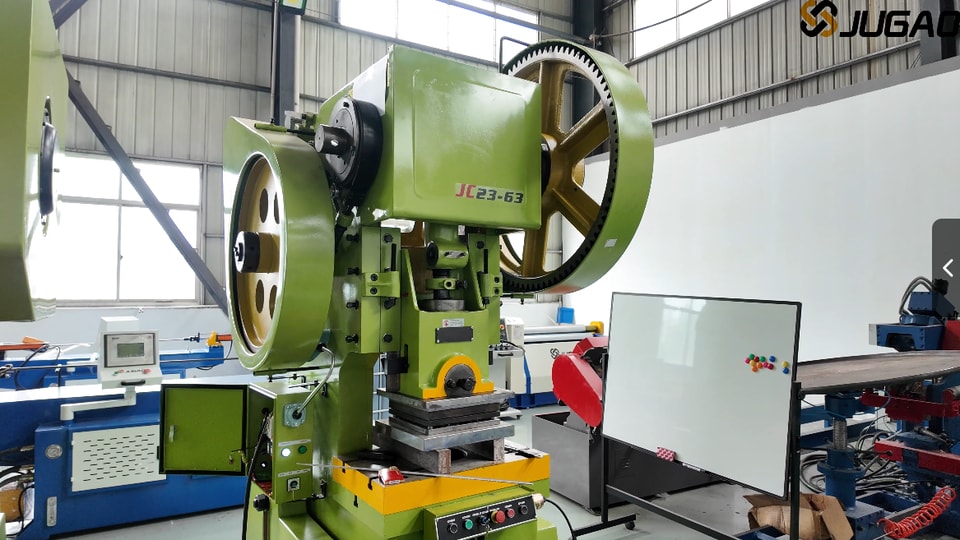 Understanding Punching Machines: Principles, Types, and Selection
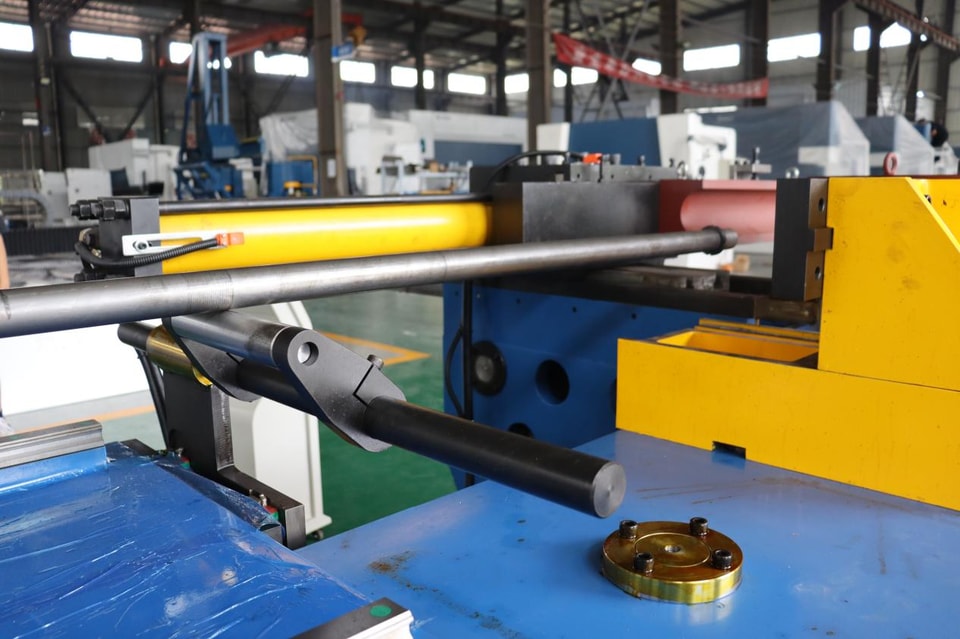 How can one effectively follow the installation guidelines for a pipe-bending machine?
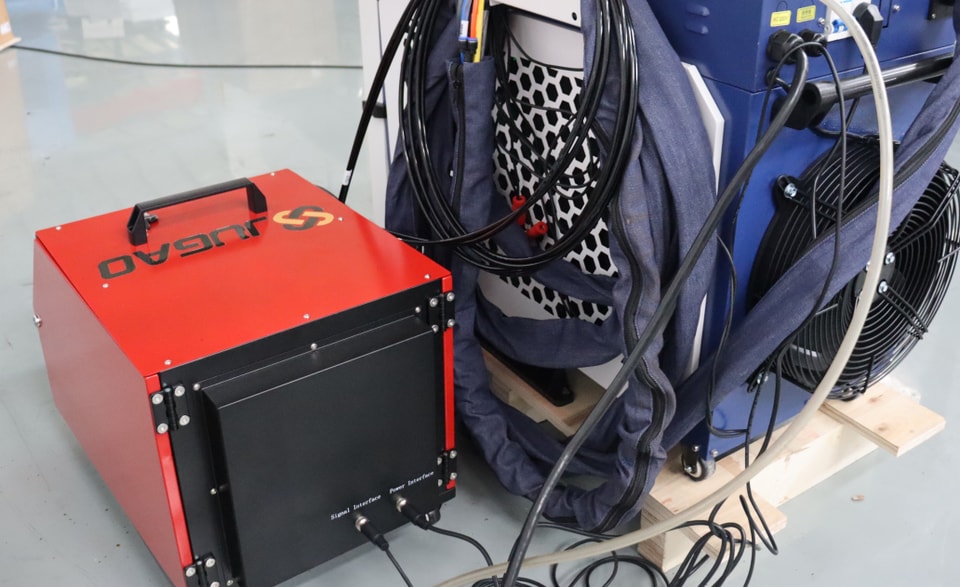 For which types of products is an automatic wire-feeding laser welding machine suitable?
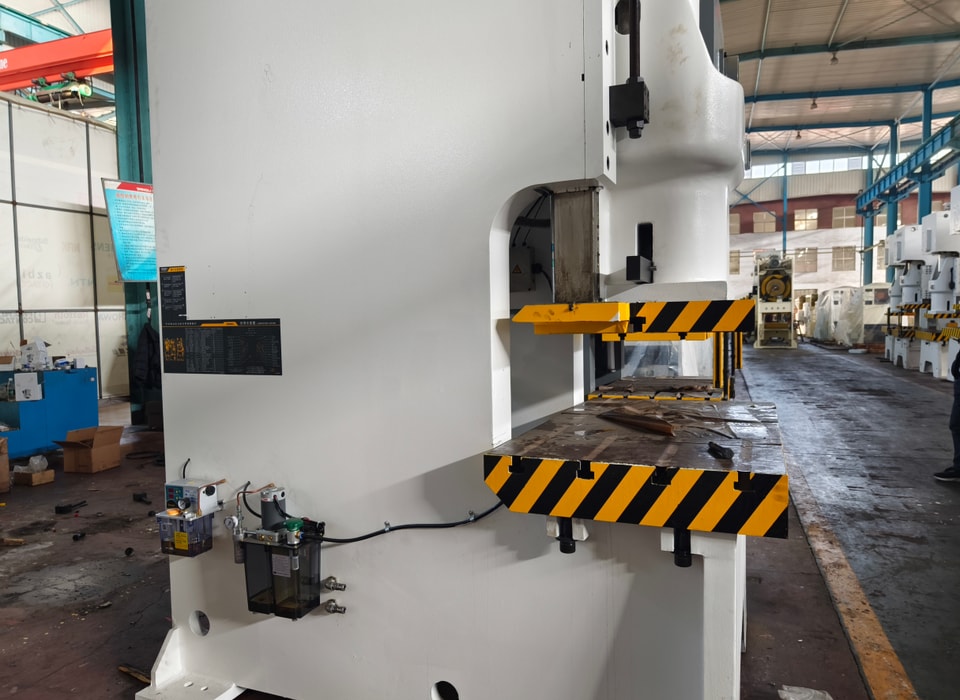 What Are the Latest Punching Machine Trends and Technological Breakthroughs?
 What Triggers Punching Machine Noise and How Can You Quieten It?
 What factors influence the replacement cycle of wear parts in a pipe-bending machine?
 Beyond price, what key parameters should you consider when purchasing welding equipment?
 4 Common Methods for Inspecting Weld Quality
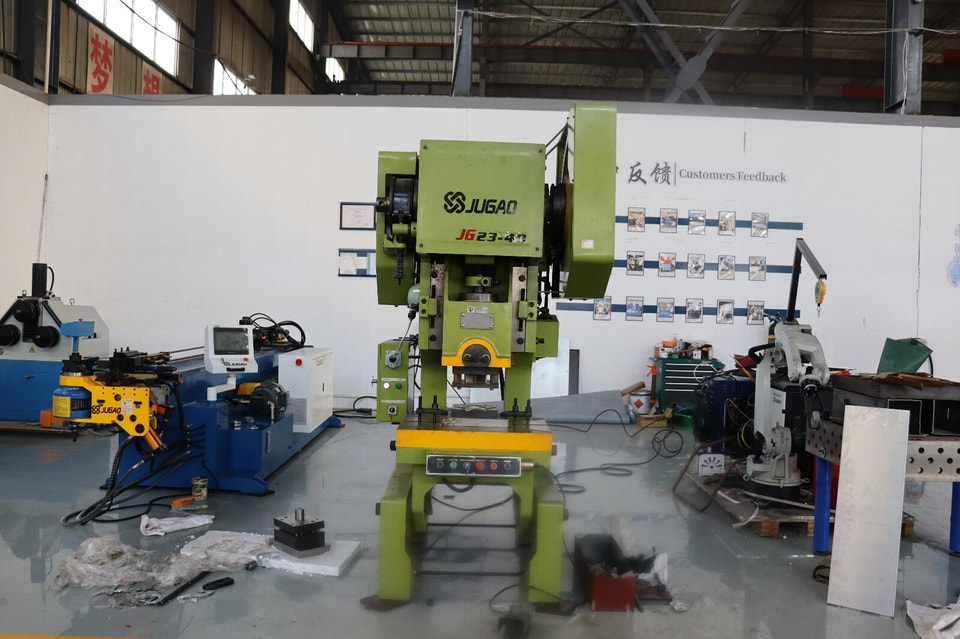 Selecting the Top Punching Machines for Small Workshops & Heavy Industry
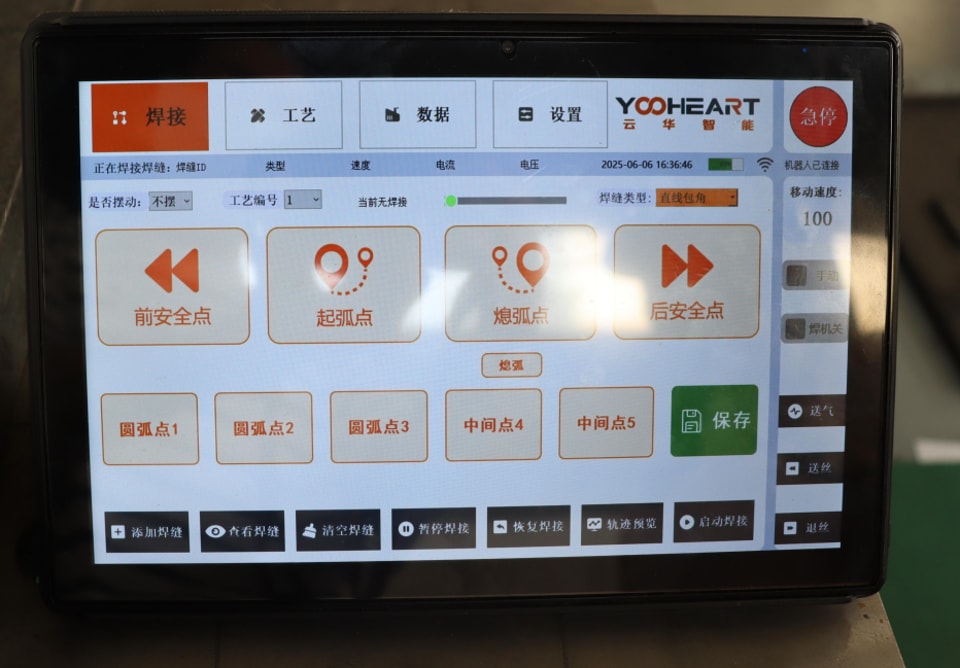 How do you set the welding path for a robotic laser welding machine? Can it perform precise welding on complex workpieces?
Engineering review
Send a drawing.
Get an engineer.
Standard selections answered within 4 hours. Parts outside the rules get a written process review within 24 hours.
- Part drawing: DXF, DWG, STEP or PDF
- Material and thickness
- Longest bend or cut length
- Yearly volume
Write to info@ntjugao.com or message the factory on WhatsApp +86 132 2211 1178.
Drawings (DXF, DWG, STEP, PDF): attach them to an email to info@ntjugao.com, quoting your name.