
How to Choose a Mechanical Plate Rolling Machine
2026-07-09

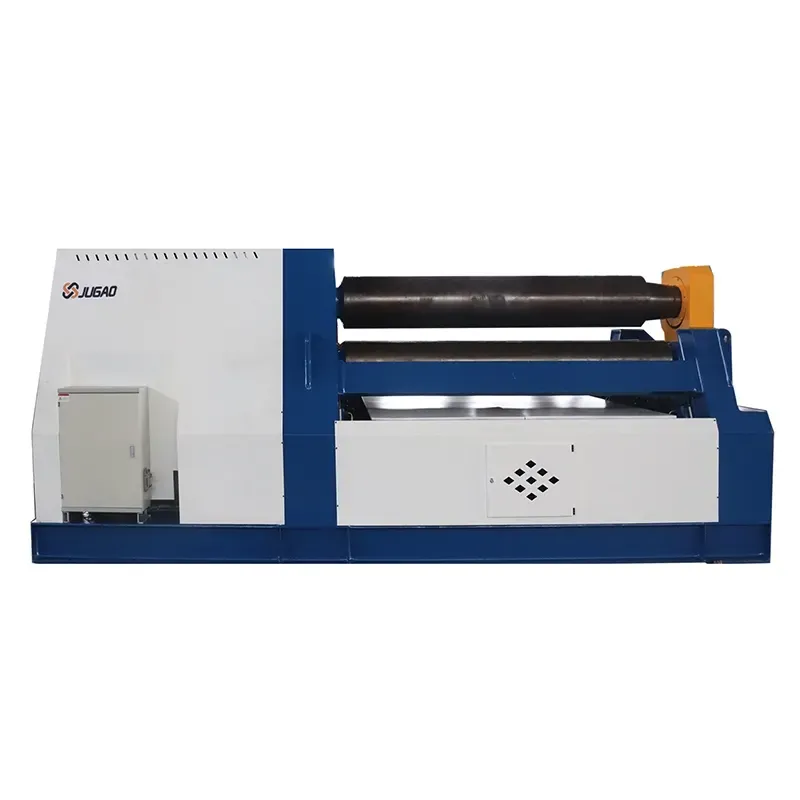
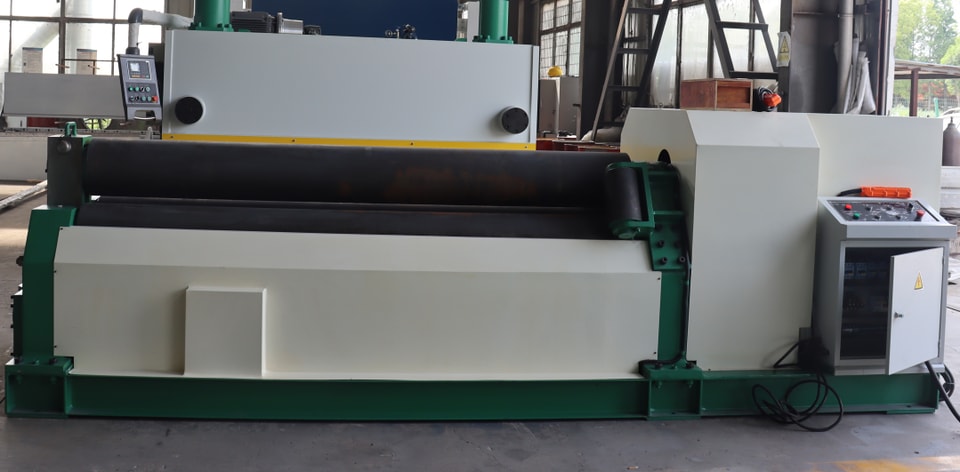
First, understand this core point: Mechanical plate rolling machines rely on gears and lead screws for transmission. They have a simple structure, low maintenance costs, and are suitable for small to medium batch production and scenarios where precision requirements are not critical. Hydraulic machines, while more expensive, offer greater power and faster speed.
I. Three Key Indicators for Choosing a Mechanical Plate Rolling Machine
1. Plate Thickness and Width Must Match Actual Material Thickness
Many beginners only look at the nominal thickness, ignoring the material's yield strength. For example, a machine nominally 6mm thick can roll Q235 plates without problems, but it might only be able to roll 4mm stainless steel. It's recommended to allow a 20% margin. For example, if you frequently work with 3mm thick plates, a machine nominally 4mm thick will be more durable. Also, the working width determines the length of material that can be processed. Don't be greedy; just make sure it's large enough. Too large a machine will only waste space.
2. Roller Material and Bearing Type Determine Lifespan
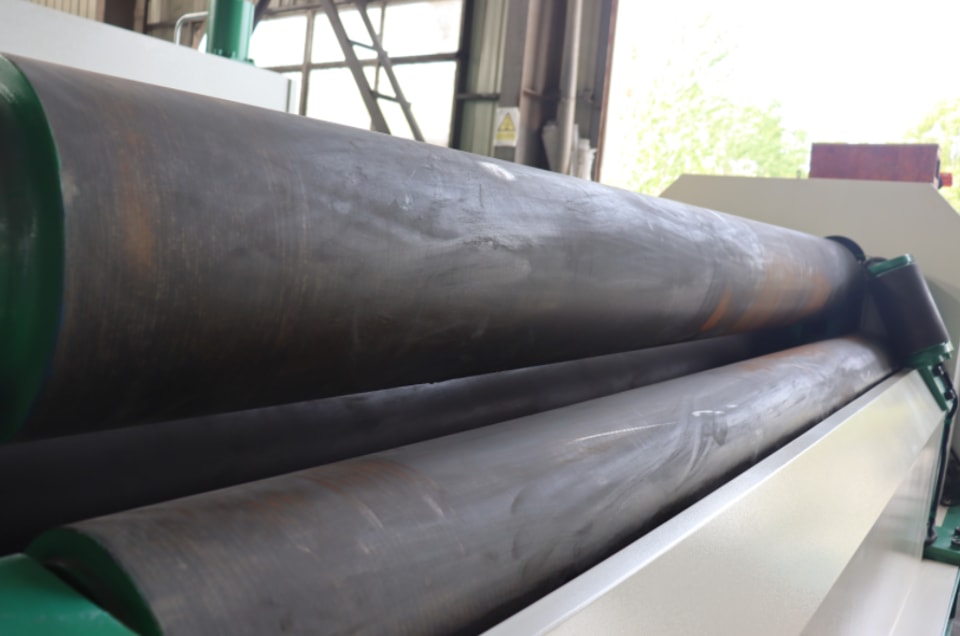
The roller surface must be hardened to a hardness of HRC45 or higher for wear resistance. The bearing housing should ideally be a single cast steel component; separate types are prone to loosening over time. During inspection, pay special attention to the roller ends for any stepped wear marks, especially on used equipment.
3. Lower Roller Lifting Mechanism: Lead Screw vs. Worm Gear
The lead screw structure offers high adjustment precision but low efficiency and is prone to corrosion; the worm gear has good self-locking properties and requires less effort, but has larger clearances. If your budget allows, choose a double lead screw + copper nut; the nut can be replaced later to correct the clearance. The worm gear type is suitable for heavy-duty work and only requires regular lubrication.
II. Tips for Using Mechanical Plate Rolling Machines (Details Experienced Operators Don't Want to Mention)
1. Check the flatness of the plate before feeding. Warped edges or uneven areas will directly cause crescent-shaped bends. Pre-treat with a hammer or roller leveler before feeding into the rolling machine; this can increase the yield rate by 30%.
2. Rolling Direction and Finishing of Excess Material
Mechanical plate rolling machines generally only roll in one direction. When feeding, align the end of the plate with the center line of the lower roller; otherwise, it is easy to deviate. When the roll reaches the point where a 10cm margin remains, manually lift the upper roller to remove it, avoiding damage to the roller surface from the tail of the plate.
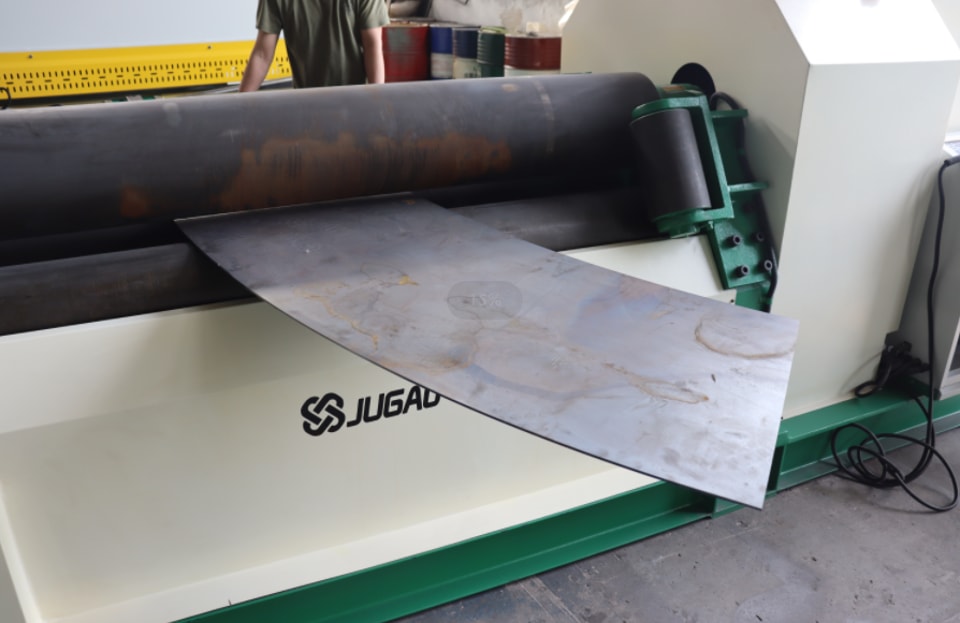
3. Three key elements of regular maintenance: lubrication, clearance, and rust prevention. Add calcium-based grease to the lead screw weekly, and disassemble and clean the bearing housing monthly, changing the oil. Maintain the gearbox oil level at 1/2 of the sight glass. After use, remove metal shavings and apply rust-preventive oil; pay special attention during the rainy season in southern regions.
III. Troubleshooting Common Problems (Avoidance Guide)
Symptom 1: Inconsistent diameter at both ends of the rolled cylinder. This is most likely due to uneven pressure on both ends of the upper roller or wear on the lead screw causing one side to loosen. Measure the clearance difference between the two ends and finely adjust the bearing housing position using shims. If the lead screw is bent, it needs to be replaced.
Symptom 2: Indentations appear on the plate surface. Check if the roller is rusty or has hard objects adhering to it. Sand and clean with fine sandpaper; if severe, re-grind the roller surface. Dirty plate can also cause scratches; clean the plate surface first.
Symptom 3: Rolling fails or makes abnormal noise. First, disconnect the power and check if the belt is slipping and if the gears have broken teeth. Mechanical plate rolling machines have limited torque; do not force them to roll excessively thick plates. Abnormal noises often originate from damaged bearings; replace them promptly with NTN or SKF bearings of the same model. Don't try to save money by buying off-brand products.
IV. Cost Control: How to Find Used Mechanical Plate Rolling Machines Factories with limited budgets often consider used equipment. Remember three points: Look for machines manufactured within the last 5 years (older machines show severe guide rail wear); listen to the machine's idle noise (a uniform, low-pitched sound is best; a sharp sound indicates damaged bearings); test the roller parallelism (use a dial indicator to check both ends; a difference of less than 0.1mm is acceptable).
A word of caution: Don't be fooled by claims of "can roll stainless steel." Mechanical plate rolling machines are more suitable for soft metals like carbon steel and aluminum plates. If you really need to roll hard materials at high frequency, stick to a hydraulic model.
Contact Us