
The most comprehensive guide to pipe bending machines
2026-07-10

When it comes to pipe bending machines, they are essentially devices that transform straight metal pipes into various angles and shapes. Whether powered by hydraulics, electricity, or pneumatics, the core logic is similar: apply force to the pipe to induce plastic deformation while minimizing damage to its cross-sectional shape and surface quality. While it looks simple, there's actually a lot more to it than meets the eye.
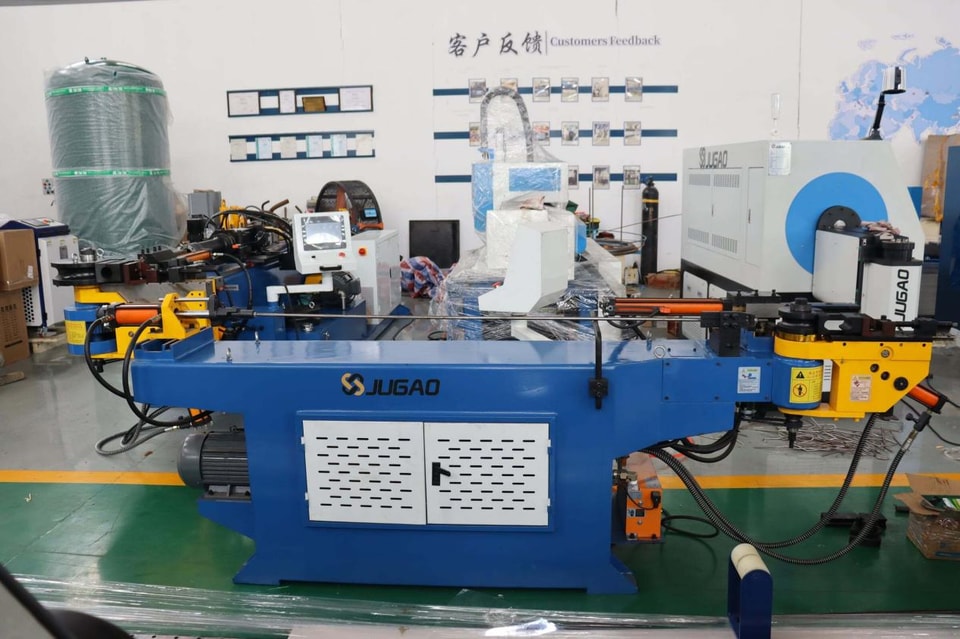
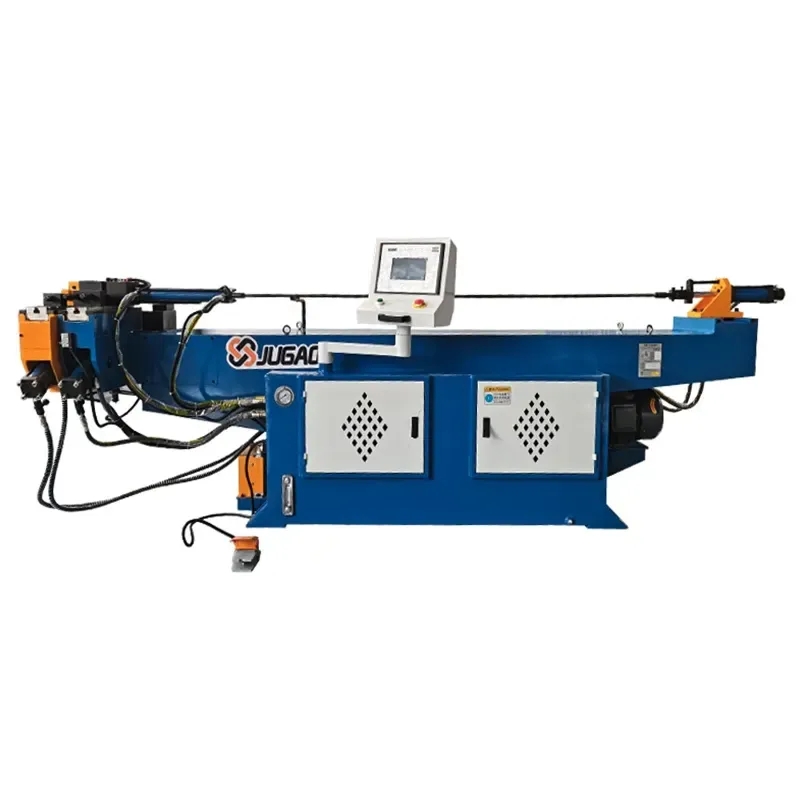
Pipe bending machines can be mainly divided into the following categories:
Manual pipe bending machines are considered entry-level, driven by human power. They have a simple structure and low cost, sufficient for bending a few pipes occasionally, but their efficiency and precision are lacking.
Hydraulic pipe bending machines are much more powerful, generating enormous thrust through a hydraulic system, suitable for thick-walled and large-diameter pipes. These machines are particularly common in the sanitary ware, HVAC, and piping industries. However, their precision is still somewhat inferior to fully electric and CNC models.
CNC pipe bending machines are different. Servo motors combined with hydraulic control allow for precise control of the bending angle, radius, and pipe feed. High-end models can now achieve multi-axis linkage, with repeatability accuracy down to ±0.1°. They are widely used in demanding fields such as automotive manufacturing, furniture mass production, and industrial automation.
Fully automatic pipe bending machines further integrate automatic loading and unloading and unloading on top of CNC technology. From pipe input to finished product output, the entire process is seamless, and one person can oversee several machines.
All-electric pipe bending machines have emerged in recent years, replacing hydraulic systems with servo motors. Their advantages include high precision, low noise, energy efficiency, and environmental friendliness, making them particularly suitable for industries with high cleanliness requirements, such as aerospace, medical devices, and semiconductors.
There are also coreless pipe bending machines, which prevent ellipticity by reverse pre-deformation without a mandrel inside the pipe; and medium-frequency pipe bending machines, which use a push-bending method for forming. These are considered specialized models.
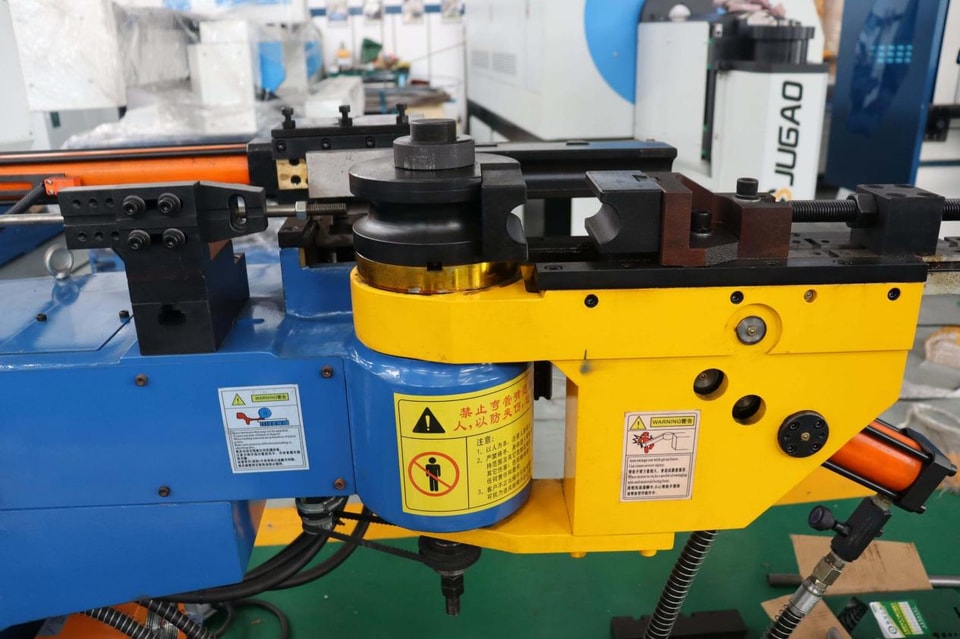
A pipe bending machine mainly consists of the following parts:
Power system – For hydraulic models, this includes the oil tank, pump station, and circuit; for all-electric models, it includes the servo motor and drive system.
Actuating mechanisms – These include the bending arm, clamping device, feeding mechanism, and mandrel propulsion; these are the components that directly perform the bending work.
Control system – This includes a dedicated CNC system, PLC, and touchscreen, responsible for issuing commands.
Die system – This is particularly crucial, directly affecting the quality of the pipe bending.
Speaking of dies, they mainly include the following: the bending die is the core component, determining the bending radius; the clamping die is responsible for clamping the pipe to prevent it from slipping; the mandrel is inserted into the pipe to prevent thin-walled pipes from collapsing and wrinkling; the pressure die guides the pipe accurately into the die; and the anti-wrinkle die prevents wrinkling on the outer surface. Each one is important; the absence of any one of them will result in a problem.
The general process for pipe bending is as follows:
First, prepare the pipe, clean its surface, and select and install the appropriate mold. Then, set the parameters; for CNC machines, input the bending angle, radius, and feed length into the system. Clamp and position the pipe, then start the machine to begin bending. After bending, reset the pipe, remove it, and inspect the angle, roundness, and surface quality. Analyze the causes of any defects and make adjustments; proceed to the next process for those that pass.
Several key parameters directly determine the quality of pipe bending:
Relative bending radius (R/D), which is the ratio of the bending radius to the pipe diameter. The smaller this value, the greater the deformation and the more prone to problems. Relative thickness (t/D), the ratio of wall thickness to diameter; a thin wall is prone to wrinkling. The bending speed must also be controlled; too fast and uneven deformation, too slow and efficiency suffers.
In essence, ensuring the quality of pipe bending boils down to two points: preventing external tensile cracking and preventing internal compressive wrinkling. Simultaneously, the cross-sectional ovality and wall thickness reduction must be controlled within allowable ranges.
This thing has an incredibly wide range of applications.
Power construction, power plant pipeline laying, railway and highway bridges and tunnels, boiler and ship piping systems, furniture manufacturing (table and chair frames, decorative pipe fittings), automotive exhaust systems and chassis fittings, aerospace fuel lines and hydraulic systems, petrochemical process pipelines, HVAC refrigeration piping, building decoration stair railings and handrails—basically, anywhere you can think of where metal pipes are used.
Operational safety and daily maintenance cannot be neglected.
You must concentrate while operating it, and never put your hands inside the work area. If anything seems amiss, immediately press the emergency stop button. Check lubrication points and moving parts daily for any looseness. Disconnect the power and clean the area after get off work. Regularly check the hydraulic oil level and quality, and promptly repair or replace worn molds.
Choosing the right model is also important.
It depends on your processing requirements: pipe diameter range, wall thickness, material, and bending radius requirements. Then consider the production volume: small-batch trial production can be handled by manual or simple hydraulic machines; large-scale production requires CNC or fully automatic machines. For high-precision applications like aerospace and automotive, CNC or fully electric machines are the right choice. Budget is also a hard constraint; hydraulic machines are relatively cheaper, while fully electric and CNC machines have higher initial investment but better long-term benefits. For on-site construction, portable hydraulic pipe bending machines are more suitable; for fixed factory production, large horizontal or vertical models are sufficient.
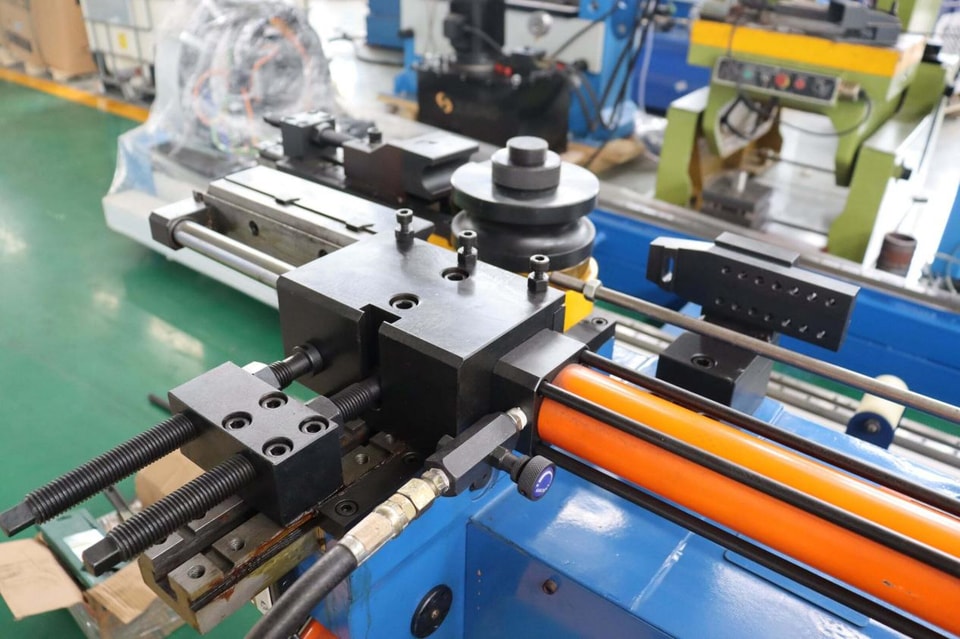
Ultimately, pipe bending machines are indispensable equipment in the pipe forming industry. From manual to hydraulic, from CNC to fully automatic, technology has been constantly advancing. Understanding its working principles, mastering the correct operating methods, and performing routine maintenance are the foundation for maximizing equipment efficiency and ensuring production quality.
Contact Us