
How to improve the bending accuracy of the bending machine
2025-05-15

Bending accuracy is critical to high-quality metal parts to ensure that the dimensions meet the design specifications. In industries such as aerospace or medical device manufacturing, tight tolerances mean that even small deviations can cause problems.
Bending accuracy affects economic benefits. Inaccurate bends waste material, lead to costly rework and delays, increase production time and labor costs, and reduce customer satisfaction. Poor accuracy can weaken the integrity of the structure or misalign the assembly, leading to warranty claims and damaged reputation.
Maintaining stable bending accuracy is essential in press brake operation. Accurate bending optimizes resources, reduces waste and increases profitability, so manufacturers must perfect their processes.
Errors that lead to failure of bending accuracy of press brakes have a variety of reasons, including mechanical problems with the metal sheet bending machine, as well as external factors such as bending tools, material thickness and human operator error.
In this article, we will explore the various factors that affect accurate bending and provide solutions for some common situations encountered.
1.Machine factors
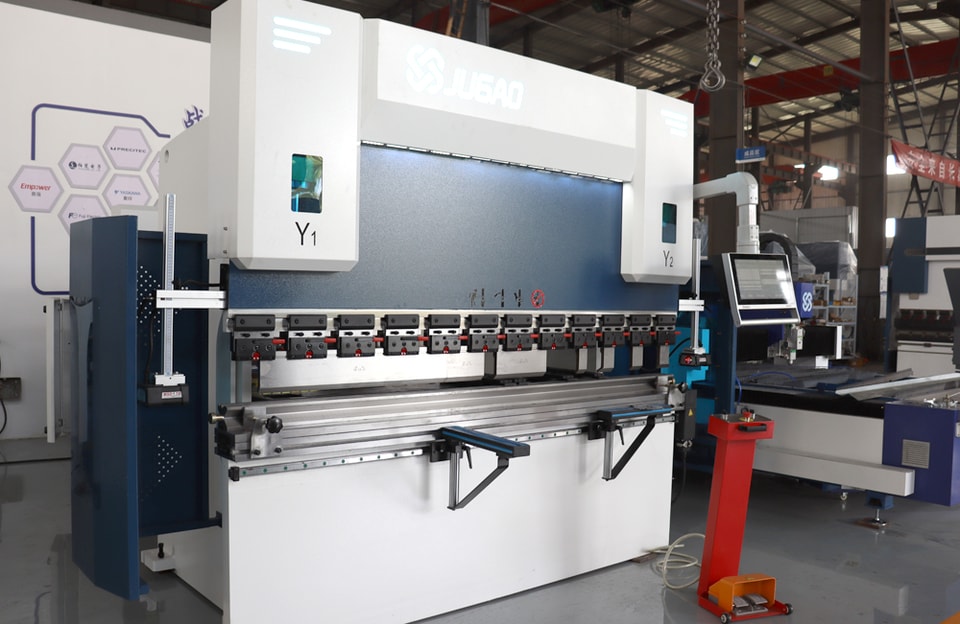
There are several factors that affect the bending accuracy of press brakes. These factors include
Straightness of the slider opening
The clamping opening of the slider is straight in both the Y and X directions. Repositioning accuracy and arbitrary positioning accuracy of the left and right sliders. The opening accuracy of the slider in the Y and X directions is critical to the bending accuracy. If the slider opening is not straight, it will cause deviations in the bending angle and position.
Gap between the slider and the frame rail
The gap between the plunger of the bending machine and the linear guide of the frame should be reasonable. The proper gap between the slider and the frame rail ensures the stability of the slider during movement, thereby improving the bending accuracy of the bending machine.
Verticality and inclination of the frame
Verticality and inclination of the frame. The verticality and inclination of the frame affect the distribution of the bending force during the bending process, thereby ensuring the bending accuracy of the finished product.
Experimental data (as shown below) show that a 0.1° tilt of the frame along the Y axis will reduce the uniformity of the bending force by 5%, resulting in a maximum bending angle deviation of 0.5°. This is due to the uneven force on the slider cylinder, which causes the bending force distribution to shift.
Frame tilt angle (Y axis direction) | Bending force is evenly distributed | Bending angle deviation |
0° | 99.50% | <0.1° |
0.05° | 97.20% | 0.2° - 0.3° |
0.1° | 94.80% | 0.3° - 0.5° |
Connection between cylinder and slide
The connection between cylinder and slide must be consistent to ensure even distribution of bending force during bending in the press brake.
Mechanical precision
Precise calibration of slides, dies, hydraulics and backgauges is essential. Regular calibration ensures that these components work within specified tolerances.
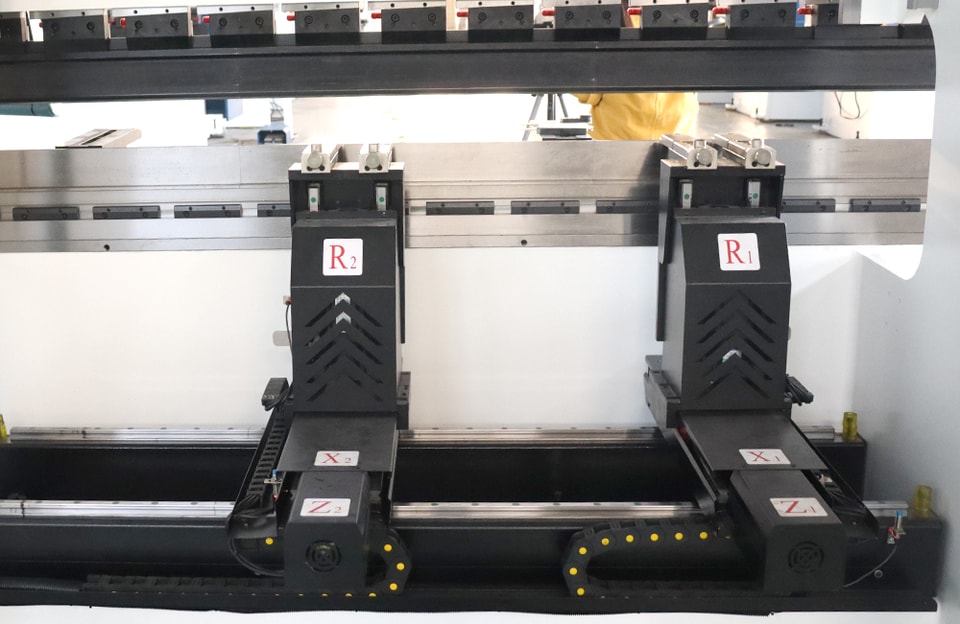
There are other factors that affect the bending of precision press brakes, such as the strength and accuracy of the frame and slide, the repositioning accuracy of the back gauge system in both X and R directions, the correct adjustment of the computer system, the adjustment of the hydraulic system, and the matching between the hydraulic system and the computer adjustment.
2.Tool factors
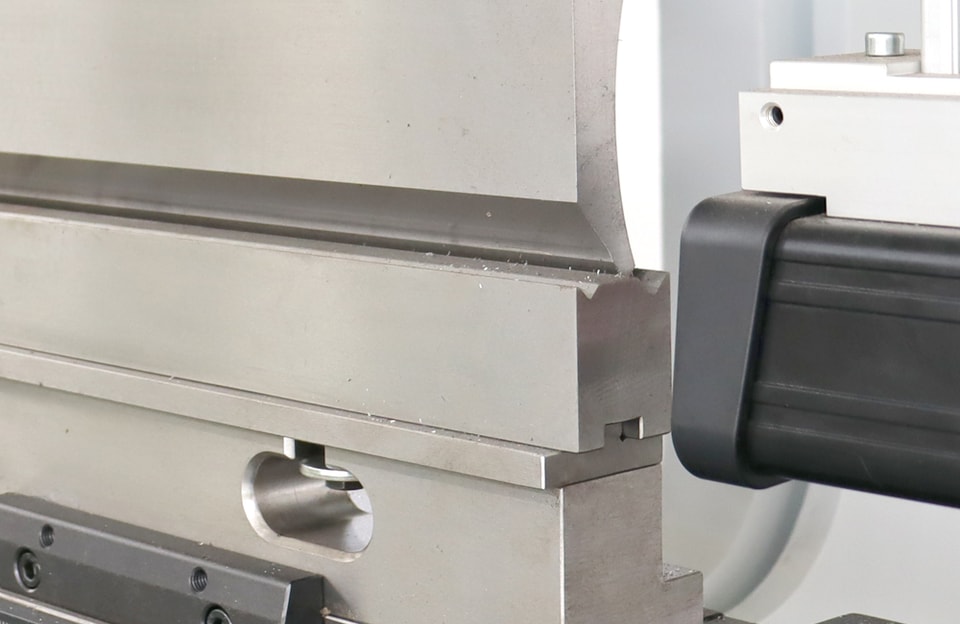
a.. Accuracy of upper and lower dies:
The accuracy of upper and lower dies is crucial. Deformation, damage, wear and other problems of the die will affect all aspects of metal bending. Once discovered, they should be reported and corrected in time. Therefore, regular inspection and maintenance are necessary.
b.Die alignment:
The misalignment between the upper and lower dies will cause deviations in the bending size. Make sure that the tool is properly aligned when setting the tool.
After the left and right position of the back gauge moves, the distance between the lower die and the back gauge will change. This can be measured with a vernier caliper and adjusted using the back gauge screw.
The accuracy and compatibility of the lower die compensation device should match the design of the frame. The upper die fixture should be highly accurate.
c.V-die opening size:
The opening size of the V-die is inversely proportional to the bending pressure. When the sheet length and thickness are fixed, the larger the opening, the less pressure is required. Therefore, when processing sheets of different thicknesses, the appropriate V-die opening size should be used.
When processing with a single-sided load, such as at one end of the bending machine, the bending pressure may be affected, which may damage the machine. This is strictly prohibited. When assembling the die, the middle part of the machine should always be stressed.
d.Tool selection:
It is crucial to select the appropriate die opening width and punch profile according to the material and bending radius. In the metal forming and manufacturing industry, incorrect dies can cause angle deviations and surface defects.
Selecting the appropriate bending tools and dies is a meticulous process that requires a deep understanding of both the equipment and the processed materials.
3.Sheet metal factors
The straightness of the metal sheet reference surface must be checked. Ensure that the metal sheet is evenly stressed. Check the sheet metal for consistent thickness.
During the bending process, if the parallelism between the workpiece and the lower die is insufficient, it will cause the workpiece to spring back after the upper die is pressed, affecting the bend size.
Springback is the phenomenon that the material tries to return to its original shape after being bent. Tensile strength, thickness, tooling and the type of press brake all affect springback. Effectively predicting and evaluating springback is essential for handling tight bends and thick, high-strength materials.
Material properties and thickness affect the bend angle, so each workpiece must be properly inspected and spot-checked before bending.
Below are the detailed properties of the material:
Yield Strength: Yield strength is the maximum stress that a material can withstand before it begins to deform permanently. Knowing the yield strength helps determine the maximum force that can be applied during the bending process to avoid damaging the material.
Modulus of Elasticity: The modulus of elasticity indicates the stiffness of the material and determines the amount of deformation under a given stress. Knowing the modulus of elasticity helps predict the amount of springback after bending.
Material Thickness: The thickness of the material has a great impact on the bending process. Thicker materials require more force to bend and require a larger bend radius to avoid cracking or deformation.
Ductility: Ductility refers to the ability of a material to undergo plastic deformation without breaking. Materials with high ductility are easier to bend and are less likely to crack or tear during the bending process.
Surface condition: The condition of the metal surface (including coating or treatment) will affect the bending effect. Thorough cleaning to remove impurities is also key to preventing defects.
4.Bending operation factors
a. Consistency of operator actions:
Check whether the left and right forces when the bending machine operator pushes the material to bend are consistent. Inconsistent bending force will cause deviations in the bending size.
b. Adjust system data:
When using the system, make sure to adjust the system data error correctly. Insufficient bending angle in one time will affect the secondary bending size. Accumulated bending errors will increase the error of the workpiece contour size.
The pressure required for bending varies with the length and thickness of the workpiece, and the length and thickness of the plate are proportional to the required pressure.
When the length and thickness of the workpiece change, it is important to adjust the bending capacity accordingly.
5. Environmental factors
In addition to equipment, molds and process parameters, environmental factors will also have a certain impact on bending accuracy. Among them, the impact of temperature and humidity is the most significant.
Temperature
Temperature changes will affect material properties such as yield strength and elastic modulus. Increased temperature will reduce yield strength and elastic modulus and increase springback. Uneven temperature will cause thermal expansion, resulting in deformation of the workpiece. To achieve precise bending, the workshop temperature should be kept constant or adjusted according to changes.
Humidity
Humidity will affect the surface of the material. In a high humidity environment, the metal will absorb moisture, form rust, and affect friction and bending accuracy. This is critical for materials with high surface quality requirements such as aluminum alloys and stainless steel.
6. Methods for achieving high bending accuracy
To achieve high bending accuracy in press brake operations, it is necessary to combine advanced equipment, precise tools, proper material handling and optimized process parameters. Each element plays a vital role in ensuring that the bends are accurate, consistent and meet design specifications.
a. Use a high-precision bending machine
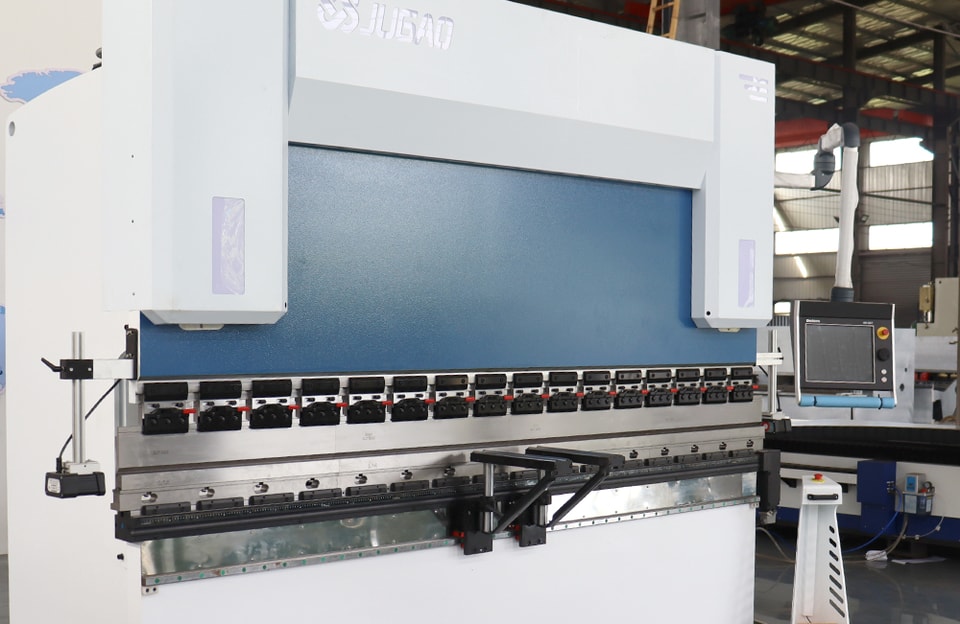
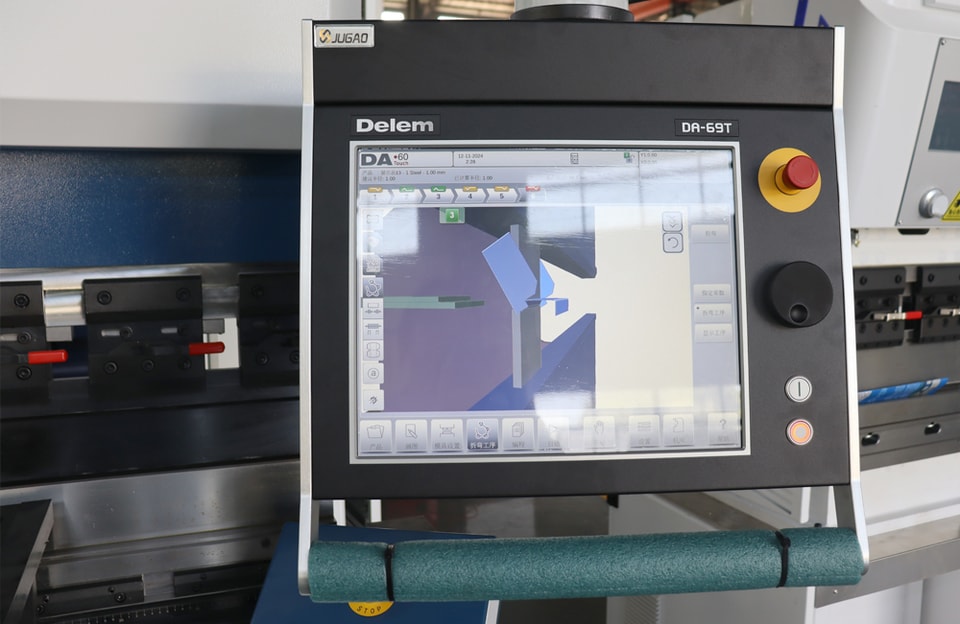
Modern bending machines are equipped with advanced control systems such as CNC (computer numerical control) technology, which achieves excellent bending accuracy by minimizing human error and automating complex calculations. Features such as real-time angle measurement systems and automatic top angle adjustment compensate for deviations in the mold or workpiece, ensuring consistent bending performance.
Hydraulic and electric bending machines in particular have features that improve accuracy, including programmable slide positioning and speed control. These features allow the operation to be fine-tuned to ensure accurate bends on multiple parts. In addition, machines equipped with servo-electric drives can provide excellent repeatability due to the precise control of slide movement.
b.Tool selection and maintenance
The selection and condition of the bending machine tooling directly affects the quality of the bend. Key considerations include
- Tool geometry: Selecting dies and punches with radii and angles that match the material type ensures optimal force distribution during the bending process. Using incorrect dies can result in unexpected deformation or inaccurate angles.
- Material quality:High-strength tool materials, such as hardened tool steel, resist wear and maintain stable performance over the long term.
- Regular maintenance:Ensuring that tool surfaces are free of damage, wear or contaminants prevents errors during the bending process. Regularly inspecting tools for even minor defects and replacing worn parts is essential to maintaining accuracy over the long term.
c.Accurate material preparation
The uniformity of the feed has a great influence on the bending result. Irregularities such as varying material thickness, surface imperfections, or inconsistent mechanical properties can cause variations in the desired bend angle. To ensure consistency
- Confirm material thickness and hardness before bending. If thickness is uneven or hardness is too high, the process needs to be adjusted.
- Deburr and clean metal surfaces to remove contaminants that could interfere with tooling or cause inconsistencies.
- Standardize material batches to minimize variability and promote predictable bending behavior.
d. Material Springback Compensation
Springback, the tendency of metal to partially recover its original shape after being bent, is a common challenge in achieving precise angle accuracy. Measures to combat springback include the following:
- Overbending: Intentionally overbending during operation to account for elastic recovery.
- Bottom bending or coining: In these methods, sufficient force is applied to the workpiece to deform it beyond the elastic limit, thereby minimizing springback.
- Adjustments for specific materials: Different metals have different springback characteristics. Advanced press brakes equipped with a material library can automatically calculate the appropriate compensation angle based on the selected material.
e.Implementing precision backgauges
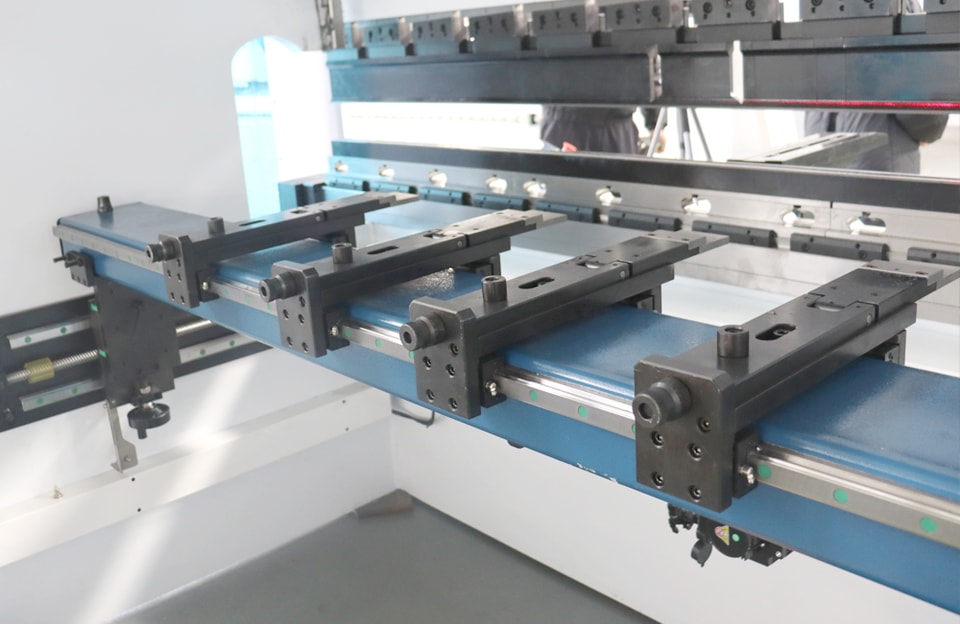
Backgauges are important components for controlling workpiece positioning, especially in mass production where consistency is critical. High-precision backgauges, usually controlled by CNC systems, help:
- Precise alignment of the workpiece with the die and punch.
- Consistent placement of the material during repeated bends.
- In multi-stage bending operations, rapid adjustments can be made to different workpiece geometries.
f.Optimizing process configuration
Proper configuration of process parameters is critical to achieving precise bends. Key factors to consider include
- Bending force: Adjust tonnage based on material type, thickness, and tool characteristics to ensure consistent force is applied.
- Bending speed: For thicker or stronger materials, slower bending speeds are better for maintaining accuracy, while faster speeds may cause inconsistencies.
- Sequence planning: Complex parts with multiple bends require a carefully planned sequence to avoid interference and maintain alignment at each step.
g.Operator training and skill development
Even with advanced equipment, operator expertise remains critical to achieving high bending accuracy. Operators who undergo regular training are better able to
- Identify potential sources of inaccuracy, such as misaligned tools or improper material setup.
- Dynamically adjust press brake settings based on observed deviations.
- Maintain consistency in inspection procedures during and after production to verify part quality.
Investing in ongoing operator education, especially in how to handle new technologies and challenges, ensures a skilled workforce that can maintain precise bending standards.
h. Quality control and monitoring
Strong quality control measures throughout the bending process help detect and correct errors early. These measures include
Statistical process control (SPC): Analyzing long-term production data to identify trends and deviations helps optimize processes and eliminate sources of inconsistency.
Online angle measurement system: Real-time monitoring tools installed on the bending machine ensure that the bend reaches the specified angle before releasing the workpiece.
Dimensional inspection: Use precision instruments such as calipers, coordinate measuring machines or laser measurement systems to verify dimensions and angles.
7. Frequently Asked Questions
a. How often should a press brake be maintained for optimal accuracy?
Maintain the accuracy of your press brake with a systematic maintenance schedule.
Daily: Clean and inspect for loose or damaged parts.
Weekly: Lubricate and inspect for leaks.
Monthly: Clean hydraulic components and inspect air filters.
After the first 2,000 hours, change hydraulic oil every 4,000-6,000 hours. Inspect all systems every six months to one year. Regular calibration ensures accurate bending. This routine prevents downtime and extends the life of the machine.
b. What are the common problems that affect press brake accuracy?
Press brake accuracy issues include inconsistent materials, worn tools, misaligned alignment, improper calibration, machine errors, inaccurate backgauges, and inappropriate bending methods.
Solve these problems by ensuring consistent material properties, maintaining tools, performing machine calibrations, using CNC backgauges, and selecting appropriate bending methods. Make real-time adjustments to the CNC system and maintain an appropriate schedule to reduce the occurrence of problems.
c. What is the ideal tolerance level for bending accuracy of a press brake?
The tolerance level of a press brake depends on the application and industry requirements. Generally speaking, for most precision projects, an angular deviation of ±0.5° and a dimensional deviation of ±0.1 mm are acceptable. In aerospace or medical device manufacturing, tolerances are typically tighter, less than ±0.25°.
To achieve these goals, advanced CNC systems, precision tooling, and quality assurance are required. Manufacturers must evaluate specifications, material properties, and constraints to determine the appropriate tolerances.
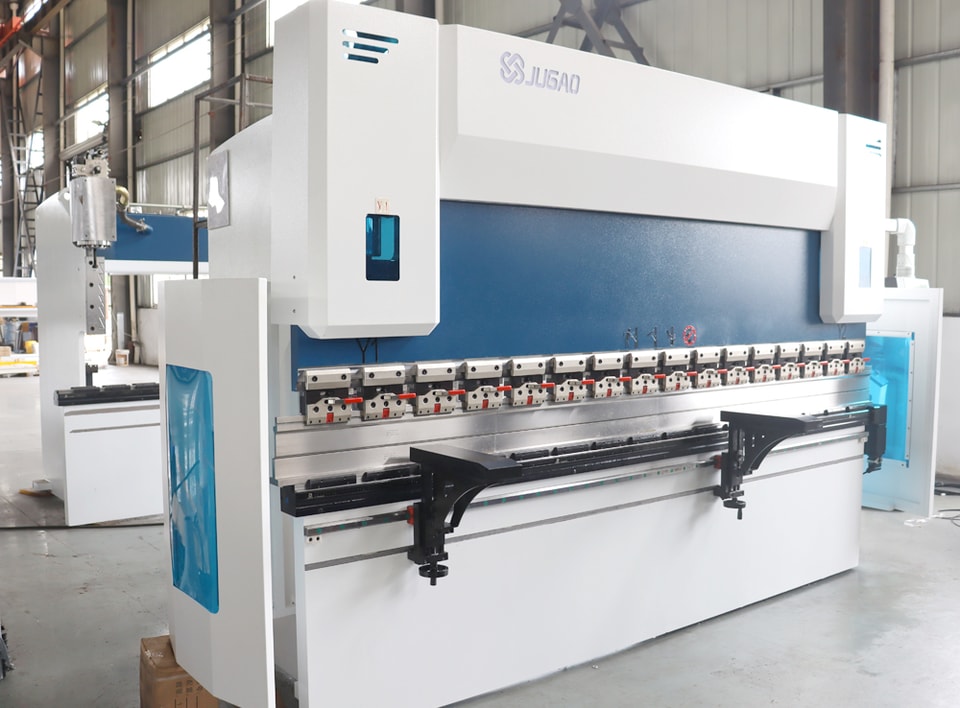
To improve the bending accuracy of a press brake, many factors need to be considered. In addition to adjusting the components of the press brake, ensuring the accuracy and repeatability of the die, and performing correct bending compensation, attention should also be paid to the daily maintenance and care of the press brake.
This will help extend its service life and maintain efficient and accurate bending. There are four bending technologies for sheet metal bending: air bending, bottom bending, coin bending, and three-point bending.
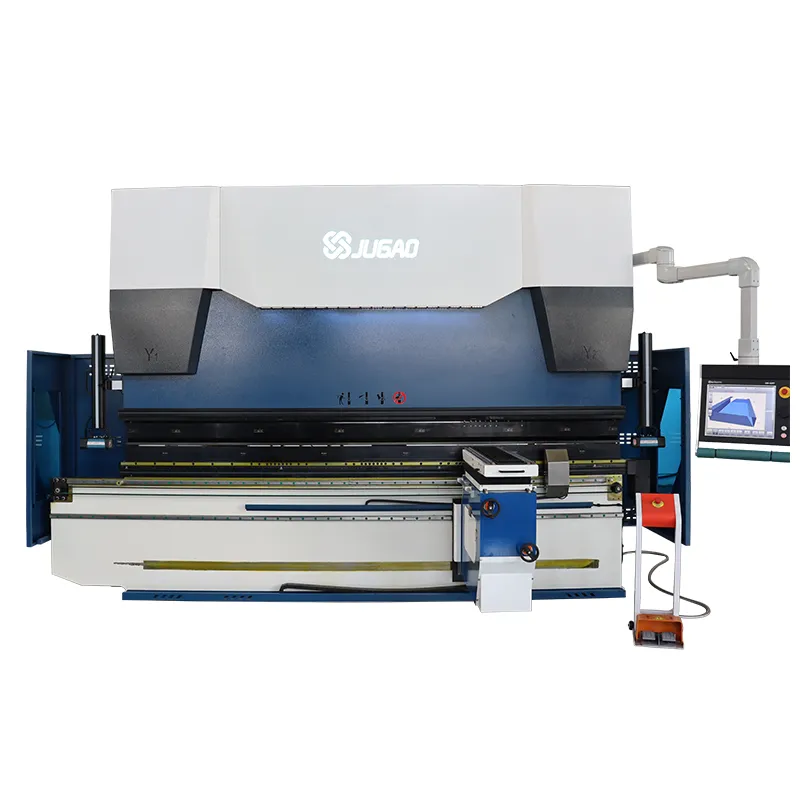
Investing in a high-quality press brake is another effective way to ensure a productive bending operation in metal manufacturing. JUGAO CNC MACHINE is a trusted bending machine manufacturer with over two decades of expertise in the sheet metal industry.
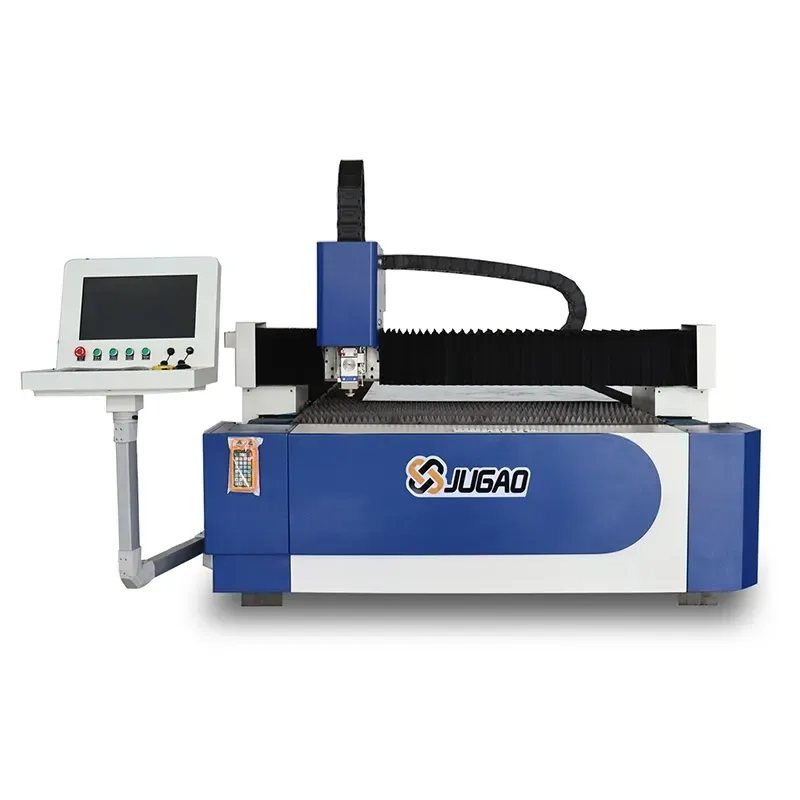
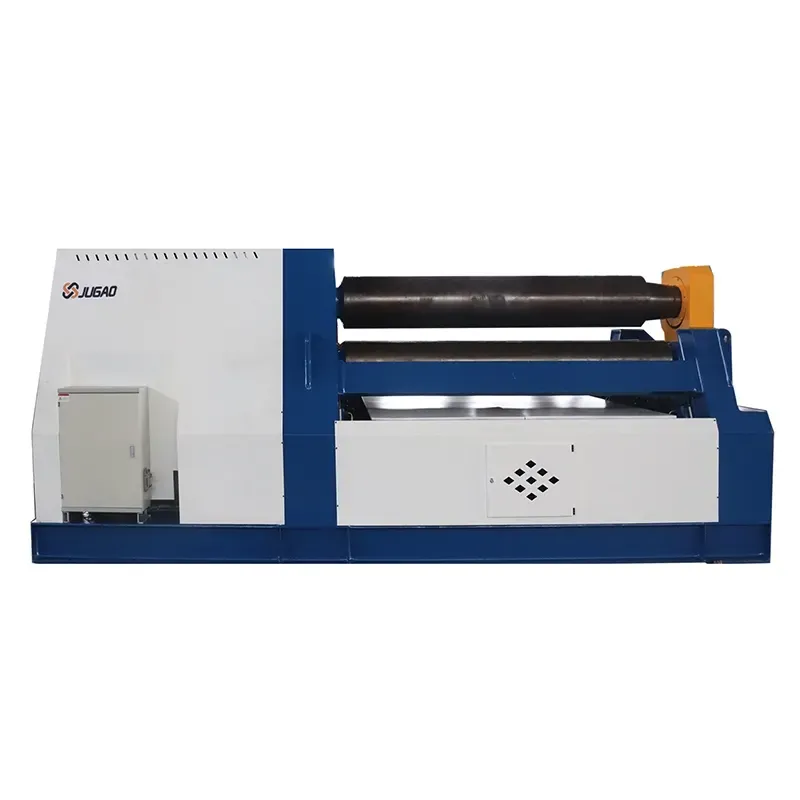
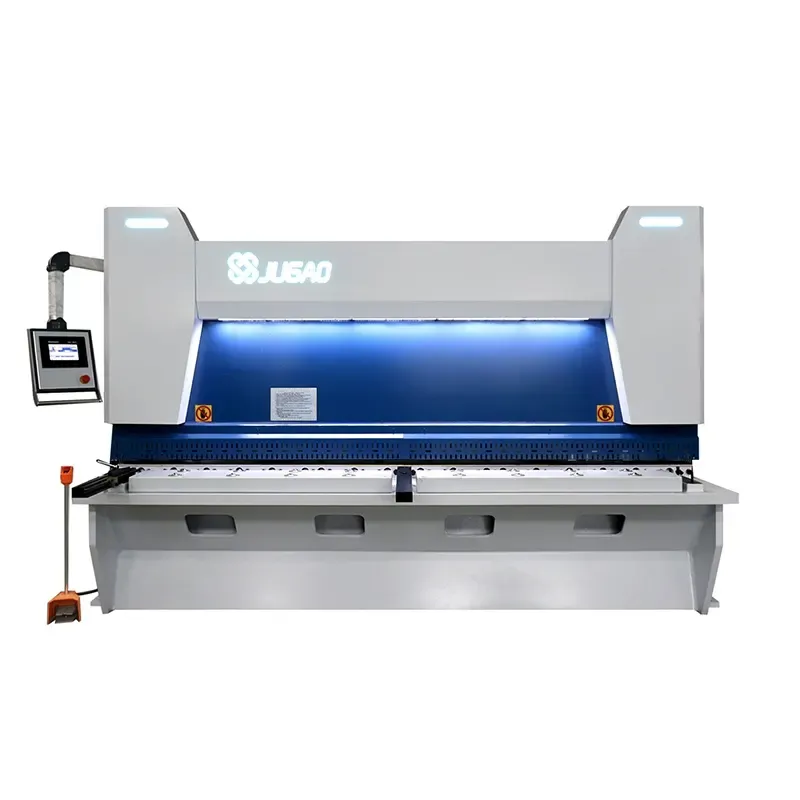
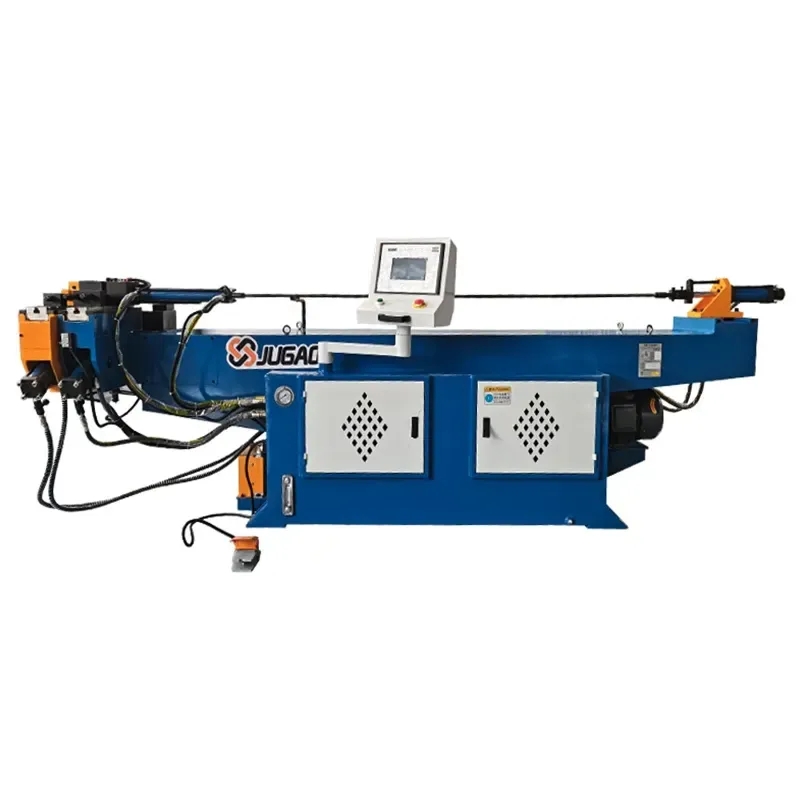
In addition to modern bending machines such as hydraulic bending machines, CNC bending machines, we also offer other machinery such as laser cutting machines, plate bending machines, tube bending machines, and more.
Please visit our bending machine product page for more information or visit our contact us page for detailed product and pricing information.
Contact Us