




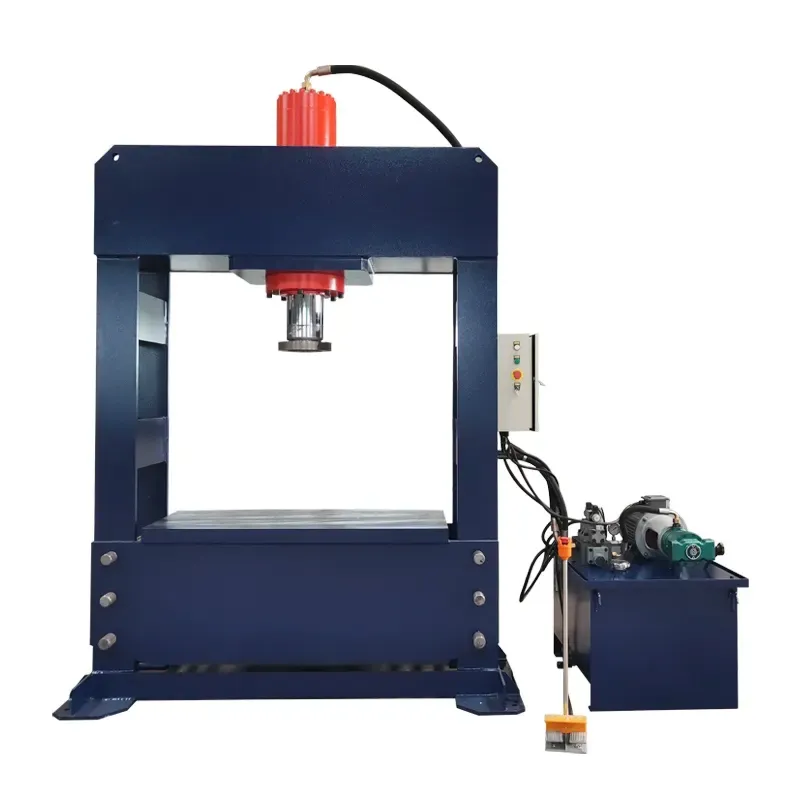
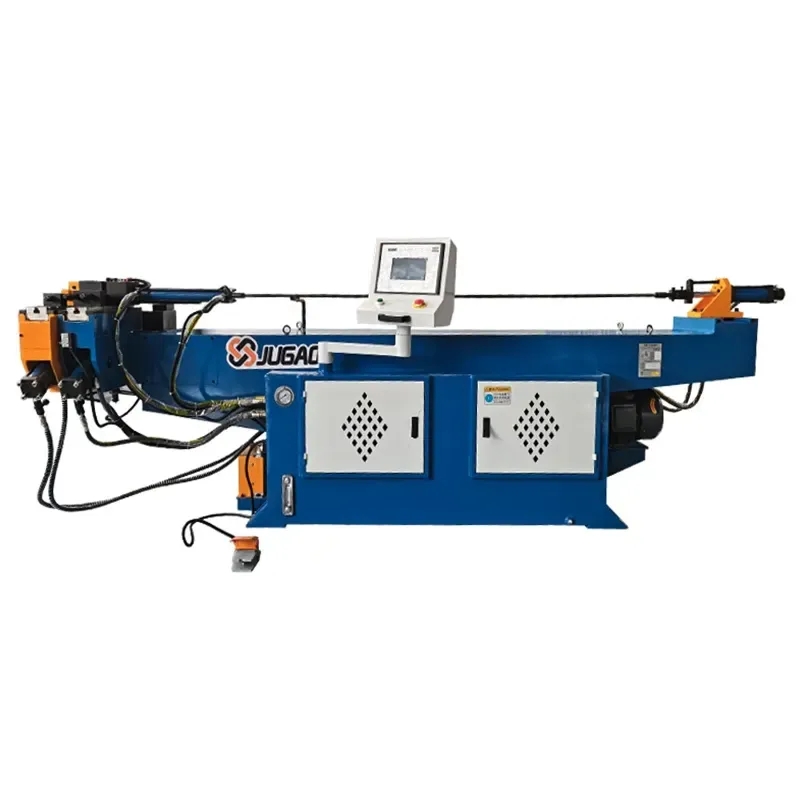
Why is the energy consumption of pipe bending machines so crucial to production?
2026-06-26

When it comes to the energy consumption of pipe bending machines, if you only see it as a number on your electricity bill, you're underestimating its importance. It's related to production costs, equipment condition, and even environmental compliance.
Many workshops only focus on machine speed and output, rarely considering this question: how much electricity is wasted just to get the pipe bending machine running? Especially with hydraulic press systems—once the pump station starts, the motor keeps running, and the oil keeps pumping, even when the machine is waiting to load or unload materials, energy is still being consumed.
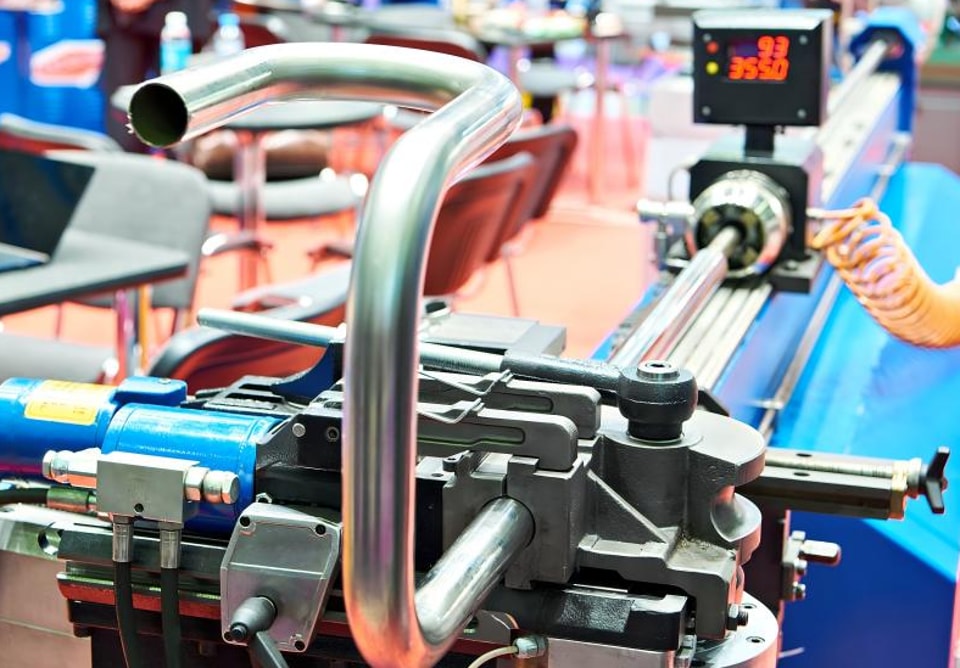
Energy consumption is a cost indicator and a barometer of equipment health.
Hydraulic pipe bending machines draw high current and generate significant heat under heavy loads. Prolonged high-load operation not only leads to rapid increases in electricity costs but also accelerates the aging of hydraulic oil. Higher oil temperatures shorten the lifespan of seals, increase the burden on the cooling system, and increase maintenance frequency. Wouldn't you call this a hidden cost of energy consumption?
Fully electric servo pipe bending machines are much better—the motor only runs when bending is needed, consuming virtually no power during standby. Although the machine is more expensive, the electricity savings can be recouped within one or two years. Do the math yourself; it's more convincing than any other parameter.
How to balance production rhythm and energy consumption?
Experienced workshops schedule large-volume pipe bending operations during off-peak electricity hours. For the workshop, this means lower electricity prices per unit; for the power grid, it means a more balanced power load. Another approach is to group jobs of similar specifications together, reducing frequent mold changes and repeated idle runs—every instance of less idle running translates into real energy savings.
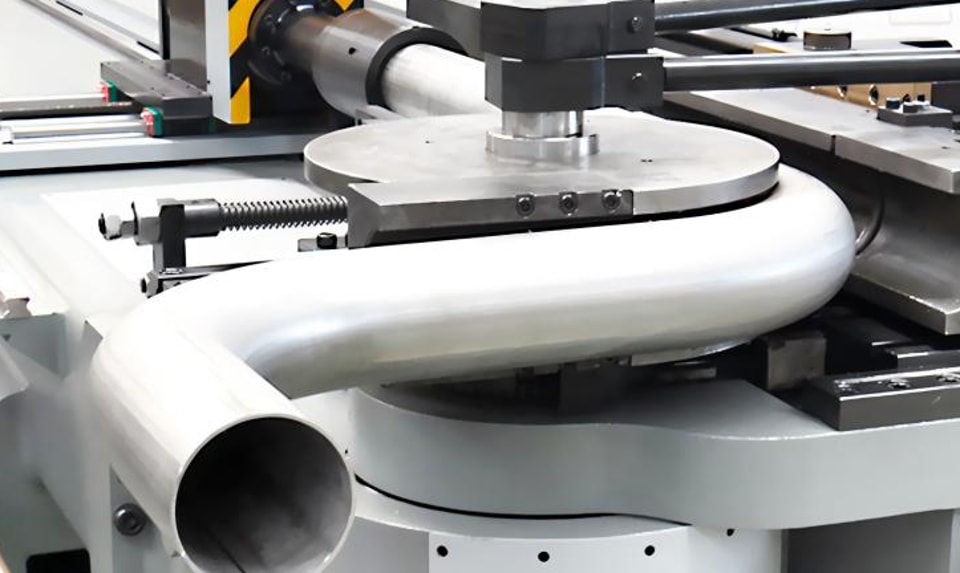
Proper maintenance naturally reduces energy consumption.
Over time, pipe bending machines suffer from poor guide rail lubrication, worn dies, and dirty hydraulic oil—all of which make the machine work more difficult. Pipes that could be bent with normal force now require more power. Regular oil changes, filter cleaning, and die calibration are minor maintenance tasks that cost far less in the long run than the increased electricity bills.
My advice:
When selecting equipment, don't just focus on the price of the machine. Compare the energy consumption data of different drive methods and calculate the electricity bill over three years; this will give you a clear picture. In daily management, incorporate energy consumption monitoring into production scheduling; concentrate production where necessary and stagger peak hours where appropriate. Don't wait until equipment breaks down to perform maintenance; change the oil when necessary and repair the mold when needed, ensuring the machine always operates under low-resistance conditions.

Ultimately, managing the energy consumption of pipe bending machines saves on electricity bills, stabilizes the equipment, and increases profits. What are the electricity costs for pipe bending machines in your workshop? Have you calculated the energy cost per unit? I welcome your feedback.
Contact Us