
The Evolution of Process Piping Installation: From On-Site Fabrication to CNC Precision Machining
2026-06-24

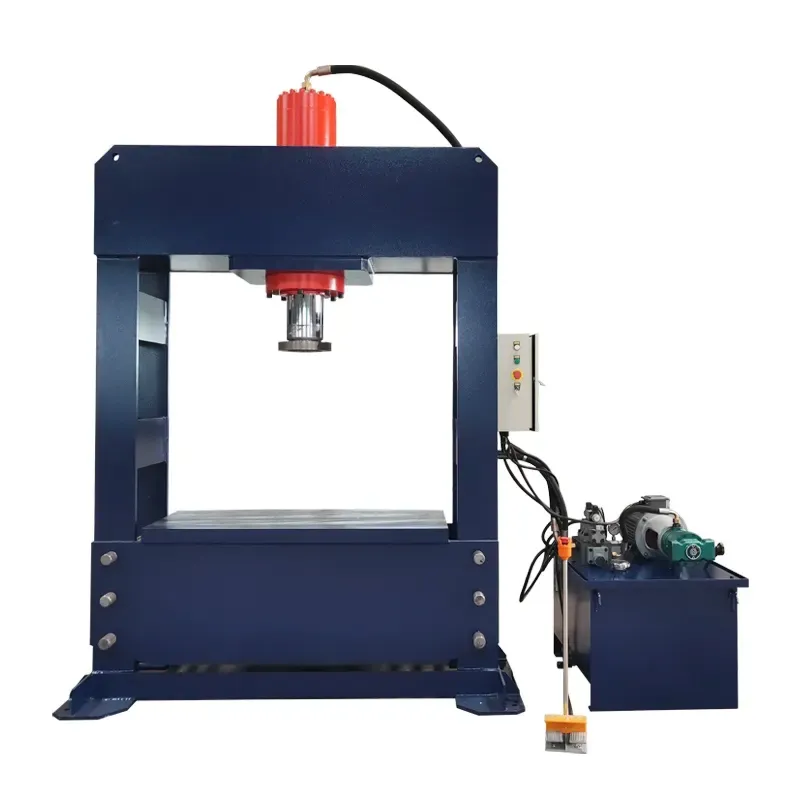
Have you ever thought about this? Installing process piping used to be like fighting a tough battle. Chemical plants, oil refineries, power plants—wherever there were pipelines, construction would start with sparks flying everywhere, pipes piled up like mountains, and welders, pipe fitters, and riveters working in swarms, like ants carrying food. The construction period was often six months to a year. How chaotic was the site? Sometimes even the blueprints didn't match the actual dimensions. If a pillar blocked the way, the routing had to be changed on the spot. Bending pipes relied entirely on the experienced craftsmen's feel; once the bend was done, it was considered good, and the rest was patched up with weld seams.
Step 1: Entirely On-Site Manual Construction – Hard Work
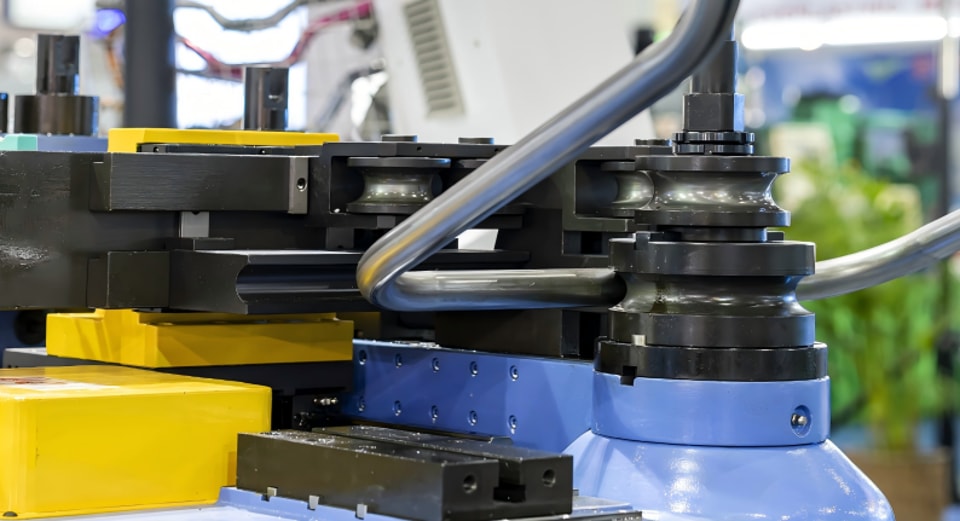
In the early years, process piping installation was entirely done on-site. Pipes, elbows, flanges, and supports were all brought to the construction site, and workers measured, cut, bent, and welded on-site. Bending relied on the experienced craftsmen's feel; once the bend was roughly right, the rest was patched up with weld seams. If a pillar blocked the way, the routing had to be changed on-site, affecting everything else – a single change had far-reaching consequences.
This method had many problems. Quality varied greatly depending on the craftsman; the work of an experienced craftsman and an apprentice were completely different; the construction period often lasted six months to a year, with no one knowing when it would be completed; the as-built drawings didn't match the actual site, and later maintenance personnel couldn't even figure out the pipe routing.
Step 2 : CAD Modeling – Finally, the Drawings Are Understandable
With the widespread adoption of CAD, things have improved significantly. Engineers can create the entire piping system on their computers, clearly seeing how the pipes run, whether they collide with the structure, and whether they conflict with other disciplines. Collision detection is done in advance, and the manufacturing drawings are standardized, with dimensions clearly marked, and the angles and directions of bends are immediately apparent.
However, CAD only solves the planning and design problems; the manufacturing method itself remains unchanged. When the pipes arrive on site, manual bending and welding still occur. It's just that before it was "thinking and doing," now at least we can work according to precise drawings, improving efficiency, but not to a qualitative leap.
Step 3: CNC Prefabrication – A Truly Dramatic Transformation
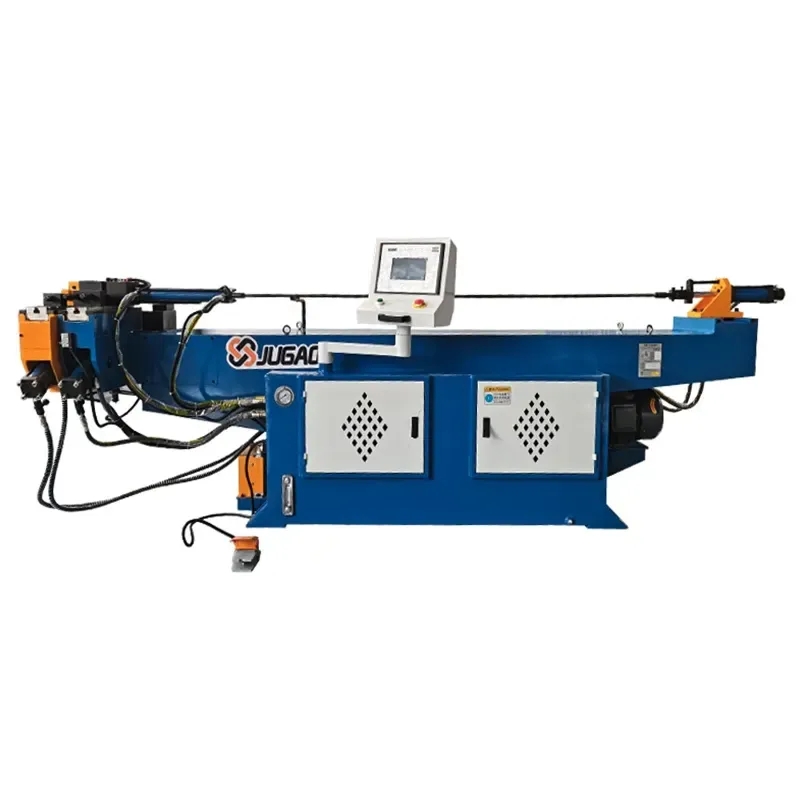
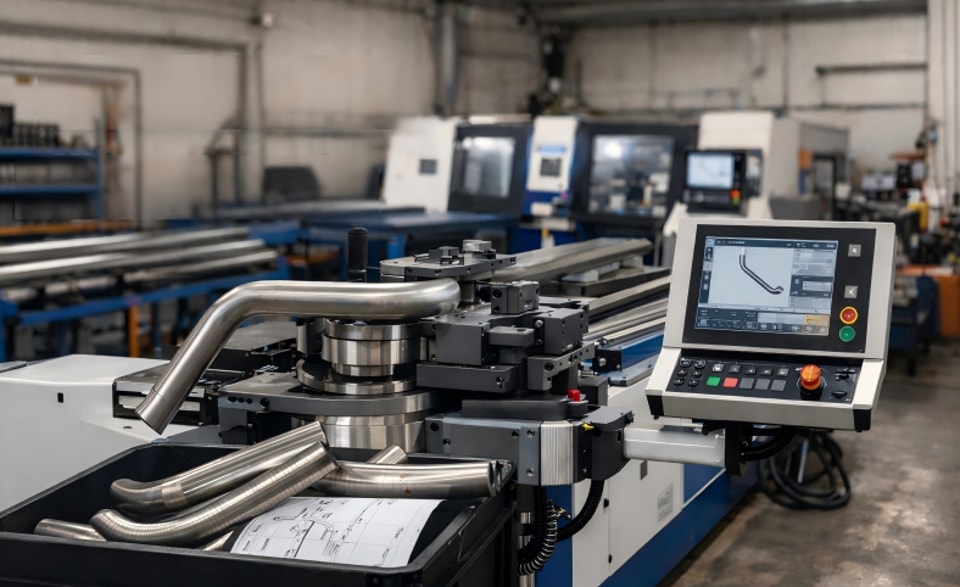
After the CAD model is built, the data is directly imported into the CNC pipe bending and cutting machines, which automatically complete the bending and cutting. The precision is millimeter-level, consistent even after hundreds of repetitions – a level of precision unmatched by manual methods. More importantly, the entire component is prefabricated in the workshop; on-site installation only requires hoisting and welding of a few key interfaces.
Take a refining project as an example: using this method, the construction period was reduced to 40% of the original time. Fewer on-site workers, less overlapping work, fewer safety hazards, and a dramatic improvement in quality consistency. Previously, quality control relied on human supervision and inspection; now, machines produce (qualified/acceptable) results. The as-built documentation is also impressive, with numerical records of every pipe's specifications, angles, and materials. Future maintenance can be performed directly from this data, eliminating the need for repeated on-site measurements.

Looking back, each of these three changes was more significant than the last. The current approach involves CAD modeling, CNC prefabrication, and on-site assembly—these three stages are seamlessly integrated, resulting in high scores in terms of schedule, cost, and quality. In my opinion, if we were to use methods from twenty years ago to do today's projects, we wouldn't be upholding tradition; we'd be making things difficult for ourselves. What do you think?
Contact Us