
How to Realize the Integrated Connection Between Laser Cutting CNC and Other Equipment
2026-06-15

Table of Contents
1. Advantages of Integrating Laser Cutting CNC Systems
2. The Significance of System Integration
3. Core Objectives of Integration Work
4. Step-by-Step Implementation Plan for Laser Cutting CNC Integration
5. Pre-Integration Preparation Work
6. Software Configuration for Smooth System Connection
7. Solutions to Common Integration Faults
8. Signal Interference Between Devices
9. Software Incompatibility Problems
10. Equipment Response Delay Issues
11. Frequently Asked Questions
12. Summary
In modern manufacturing production, connecting laser cutting CNC devices with other production equipment has become an indispensable part of production upgrading. This integrated mode can fully tap production potential and simplify the overall operating procedures. If you are troubled by the connection problems between laser cutting machines and supporting CNC equipment such as robotic arms and material conveying devices, this complete guide will provide you with a set of executable operation procedures. The article sorts out practical operation methods, analyzes typical faults encountered in the connection process, and gives targeted solutions. Whether you plan to upgrade the existing production line or build a brand-new equipment system from scratch, you can learn how to improve equipment compatibility, cut down production standby time and raise the overall operational efficiency through the content below.
Advantages of Integrating Laser Cutting CNC Systems
The Significance of System Integration
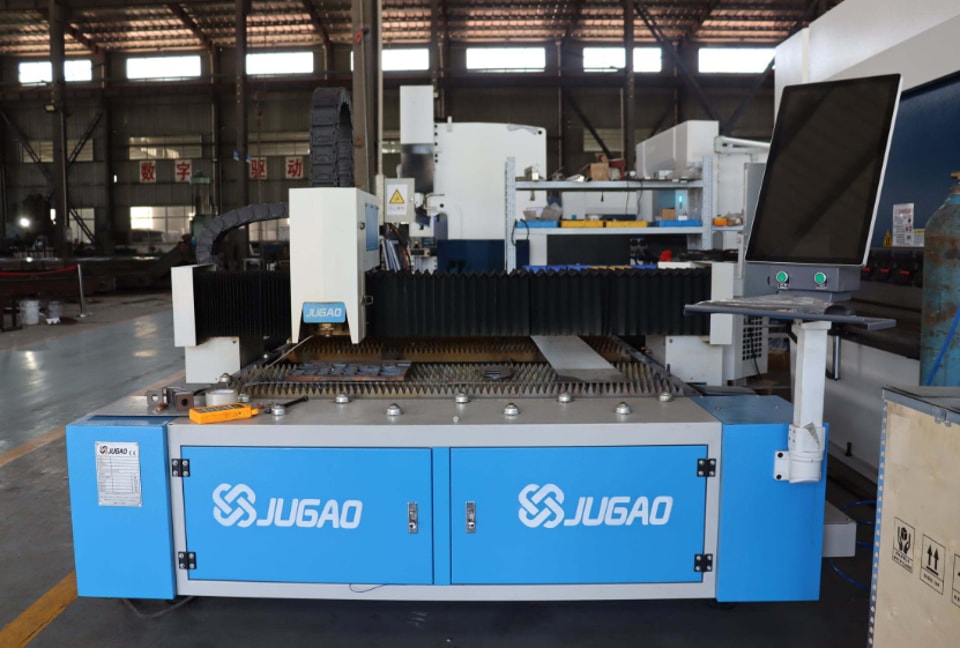
When laser cutting CNC equipment is linked with other production machines, the whole production process can realize automatic operation, which greatly cuts down manual operation links and further improves processing accuracy. The integrated system supports real-time data interaction among all devices, which not only reduces operational errors effectively but also shortens the whole production cycle.
Core Objectives of Integration Work
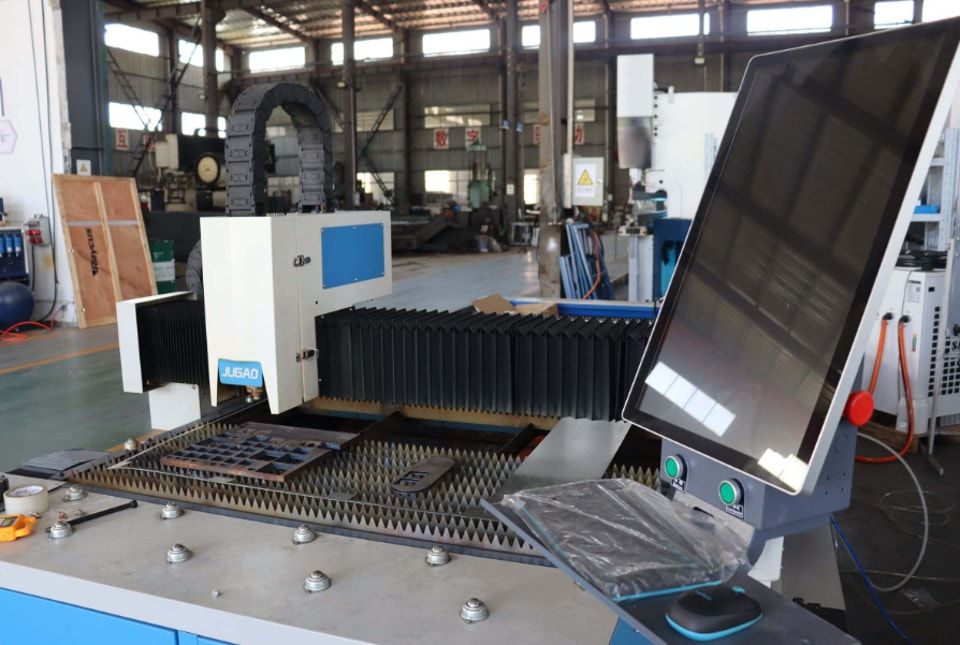
• Automatic Material Handling: Link laser cutting equipment with automatic loading robots to realize uninterrupted continuous production.
• Centralized Software Management: Control multiple sets of CNC equipment through one unified operation interface.
• Energy Saving and Cost Reduction: Remove redundant operation links in the production process to realize rational utilization of resources.
Step-by-Step Implementation Plan for Laser Cutting CNC Integration
Pre-Integration Preparation Work
Evaluate Equipment Compatibility
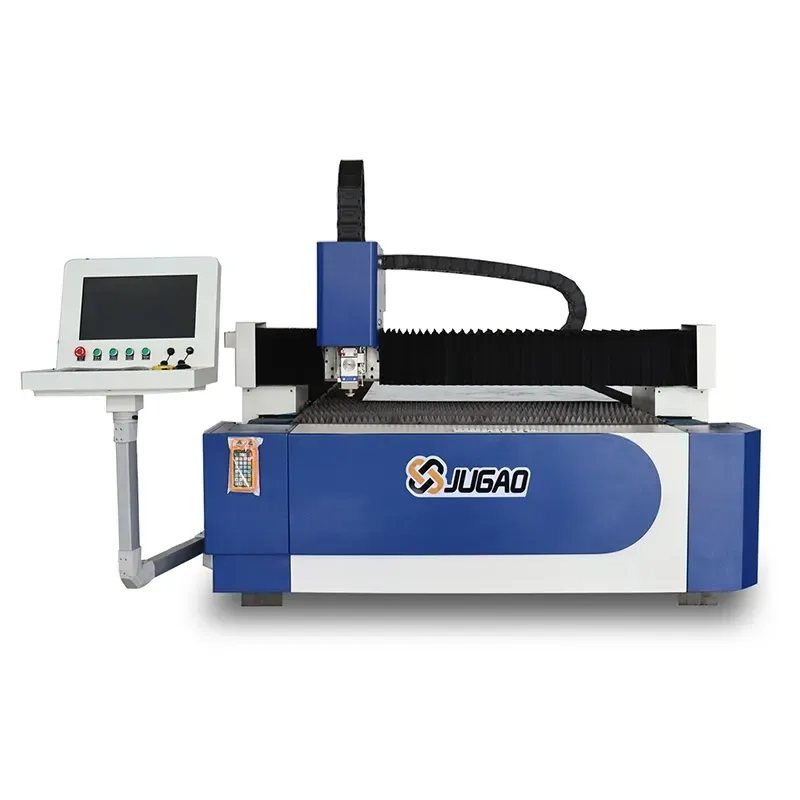
First, check whether the control system of the laser cutting machine can match third-party peripheral equipment. You need to confirm the matching degree between the exclusive CNC control software (such as JUGAO’s HLC system) and other devices. Meanwhile, verify communication protocols including Ethernet/IP and Modbus to ensure they conform to the operating standards of the rest CNC equipment.
Select Appropriate Communication Interfaces
Most laser CNC devices adopt common connection interfaces such as RS-232, USB and Ethernet. For production lines with high operation requirements, it is recommended to adopt industrial-grade communication protocols like OPC UA to guarantee stable data transmission between various machines.
Upgrade Firmware and Application Software
Outdated device firmware is a major cause of connection failure. Please download and install the latest firmware and software updates released by the laser cutting machine manufacturer, and confirm that the CNC controller can run the latest application programming interfaces normally.
Software Configuration for Smooth System Connection
Realize Centralized Control via CAM Software
Use professional CAM design software such as AutoCAD and SolidWorks to generate G codes applicable to both laser cutting machines and supporting CNC equipment. Configure universal post-processing programs to avoid code syntax conflicts during equipment operation.
Build a Real-Time Data Monitoring System
Equip the production line with IoT sensing devices and SCADA monitoring systems to keep track of equipment operating status, timely find abnormal conditions and realize automatic parameter adjustment. For instance, match the running speed of the laser cutting machine with the conveying speed of the material conveyor belt.
Use Simulation Tools to Test Connectivity
Carry out simulation tests to find out potential communication faults in advance. Professional simulation tools including FANUC ROBOGUIDE and Siemens NX CAM can simulate the actual production environment, so as to complete equipment debugging before formal put-into-use.
Solutions to Common Integration Faults
Signal Interference Between Devices
The electrical signals generated by surrounding CNC equipment are likely to interfere with the normal signal transmission of laser cutting machines. It is suggested to wrap protective shielding layers for connecting cables, do a good job in equipment grounding treatment, and adopt optical fiber communication mode for key data transmission links.
Software Incompatibility Problems
If the system pops up an axis mismatch prompt when running G codes, adjust the rotating axis parameters in the laser CNC software in time, and repeatedly check the coordinate system settings, including absolute coordinates and incremental coordinate modes.
Equipment Response Delay Issues
The slow data interaction between devices is generally caused by network congestion. You can set network service quality priorities or build an independent industrial dedicated network to optimize data transmission efficiency.
Frequently Asked Questions
Can old laser cutting machines be connected with new CNC equipment?
It is feasible to complete the matching connection. You can use protocol converters or intermediate software tools (such as Moxa MGate) to realize the data docking between old equipment systems and new CNC controllers.
What necessary tools are required for laser cutting CNC integration?
The whole work needs the support of unified management software, cables matching communication protocols, IoT sensors and professional simulation debugging tools.
How to judge whether the equipment integration is successful?
Arrange joint operation tests for laser cutting machines and supporting CNC equipment, such as completing automatic cutting and automatic material transmission work. Meanwhile, check the system error log and record the production cycle data for comprehensive judgment.
Summary
The successful integration of laser cutting CNC equipment and other production machines relies on sufficient early planning, matched auxiliary tools and comprehensive commissioning tests. Following the above procedures from compatibility evaluation to fault troubleshooting, you can build a coordinated and linked equipment system. This mode will help enterprises increase production capacity and reduce operating costs. To gain advantages in the fierce manufacturing industry competition, you may start optimizing the operation flow of laser cutting production lines right now.
Contact Us