
How Laser Cutting Machine Precision Determines Finished Product Quality
2026-06-15

Table of Contents
1. An Overview of Laser Cutting Machine Precision
2. Core Factors Impacting Laser Cutting Accuracy
2.1 Laser Output and Beam Focus State
2.2 Material Category and Plate Thickness
2.3 Equipment Calibration and Daily Upkeep
2.4 Cutting Velocity and Auxiliary Gas Pressure
3. The Correlation Between Cutting Precision and Product Quality
3.1 Smooth Cutting Surfaces and Simplified Secondary Processing
3.2 Lower Material Loss and Cost Savings
3.3 Better Assembly Performance and Longer Service Life of Products
3.4 Superior Visual Presentation of Final Goods
4. Frequently Asked Questions
5. Summary
In the modern metal processing sector, the precision level of laser cutting equipment stands as a core standard for producing dimensionally accurate workpieces. Many practitioners wonder how this technical indicator shapes the overall cutting effect and product quality. This article will elaborate on the connection between laser cutting precision, cutting results and operational efficiency in detail. Whether you are a novice in the laser processing field or aiming to optimize existing production workflows, this practical guide will deliver useful references to help you obtain ideal processing outcomes.
An Overview of Laser Cutting Machine Precision
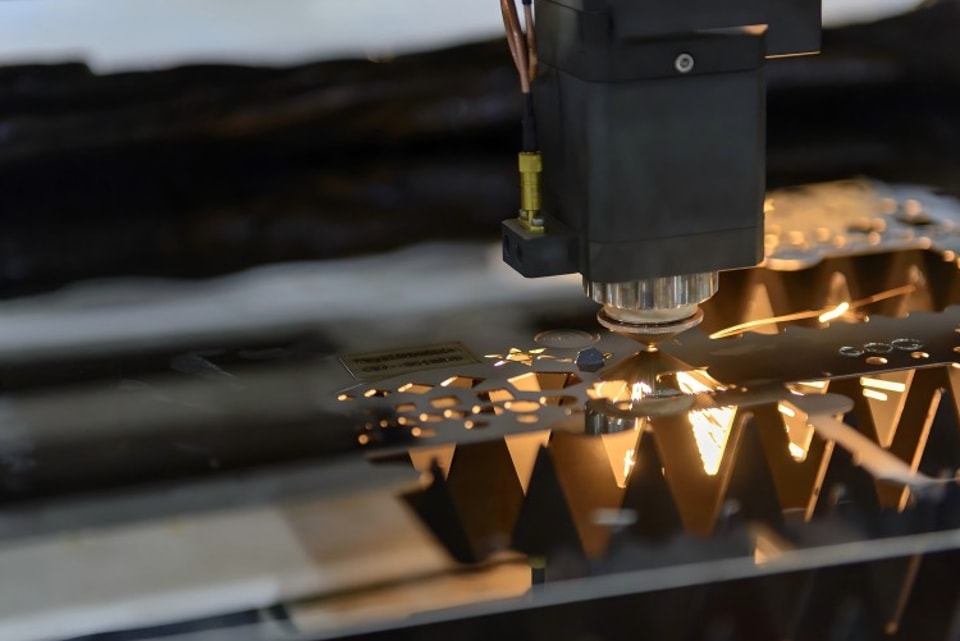
Laser cutting precision refers to the stable capability of a cutting device to produce workpieces fully compliant with pre-set digital parameters. It reflects the positioning accuracy of the laser beam and directly decides the overall finish of cutting sections. Generally speaking, higher precision delivers neater cuts and more intricate detailing, which fundamentally elevates product quality. This performance index is affected by multiple variables, including equipment structural design, laser output power and the properties of processed raw materials.
Core Factors Impacting Laser Cutting Accuracy
1. Laser Output and Beam Focus State
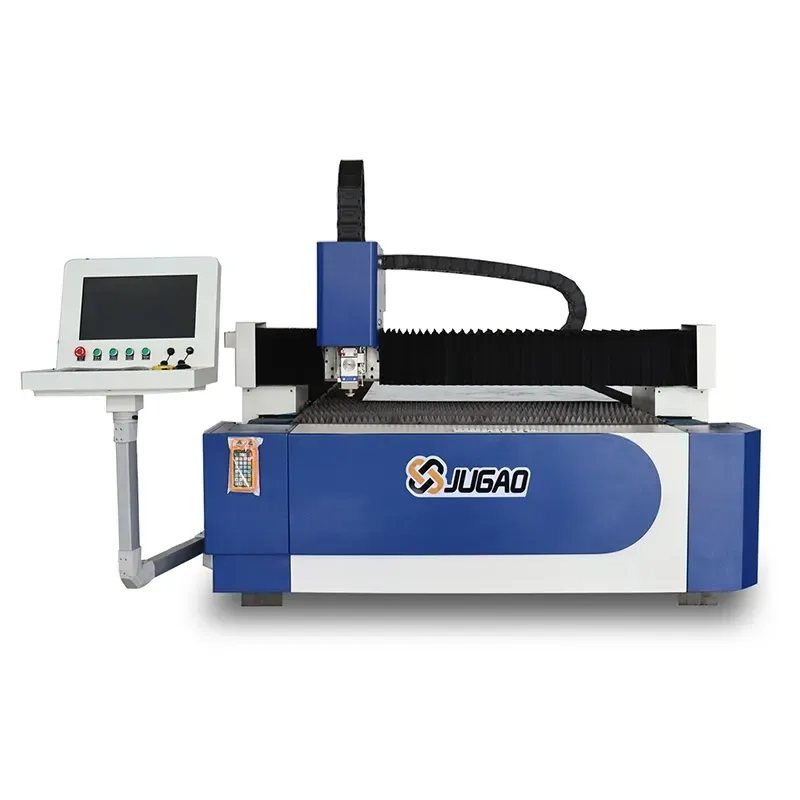
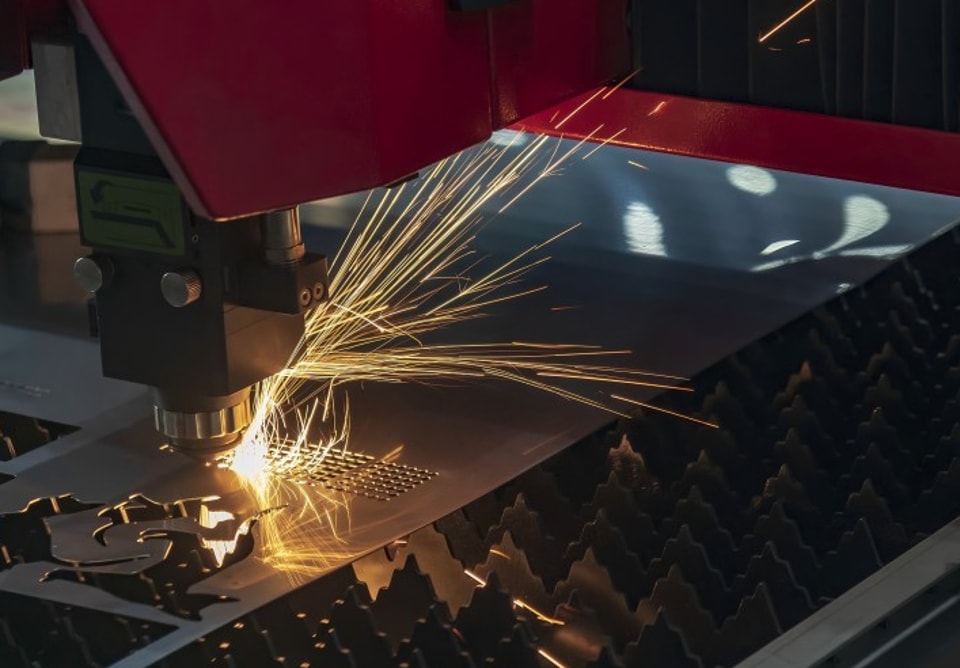
Laser power and beam focusing effect are two dominant elements governing cutting precision. A finely focused laser beam acts on the designated processing area steadily, with nearly no positional deviation during cutting. Laser devices with higher power usually perform better in precision control, especially when handling thick workpieces. Meanwhile, professional beam calibration is indispensable, which can effectively avoid excessive heat accumulation and edge scorching on processed materials.
2. Material Category and Plate Thickness
The physical traits and thickness of raw materials also exert a notable influence on cutting accuracy. Thick plates require lasers with greater power and a slower cutting pace. Without reasonable parameter adjustment, the dimensional accuracy of finished parts will be compromised. Taking stainless steel as an example, its unique heat absorption characteristics demand targeted modification of laser operating parameters; otherwise, the overall cutting precision will decline obviously.
3. Equipment Calibration and Daily Upkeep
Regular calibration is a basic guarantee to keep laser cutting machines operating with high precision. Routine maintenance work covers checking the alignment of laser heads, cleaning optical lenses and keeping the cutting platform horizontal. Once the equipment is neglected for a long time, component misalignment will occur, leading to inconsistent cutting effects and substandard product quality.
4. Cutting Velocity and Auxiliary Gas Pressure
The moving speed of the laser head during operation, along with the type and pressure of auxiliary gas, also plays a key role in controlling cutting accuracy. A moderate reduction in cutting speed helps boost processing precision. However, abnormal gas pressure — either too high or too low — will trigger uneven cutting traces, surface burns and rough section surfaces. Only by matching proper running speed with suitable gas pressure can we minimize workpiece deformation and secure high-standard cutting results.
The Correlation Between Cutting Precision and Product Quality
1. Smooth Cutting Surfaces and Simplified Secondary Processing
The most prominent advantage of high-precision laser cutting is creating smooth cutting sections with tiny surface roughness. This greatly cuts down the workload of secondary processing and saves both labor time and production costs. Products processed with high-precision equipment often have smooth edges that require no extra polishing or grinding. This advantage is particularly valuable for industries with strict tolerance requirements, such as aerospace manufacturing and automobile production.
2. Lower Material Loss and Cost Savings
High-precision cutting can narrow the kerf width to the minimum, which means less raw material is consumed during processing. This advantage is prominent in mass production or when using high-value raw materials. Accurate cutting maximizes the utilization rate of materials, curbs unnecessary waste and effectively reduces the comprehensive production cost of enterprises.
3. Better Assembly Performance and Longer Service Life of Products
In metal fabrication and related industries, precise cuts enable parts and components to fit together perfectly. Workpieces with tighter dimensional tolerances ensure seamless assembly, and further strengthen the structural stability and durability of finished products. This is especially critical for parts that need subsequent assembly or welding. Even minor dimensional errors in cutting may cause part dislocation and weaken the firmness of connecting joints.
4. Superior Visual Presentation of Final Goods
For products that attach great importance to exterior design, such as commercial signs, art decorations and custom patterned crafts, high-precision laser cutting can create crisp lines and neat edges. It optimizes the visual effect of products and meets the strict aesthetic standards of design, retail and other downstream industries.
Frequently Asked Questions
Q1: What factors will affect the working precision of a laser cutting machine?
A1: Multiple elements including laser power, beam focusing effect, material properties, equipment calibration status, cutting speed and auxiliary gas pressure will influence cutting precision. Timely maintenance and professional calibration are essential to maintain the equipment’s optimal accuracy.
Q2: What methods can improve the precision of a laser cutting machine?
A2: It is advised to calibrate the equipment on a regular basis, select matched laser power according to material features, and keep the cutting platform level. Besides, daily inspection and maintenance of core parts like laser heads and optical lenses can prevent performance degradation caused by component aging.
Q3: What core advantages does high-precision laser cutting bring?
A3: High-precision processing brings smooth cutting surfaces, reduced material waste, improved assembly precision and durability of parts, as well as better-looking finished products. Meanwhile, it lessens the procedures of secondary processing, helping enterprises save time and operating expenses.
Summary
Laser cutting precision is the cornerstone for manufacturers to produce high-quality workpieces and satisfy the diverse demands of modern manufacturing. Having a clear understanding of all factors affecting cutting accuracy and sticking to standardized equipment maintenance can comprehensively improve processing quality and production efficiency. If you plan to upgrade your laser cutting equipment or require professional technical support, feel free to contact the JUGAO team for one-on-one professional guidance and solutions.
Contact Us