
How to Prolong the Service Life of Laser Cutting Equipment
2026-06-24

Table of Contents
1. Daily & Weekly Maintenance Guidelines
2. Regular Cleaning for Optical Components
3. Inspection and Replacement of Cutting Nozzles
4. Lubrication Treatment for Movable Components
5. Monthly & Quarterly Systematic Maintenance Procedures
6. Laser Light Path Calibration and Beam Position Correction
7. Examination and Cleaning of Cooling Circulation Systems
8. Upgrade of Control Software and Firmware
9. Standard Operation Specifications to Reduce Equipment Abrasion
10. Matching Cutting Process Parameters
11. Prohibit Excessive Load on Processing Workbench
12. Timely Response to Equipment Alarm Reminders and Fault Codes
13. Frequently Asked Questions
○ What is the recommended maintenance cycle for laser cutting equipment?
○ Which factors lead to most equipment breakdown incidents?
○ Will inferior raw materials shorten the service life of cutting machines?
○ Is it necessary to power down idle laser cutting equipment?
14. Final Summary
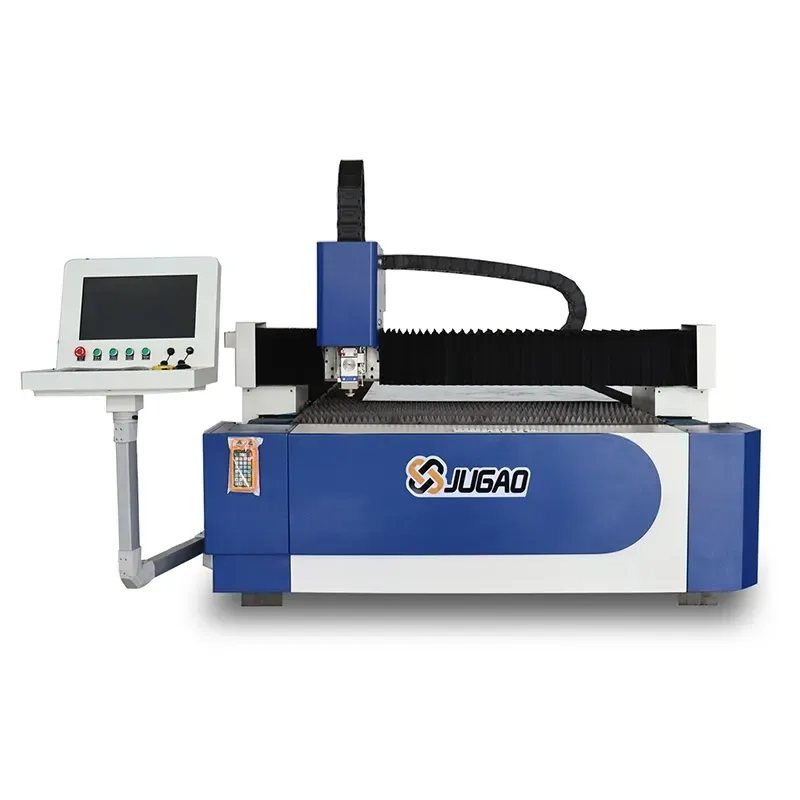
If you are seeking feasible methods to prolong the service life of laser cutting equipment, this professional guide will fully meet your demands. Extending the service cycle of cutting devices is not merely an economical choice for factory operation; it also guarantees stable cutting precision, lowers unexpected production halt risks, and maintains long-term operational efficiency. This manual sorts out actionable maintenance plans and professional operation suggestions, applicable to small processing workshops and large-scale manufacturing factories alike. Following these operational norms can help your laser cutting equipment maintain stable peak performance for years.
Daily & Weekly Maintenance Guidelines
Regular Cleaning for Optical Components
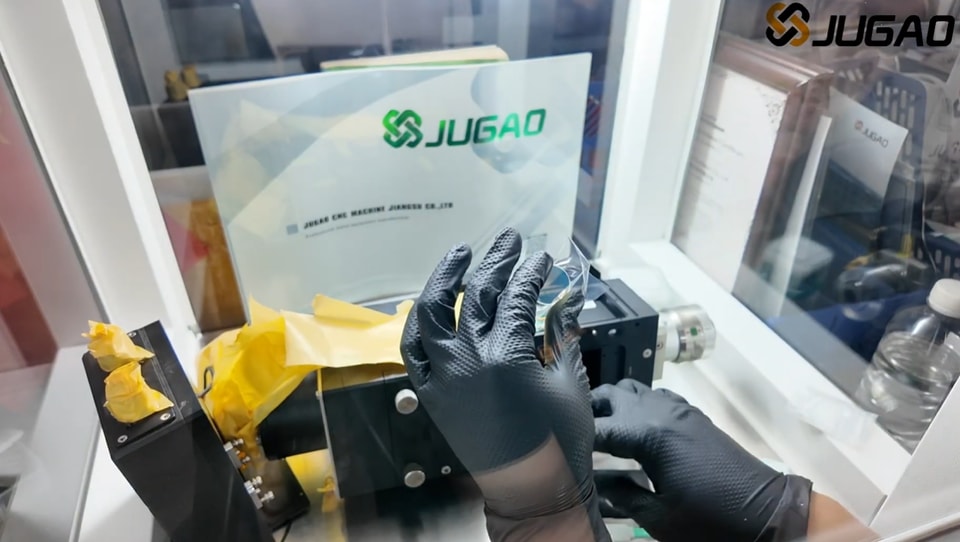
Clean optical accessories is one of the core measures to delay equipment aging. Dust, metal spatter and debris attached to lenses and reflectors will cause laser energy loss and local overheating. Special professional lens cleaning kits must be adopted for cleaning; rough cloth, paper towels or direct finger contact are strictly forbidden. Clean optical parts can stabilize cutting effects and effectively reduce the loss of laser generators.
Inspection and Replacement of Cutting Nozzles
Cutting nozzles bear high-frequency abrasion during processing and tend to wear out rapidly. Deformed or blocked nozzles will trigger unstable cutting trajectories, massive molten metal spatter, and even irreversible damage to the cutting head assembly. It is advised to conduct a full inspection of nozzle status every week and replace damaged parts promptly. The low cost of nozzle replacement can effectively avoid costly major equipment failures.
Lubrication Treatment for Movable Components
Sufficient lubrication for guide rails, linear bearings and all sliding movable parts can lower friction resistance and slow down component abrasion. For general production environments, lubricant filling should be carried out every 200 to 300 working hours; if the workshop is filled with heavy dust, the lubrication cycle needs to be shortened. Meanwhile, operators must refer to the official manufacturer’s specifications to select matched lubricating oil and abide by the designated maintenance intervals.
Monthly & Quarterly Systematic Maintenance Procedures
Laser Light Path Calibration and Beam Position Correction
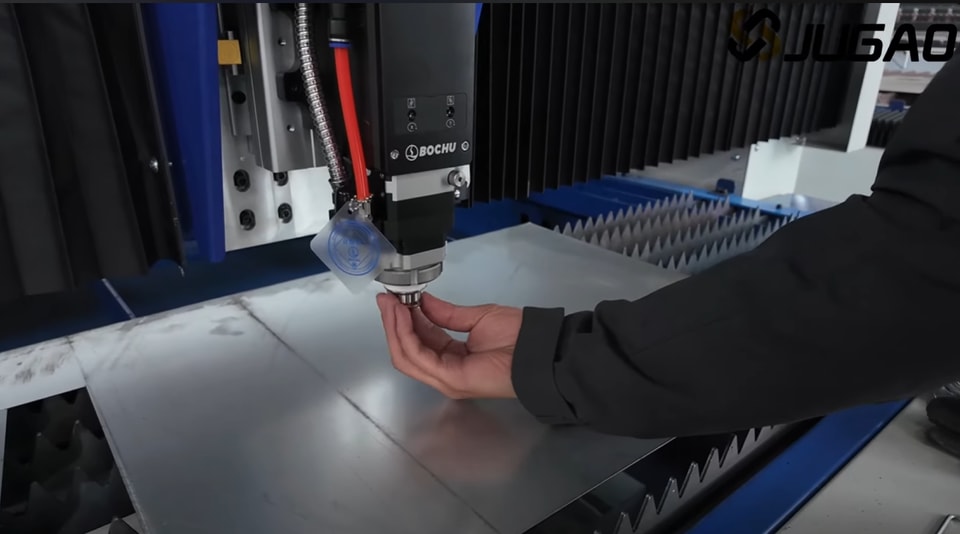
Long-term equipment vibration and thermal expansion will gradually offset the laser beam position. Once cutting outlines lose precision or present uneven edges, light path calibration becomes a necessity. For equipment with high daily operation intensity, beam alignment calibration should be implemented every 1 to 3 months.
Examination and Cleaning of Cooling Circulation Systems
The majority of laser cutting devices adopt water circulation cooling systems to stabilize the operating temperature of laser generators. Operators need to regularly check coolant liquid level, circulation flow rate and liquid cleanliness. If the coolant turns turbid or discolored, full liquid replacement should be completed immediately. Regularly cleaning cooling water tanks and built-in filters can prevent overheating faults, which are a major factor that drastically shortens the service life of laser cutting equipment.
Upgrade of Control Software and Firmware
Timely update the machine’s control program and underlying firmware. Equipment manufacturers will continuously release upgraded versions to optimize cutting precision, enhance overall system stability and perfect safety protection functions. Maintaining the latest software version can guarantee coordinated operation of all internal hardware modules and reduce unnecessary component loss.
Standard Operation Specifications to Reduce Equipment Abrasion
Matching Cutting Process Parameters
Blindly boosting cutting power or adjusting cutting speed beyond standard ranges will accelerate the aging of core components. Process parameters need to be tested and optimized according to different processing materials. For instance, cutting thick stainless steel with maximum power while failing to configure appropriate auxiliary gas flow will scratch optical parts and damage the cutting workbench.
Prohibit Excessive Load on Processing Workbench
Overweight raw materials or unevenly placed workpieces will deform the cutting platform and disrupt the calibrated horizontal datum of the whole machine. Before placing thick plates such as carbon steel, evenly distribute material weight and check the horizontal balance of the workbench to avoid platform bending and calibration deviation.
Timely Response to Equipment Alarm Reminders and Fault Codes
Modern laser cutting machines are equipped with intelligent fault detection systems that send out warning signals before potential malfunctions. Do not ignore any alarm prompts or fault codes; record specific fault information and troubleshoot immediately. This proactive maintenance mode can prevent minor abnormal conditions from evolving into serious shutdown failures.
Frequently Asked Questions
What is the recommended maintenance cycle for laser cutting equipment?
To keep the equipment in optimal working condition, basic routine maintenance should be performed weekly, and comprehensive full inspection maintenance is required every three months. Factories with round-the-clock high-load production need to shorten each maintenance cycle appropriately.
Which factors lead to most equipment breakdown incidents?
Excessive operating temperature and insufficient regular cleaning are the two dominant causes of equipment failure. Both problems can be avoided through standardized daily maintenance and regular inspection of cooling circulation systems.
Will inferior raw materials shorten the service life of cutting machines?
Absolutely yes. Low-quality metal raw materials contain numerous impurities, which will generate excessive molten slag and metal spatter during cutting, scratching optical lenses and blocking cutting nozzles. It is recommended to select clean, high-standard raw materials for processing.
Is it necessary to power down idle laser cutting equipment?
It is strongly recommended to shut down the entire machine when processing work is suspended. Power-off standby can not only save production electricity costs, but also eliminate continuous abrasion of electronic modules and optical components caused by long-term standby operation.
Final Summary
Standardized daily maintenance is the fundamental approach to extend the service life of laser cutting equipment. A full set of maintenance workflows including optical component cleaning, laser light path calibration, cooling system upkeep, matching cutting parameters and alarm fault disposal all contribute to delayed equipment aging and stable operating efficiency. Forming standardized maintenance habits can effectively prolong equipment service cycles, while improving cutting yield and overall production efficiency. If you require more targeted operation guidance or one-on-one technical support, you can reach out to the professional service team of JUGAO or browse our complete technical document library for detailed information.
Contact Us