
How to Optimize Laser Cutting Process Parameters
2026-06-24

Table of Contents
• Core Laser Cutting Parameter Analysis
• Laser Power Configuration Methods
• Cutting Speed Matching Regulation
• Pulse Frequency Parameter Matching
• Laser Focus Position Calibration
• Complete Optimization Operation Steps for Laser Cutting Parameters
○ Step 1: Match Material Base Parameters
○ Step 2: Perform Sample Cutting Verification
○ Step 3: Inspect Cutting Effect and Modify Parameters
○ Step 4: Archive Mature Parameter Schemes
• Typical Laser Cutting Defects & Troubleshooting Solutions
○ Defect 1: Cutting Edge Burr Residue
○ Defect 2: Coarse and Uneven Cutting Surface
○ Defect 3: Overly Large Heat-Affected Area
• FAQ
○ Q1: What is the fast way to confirm matched laser cutting parameters?
○ Q2: Which frequency range fits stainless steel cutting processing?
○ Q3: What is the proper cycle for laser cutting machine recalibration?
• Summary
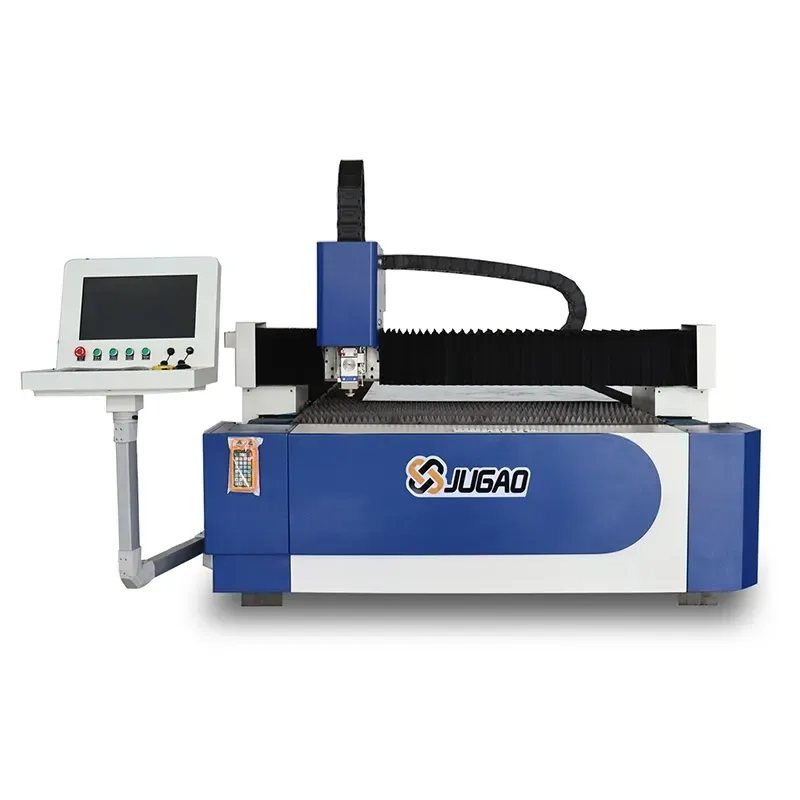
When running laser cutting equipment, fine-tuning various process parameters is the core premise to acquire high-precision cutting outlines, raise workshop processing efficiency and prolong the service life of mechanical equipment. If you intend to upgrade your laser cutting finished product quality, this professional operation guide will fully meet your demands. This passage will sort out four core adjustable factors including laser output power, processing speed, pulse frequency and beam focus position with detailed operation logic. Whether you are a new operator or pursuing top-level cutting precision, this tutorial supplies operable practical methods to lift your production efficiency and surface processing quality.
Core Laser Cutting Parameter Analysis
Laser Power Configuration Methods
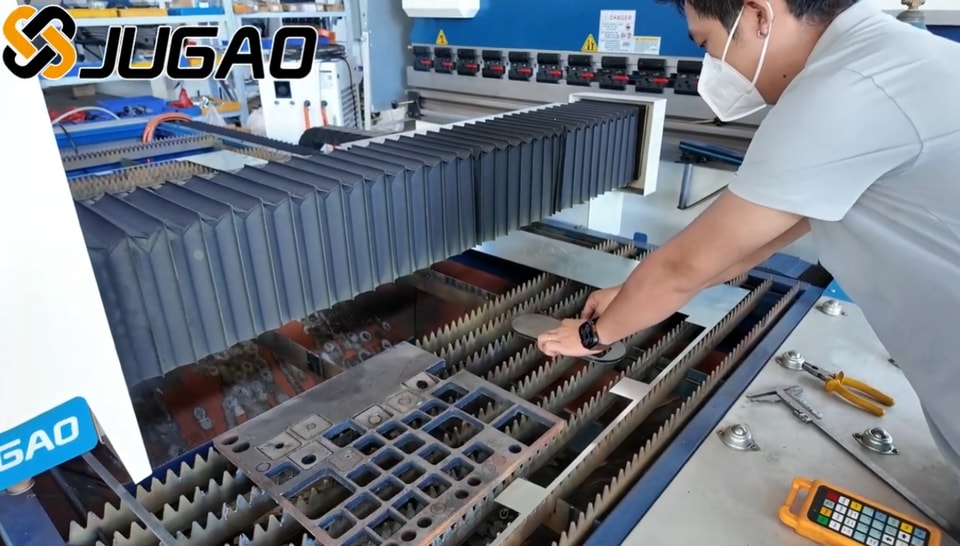
Setting matched laser output power acts as the primary step of parameter debugging. Excessively high power will trigger severe material melting, uneven cutting lines or plate deformation. On the contrary, insufficient laser energy leads to incomplete penetration and inferior surface finish. It is suggested that operators take the official parameter reference table issued by JUGAO as the baseline, then slightly raise or lower power values step by step to lock the optimal power matching different raw materials and plate thicknesses.
Cutting Speed Matching Regulation
Processing speed is another decisive factor affecting laser cutting performance. Higher movement speed can shorten single-piece processing time and boost overall output, yet it easily causes fuzzy cutting contours and reduces dimensional precision. Reducing the cutting speed helps polish the cutting surface, but it will drag down production capacity. Operators need to carry out multiple groups of comparative cutting tests to find the balanced speed value that balances processing quality and production efficiency.
Pulse Frequency Parameter Matching
Pulse frequency exerts a prominent influence on metal and high-reflective material cutting. Higher frequency values can generate smoother cutting side walls, yet they release more thermal energy during processing, which demands matched auxiliary cooling equipment to avoid thermal deformation. Lower frequency settings cut down heat accumulation, but the finished edge will appear rough and uneven. Operators should test different frequency gradients and observe surface smoothness to confirm the most suitable frequency configuration.
Laser Focus Position Calibration
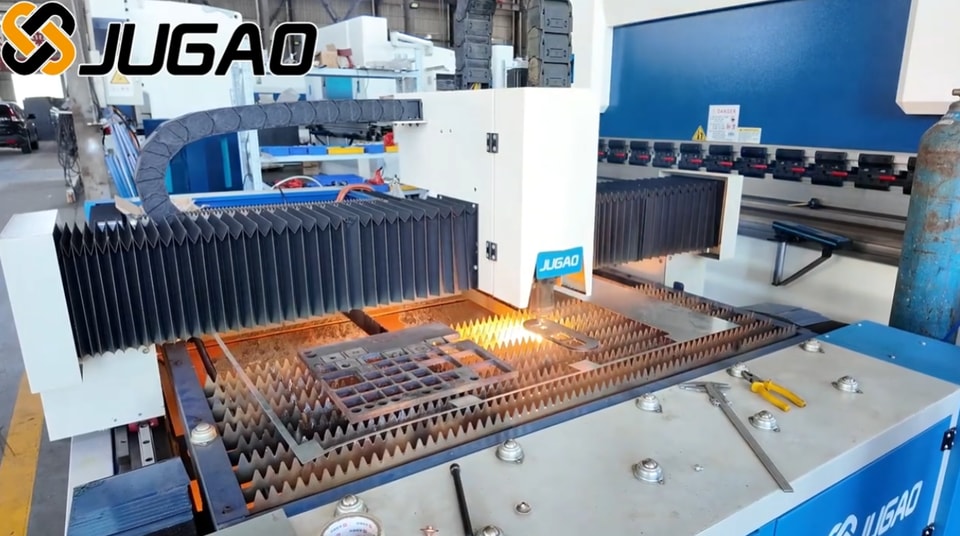
Uncalibrated laser focus will make all other parameter adjustments ineffective. The vertical position of the laser focus point directly decides cutting depth and kerf width. Accurate focus adjustment creates narrow cutting slits, smooth side walls and faster penetration speed. Operators must adjust the focus height according to plate thickness, and check the focus position regularly to guarantee stable and unified cutting effects in mass production.
Complete Optimization Operation Steps for Laser Cutting Parameters
Step 1: Match Material Base Parameters
First, check the standard parameter list released by JUGAO equipment factory for different materials and thickness specifications, including power, movement speed, pulse frequency and focus height. These standard data can serve as the stable starting point for subsequent fine tuning.
Step 2: Perform Sample Cutting Verification
Before mass batch production, sample cutting test is an indispensable link to verify parameter rationality. Prepare leftover plates consistent with the formal workpiece material, adjust power, speed, frequency and focus height group by group until the cutting effect meets your production standard.
Step 3: Inspect Cutting Effect and Modify Parameters
Carefully check all test samples. Qualified finished products feature smooth cutting edges, tiny heat-affected zones and no burr or slag adhesion. Adjust each parameter with tiny increments and repeat sample cutting until the surface quality and dimensional accuracy reach production requirements.
Step 4: Archive Mature Parameter Schemes
Once you obtain the optimal parameter combination, record all configuration data completely. Sorted parameter files can realize one-click quick setting in subsequent production, unify finished product quality and simplify the whole production workflow.
Typical Laser Cutting Defects & Troubleshooting Solutions
Defect 1: Cutting Edge Burr Residue
Persistent burrs on cutting edges mostly result from mismatched laser power or over-high processing speed. You can moderately increase laser output power or slow down cutting speed to eliminate residual burrs on the slit edge.
Defect 2: Coarse and Uneven Cutting Surface
Rough, jagged cutting side walls are usually caused by deviated laser focus position or improper pulse frequency. Re-calibrate the focus height accurately and try increasing pulse frequency to improve the smoothness of cutting surfaces.
Defect 3: Overly Large Heat-Affected Area
If workpieces show obvious warping and wide thermal damage areas, you can properly accelerate cutting speed, lower laser power output, or upgrade the auxiliary cooling system to speed up heat dissipation of the processing zone.
FAQ
Q1: What is the fast way to confirm matched laser cutting parameters?
A: Adopt the standard parameter reference provided by JUGAO as the baseline, conduct classified sample cutting tests, comprehensively evaluate the cutting surface condition, and file the optimal data after repeated trials. This systematic testing method can quickly lock the most matched parameter group.
Q2: Which frequency range fits stainless steel cutting processing?
A: Stainless steel requires high pulse frequency to form smooth cutting edges. Generally, 2000Hz to 5000Hz frequency band can deliver ideal processing effects. It is recommended to complete segmented frequency tests within this interval combining your equipment model and stainless steel plate thickness.
Q3: What is the proper cycle for laser cutting machine recalibration?
A: It is advised to finish full machine recalibration every 300 to 500 working hours. Periodic calibration keeps stable cutting precision, unified finished product quality and long-term stable operation performance of the equipment.
Summary
Optimizing laser cutting process parameters can comprehensively lift production efficiency, cutting surface quality and the service life of JUGAO laser cutting equipment. Reasonable adjustment of laser power, cutting speed, pulse frequency and focus height can solve most common cutting defects and maintain stable high-precision processing results. Keep the habit of regular sample testing, parameter fine-tuning, data filing and equipment calibration. If you need professional technical guidance on laser cutting parameter optimization or want to learn advanced cutting processing solutions, you can contact the professional technical support team of JUGAO at any time.
Contact Us