
How Does a Laser Cutting Machine Work?
2026-06-11

Table of Contents
• Basic Working Principles of Laser Cutters
• Operational Mechanism of Laser Cutting Technology
• Core Components of a Laser Cutting Device
• Complete Operating Procedures for Laser Cutting Equipment
a. Material Preparation and Placement
b. Program Input and CNC Parameter Setting
c. Laser Beam Focus Adjustment and Trial Cutting
d. Formal Laser Cutting Execution
e. Product Inspection and Post-Processing
• Practical Daily Maintenance Advice for Laser Cutters
○ Periodic Cleaning of Optical Mirrors and Lenses
○ Monitoring Gas Pressure and Purity Standards
○ Regular Equipment Inspection and Component Lubrication
• Frequently Asked Questions
○ What materials are compatible with laser cutting?
○ What is the maximum cutting thickness of a laser cutter?
○ Effective ways to upgrade cutting performance
○ Safety performance of laser cutting equipment
• Summary
Many people are curious about the operating logic behind laser cutting equipment. This advanced device has brought transformative changes to the metal processing industry. It boasts outstanding precision, high working efficiency and strong adaptability, all of which outperform traditional mechanical cutting methods by a large margin. This article will elaborate on the working principles and full operation flow of laser cutters, as well as share practical maintenance skills to keep the equipment running steadily. Whether you are a beginner getting to know laser technology or a practitioner wanting to deepen professional knowledge, this guide will deliver useful and practical references.
Basic Working Principles of a Laser Cutting Machine
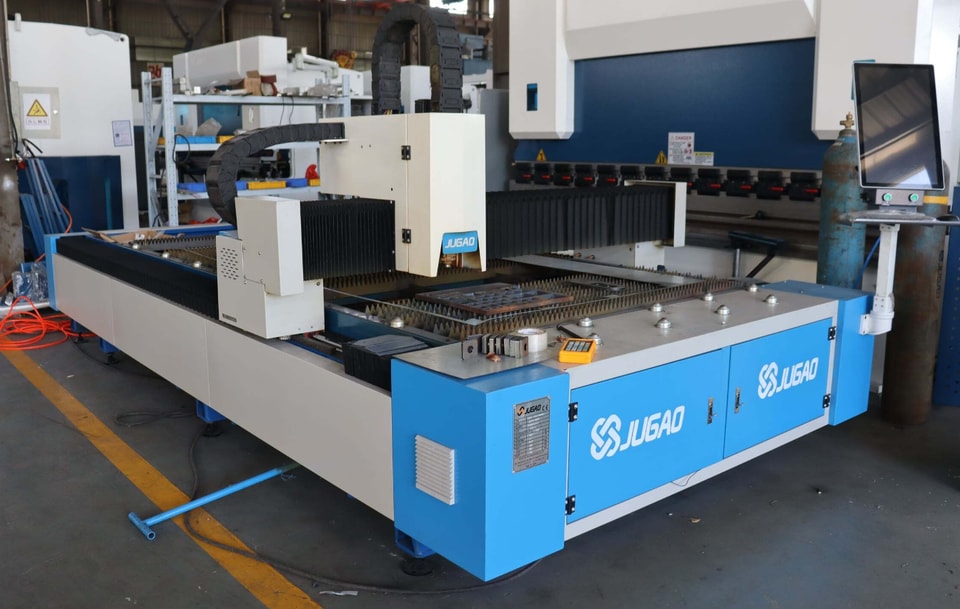
Operational Mechanism of Laser Cutting Technology
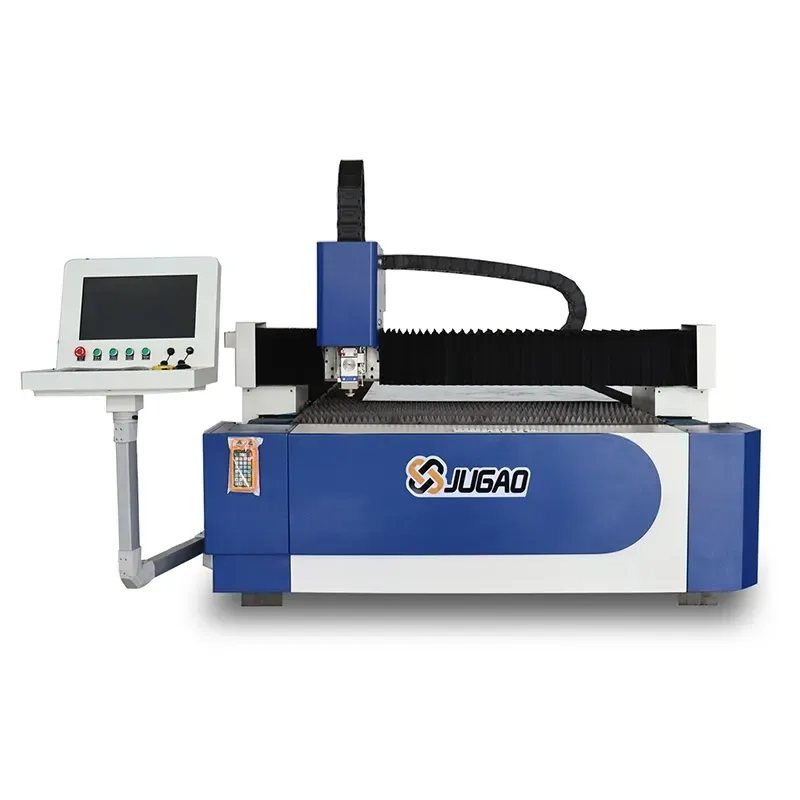
Laser cutting equipment relies on a highly concentrated laser beam to process different raw materials, covering metal plates, plastic panels, wood boards and acrylic sheets. When the high-energy laser beam is accurately projected onto the material surface, the intense heat will melt, burn or vaporize the material, and the residual molten substances will be blown away. Supported by CNC control system, matched mirrors and lenses can precisely guide the laser beam, so as to create neat cutting edges and reduce raw material loss to the lowest level.
Core Components of a Laser Cutting Machine
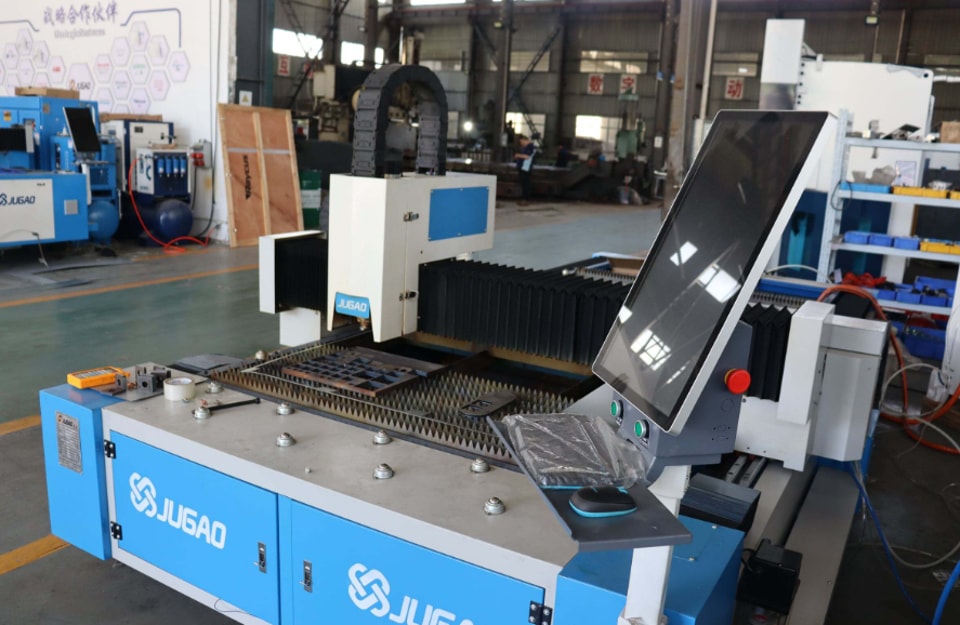
To fully grasp the operation rules, it is necessary to get familiar with the key parts of standard laser cutting equipment:
• Laser Generator: It is responsible for producing high-energy laser beams. The mainstream types include fiber laser, CO₂ laser and Nd:YAG laser sources.
• Cutting Head: This part undertakes the task of transmitting and focusing the laser beam onto the surface of processed materials.
• Motion Control System: Driven by CNC software, it controls the cutting head to move along preset tracks accurately.
• Auxiliary Gas System: It adopts oxygen, nitrogen or compressed air to clear away molten debris during cutting, which helps form smooth and tidy cutting surfaces.
Complete Operating Procedures for Laser Cutting Equipment
Step 1: Material Preparation and Placement
Before starting formal cutting work, keep the operating platform clean and fix the processed materials firmly on the cutting table. Make sure the materials are laid flat without tilting. Uneven placement will not only lower cutting precision, but also cause extra wear and tear to machine parts.
Step 2: Program Input and CNC Parameter Setting
After finishing material arrangement, the next step is to set operating programs for the device. Operators need to import design drawings (usually made by CAD software) into the CNC system and complete relevant configuration. In this process, you have to set multiple key parameters, including laser power, cutting speed and the moving track of the laser head.
Step 3: Laser Beam Focus Adjustment and Trial Cutting
Accurate focus of the laser beam is the key to guarantee cutting precision. Adjust the focal position according to the category and thickness of the materials to be processed. It is highly recommended to conduct a small-scale trial cut first to check the overall effect. Only after confirming the cutting quality meets the standard can large-batch production be carried out.
Step 4: Formal Laser Cutting Execution
Once all preparations and trial tests are completed, you can launch the official cutting process. The CNC system will drive the cutting head to move following the pre-set paths, while stably regulating laser power and running speed. Meanwhile, the auxiliary gas continuously discharges molten waste from the cutting area to ensure clean cutting edges.
Step 5: Product Inspection and Post-Processing
When the cutting procedure comes to an end, take down the finished workpieces gently from the equipment. Check every product one by one to verify dimensional accuracy and the smoothness of cutting edges. Based on actual project demands, you can also carry out follow-up processing such as surface cleaning, burr removal and polishing.
Practical Daily Maintenance Advice for Laser Cutters
Periodic Cleaning of Optical Mirrors and Lenses
Clean optical components are the foundation of stable cutting performance. Dust and material residues attached to mirrors or lenses will weaken working efficiency, and even lead to permanent damage to precision optical parts. Regular cleaning can effectively avoid unexpected shutdowns and expensive maintenance costs.
Monitoring Gas Pressure and Purity Standards
Auxiliary gas plays an irreplaceable role in the whole cutting process. Operators should check the air supply pressure and gas purity on a regular basis, so as to maintain stable cutting quality all the time.
Regular Equipment Inspection and Component Lubrication
Carry out comprehensive routine inspections on the whole machine regularly to check for wear, deformation or damage of mechanical parts. Add lubricant to movable components on schedule and replace worn-out parts in a timely manner, so that the equipment can always maintain an optimal working state.
Frequently Asked Questions
What materials are compatible with laser cutting?
Laser cutters can handle a wide range of materials. Common metal materials include ordinary steel, stainless steel, aluminum and copper; non-metal materials cover wood, acrylic, various plastics and textile fabrics.
What is the maximum cutting thickness of a laser cutter?
The maximum processable thickness varies with laser types and material properties. Fiber laser equipment can normally cut steel plates with a thickness up to 25 millimeters. CO₂ laser devices perform better when dealing with thin plates and various non-metal materials.
Effective ways to upgrade cutting performance
Stick to standardized daily maintenance, clean optical parts regularly, optimize auxiliary gas parameters, and adjust equipment settings flexibly according to different materials and processing requirements. All these methods can obviously improve cutting results.
Safety performance of laser cutting equipment
As long as operators strictly abide by safety operation specifications, wear matching protective equipment and do a good job in daily equipment maintenance, laser cutters can work safely and reliably.
Summary
Mastering the working principle of laser cutting equipment helps to fully release its performance and obtain stable and high-quality processing results. Following the above operation specifications and maintenance rules can effectively improve the equipment’s working accuracy, operating efficiency and overall productivity. If you need in-depth technical guidance, professional suggestions or personalized solutions, please feel free to get in touch with the JUGAO team. We are ready to help you make the best use of laser cutting technology.
Contact Us